







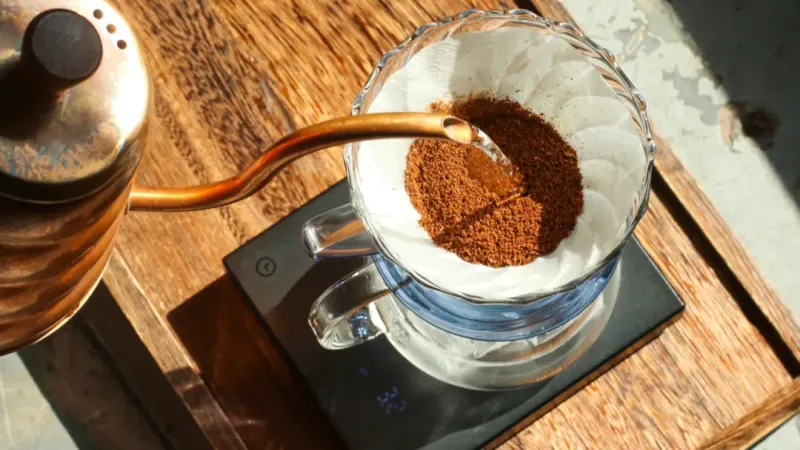
How Bloom Time Fits Into the Pour-Over Coffee Making Process
Bloom time in pour-over brewing usually counts from the moment hot water first wets the grounds, not from when pouring ends. A 30-second bloom is common because it gives most of the trapped carbon dioxide time to escape without slowing the brew unnecessarily. Shorter or longer blooms, from 20 to 60 seconds, still work; the right choice depends on how fresh the beans are.
Front Street Coffee ran controlled tests comparing no bloom, 30-second, 45-second, and 60-second blooms, using beans 3, 15, and 30 days after roasting. Skipping the bloom caused under-extraction, while the other durations all extracted adequately. Fresh beans release more gas, so they often benefit from a longer bloom; older beans need less.
In the pour-over coffee process, blooming is a step that seems simple but often raises questions. Many people default to 30 seconds, yet they are not quite sure when this duration starts counting, nor are they certain what changes extending it to 60 seconds or shortening it to 20 seconds would bring. Front Street Coffee conducted multiple sets of comparative experiments, testing the performance of no bloom, 30-second bloom, 45-second bloom, and 60-second bloom on coffee beans of different freshness levels. This article will focus on the core purpose of blooming—releasing carbon dioxide and improving extraction efficiency—to explain why 30 seconds is considered a safe choice, and also explain how to flexibly adjust the time based on the condition of the beans, so that every cup of pour-over can achieve the ideal flavor and mouthfeel.
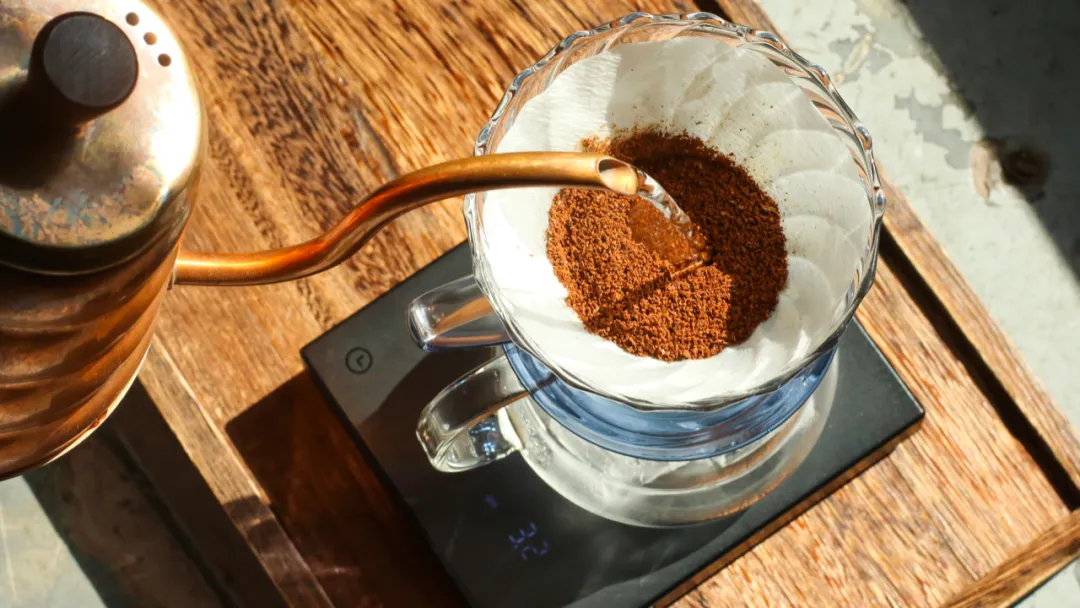
The core goal of blooming is actually not complicated: to release the carbon dioxide inside the coffee grounds that hinders extraction, so that the hot water poured in afterward can more smoothly dissolve the soluble flavor compounds in the coffee. In plain terms, after proper blooming, we are more likely to get a cup of pour-over coffee with full aroma and balanced taste.
However, many people are puzzled about the duration of blooming: why do most recommendations use 30 seconds? Would 20 seconds, 40 seconds, or 50 seconds not work? Why is it specifically the number 30 seconds?
Strictly speaking, there is no rule limiting blooming to 30 seconds; you can absolutely choose other durations. The reason people frequently mention "30 seconds" in discussions is that this time point is relatively safer. The reason is: under conventional parameters, 30 seconds allows most of the carbon dioxide that interferes with extraction to escape, while not wasting too much time, making it a relatively safe choice.

Front Street Coffee previously conducted several controlled experiments themed around blooming. The experimental method was to brew coffee with different bloom times while keeping the extraction parameters basically consistent, specifically including no bloom, 30-second bloom, 45-second bloom, and 60-second bloom, and to observe whether significant differences would appear in the final coffee flavor.
In addition, Front Street Coffee also selected coffee beans 3 days, 15 days, and 30 days after roasting, and conducted multiple sets of comparisons respectively. The experimental results showed that except for the coffee with no bloom at all, which suffered from under-extraction, the coffees using other bloom durations all achieved sufficient extraction.
Although extending the bloom time does indeed increase the coffee's extraction yield, the difference is not large. Taking the largest time gap, 30-second bloom versus 60-second bloom, as an example, only experienced baristas or seasoned enthusiasts can catch the subtle difference, and for beginners it is almost indistinguishable, because the difference in extraction yield is only about 0.2%.
Front Street Coffee then compared coffee with a 20-second bloom and a 30-second bloom, and the difference in this group was much more obvious. The coffee with a 20-second bloom was slightly inferior to the 30-second version in both taste and mouthfeel, especially when the coffee beans were relatively fresh, where the gap was even more prominent.
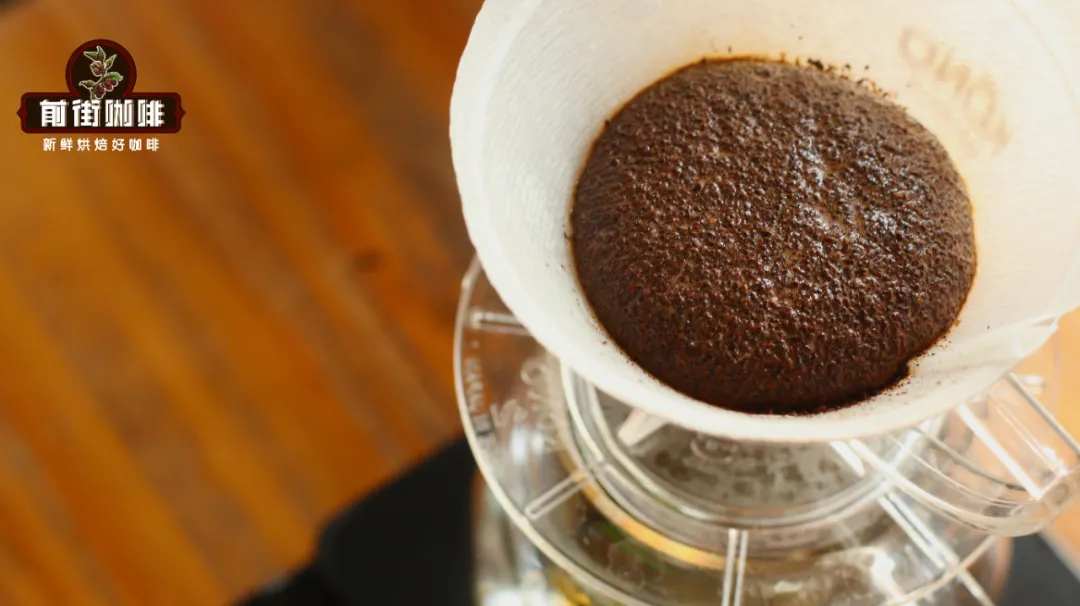
The reason for this phenomenon is not complicated: the coffee grounds did not get sufficient degassing. Hot water itself needs a certain amount of time to wet the coffee grounds, especially when the coffee beans are fresh and have a high carbon dioxide content, the gas hinders water from penetrating downward.
Therefore, if you only bloom for 20 seconds, for coffee with a recent roast date, it is very likely to cause under-extraction—because just as the coffee grounds have finished wetting and are about to begin degassing, we have already entered the formal extraction stage. By comparison, 30 seconds is safer.
Of course, as Front Street Coffee emphasizes, 30 seconds is only a relatively safe reference value. In actual practice, we should still flexibly adjust the bloom time according to the situation at the time or the condition of the coffee grounds.
For example, if your coffee beans are very fresh and have a high carbon dioxide content, then you can appropriately extend the bloom time. It does not need to be too long; an extra ten seconds or so is enough to let more gas escape;
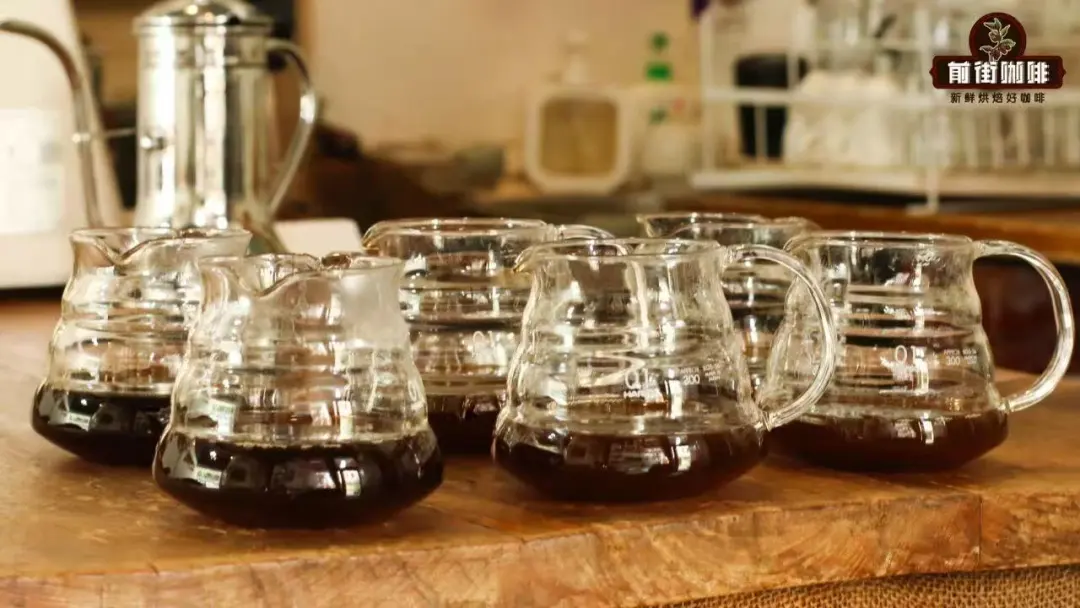
Conversely, if the coffee beans have already been stored for a long time, for example 30 days since roasting was completed, then you can appropriately shorten the bloom time. After all, the purpose of blooming is to release the carbon dioxide that affects extraction, and beans left for 30 days have almost no carbon dioxide left inside, so shortening the bloom time at this point can reduce unnecessary time consumption.
- END -
The above content is compiled by CoffeeHunters, a coffee news website.


