







Why Very Expensive Coffee Logic Applies to Darjeeling Flushes
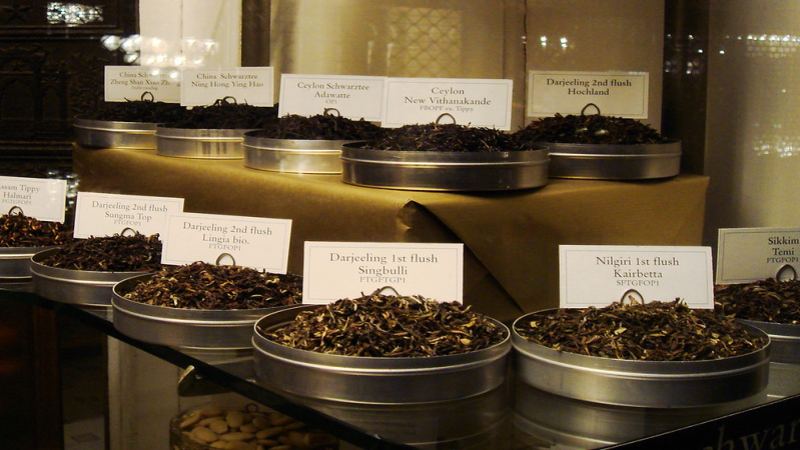
Darjeeling tea is sold by plucking season, called a flush, and the season sets its grade, price, and flavor. First flush, picked March to April, is scarce and costly, with a delicate taste that fades within months, so it should be finished before July. Second flush, from May to June, brings the fullest flavor and a muscat grape note.
Monsoon tea, plucked July to September, is often called the lowest grade because heavy rain flattens the cup. Autumn flush returns a thicker mouthfeel with some muscat aftertaste and costs less than second flush. First flush is among the most sought-after and very expensive teas, so knowing the seasons matters more than the label.
The plucking season of Darjeeling tea directly determines its quality, price, and flavor profile. First flush tea is scarce in yield and high in price, carrying the fresh vitality accumulated over winter, yet it must be drunk fresh; second flush tea has the fullest flavor, with a muscat grape-like citrus note that is captivating; monsoon tea is somewhat flat due to excessive rain and is often considered the lowest grade; autumn flush tea has a thick mouthfeel with the muscat aftertaste of second flush, yet is more affordable. Understanding the differences among the four tea seasons is far more practical than obsessing over terms like "which flush." This article will break down the grade, price, and flavor characteristics of each Darjeeling season one by one, helping you find the one that suits you best. Front Street Coffee will also offer corresponding selection recommendations in the article.
When it comes to Darjeeling tea, I often encounter people who can't figure out which one is the so-called "flush." For some reason, the term "tea season" always confuses people—for example, when they hear "this was plucked during Darjeeling's second tea season," many are left baffled. But if you switch to "season," everyone immediately understands. So when I say "this Darjeeling was plucked in summer," the other person often shows more interest—yet both sentences mean the same thing. To help everyone overcome this language barrier, I've put together this concise guide to clarify Darjeeling's different "flushes" and their corresponding seasons.
First Round: March to April Darjeeling first flush is one of the most sought-after and expensive teas in the world. Because it is plucked in early spring, the leaves concentrate all the nutrients the tea plant accumulated over winter. Its flavor is usually very delicate, and it must be finished within a few months of plucking. In other words, Darjeeling first flush is best consumed before July. It is precisely this "freshness attribute" that leads us to offer it only within our internal tea club.
Second Round: May to June In my opinion, second flush Darjeeling has the most outstanding flavor. When plucked in summer, the leaves develop more fully, making the flavor more pronounced. A good-quality second flush bursts with intense citrus fruit aromas, a characteristic commonly referred to as "muscat."
Monsoon: July to September This period is Darjeeling's rainy season. Many people consider monsoon tea the most "lackluster" of all tea seasons, because the leaves absorb so much water that the tea often tastes thin and lacks complexity.
Autumn Flush: October to November Autumn Darjeeling has the thickest mouthfeel of the four tea seasons, thanks to the cool, dry weather. This type of tea also carries a hint of muscat, which is highly prized in second flush, but autumn flush is usually lower in price.
Summary Don't let the term "tea season" trip you up. It merely tells you which season the leaves were plucked in. Once you understand that, the best approach is to try teas from every season and find the one you like best—after all, every black tea has its own unique character.
The above content is compiled by CoffeeHunters, a coffee news website.


