







Search Results for: wave of emigration

Honduran Migration Wave Hits Coffee Industry: Labor Shortage Crisis During Harvest Season, Exports to China Emerge as New Opportunity
Honduras is currently experiencing a severe socio-economic crisis. Corruption, institutional collapse, the impact of the pandemic, and hurricane disasters have compounded, pushing poverty rates to extreme levels, causing widespread closures in the export processing industry and the loss of over 100,000 jobs, with many of the unemployed choosing to emigrate abroad. This wave of emigration directly affects the coffee growing industry—as the harvest season approaches, there is a severe shortage of skilled pickers, and the prospects for the harvest are worrisome. At the same time, Honduran organic coffee beans have been successfully exported to China, with 12 companies authorized to trade with China, bringing a glimmer of hope for economic recovery. This article will outline the root causes of the crisis, its impact on the industry, and the latest trade developments. [more…]
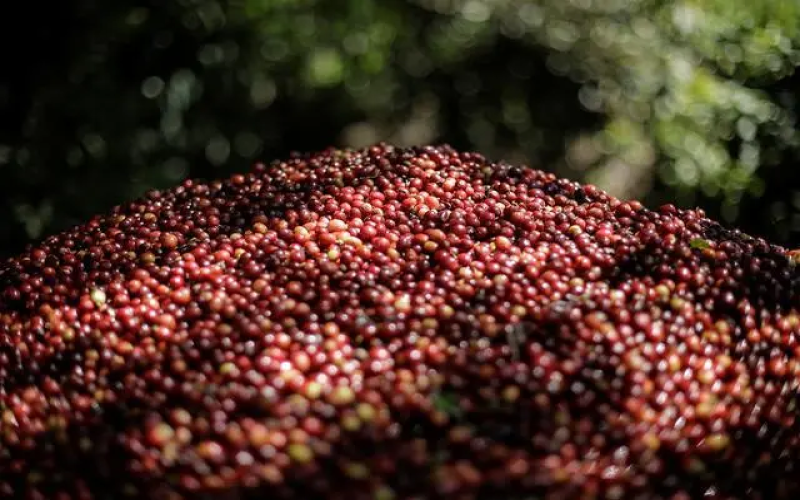
Extreme weather combined with labor loss puts Central America's coffee industry under pressure, pushing up international prices
The coffee industries of several Central American countries have recently encountered multiple challenges. In Costa Rica, unstable rainfall and labor shortages are expected to cause a production decline of about 13% in the 2023/24 season. In Nicaragua, affected by El Niño, drought persisted until mid-May, political factors have led to large-scale emigration, and labor shortages threaten harvest quality. The drought crisis at the Panama Canal remains unresolved, shipping costs are rising, and labor protests have delayed coffee harvesting. Together, these multiple factors are keeping coffee prices at high levels. [more…]

A Brief History of Latte and the Evolution of Bean Styles: A Century of Flavor Changes in a Milk Coffee
Latte is probably one of the most misunderstood coffees in the world—many people assume it is an everyday drink for Italians, but in fact the authentic milk coffee that Italians drink is the cappuccino on the breakfast table. The latte, with its "large quantity of milk" form, is a product that evolved after coffee emigrated to the United States. In this history of flavor evolution lies [more…]

Where Does the Flat White Come From? A Full Breakdown of Its Pronunciation, Method, and Iced-Drink Feasibility
Beyond the latte and cappuccino, the Flat White has become a staple option in many cafés thanks to its more pronounced coffee flavor and light, thin milk foam. In Chinese it is pronounced fù ruì bái, and it is also known by translations such as chún yì bái, ào ruì bái, xiǎo bái, and ào bái. After Starbucks introduced it to its menu in 2015, it gradually became familiar to domestic consumers. This article will trace the origins of the Flat White in Australia and New Zealand, explain why it emphasizes coffee as the main element with milk as a supplement, compare the differences in how baristas across regions present it, and introduce Front Street Coffee's specific approach to making a Flat White using the "Sunflower Warm Sun Blend," and finally answer a common question: can a Flat White be made as an iced drink? [more…]
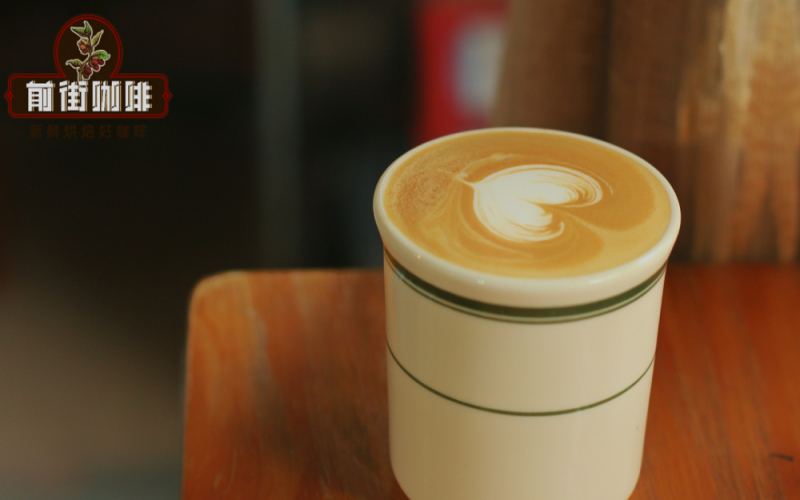
What's the difference between a Flat White and an Aussie White? A comprehensive guide from ordering tips to Front Street Coffee's recipe
Flat White, this milk coffee originating from the Southern Hemisphere, is called 馥芮白 at Starbucks, 醇艺白 at Costa, and 澳瑞白 at Luckin, while baristas at Front Street Coffee prefer to call it 澳白. How exactly does it differ from a latte or a cappuccino? Why should the milk foam be kept within 0.3cm? How do the three elements—small cup size, thin milk foam, and a ristretto base—come together to make a delicious Flat White? This article will break down the characteristics of this beverage one by one, from its historical origins, its differences from a latte, and key points for ordering, to the complete recipe at Front Street Coffee, helping coffee lovers find the cup that suits them best whether ordering or making it at home. [more…]

Peruvian Volcanic Eruption Compounded by Mercury Pollution, Alarm Bells Ring for Coffee Growing Environment
Peru, a South American coffee-producing country, has recently been hit by a series of natural disasters and environmental crises. The Sabancaya volcano in the south has entered an orange alert level, and ash from frequent eruptions is severely affecting nearby farms and pastures; meanwhile, the provinces of Huancavelica and Cusco have been declared in a state of environmental emergency due to heavy metal mercury contamination. Both regions have coffee cultivation, and mercury contamination not only inhibits crop growth and reduces agricultural product quality, but may also trigger labor shortages. The Peruvian government has already launched response measures, but concerns within the industry about coffee production and quality are rising. [more…]

The Origin Story of Flat White | Can Starbucks' Flat White Be Made Iced? What's the Difference Between Ristretto and Espresso?
Flat White is translated as Flat White/Aussie White coffee, also known as "fresh milk espresso," and Starbucks China named it "Furui White coffee." It is a fancy milk coffee originating from New Zealand and Australia. It is said that during World War II, Italians immigrated to New Zealand and Australia and brought coffee culture to the local area. In 19 [more…]
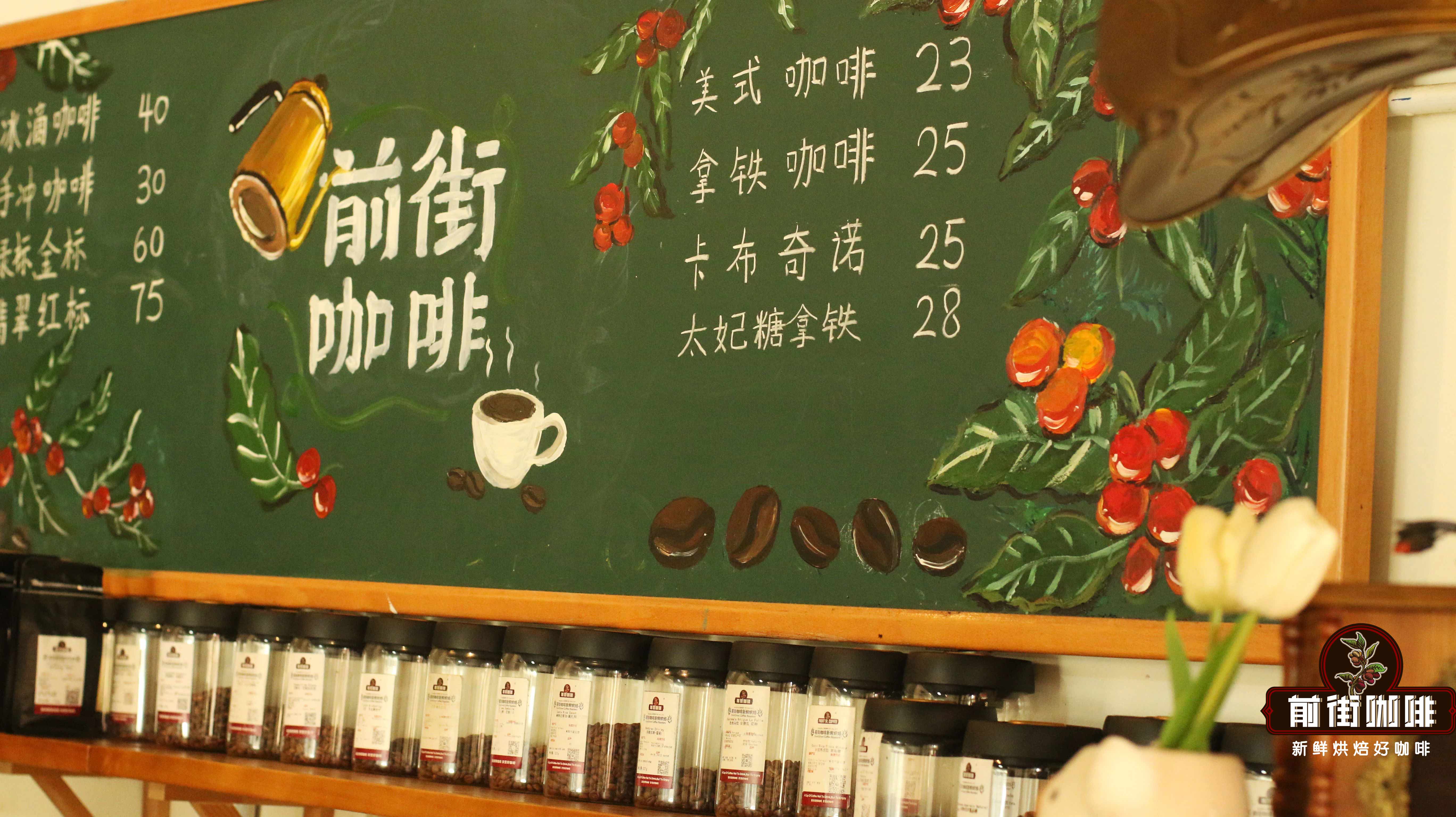
The Definition, Origin, and Evolution of Americano, with a Discussion of Its Differences from Long Black and Extraction Ratios
Walk into any coffee shop, and the first item usually listed on the menu is the Americano. It is both the daily pick-me-up for many people and a favorite among health-conscious crowds. In this article, Front Street Coffee will guide you through the definition of the Americano, its historical origins, and the differences between it and the Long Black, along with a detailed explanation of the ratio of espresso to water. We will also share Front Street Coffee's experience of using aged ice when making iced Americanos, and how to determine the right coffee-to-water ratio, giving you a comprehensive understanding of this drink that seems simple but actually has plenty of nuance. [more…]

The Chinese Embassy in Ethiopia has issued a safety reminder: temporarily avoid travel to high-risk areas such as Tigray, affecting the coffee trade and tourism.
Recently, the Chinese Embassy in Ethiopia issued a notice advising Chinese citizens to temporarily avoid traveling to several high-risk areas, including Tigray and Amhara regions. The country's protracted civil war and local armed conflicts continue to spread, not only creating security risks but also severely impacting an economy and tourism industry that rely on coffee and agriculture and animal husbandry as pillars. As the recognized birthplace of coffee, Ethiopia's turbulent situation also affects the travel plans of coffee traders and bean hunters. This article outlines the background of the conflict, its impact on the economy and the coffee industry, and reiterates the embassy's safety recommendations, reminding those planning to travel to the country to remain highly vigilant and ensure their personal and property safety. [more…]
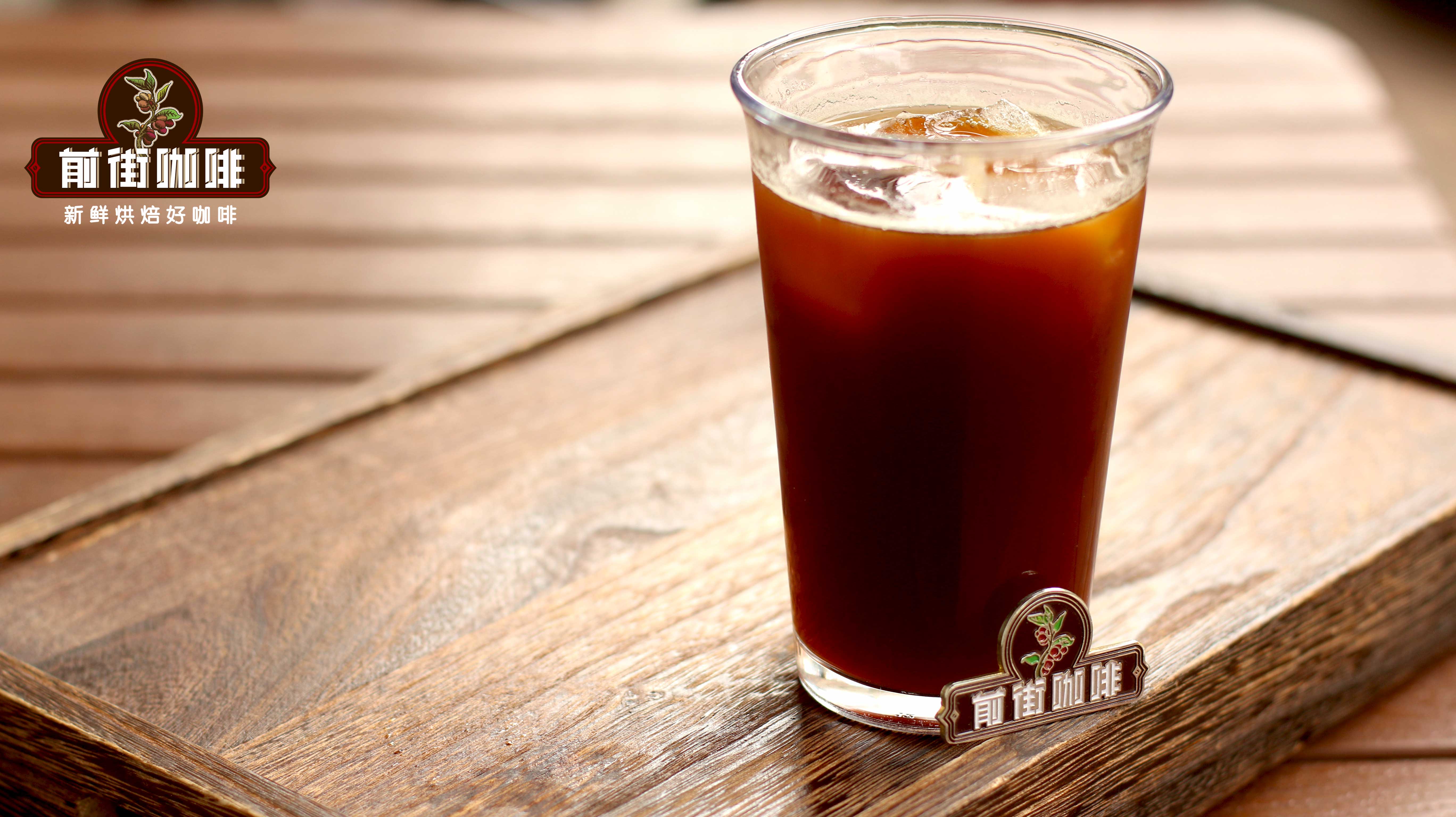
What is the difference between Americano and Long Black? Does iced Americano count as black coffee? Front Street Coffee explains the brewing ratio.
When ordering at a coffee shop, Americano is often the most prominent item on the menu. It not only serves the daily function of waking you up, but is also favored by health-conscious people. But is Americano actually black coffee? And how does it differ from the increasingly popular Long Black in recent years? In this article, Front Street will sort through the historical origins, brewing methods, water ratios, and other angles, while also sharing specific recipes for Americano and Iced Americano, and recommending Front Street coffee beans suitable for making Americano, helping coffee lovers make a balanced, satisfying cup of Americano at home. [more…]
What is Americano? How is it different from Long Black? Front Street Coffee explains the brewing ratio and iced Americano method.
When ordering at a coffee shop, Americano is often the most eye-catching and most frequently ordered item on the menu. It is not only a staple choice for many people to perk up daily, but also often regarded as the top choice by fitness and sugar-control crowds. However, does Americano really count as black coffee? And what is the difference between it and Long Black, which has frequently appeared on menus in recent years? In this article, Front Street will clarify the ins and outs of Americano from the perspectives of historical origins, extraction methods, and water-to-coffee ratios, and provide specific parameters suitable for home use and iced drinks, including production suggestions for Front Street Black Cocoa Blend and Front Street Strawberry Candy espresso, making it easy for coffee lovers to recreate a smooth cup of Americano at home. [more…]

An In-Depth Look at Espresso: Definition, Standard Extraction Parameters, and a Full Flavor Analysis of Four Front Street Coffee Blends
Although espresso does not have a particularly broad audience in China, it is a national-level beverage in Italy and the very soul of an Italian coffee. It is extracted quickly through high temperature and high pressure, topped with a golden layer of crema, and has a rich, full-bodied flavor. This article will provide a comprehensive analysis of the historical origins of espresso, the principles behind crema formation, standard extraction parameters, and the flavor characteristics of Front Street Coffee's four espresso blend coffee beans, helping coffee lovers understand how to adjust grind size, dose, and extraction time to make a stable and delicious shot of espresso. [more…]
Is Americano coffee on the bitter side? How should you drink it to make it more enjoyable? What are the benefits of drinking Americano regularly?
Americano is a staple on almost every coffee shop menu, and for many people it's the go-to choice for a daily pick-me-up and a healthy drink. Is it really a black coffee? How is it different from an Aussie black? Is there a standard brewing ratio? And why is iced Americano more popular than hot Americano? This article will explore the origins of Americano, its differences from the Long Black, the ratio of espresso to water, and a comparison of iced versus hot flavors, drawing on the serving experience at Front Street Coffee locations to help coffee lovers gain a more well-rounded understanding of this drink that seems simple but is full of subtlety. [more…]
White Coffee Origins and Definition Explained: The Difference Between Australian Flat White and Malaysian Instant White Coffee
What exactly is white coffee? How does it differ from the black coffee we are familiar with? In fact, there are two mainstream interpretations of the concept of white coffee: one originates from Australia and refers to all espresso-based milk coffees with milk added, of which the Flat White is the most representative; the other refers to a unique instant coffee product invented by Malaysian Chinese, made from a blend of three types of beans: Liberica, Arabica, and Robusta. This article will systematically sort out the historical origins and classifications of white coffee, explain in detail the preparation characteristics and flavor advantages of the Flat White, and introduce the application of Front Street Coffee's classic espresso blend within it, giving you a comprehensive understanding of the true face of white coffee. [more…]
The Origins and Evolution of Latte: A Complete Journey from European Milk Coffee Traditions to a Global Café Staple
Latte is practically a staple in every coffee shop, yet even for the same "latte," the cup size and flavor can vary wildly from store to store. This article traces the historical origins of latte: from the 17th-century European habit of mixing coffee with milk, to the first appearance of the term "Caffe e latte" in an American writer's travelogue in 1867; from the invention of the espresso machine and steam wand, to Italian immigrants in California in the 1950s and 1960s renaming the milkier cappuccino as latte. The article also explores latte's development in the Chinese market, and how Front Street Coffee adjusts its espresso recipes and serving cup sizes based on the characteristics of the coffee beans, helping you fully understand the past and present of this classic milk coffee. [more…]

Why does the latte consistently rank at the top of coffee shop sales? A comprehensive analysis from historical origins to the charm of latte art
Walk into any coffee shop, and the best-selling item on the menu is almost always the latte. This drink, made with an espresso base and a generous amount of milk, has somehow won over the taste buds of so many consumers—what's its secret? This article will start with the origins of the latte, analyzing how it became widely popular thanks to more milk and less bitterness, and how, with latte art and its versatile adaptability, it has become a shared favorite of both baristas and customers. At the same time, we'll also introduce two espresso blend beans that Front Street Coffee has prepared for latte lovers, helping you recreate coffee-shop-quality results at home. [more…]
How Is a Flat White Different from a Latte? Which to Choose for Weight Loss? A Detailed Guide to Making a Flat White and Iced Drink Alternatives
Beyond the latte and cappuccino, the Flat White has long become a staple in coffee shops around the world. In China, it is also commonly called 醇艺白, 澳瑞白, 小白, or 澳白. It originated from the coffee culture of Australia and New Zealand, highlighting the true taste of coffee through thinner milk foam, a higher coffee ratio, and a smaller cup size. This article examines the differences between the Flat White and the latte in terms of milk foam thickness, cup size, and extraction method, explains why it better showcases the regional flavors of SOE, and shares the parameters and flavor performance of Front Street Coffee using the "Sunflower Warm Sun Blend" to make a Flat White. It also answers common questions such as whether to choose an 澳白 or a latte during weight loss, and whether a Flat White can be made iced, and whether those who prefer a rich iced milk coffee can switch to a Dirty. [more…]

Starbucks Flat White vs. Australian White Coffee Brewing Guide: Espresso Bean Selection and Extraction Techniques Explained
In 2015, Starbucks introduced the classic Australian Flat White to its menu under the name "Fu Rui Bai," and this coffee quickly became a hit in China. What's the difference between a Flat White and a latte? Why is it only served hot? The key to making an authentic Flat White lies in the pairing of the espresso base with light, thin milk foam. This article will start with the historical origins of the Flat White, then gradually break down Front Street Coffee's extraction parameters and milk frothing techniques, and recommend four espresso blends suitable for making Flat Whites, including the gently styled Warm Sun Blend and three nutty-toned blends, to help you recreate a rich, velvety Flat White at home. [more…]

The Origins and Flavor Characteristics of Latte: From Italian Milk to the Evolution of Espresso
Latte is a classic fusion of espresso and milk, but its origins are far more convoluted than one might imagine—why do some "lattes" contain no coffee? Why do Italians get a glass of milk when they order a Latte? This article traces the complete story of latte, from etymology and history to crafting techniques, following its journey from Italian breakfast tables to cafés worldwide, and shares Front Street Coffee's hands-on experience in ingredient selection, ratio balancing, and crema control, helping coffee lovers understand what makes a good latte. [more…]
What is the difference between a Flat White and a Latte? A detailed explanation of the origins, ratios, and Front Street Coffee's classic method for Australian White coffee
Many people first heard of the Flat White in 2015, when Starbucks added it to its permanent menu under the name "Fu Rui Bai." After that, a flurry of other names emerged, such as Costa's "Chun Yi Bai" and Luckin's "Ao Rui Bai," while the baristas at Front Street Coffee prefer to call it "Ao Bai." This milk coffee originating from the Southern Hemisphere—how exactly does it differ from a latte or a cappuccino? Why does it taste more strongly of coffee, with thinner milk foam? This article traces its origins and explains its recipe, helping you grasp the core logic of the Flat White, and includes Front Street's complete method for making a Flat White with the Warm Sun Blend. [more…]