







Search Results for: water volume distribution
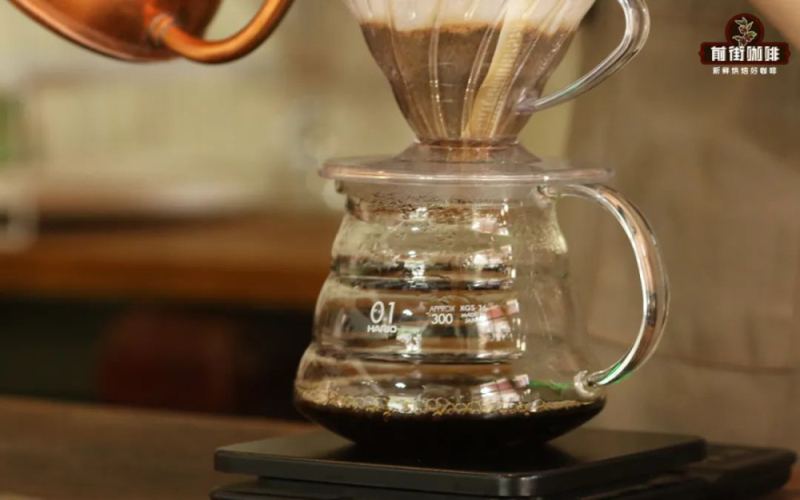
How should the water volume for each pour be scientifically configured when making pour-over coffee with staged pouring?
Segmented pouring in pour-over coffee seems simple, but in reality, even subtle changes in the water volume of each segment leave their mark in the cup. Many friends new to pour-over are often puzzled: how exactly should the water volume after blooming be divided? And in what direction do different distribution schemes take the flavor? Front Street used the Yirgacheffe Gote Gote as a sample and designed three comparative experiments, fixing the dose at 15 grams, the coffee-to-water ratio at 1:16, medium-fine grind, and water temperature at 91°C, changing only the water volume ratio between the second and third pours, to observe how acidity, sweetness, mouthfeel, and finish trend. The experiment also revealed the potential impact of the relationship between the height of the coffee bed wall and the water level on extraction uniformity, and offers reference ideas for flexible adjustment in actual practice. [more…]
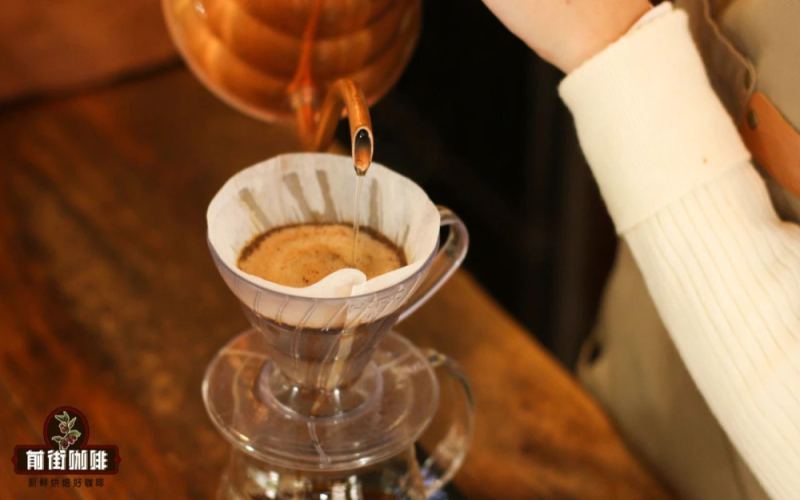
Advanced Guide to Pour-Over Coffee: The Practical Impact of Pouring Distribution and Technique Details on Flavor
Making pour-over at home, but the taste is still inconsistent even after you've dialed in your parameters? The problem often lies in "how you pour the water." This article breaks down the extraction differences between the one-pour method and the three-pour method from two dimensions—water distribution and pouring technique—and analyzes the actual effects of bloom water volume, circling speed, pouring height, flow rate, and circling range on flavor. It also includes complete brewing recipes for three highly distinctive single-origin coffees from Front Street Coffee—washed Yirgacheffe, Tarrazú, and Lintong Mandheling. Whether you're just starting out or looking to refine your technique, these details can help you find the direction for adjustment. [more…]
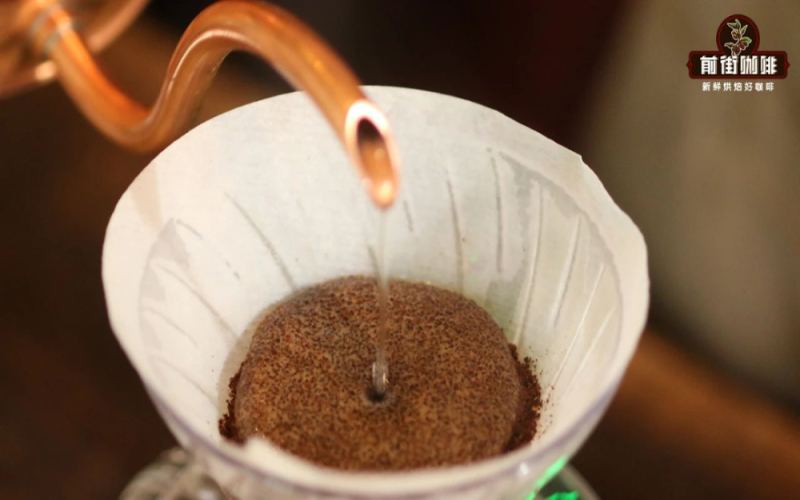
A Complete Guide to Three-Pour Hand-Brewed Coffee: Blooming Techniques, Water Distribution, and V60 Practical Guide
The three-pour method is one of the most classic and highly regarded extraction techniques in pour-over coffee. By splitting the total water volume into three pours and including two interruptions in between, it adjusts the proportion of flavors from the front, middle, and back ends of the coffee. Starting from the principles of staged pouring, this article breaks down the blooming step in detail and the logic behind water distribution for each stage. Using 15 grams of Front Street washed Yirgacheffe with a Hario V60 dripper as an example, it provides a complete demonstration of the three-pour pour-over process and parameter settings, helping coffee enthusiasts master this brewing method that balances harmony and complexity. [more…]
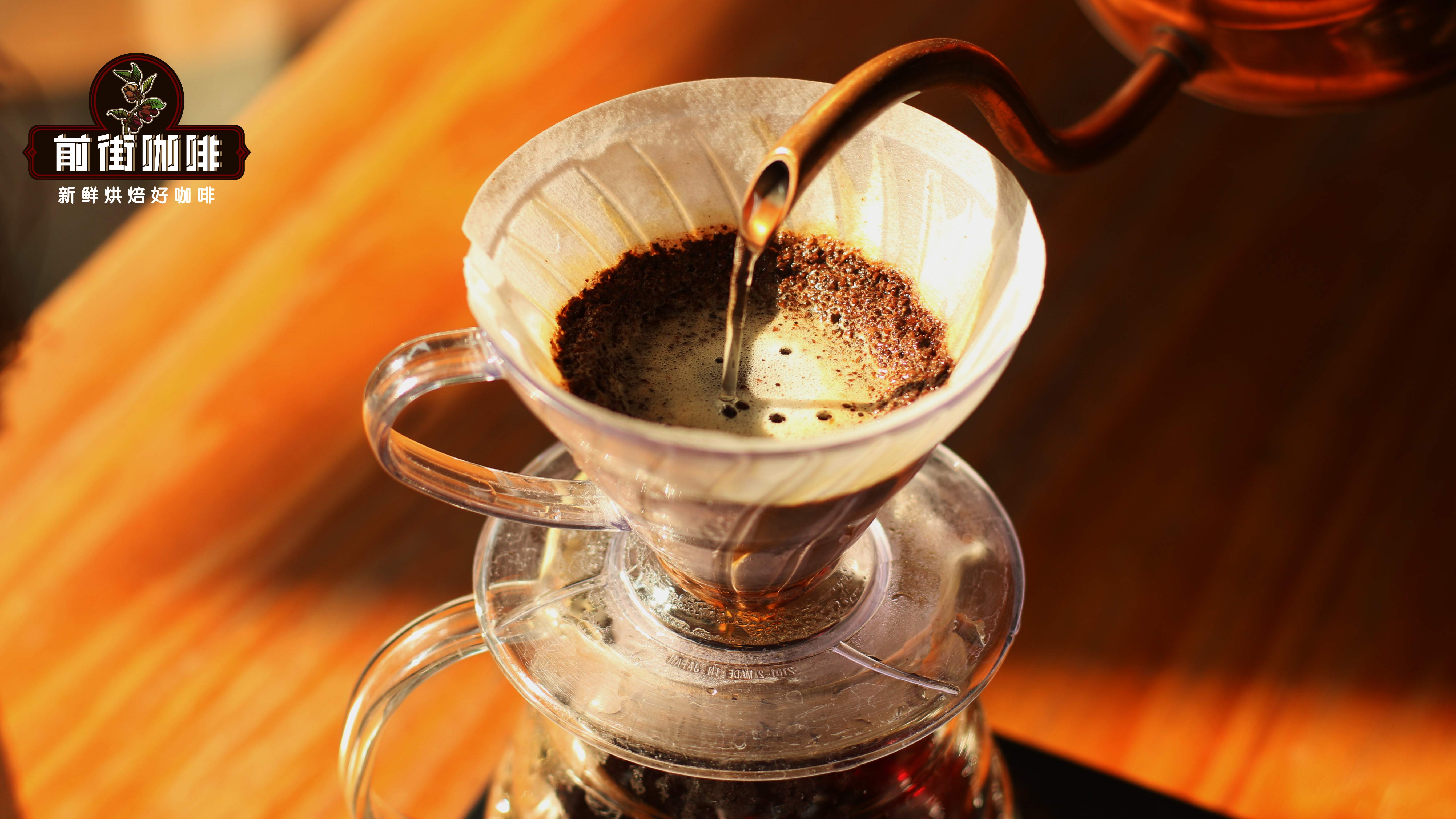
A Detailed Guide to the Seven Key Factors in Pour-Over Coffee Flavor Control and Brewing Practice
Pour-over drip extraction occupies a central position in single-origin coffee brewing, and a good cup of pour-over coffee can present rich layers of acidity, aroma, sweetness, and bitterness. So behind the seemingly simple act of pouring water, what variables are actually influencing the final flavor expression? This article will systematically sort out the seven key factors affecting pour-over coffee, from water volume distribution, blooming technique, circling speed, pouring height, and flow rate to circling range, analyzing one by one their specific effects on extraction. At the same time, Front Street Coffee will also share three highly recognizable single-origin beans from different regions and their brewing parameters, helping coffee lovers build a flavor cognition system through practice. [more…]
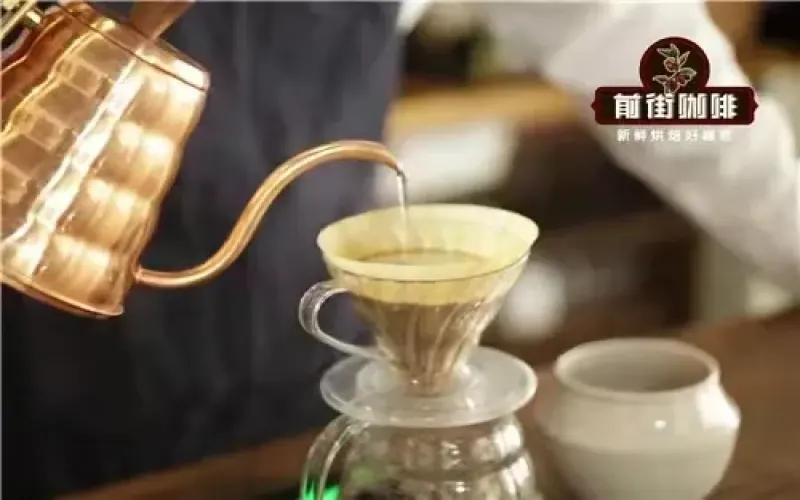
The Three-Pour Technique for Pour-Over Coffee: Water Distribution Across the Front, Middle, and Back Stages and How to Adjust Flavor
In the practice of pour-over coffee, how to reasonably distribute the water volume for each pour is a key step affecting the final flavor expression. Front Street Coffee recommends an intuitive method: split the extraction process into the front, middle, and back segments, collect the coffee liquid from each separately, and taste them one by one. By comparing the flavor differences among the segments, you can find the pouring ratio that best suits this bean. This article takes a washed Yirgacheffe as an example, using the three-pour method with 15 grams of grounds, and demonstrates in detail the operating procedure of pouring 65 grams of water in each of the three segments after blooming, while recording the specific expressions: the front segment is rich with acidity, the middle segment has berry and honey notes, and the back segment is light with floral and tea-like qualities. On this basis, Front Street further explains how to adjust the water volume of the middle and back segments according to the tasting results, so as to avoid undesirable flavors and highlight the pleasing juiciness and sweetness. This method is applicable to coffee beans with different characteristics, helping enthusiasts systematically locate the extraction stage in which good flavors and off-flavors appear. [more…]
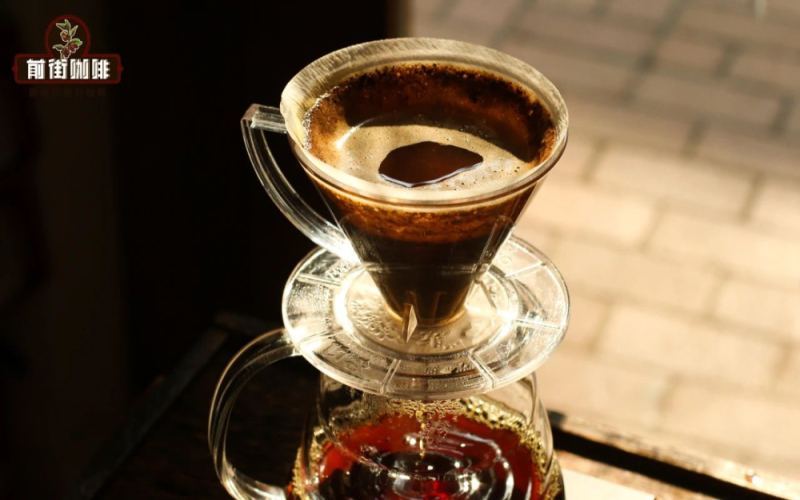
Pour-Over Coffee Three-Stage Pouring Technique: A Detailed Guide to Water Distribution and Calculation for Each Stage
The charm of pour-over coffee lies in precisely controlling the extraction process through staged pouring, allowing each cup to present rich layers of flavor. This article will guide you through the basic principles of pour-over coffee, essential equipment, how to calculate the coffee-to-water ratio, and a detailed breakdown of the three-stage pouring method's specific operations and water distribution. At the same time, we'll share Front Street Coffee's brewing experience, including how to adjust parameters based on coffee bean characteristics, as well as the calculation logic and practical tips for each stage of water in the three-stage pour. Whether you're a beginner just starting out or an enthusiast looking to refine your skills, you'll find practical guidance here. [more…]
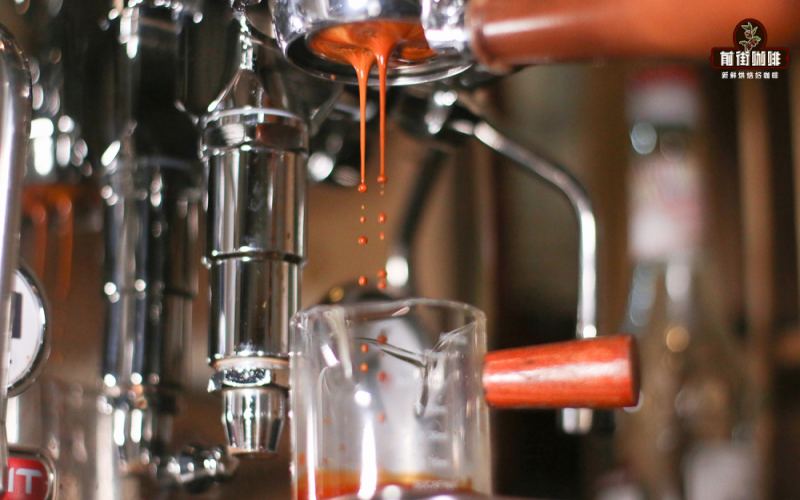
A Comprehensive Analysis of Espresso Extraction: Water-to-Coffee Ratio, Golden Parameters, and Key Operational Points Explained
The extraction of espresso is extremely sensitive to parameters, with dose, brew ratio, time, flow rate, pressure, and temperature all interconnected; the slightest deviation is magnified exponentially in the flavor. This article systematically sorts out the core logic of various espresso extraction parameters, analyzing the matching of basket capacity and dose, the liquid weight ratio range of 1:1.5 to 1:2.5, the extraction window of 20 to 30 seconds, as well as common issues such as grind size and channeling. It also details operational specifics like weighing the dose, distributing the grounds, tamping, and cleaning. At the end, Front Street Coffee recommends a classic espresso blend to help you consistently produce delicious espresso at home. [more…]
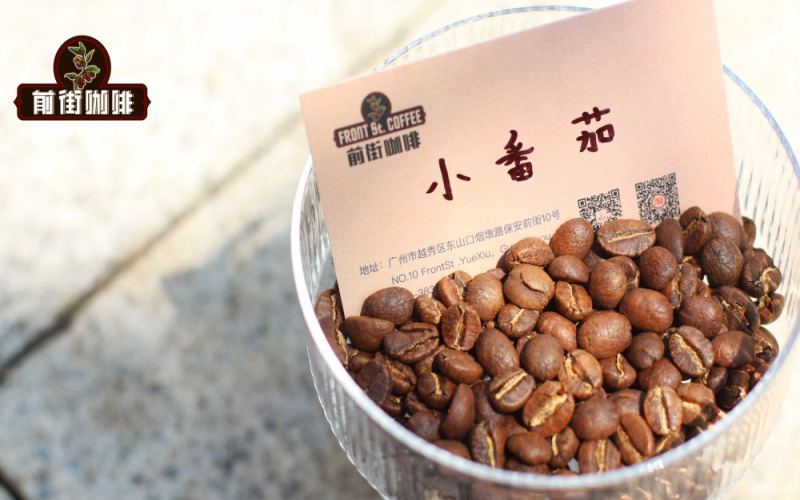
Kenya Coffee Bean Roasting and Pour-Over Guide: Practical Tips for Juicy Flavor from Light Roast to Hot Water Extraction
To brew Kenyan coffee with a full, juicy body, the key lies in the coordination between the roast level of the beans themselves and the extraction method. This article uses the Kenyan Cherry Tomato coffee beans selected by Front Street Coffee as an example to break down in detail the hot water pour-over method for light-roasted Kenyan beans, including the coffee-to-water ratio, water temperature, grind size, staged pouring rhythm, and adjustment ideas for iced brewing. The article revolves around how to bring out a lively yet dense berry acidity, rounded fruit sweetness, and smooth mouthfeel in the coffee, making it a useful reference for coffee enthusiasts who want to improve their pour-over consistency. [more…]
A Complete Guide to Espresso Extraction Time: How Dose, Yield, and Grind Size Affect Flavor Balance and Mouthfeel
Although a single shot of espresso yields only a small amount, it is the foundation of countless coffee drinks such as Americano and latte. Extracting a good Espresso requires precisely controlling multiple variables within a few dozen seconds, including dose, yield, time, and grind size. Drawing on Front Street Coffee's hands-on experience, this article breaks down the core factors that influence espresso flavor, explains the 1:2 brew ratio reference standard, and shows how adjusting parameters can bring out the ideal whisky aroma, vanilla cream, and berry-like acidity in coffee, helping coffee lovers build a clear framework for dialing in. [more…]

Moka Pot Beginner's Bean Selection Guide: A Full Breakdown of Grind Size, Water Volume and Time, and Brewing Process
Since its invention by Alfonso Bialetti in 1933, the moka pot has remained the most widespread espresso brewing device in Italian households. Its structure is simple and its operation convenient, yet it demands a certain care in the choice of coffee beans and grind size. This article will systematically walk beginners through the types of coffee beans suited to the moka pot, including specific recommendations such as Front Street specialty espresso blend, Queen's Estate, Bird of Paradise Estate, PWN Golden Mandheling, and Strawberry Candy espresso, while explaining in detail the criteria for judging grind coarseness, dose control, water level, and heating pace, helping you consistently extract a rich, full-bodied cup with abundant crema and balanced flavor from your moka pot. [more…]
A Complete Guide to Espresso Extraction Parameters: From Dose, Ratio, and Time to a Quick Grind Size Calibration Guide
Espresso extraction is far more sensitive than pour-over, and any slight deviation will be magnified exponentially in the flavor. This article systematically breaks down the extraction parameters from six dimensions—dose, brew ratio, extraction time, flow rate, pressure, and temperature—and offers a quick approach to adjusting grind size. In addition, FrontStreet Coffee also provides practical suggestions on operational details such as weighing, distributing, tamping, and cleaning, helping you consistently reproduce a well-balanced espresso in your daily routine. [more…]
A Guide to Choosing Beans for Fully Automatic Coffee Machines by Roast Level
The convenience of a fully automatic coffee machine lies in the fact that everything from grinding and distributing the grounds to extraction is handled by the program. When choosing beans, the roast level directly affects the flow rate, aroma intensity, and mouthfeel. If you usually like making espresso, long coffee, or latte with one touch, you can start by looking at beans roasted from medium to medium-dark; these flavors are usually easier to [more…]
What are the substantive differences between single and double espresso? A full analysis of portafilter basket structure, extraction data, and operation
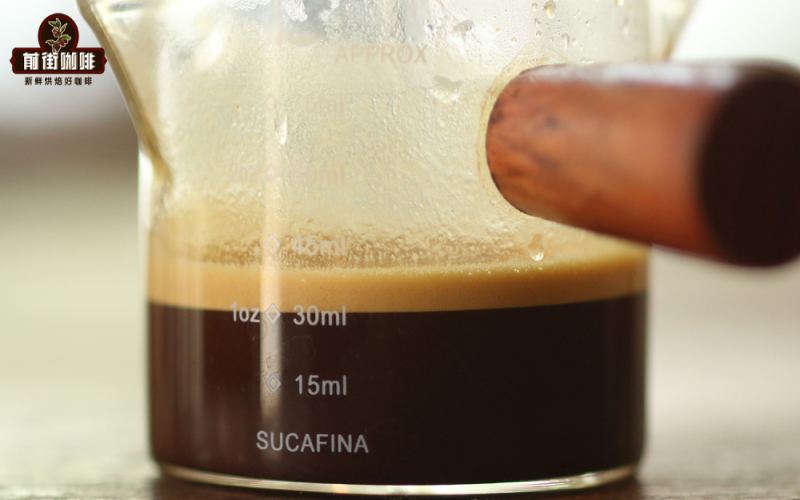
When ordering an espresso at a coffee shop, you can ask for a single shot or a double shot. On the surface, single and double espressos differ only in volume, but from the barista's operational perspective, this involves two completely different extraction schemes. Portafilter basket capacity, puck structure, and uniformity of pressure distribution can all create noticeable differences in the final product. This article starts from Front Street Coffee's extraction experiments, using specific data to compare the extraction performance of single baskets versus double baskets, explaining why a single espresso is not simply half of a double, and includes a standard double espresso preparation procedure to help you gain a deeper understanding of the intricacies behind this small cup of coffee. [more…]
Espresso Extraction in Three Steps: A Full Breakdown of Pre-Infusion, Flavor Release, and When to Stop the Shot
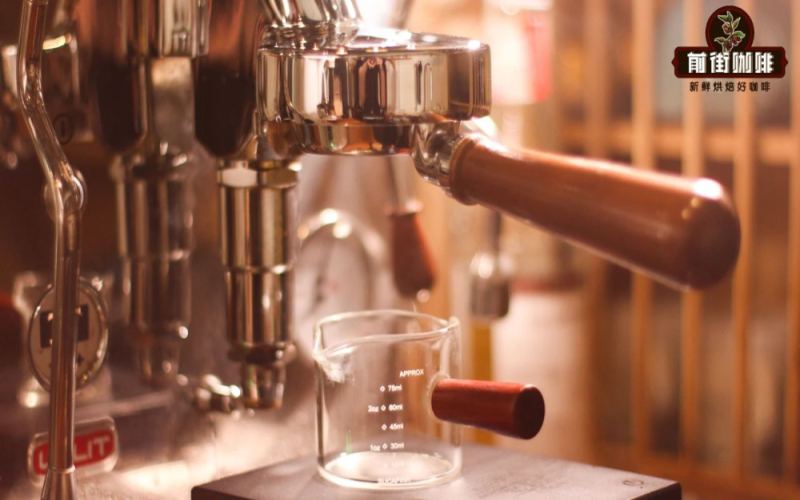
A decent espresso is not as simple as pressing the brew button and leaving it to fate. From the moment the portafilter is locked in, the coffee grounds go through three key stages: pre-infusion, flavor extraction, and the end of extraction. How does pre-infusion affect carbon dioxide release and channeling? During the main extraction stage, why do sour, sweet, and bitter compounds appear in sequence? To judge the end of extraction, should you look at time, liquid volume, or crema color? This article uses Front Street Coffee's blend beans as an example to systematically break down the espresso extraction process and the logic of flavor assessment, helping you adjust parameters and avoid risks during operation, and understand the details behind "one-touch extraction" that still require human setting. [more…]
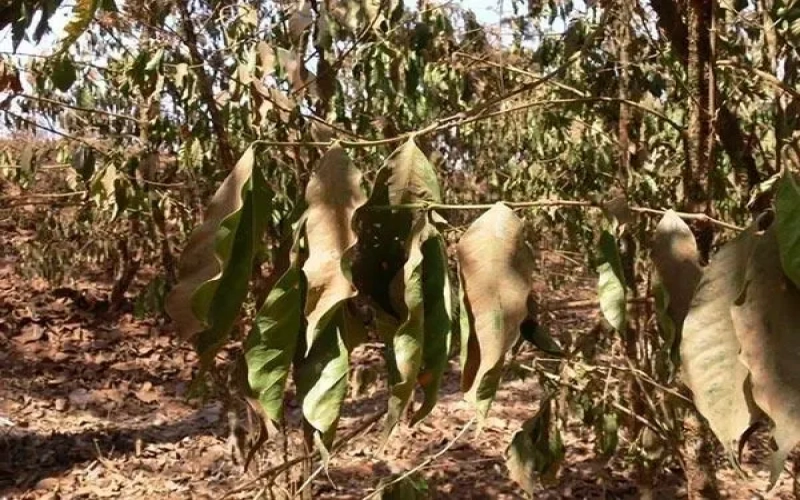
Vietnam's drought persists amid uneven rainfall, with Robusta potentially facing a 2.7 million bag supply deficit next year
The dual impact of persistent drought and uneven rainfall distribution has cast a shadow over the global robusta coffee supply outlook. In Vietnam's Dak Lak province, about 40% of coffee trees still lack water, and coffee production is expected to decline by 20% to a four-year low; in Brazil's largest producing region, Minas Gerais, there has been no rain for three consecutive weeks. Although prices previously plummeted due to a recovery in exports and the restoration of international inventories, signs of a rebound have recently emerged. Global financial services platform Marex Group Plc predicts that, affected by reduced production in Brazil, Vietnam, and Indonesia, the global robusta coffee market will face a supply gap of 2.7 million bags next year, and upward pressure on prices should not be underestimated. [more…]
Pour-Over Coffee Brewing Parameters and Technique Adjustment Guide: From Extraction Principles to Front Street Practical Case Analysis
In the composition of coffee flavor, variety cultivation, roasting, and brewing each carry different weight, and although the brewing stage accounts for only ten percent, it is the only part that enthusiasts can actively control. Starting from this industry consensus, this article systematically explains how to adjust water temperature, pouring strategy, and grinding parameters to bring out a performance from a bean that better suits personal preference, without changing the flavor direction of the coffee bean itself. Using Front Street Kenya Asalia and Front Street Ethiopia COE#22 as examples, the article concretely demonstrates how to shift flavor from bright acidity to pronounced sweetness, and from heavy fermentation to a light berry tonality, by changing the three-pour ratio, blooming water volume, and pouring technique, helping readers understand the extraction logic behind brewing adjustments. [more…]
How to Adjust the Grind Size for Espresso? A Complete Parameter Guide from Dose and Ratio to Flow Rate
Espresso extraction is far more sensitive than pour-over, and any slight deviation in parameters will be multiplied in the flavor. Drawing on the practical experience of Front Street Coffee, this article systematically outlines the six core variables that affect espresso extraction—dose, brew ratio, extraction time, flow rate, extraction pressure, and extraction temperature—to help you understand how grind size should be adjusted and judged. At the same time, the article also explains in depth operational details such as weighing the grounds, distributing the grounds, tamping, machine extraction, and cleaning, and analyzes easily overlooked issues such as retained grounds and dosing grind errors. Whether you are a beginner just getting into espresso or an enthusiast hoping for consistent output, you can find actionable adjustment ideas here. [more…]
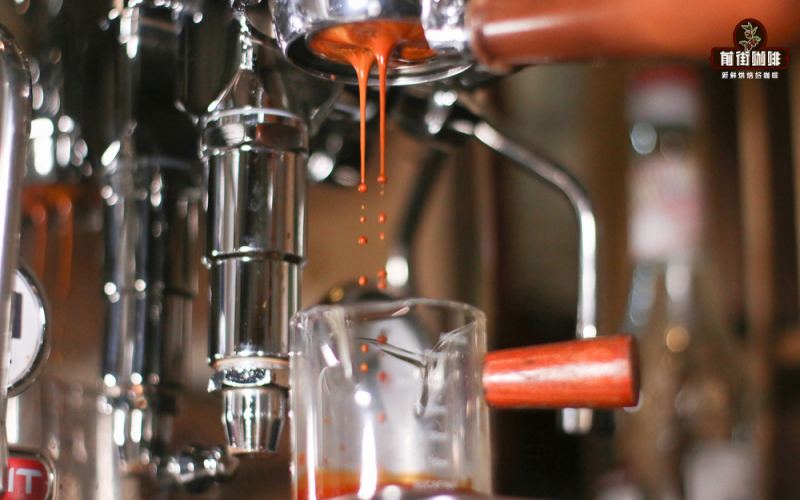
Espresso Extraction Parameters | What is the golden extraction ratio for espresso? What are the specific steps for extracting espresso?
Front Street Coffee has always emphasized that the extraction parameters for pour-over coffee have a significant impact on the cup, and for espresso the impact is even greater. You should know that factors such as the concentration and extraction time of espresso are more demanding than those of pour-over coffee, and the slightest [more…]
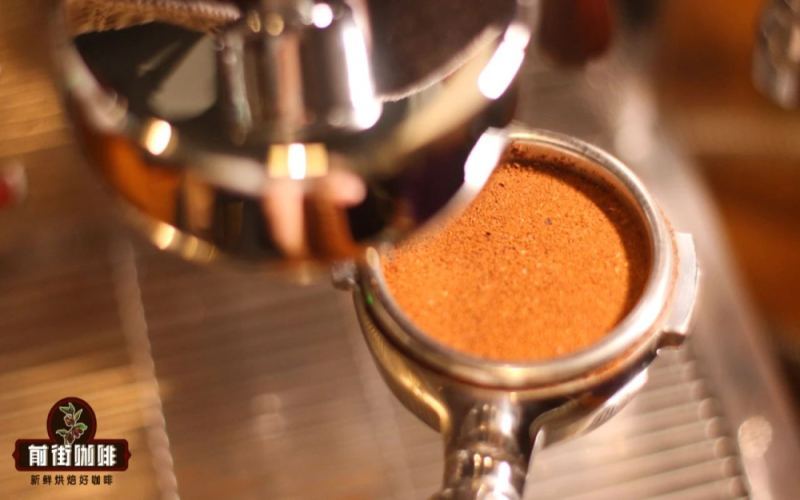
Practical Guide to Espresso Distribution and Tamping: Extraction Details to Avoid Channeling
To craft a proper espresso, distribution and tamping are two essential steps you can't avoid. Many coffee enthusiasts encounter problems during extraction such as sharp acidity, bitterness, and muddled layers—the root cause often lies in the evenness of the coffee puck's distribution. From the perspective of Front Street, this article systematically sorts out the purpose of distribution, common misconceptions, and improvement methods, and further explains the correct tamping posture and practice points. Whether you're a beginner who just got an espresso machine or a professional looking to improve shot consistency, you'll find actionable operational ideas to make every espresso extraction more controllable. [more…]
How to Make Espresso? A Detailed Explanation of the Extraction Steps, Three Layers, and Key Details
Espresso has always held a key position in café offerings, and as its soul, espresso is a core skill that every barista must master. What exactly is espresso? How should a qualified shot of espresso be extracted? Front Street Coffee will draw on practical experience, starting from the definition of espresso and its three layers, gradually breaking down the complete process of cleaning the portafilter basket, grinding and dosing, distributing the grounds, tamping, locking in the portafilter and extracting, and finally cleaning—while highlighting two key details: even distribution of grounds and recording parameters—to help coffee lovers consistently recreate their ideal espresso at home. [more…]