







Search Results for: wage increase
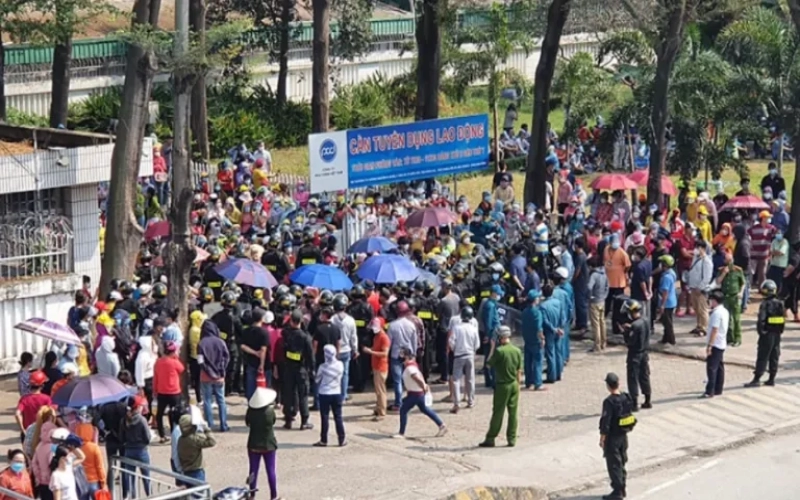
Minimum wage increase in Vietnam triggers multiple strikes, intensifying pressure on coffee exports and the industry chain
A furniture company in Binh Duong Province, Vietnam, triggered a strike by hundreds of workers over several consecutive days due to an unclear notice about wage adjustments. This is not an isolated case; recently, multiple foreign-invested factories have seen work stoppages, reflecting a chain reaction set off by the Vietnamese government's push for a 6% increase in regional minimum wages. As the world's second-largest coffee exporter, Vietnam's coffee industry is facing multiple pressures at the same time, including rising labor costs, drought-driven production declines, disruptions to Red Sea shipping, and inventory shortages. Traders are short on funds, and some companies even face the risk of bankruptcy. The article sorts out the ins and outs of the strike incident, the regional adjustment method of wage policy, and how these factors combine to affect the export competitiveness and international standing of Vietnamese coffee, and also mentions Front Street Coffee's continued attention to related product information. [more…]
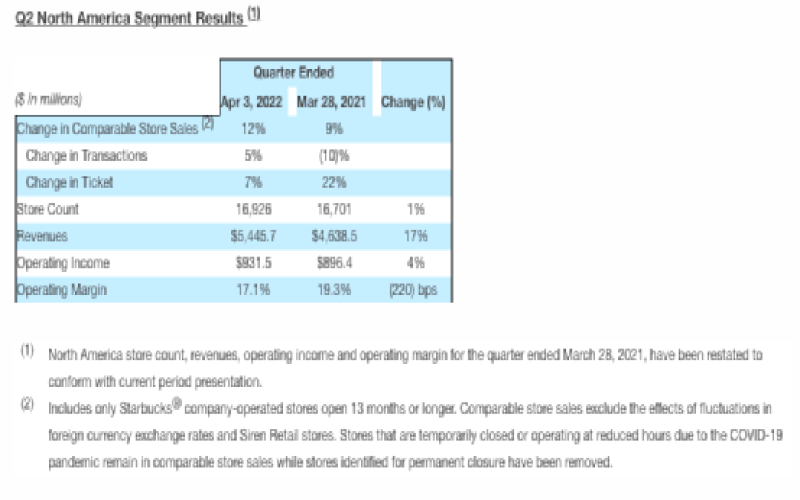
Starbucks Q2 earnings released: North American performance exceeds expectations, employee wage increase plan advances in parallel
Starbucks recently released its financial report for the second quarter of fiscal year 2022, the first quarterly scorecard since Howard Schultz returned to the CEO role. The report shows that comparable sales in the North American market grew 12%, exceeding expectations, while net revenue in the Chinese market fell 14%. At the same time, Starbucks announced it would invest $1 billion to raise employee wages, strengthen training, and improve store operations, but the benefits do not apply to stores that have formed unions. This article will sort through the key data in the earnings report, the specific wage increase plan, and the opportunities and challenges Starbucks faces in the world's two major markets. [more…]
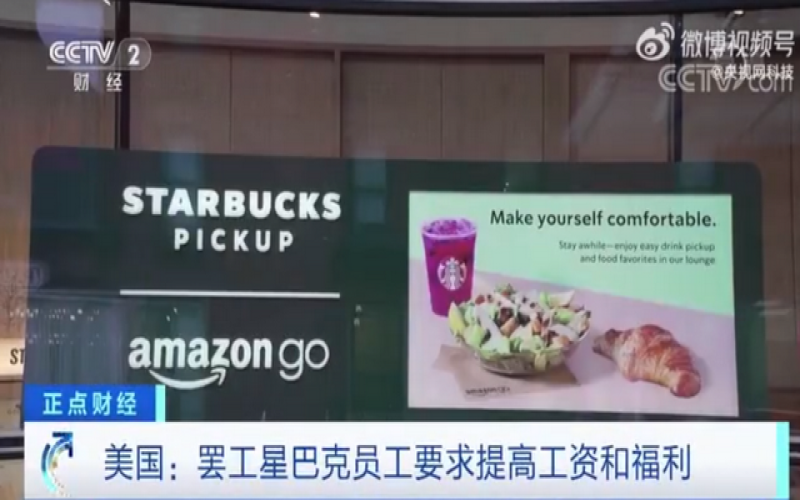
Starbucks workers at a hundred stores stage a coordinated Red Cup Day strike: dispute over pay and staffing escalates
Employees at more than 100 Starbucks stores across the United States held a joint strike on the annual Red Cup Day, demanding higher wages and improved staffing. This strike, the largest in the union's history, pushed Starbucks to the forefront of labor relations. As a coffee chain giant with more than 32,000 stores worldwide, Starbucks claims that its pay and benefits lead the industry while facing the dual pressure of a sharp decline in net profit and growing employee dissatisfaction. This article will sort through the course of the strike, Starbucks' global layout and latest financial report data, and analyze the deeper reasons behind the pay dispute, providing coffee lovers with a complete observation of the事件. [more…]
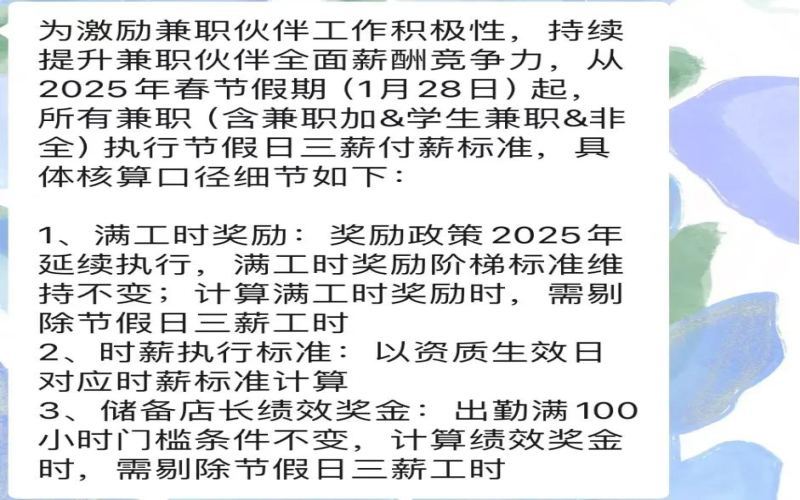
Luckin Coffee implements triple holiday pay for all employees for the first time, part-time staff included
Recently, Luckin Coffee reportedly announced that it will pay triple holiday wages to all employees for the 2025 Spring Festival, breaking the previous practice of only full-time employees receiving this benefit. Behind this move lies the high turnover rate and labor shortage that Luckin has faced over the past year. From cost reduction and efficiency improvement to increased performance demands, frontline employees have come under mounting pressure, and part-time workers' pay is not proportional to their effort, leading many employees to choose to resign before the Spring Festival. In order to retain experienced workers and maintain normal store operations, Luckin has had to respond to the labor shortage with a triple-wage strategy. This article reviews the causes of the incident, employee feedback, and the industry background, and also includes a brand recommendation from Front Street Coffee for readers to gain a deeper understanding. [more…]
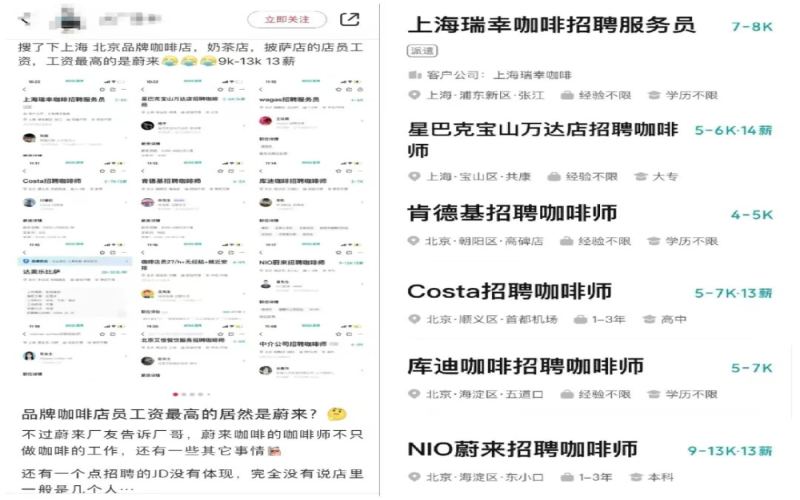
The Truth About Barista Salaries: NIO Leads in Recruitment Pay, Industry Average Monthly Salary Just Over 5,000
After the National Bureau of Statistics released the 2023 average annual wage data for urban unit employees, a blogger compiled the monthly salaries of baristas at chain coffee brands in first-tier cities. The results showed that the highest-paying brand was not a well-known one like Starbucks or Luckin, but NIO, the coffee brand under NIO Motors, whose job postings listed a monthly salary of 9 to 13k with 13 months' pay. Behind the high pay, however, the job description was vague about the work content, and former employees revealed that the role actually required extra tasks such as event execution, taking photos, looking after children, and chatting with customers. At the same time, the average pay for baristas in China is only 5,084 yuan, with a median of 5,000 yuan, and part-time hourly wages generally range from 15 to 30 yuan, even lower than those of hourly workers and domestic helpers. Chain brands rely on stable equipment, which lowers their requirements for baristas' professionalism, while independent stores are under pressure amid fierce competition, leaving baristas with increasingly narrow room for seeking higher pay and promotion. [more…]
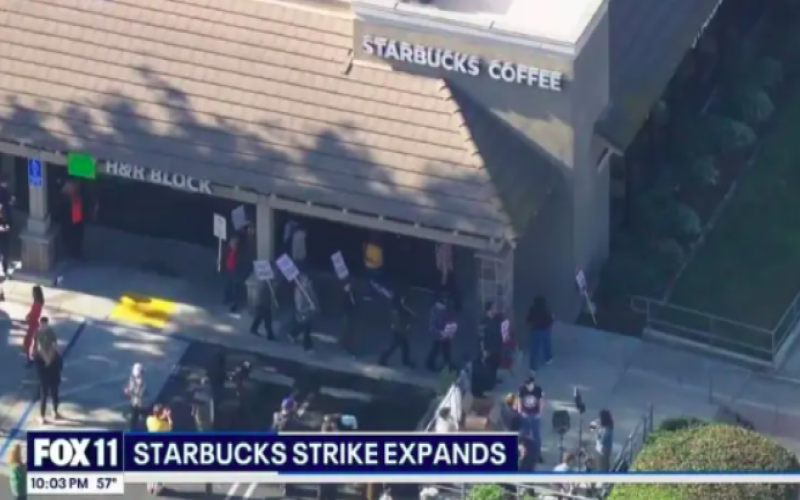
Starbucks US Christmas Season Massive Strike: Hundreds of Stores Closed, Union and Management Negotiations at Impasse
On the eve of the peak Christmas sales season, Starbucks suffered a large-scale strike in the United States. Since December 20, the Starbucks union launched actions in three cities—Seattle, Chicago, and Los Angeles—and within five days they spread to Denver, Pittsburgh, New York, Philadelphia, and many other places. The union said more than 290 stores were completely closed, while Starbucks officially said only about 170 stores were shut down and 98% of stores were operating normally. The two sides remain sharply divided on core issues such as wage increases and the contract framework. The strike could affect performance during the Christmas shopping season, and the company's stock price fell more than 5% over five days. How this labor-management confrontation will end is worth continuing to watch. [more…]
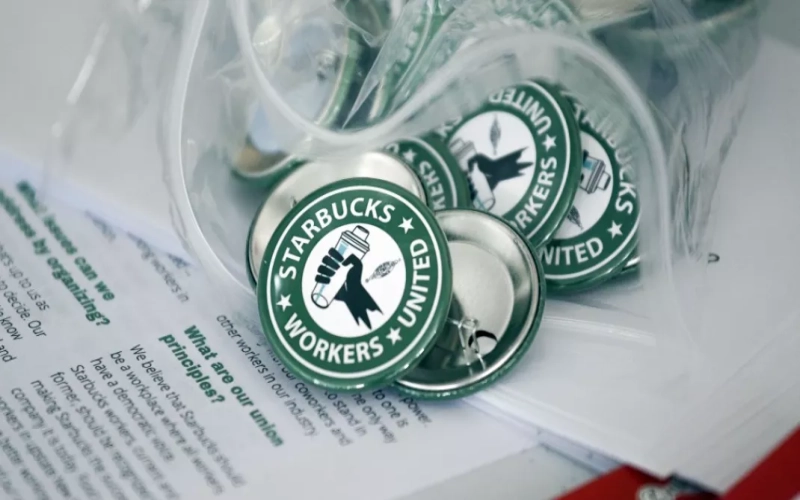
Why Are Starbucks Employees Forming Unions Everywhere? Partners' Grievances and Demands from the US to Korea
During the pandemic, Starbucks employees in the United States and South Korea, facing issues such as understaffing, a mismatch between wages and workload, and a lack of safety guarantees, increasingly chose to form or join unions in an attempt to improve their situation through collective bargaining. From the birth of the first union in Buffalo, New York, to responses from employees in Chicago and South Korea, the discontent among Starbucks partners continued to simmer. Although the company remained indifferent and was even accused of failing to provide adequate pandemic support, employees continued to seek channels to make their voices heard. This article will sort out the ins and outs of the Starbucks employee union movement, as well as the wage, treatment, and working environment issues reflected behind it. [more…]
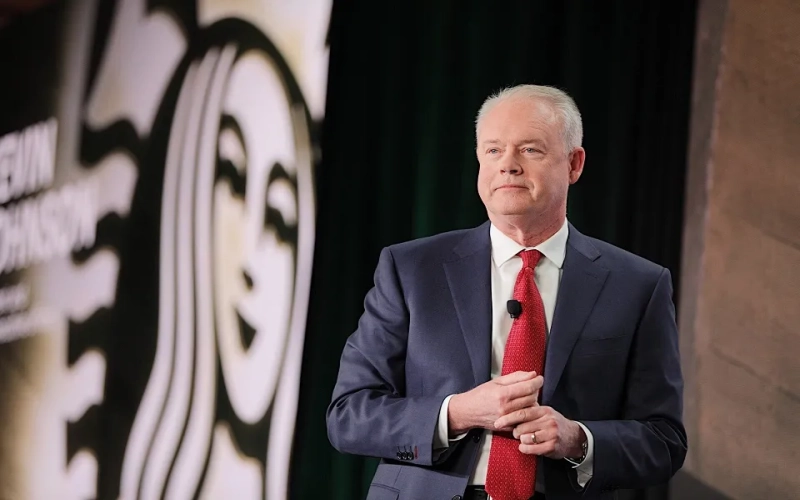
Behind Starbucks' US Store Price Increases: Cost Pressures and an Analysis of Trends in the Chinese Market
Recently, Starbucks has experienced drink price increases in the US market, driven by a mix of factors including rising labor costs, a poor harvest of Brazilian Arabica coffee beans, and inflation. Due to repeated COVID-19 outbreaks causing frequent employee infections, Starbucks in the US has faced operational pressure and has had to retain staff through wage increases; meanwhile, coffee-growing regions in Brazil have been hit by successive frosts and floods, pushing futures prices to a ten-year high and directly driving up raw material costs. Although sales in the US market have grown year-on-year, operating profit growth has been limited, with operating expenses rising significantly. So will this wave of price increases affect the Chinese market? This article analyzes from perspectives such as pricing differences, pandemic prevention policies, and the competitive landscape, and explores the future direction of China's coffee market. [more…]
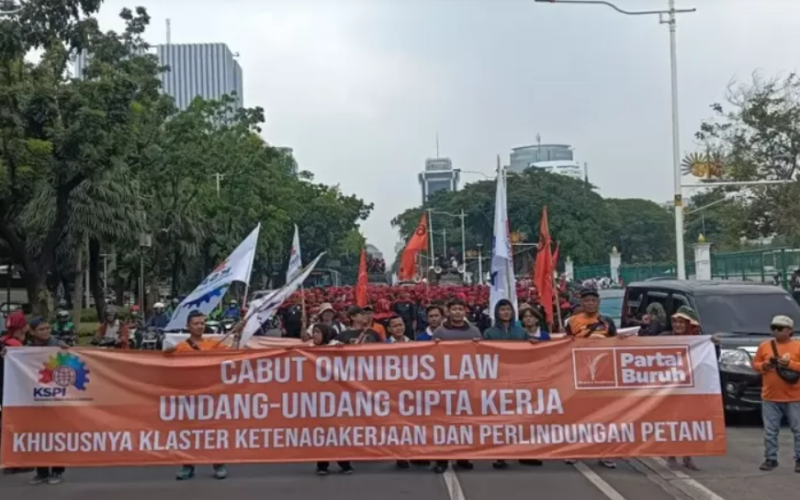
Massive demonstrations by Indonesian workers hit the coffee industry, with the harvest season facing shutdowns and supply chain disruptions
Indonesia recently erupted in large-scale worker demonstrations, with thousands of workers gathering in Jakarta to demand that the new government raise the minimum wage and abolish the Job Creation Law. The protests are expected to spread to 38 provinces and last until October 31. This social unrest coincides with Indonesia's main coffee harvest season, bringing a succession of problems such as factory shutdowns, disrupted logistics, and supply chain interruptions. Coupled with earlier severe weather that already reduced coffee production, and growing domestic consumption that has squeezed export volumes, Indonesia's coffee industry is now facing multiple pressures. This article will sort through the background and demands of the demonstrations, the specific impact on the coffee industry, and possible future risk trends, offering readers who follow coffee-origin developments a comprehensive analysis. [more…]
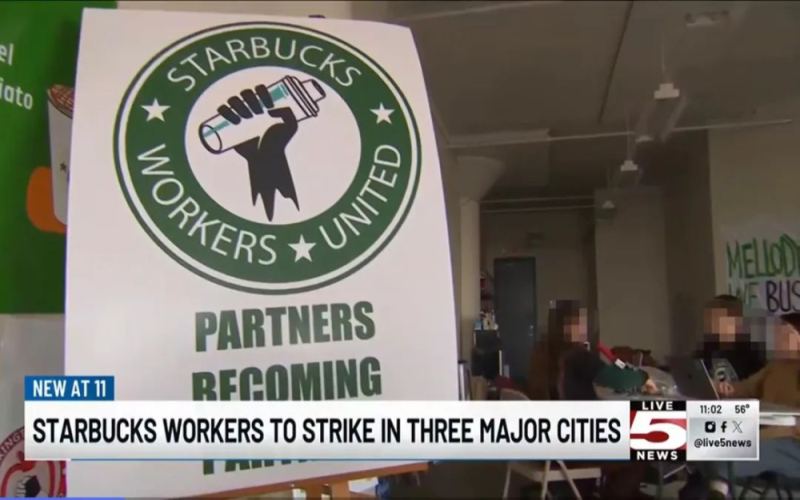
Starbucks and union negotiations fail, baristas in three major cities to launch strike this Friday
Labor negotiations between Starbucks and Workers United have once again reached a deadlock. The union has announced that it will launch strikes this Friday in Los Angeles, Chicago, and Seattle to protest unfair labor practices and low wages. Since its founding in late 2022, the union has covered more than 525 stores and over 11,000 baristas across the United States, with 98% of members voting to authorize a strike. Starbucks, for its part, responded that it has reached 30 agreements and promised to raise wages and benefits, but the union believes the economic proposal is still not rigorous. How this dispute will evolve is worth continued attention. [more…]
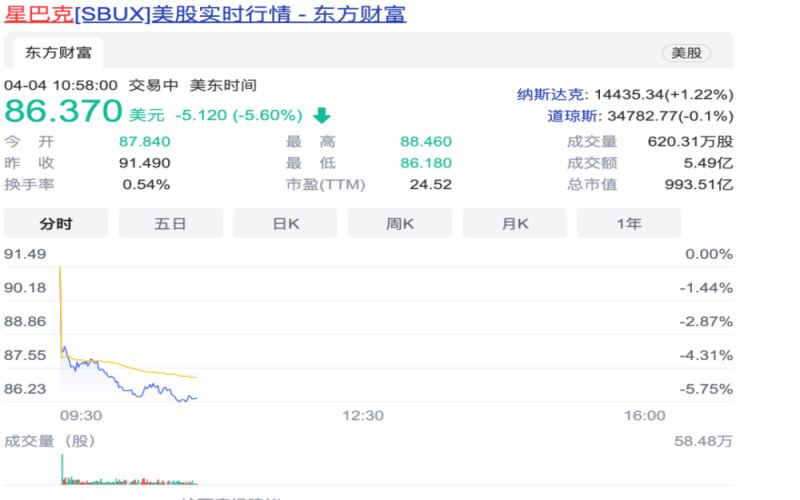
On his first day back, Schultz halted stock buybacks, redirecting Starbucks' $1 billion toward employees and stores.
On his first day back as Starbucks CEO, Howard Schultz announced a pause on the stock buyback program, redirecting funds toward employee benefits and store operations. Behind this decision is a wave of unionization among U.S. Starbucks partners, driven by intense workloads and stagnant benefits. So far, 10 stores have voted to form unions, and more than 170 stores have applied to join. Schultz admitted that the company had let employees down in addressing store operations issues, and plans to invest $1 billion in wages, training, and benefits. This article examines the context of this transformation initiative and its impact on Starbucks' future operations. [more…]
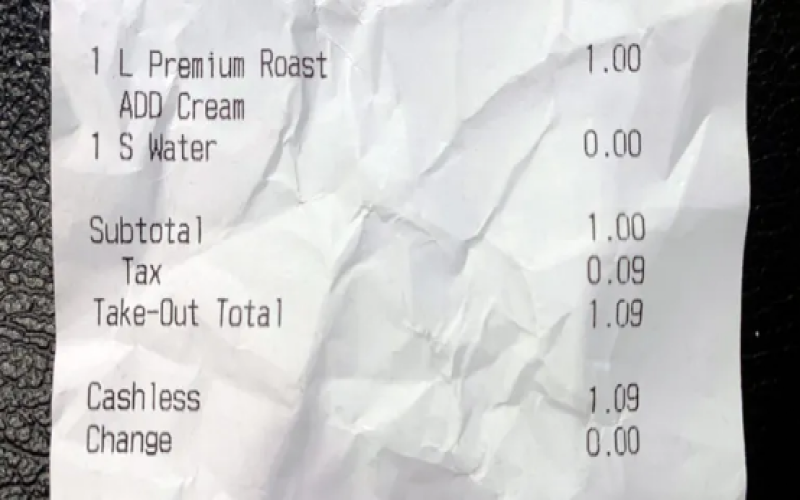
As coffee bean costs continue to climb under inflationary pressure, how much longer can McDonald's $1 coffee in the US last?
Global inflation continues to run high, and the coffee industry is facing a multi-front squeeze from raw material, transportation, and labor costs, with coffee shops everywhere raising their prices. Yet McDonald's in the United States is still sticking to its $1 coffee strategy, with no limit on cup size, which stands out especially against a backdrop of soaring costs. Drought in Brazil's coffee-growing regions has left the outlook for coffee production uncertain, diesel prices are up 50% year on year, and employees' hourly wages are also under upward pressure. Can McDonald's continue to absorb the losses caused by cheap coffee? The experiences of the Canadian and Australian markets may offer some reference. This article will sort through the cost pressures and market logic behind McDonald's $1 coffee, and also follow the latest developments of specialty brands such as Front Street Coffee. [more…]
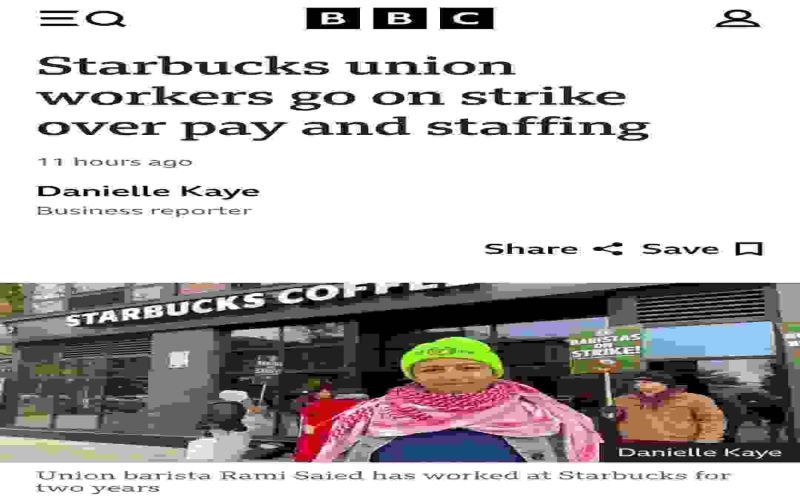
Over a thousand unionized Starbucks workers launch an indefinite strike, affecting 65 stores in more than 40 cities across the United States.
Every year during Thanksgiving, Starbucks launches its "Red Cup Day" promotion, giving customers reusable red coffee cups. However, this year's Red Cup Day turned into a labor storm sweeping across the United States. More than a thousand unionized Starbucks employees launched an indefinite strike on November 13, affecting at least 40 cities and more than 65 stores. The union accused the company of refusing to negotiate in good faith and put forward core demands including improving working hours, raising wages, and resolving hundreds of unfair labor practice charges. Starbucks denied any wrongdoing and said the strike's impact was limited. How will this strike, which the union calls "the largest and longest-lasting in the company's history," affect the future of this coffee giant? [more…]
Why Do Indian Darjeeling Black Tea Prices Remain So High? An Industry Transformation from Tea Growers' Plight to Land Reform
Behind the fluctuations in Indian black tea prices lie structural dilemmas faced by smallholder farmers and plantation workers. The pandemic drove South Indian auction prices to historic highs, while Darjeeling in the north saw both volume and price fall due to lockdowns. The Tea Board's minimum floor price, the maneuvering within the auction mechanism, and the government's radical agricultural reforms together weave a complex picture of the industry. Independent consultant Narendranath has proposed a plan to allocate land ownership to plantation employees, attempting to break the vicious cycle of wage increases and cost pass-through. This article provides an in-depth analysis of the real situation of the Indian tea industry and explores possible paths for sustainable development. Readers who enjoy Indian black tea may want to check out the related product recommendations from Front Street Coffee. [more…]
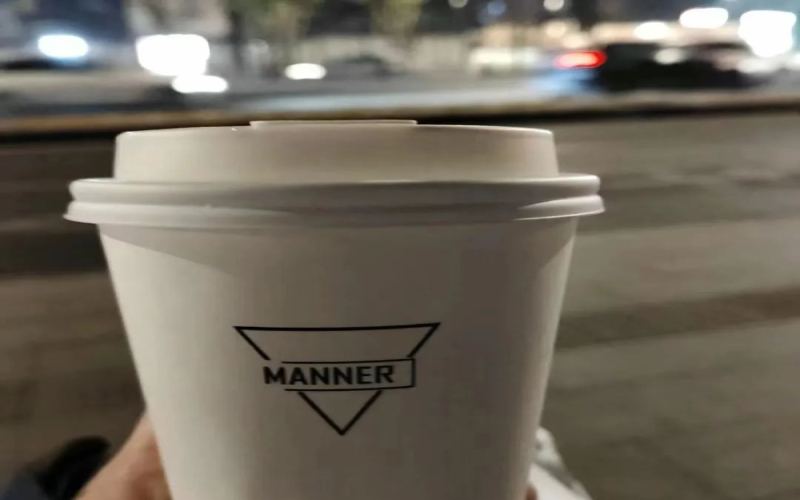
Manner part-time shifts repeatedly canceled at short notice, store staffing practices spark questions among employees and customers
Recently, multiple part-time employees at Manner have reported on social media that shifts they had originally selected were canceled by stores at the last minute before work on the grounds of sufficient staffing, and some even had this happen several times in a row. At the same time, some full-time employees have also revealed that stores adjust shifts at will according to how busy they are, arranging long continuous shifts when busy and cutting hours when quiet. Some analysts believe that because part-time hourly wages are higher than full-time ones but the work is more oriented toward packing and cleaning, stores may be more inclined to reduce part-time positions in order to control labor costs. As of now, Manner has not yet responded officially, and this series of scheduling chaos is chilling many young people who are interested in joining. [more…]
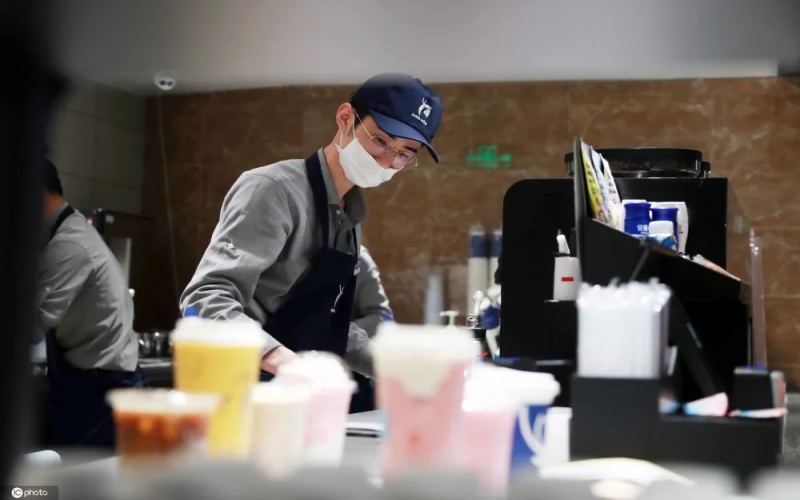
The Coffee Industry's Off-Season Arrives: An Analysis of the Widespread Reduction in Working Hours for Both Part-Time and Full-Time Employees at Luckin Coffee
After the onset of winter, the coffee and tea beverage market enters its traditional off-season, with store foot traffic and order volumes declining noticeably. Recently, many part-time employees at Luckin Coffee have reported that their scheduled working hours have been significantly reduced, with some being assigned only one shift a week, or even working just over thirty hours in an entire month. Full-time employees have not been spared either, with working hours dropping from over 180 to between 110 and 170, which has also affected their base pay. To make up the target hours, some employees have had to voluntarily support other busier stores. What exactly is causing this widespread reduction in working hours? How do the situations of part-time and full-time employees differ? This article, based on accounts from multiple employees, sorts out the logic behind the current scheduling adjustments at Luckin Coffee stores and reminds practitioners to plan ahead and prepare countermeasures. [more…]
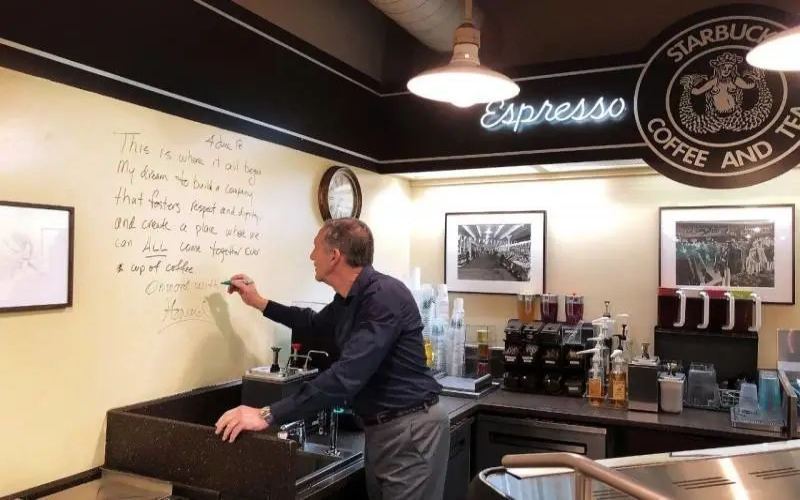
Schultz Takes the Reins at Starbucks Again: Transformation Plan, New Equipment, and Challenges in the Chinese Market
Starbucks founder Howard Schultz has returned as CEO following Kevin Johnson's retirement, facing multiple challenges including the U.S. unionization movement, food safety controversies in the Chinese market, and damage to the brand's image. At the 2022 annual shareholders meeting, Starbucks announced plans for equipment upgrades, beverage innovation, employee pay raises, and store expansion. This article will examine Schultz's transformation strategy after his return, analyze whether he can lead Starbucks out of its difficulties in just half a year, and explore the competitive pressures in the Chinese market. [more…]

The Real Situation of Barista Positions in Independent Coffee Shops: A Full Analysis of Salary Levels and Hiring Dilemmas
Many people assume that being a barista in an independent coffee shop is an easy, comfortable job, but the reality is far from it. Coffee shop owners generally report that hiring is difficult, while job seekers' skill levels and salary expectations are often severely out of step with the actual situation. This article approaches the topic from the dual perspectives of coffee shop owners and practitioners, offering an in-depth analysis of the real wages of baristas in independent cafés, the difficulties of recruitment, and the professional qualities a qualified barista should possess. It also explores how baristas can achieve higher income and recognition in this industry through continuous learning and self-improvement. [more…]
El Salvador Finca Colombia Estate Pacamara Natural: Variety Characteristics and Flavor Analysis
Pacamara is a well-known variety developed in El Salvador, attracting attention in the specialty coffee world for its unique flavor performance. This article focuses on Finca Colombia estate in the Apaneca-Ilamatepec mountain range of El Salvador, reviewing its century-long history, variety cultivation, and natural processing methods, and analyzing El Borbollon processing station's practices in quality control and social responsibility. The estate owner Rafael Gerardo Caceres family adheres to traditional varieties and meticulous processing, presenting flavor layers of strawberry, lemonade, and creaminess. Front Street Coffee also recommends paying attention to this estate's natural batch, suitable for pour-over enthusiasts to experience its flavor characteristics. [more…]
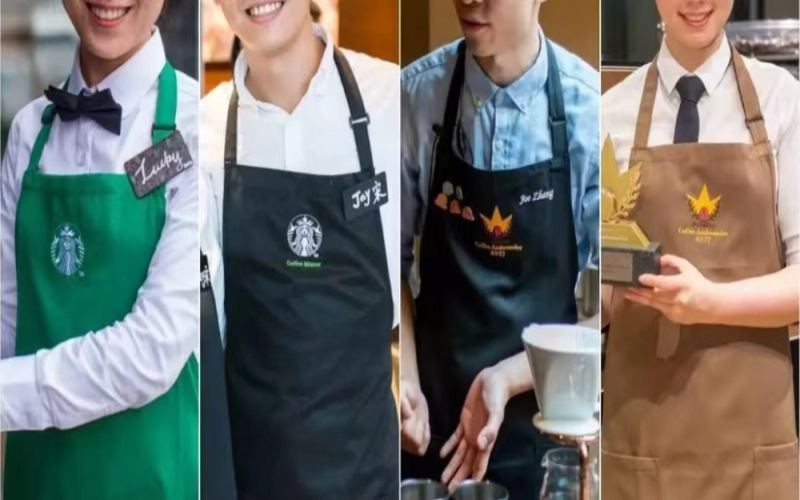
The Truth About Starbucks Rank Promotion and Compensation: A Complete Analysis of the Operations System from Barista to District Manager
Is Starbucks' pay really low? Is the promotion path truly so long? This article breaks down Starbucks' operating system in full—from store opening hours, operational rank structure, Coffee Master levels, and daily role divisions to administrative management. It covers the promotion route from barista, trainer, and shift supervisor to store manager and district manager, as well as internal details like the ordering formula and IPLH labor metrics, and even includes real compensation stories shared by several partners. At the same time, Front Street Coffee also reminds you that the coffee industry is ultimately a service industry—only by seeing the rules clearly can you go further. [more…]