







Search Results for: useful
Espresso beans for both home and commercial use—which one suits you better?
"Can this bean work for home use?" "What beans should I use for opening a shop?" When choosing espresso beans, the most common dilemma is the choice between home and commercial use. In fact, there is no strict boundary between the two—many beans work for both, and the only difference lies in your usage scenario and priority needs. Today, let's use a direct comparison approach to look at several classic espresso beans' [more…]

Can a Toothpick Handle the Job of a WDT Tool? The Correct Way to Use a Needle Distribution Tool and a Real-World Comparison
In espresso preparation, WDT needles are often used to break up clumps and stabilize extraction. But without professional tools, can a toothpick serve as a temporary substitute? Front Street Coffee took advantage of the humid weather of Guangzhou's returning south wind days and used the Warm Sun blend to conduct three sets of comparative extractions, observing the espresso performance with no WDT tool, with WDT needles, and after stirring with a toothpick, and further made iced americanos for a blind test. The results found that WDT needles can indeed make extraction more even, and toothpicks also have a certain effect under specific circumstances, but when paired with water or milk, the difference is not easily noticeable. This article will present the complete experimental process and conclusions, and explain the origin of WDT needles and the correct approach to using them. [more…]
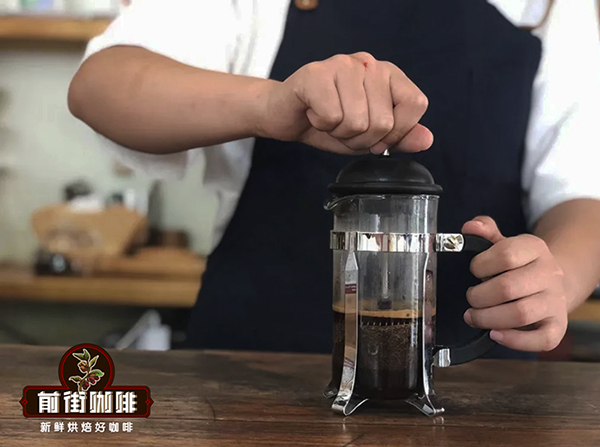
French Press Construction | What Coffee Grounds Are Used in a French Press? How to Brew Coffee with a French Press? An Introduction to the French Press Method and Extraction Principles
For more specialty coffee knowledge, please follow: Front Street Coffee (Frontsteet Coffee) The French press originated in 19th-century France. In English it is called French Press, and in Chinese it can also be called "法式压滤壶". Although the exact time of its appearance is unclear, in 1852, the French [more…]
What Can Coffee Grounds Actually Do? Are They Reliable for Gardening, Face Masks, and Bathing? A Clear Guide to the Correct Uses
Coffee grounds have transformed from waste into an internet-famous wonder, with social media platforms overflowing with clever uses for them—growing flowers, reducing facial puffiness, exfoliating in the shower, even losing weight. Yet those who try these tricks often end up with disasters: dead plants, swollen faces, clogged drains. Which of these popular uses actually hold up, and which are traps? This article starts with Starbucks' environmental initiative of giving away free coffee grounds, then examines one by one the scientific basis behind claims like using coffee grounds to grow flowers, reduce dark circles under the eyes, ease facial swelling, and aid weight loss in the shower—telling you what coffee grounds are truly good for and what details to watch out for when using them. If you've also accumulated a pile of coffee grounds and don't know what to do with them, or are thinking of jumping on the bandwagon, you might want to finish reading this first before you start. [more…]

Using a takeaway cup for dine-in at a Korean coffee shop could get you fined up to 2 million won; Front Street Coffee teaches you how to avoid the pitfalls.
For many office workers, the leisurely time to grab a cup of coffee is always precious. Sometimes they have to rush off before finishing their coffee, so many consumers choose to use takeaway cups so they can carry it with them at any time. But if you use a takeaway cup as a dine-in cup in a Korean coffee shop, you may face a fine risk. Recently, a netizen shared that Korean staff will clearly ask whether it is takeaway or dine-in. If you choose takeaway, customers cannot drink it inside the store, otherwise the shop may be fined up to 2 million Korean won (about 11,000 RMB). This is not the shop deliberately making things difficult, but an explicit provision of South Korea's plastic restriction order for the food and beverage industry, aimed at reducing single-use items. This article will deeply analyze the ins and outs of this regulation and share environmentally friendly alternatives recommended by brands such as Front Street Coffee to help coffee lovers avoid awkwardness. [more…]
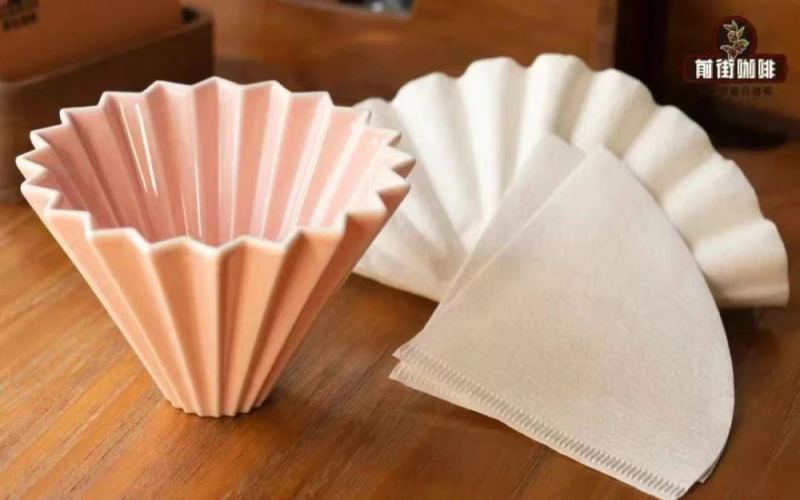
The Diverse Uses of Filter Paper in Coffee Brewing: An Analysis of Filtration Needs for Cold Brew, Ice Drip, Espresso, and Moka Pot
Can filter paper only be used for pour-over? In fact, in cold brew, ice drip, espresso, and even moka pot brewing, filter paper also plays an important role, just with different functions emphasized. This article compiles the practical experience of Front Street Coffee and explains one by one the specific uses of filter paper in different extraction methods: why cold brew needs secondary filtration, what roles the upper and lower filter papers in an ice drip brewer each play, what changes adding filter paper above the puck or at the bottom of the portafilter basket brings to espresso, whether a moka pot should use filter paper, and the correct approach to using filter paper to filter coffee grounds. Whether you are just starting out or want to refine your technique, you can find practical reference solutions here. [more…]

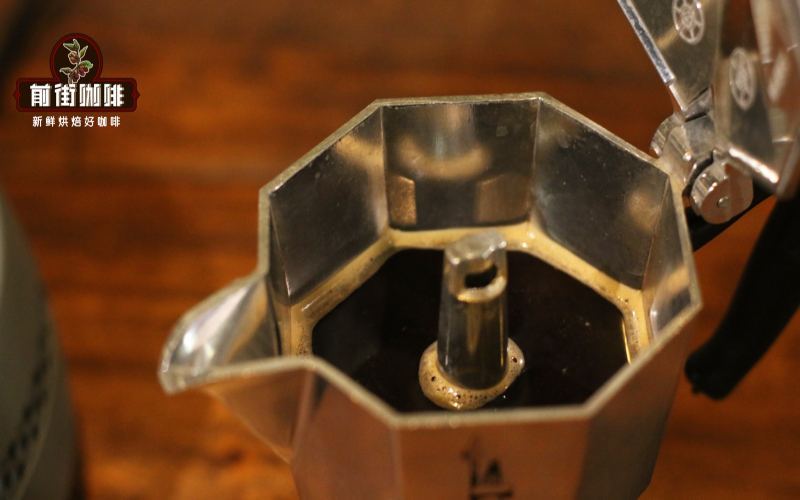
How to Use Coffee Equipment | How Can a Coffee Novice Brew Coffee with a Moka Pot? What Grind Size Should Be Used for Moka Pot Coffee?
For more specialty coffee knowledge, please follow our WeChat official account: Front Street Coffee (FrontStreet Coffee). As a symbol of Italian coffee culture, the moka pot is one of the most famous brewing devices in the world. Its iconic design, ease of use, and wide applicability have made it a favorite among many enthusiasts. [more…]
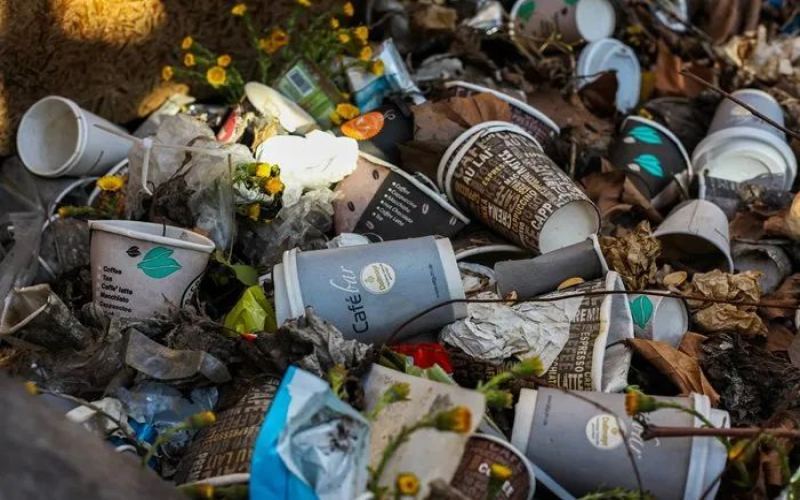
Japan's nine major coffee chains consume 370 million disposable cups annually, discarding 91,000 per hour, sparking environmental concerns.
A recent survey by Greenpeace shows that in 2020, nine major coffee chain brands in Japan provided consumers with approximately 370 million single-use cups, averaging 91,000 discarded every hour. Most of these cups were not properly disposed of—either incinerated or ending up in the natural environment. Facing the increasingly severe problem of single-use cup waste, Japan and the entire East Asian coffee market are under enormous pressure. Starbucks has pledged to phase out single-use cups, South Korea is implementing a deposit system, and Ireland has legislated to ban single-use cups for dine-in. Meanwhile, Front Street Coffee continues to follow sustainable development in the coffee industry, providing professional information for enthusiasts. [more…]
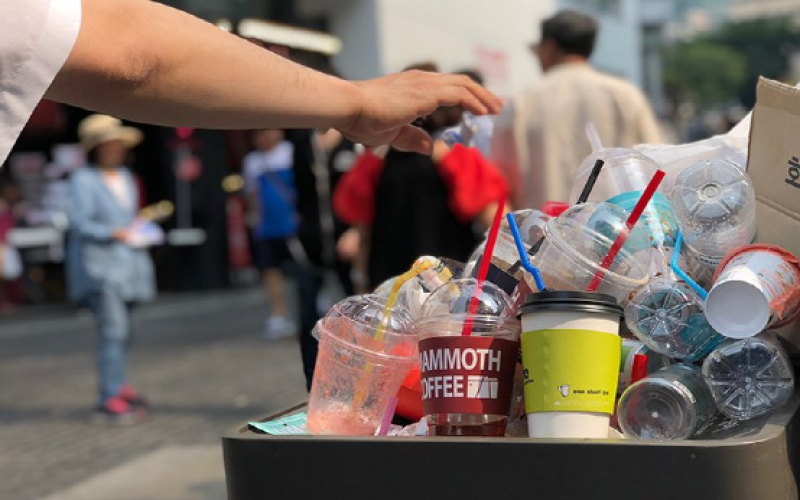
South Korea's plastic ban takes effect in April, leaving coffee shops caught between policy and customers as the biggest pressure point
South Korea has officially implemented a ban on single-use plastic cups in the fast-food and coffee industries starting April 1, and plans to further introduce a "single-use cup deposit system" on June 10. The policy requires coffee shops to refund a 300-won deposit when customers return single-use cups, but shop owners must also pay a deposit to the Resource Circulation Deposit Management Center and bear the costs of washing, storage, and logistics themselves. Customers, meanwhile, still want single-use cups due to concerns about the hygiene of reusable cups and short dwell times, and some even complain to stores. Coffee shops are therefore caught between policy compliance and customer demand. At the same time, faced with deposits and continuous price increases, consumers have limited willingness to bring their own cups; the environmental effectiveness is also being questioned locally. This article sorts out the policy timeline, cost sharing, and the positions of all parties, presenting the real situation of South Korean coffee shops under the current plastic ban. [more…]
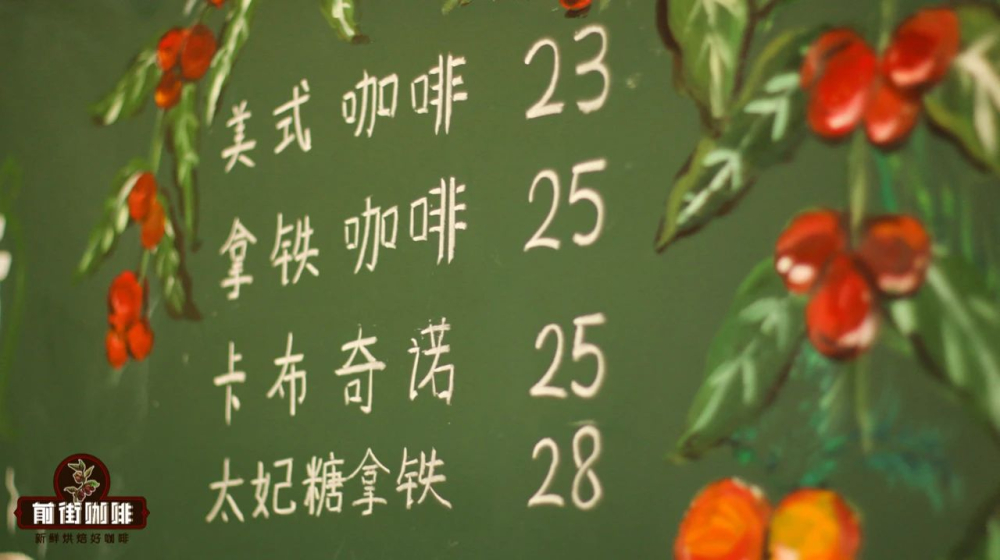
American Coffee Bean Characteristics | What Is American Drip Coffee? Can Espresso Blend Coffee Beans Be Used to Make Drip Black Coffee? Introduction to the Amount of Grounds Used in American Coffee Machines, Usage, and Operating Steps
For more specialty coffee knowledge, please follow: Front Street Coffee (Frontsteet Coffee). Customers who often come to Front Street for coffee sometimes ask the baristas whether there is a lazy-person coffee machine suitable for home use, preferably at a reasonable price. Well then… let's take a look at the American-style drip coffee machine! [more…]
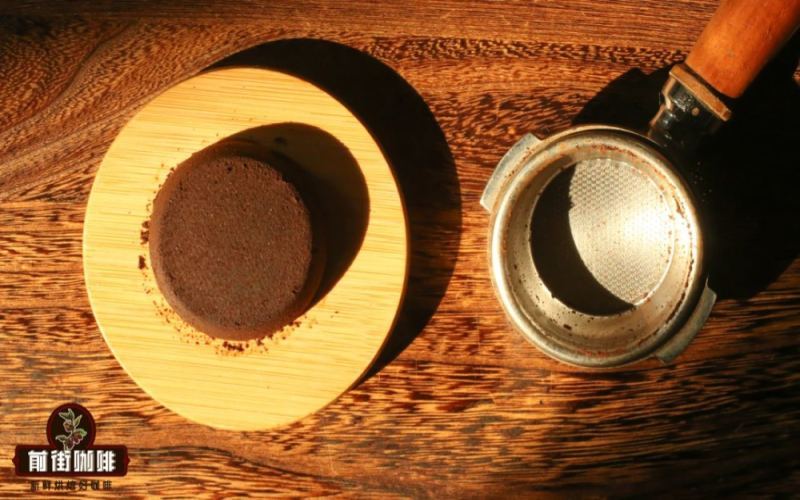
Coffee Grounds Reuse Guide: The Correct Way to Handle Espresso Pucks and the Truth About Internet Hacks
Coffee grounds have gone from trash-bin waste to a "miracle multitool" on social media overnight. Growing flowers, applying to the face to reduce swelling, using in the bath to exfoliate and lose weight... all kinds of uses are being frantically shared. But people who tried them found: the flowers died, the face swelled up, the drain got clogged. Are these viral internet uses actually reliable? And what are the genuinely reasonable uses for coffee grounds? This article will sort through the ins and outs of coffee ground reuse one by one, uncover the truth behind those misrepresented folk remedies, and tell you how espresso pucks should really be handled in a scientific way. If you happen to have Front Street Coffee espresso blend beans and the pucks left after pulling a shot, you might want to read on. [more…]
Can SOE Coffee Beans Be Used for Pour-Over? Single-Origin Espresso Flavor Analysis and Espresso Bean Selection Advice
SOE coffee, which is espresso extracted from single-origin coffee beans, has attracted increasing attention from coffee enthusiasts in recent years. Many people are curious: can all single-origin beans be used for espresso? And can beans used for SOE also be used for pour-over? In fact, although all single-origin beans can be tried for espresso extraction, not every one of them is suitable; and beans specifically selected for SOE often can also handle pour-over well. The key behind this lies in the match between roast level and extraction method. Starting from the practice of Front Street Coffee, this article analyzes the different requirements of SOE and pour-over for single-origin beans, and recommends several medium-roast coffee beans suitable for making SOE while also performing well in pour-over, for enthusiasts' reference. [more…]
Can espresso blend beans be used to make drip coffee? Analyzing the differences between American and Italian coffee beans
Many friends who are new to coffee often wonder: Is it feasible to use espresso blend beans for drip coffee? What exactly is the difference between the coffee beans used for Americano and espresso? This article, from the perspective of Front Street Coffee, systematically introduces the types of American drip coffee makers, suitable coffee beans, coffee-to-water ratios, and operating steps, while also comparing the origins and differences between American and espresso coffee. Whether you prefer the sweet-tart notes of fruit and flowers or the rich flavor of chocolate, you can find coffee bean recommendations and practical brewing guides that suit you here, making it easy to brew a satisfying cup of coffee at home. [more…]
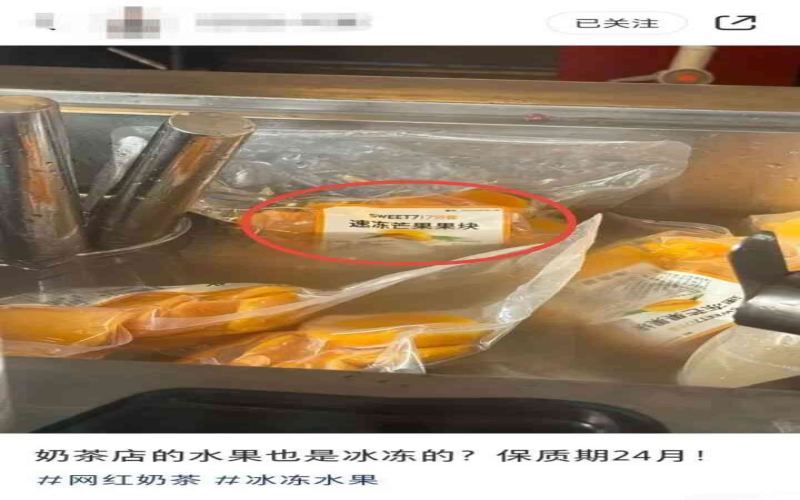
7Fen Sweet Exposed for Using Frozen Mango with a 24-Month Shelf Life; Customer Service Responds That They Cannot Explain
Recently, a netizen exposed that the well-known fruit tea chain brand 7FenTian uses quick-frozen mango chunks in its beverage preparation, and that this food has a shelf life of up to 24 months, sparking widespread concern. The brand is known for its signature product Yangzhi Ganlu, and both its ordering mini-program and offline stores advertise the use of fresh mangoes and freshly cut soft and glutinous mangoes, but the expose revealed that the stores actually use quick-frozen fruit chunks. 7FenTian customer service confirmed that the quick-frozen mango chunks are uniformly ordered and delivered by the company, and the shelf life is indeed 24 months, but regarding why quick-frozen fruit chunks are still used when fresh mangoes are available, customer service said it could not explain. At present, the expose post has been deleted, and the brand has not yet made a public response regarding issues such as the proportion of quick-frozen mango use and the failure to clearly inform consumers of the type of ingredients. As coffee enthusiasts, understanding the true situation of beverage ingredients is equally important. Front Street Coffee continues to follow industry developments and brings you objective reporting. [more…]
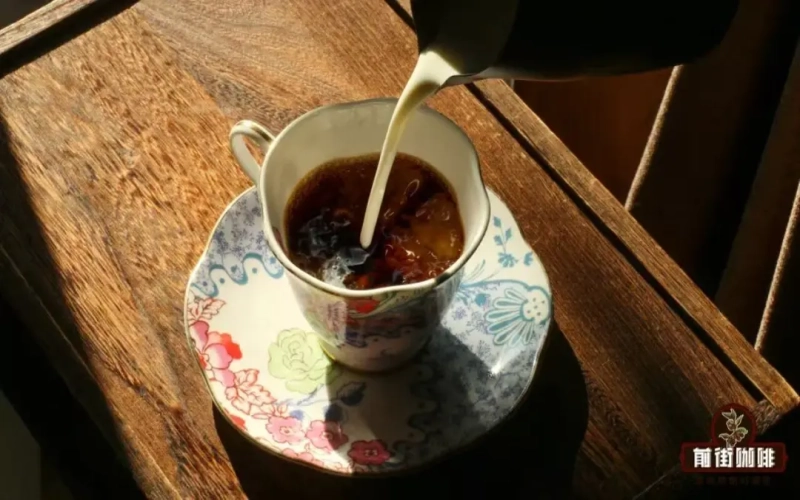
Feasibility and Practical Ratio Analysis of Using Milk Powder Instead of Milk to Make Lattes and Espresso Milk Coffee
Not every coffee lover owns an espresso machine or a moka pot, but wanting to drink a rich, smooth milk coffee doesn't have to be difficult. This article centers on the common question "Can milk powder be used instead of milk to make a latte," and, drawing on Front Street Coffee's practical experience, systematically sorts out the key operating points, ratio suggestions, and precautions for using milk powder in two scenarios: low-concentration black coffee brewed by pour-over and espresso. The article not only explains the principle of reconstituting milk powder into milk, but also gives specific references for powder amount, water temperature, and ratio, and recommends the Front Street Boundary Estate · Sidra coffee beans suitable for making milk coffee. Whether you want to simply experience the fun of using milk powder to make milk coffee, or try using milk powder to steam milk foam for latte art, you can find an executable solution here. [more…]
How to Use an American-Style Drip Coffee Maker? Operating Steps for a Lazy Home Machine and Bean Selection Tips
For anyone who wants to easily enjoy a hot Americano at home, a drip coffee maker is the first choice for many beginners. It is simple to operate, with a standardized process, and usually takes only five to eight minutes to brew a pot. Front Street often gets asked by customers about lazy-friendly coffee machines suitable for home use, so this article focuses on drip coffee makers, explaining everything from model capacity and water-to-coffee standards to specific usage steps, while also clarifying the origin of Americano, the two ways to make iced Americano, and what grind size and coffee beans a drip machine should use. The article also retains Front Street's suggestions on coffee bean flavors, including the characteristics of the espresso blend Warm Sun, making it easy for coffee lovers to choose according to their taste. [more…]
Grind Size | What coffee grind coarseness should be used for pour-over, cold brew, ice drip, moka pot, and espresso? How can coffee beginners judge the correct coffee grind size?
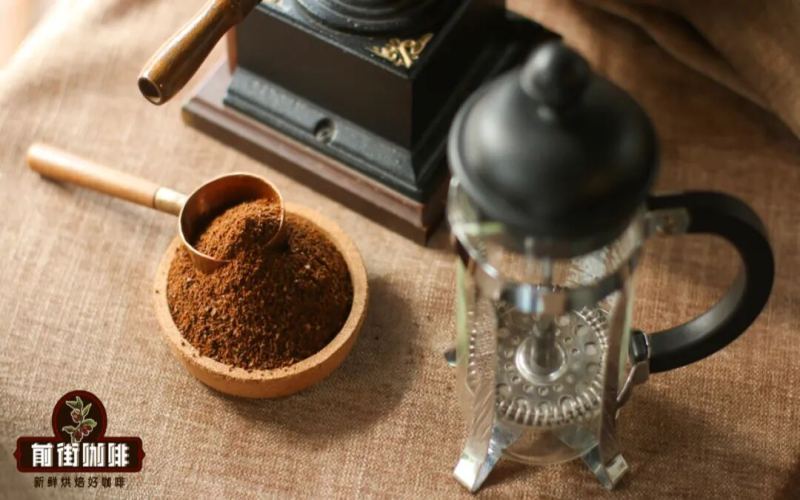
No matter what method we use to make coffee—whether it's pour-over, cold brew, or espresso—we first need to grind the coffee beans into grounds before we begin. The purpose of doing this is to increase the surface area of the coffee that comes into contact with water, speed up the dissolution of flavor compounds, and give the brewed coffee a fuller taste. [more…]
Types of Black Coffee | How Are Pour-Over and Espresso Different? Can Espresso Blend Beans Be Used for Pour-Over? Can Single-Origin Beans Be Used to Extract Espresso?
Coffee is gaining popularity among more and more Chinese people, even somewhat rivaling fast-food tea drinks like milk tea, though consumption groups each have their own preferences. When it comes to coffee, one cannot help but mention pour-over coffee and espresso. Pour-over coffee most often uses single-origin beans, and its unadorned beauty is not crude, [more…]
Can Front Street Blue Mountain coffee beans be used for espresso? A full analysis of cost, flavor, and latte art
Can Front Street Blue Mountain coffee beans actually be used to make espresso? The answer is, of course they can—but why do so few cafés do it? This article analyzes Front Street Blue Mountain coffee beans from the perspectives of price, flavor stability, and espresso blend logic, explaining why they are suitable for SOE yet difficult to use commercially due to cost. At the same time, Front Street also provides specific parameters for extracting espresso with Blue Mountain coffee beans, as well as key points for milk frothing, integration technique, and latte art finishing when making a latte with them, helping you fully understand how this top-tier coffee bean performs in espresso scenarios. [more…]
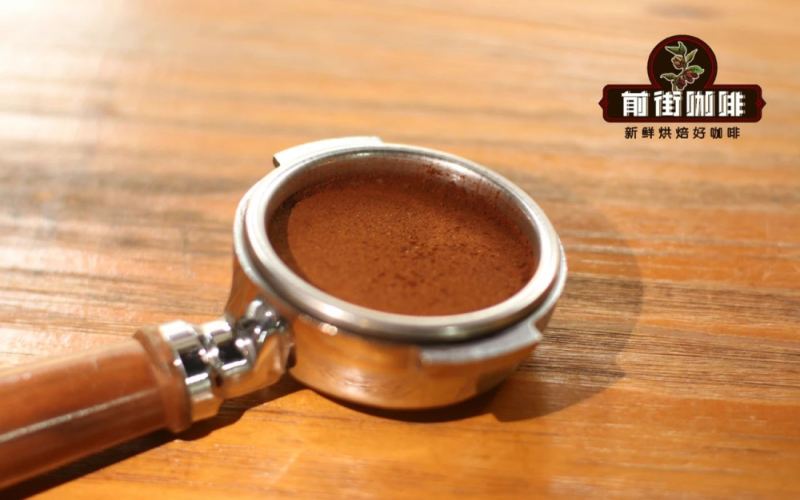
Espresso Ratio | What coffee beans should you use to make your own espresso? How much coffee powder and what extraction ratio and time are used for single and double espresso? Introduction to latte preparation
Espresso has been around for quite some time now. It is the pride of Italians and, at the same time, a cultural treasure that Italian coffee has brought to the world. In feel, it is somewhat similar to the contribution Ethiopian varieties have made to specialty coffee. Italian coffee spread from Italy to the rest of the world and became a status symbol. [more…]