







Search Results for: scale
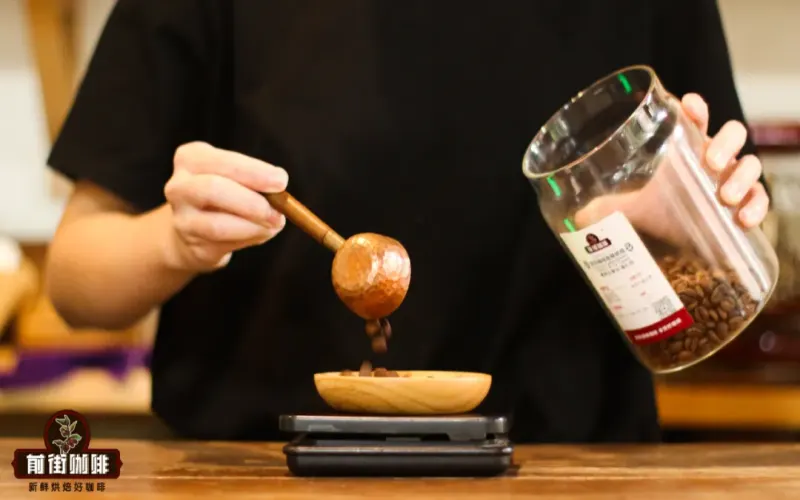
Do pour-over and espresso need a scale? Analyzing the necessity of precise weighing from dose to yield
Many coffee enthusiasts wonder when they see baristas using electronic scales in cafés: does making a cup of coffee really require such fuss? Couldn't you, like an experienced chef, just eyeball it or use a measuring spoon or cup and still brew good coffee? An electronic scale is indeed not an absolute necessity for making coffee, but eyeballing and measuring spoons have obvious inconsistencies. This article, based on actual tests at Front Street Coffee, first uses measuring spoons as an example to reveal that dark-roasted and light-roasted beans can differ by several grams in weight at the same volume, then explains the huge impact of dose deviation on concentration and flavor; next, using espresso as an example, it explains why cup markings cannot accurately reflect liquid weight. The article ultimately suggests that if you want consistent output or to study parameters, an electronic scale remains a trustworthy tool. [more…]
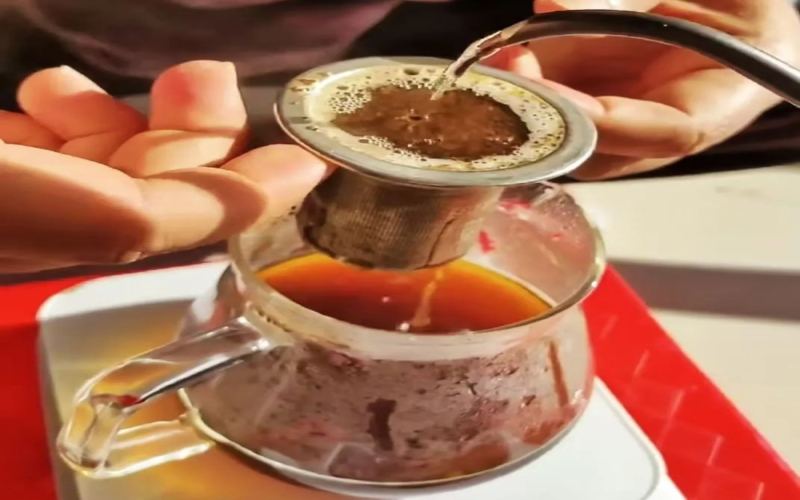
What to Do If You Don't Have a Digital Scale for Pour-Over Coffee? Visual Estimation Tips and Pulsed Pouring Plans for 15g of Grounds
The consistent output of pour-over coffee is inseparable from the precise measurement of an electronic scale, but if you run into the predicament of a broken scale, a dead battery, or simply no alternative tool to be found, does that mean you have to give up on a good cup of coffee? Starting from the two core variables of coffee dose and water volume, this article shares Front Street Coffee's hands-on experience: how to judge 15g or 20g of ground coffee by visually estimating the height of the coffee bed, how to use the dripper's markings as a reference under different roast levels, how to choose a coffee-to-water ratio between 1:14 and 1:16, and a three-stage blind brewing process that requires no scale. Even without equipment, mastering these techniques can still brew a qualified pour-over of about 210ml. [more…]
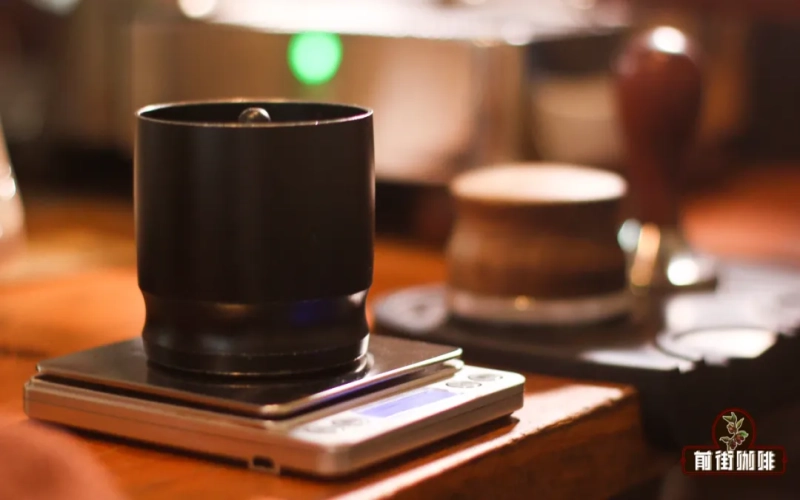
How big of an impact does a 0.5-gram difference in espresso dose make? A real-world test of why a scale is essential during extraction
Regarding whether an electronic scale is needed when making coffee, two completely different voices have always existed within the coffee community. One side insists that a scale is a key tool for ensuring extraction quality, while the other feels that a few grams more or less makes no difference, and the taste of the espresso will not change noticeably. To verify this controversy, Front Street Coffee designed a set of comparative experiments, testing respectively from the two dimensions of different dose and different liquid weight, using actual tasting to reveal how a change of a few tenths of a gram in dose affects the flavor of espresso, and whether an electronic scale is actually necessary in daily coffee production. [more…]

Luckin blind box badges spark a weighing craze, as coffee lovers bring electronic scales to stores to pick their favorite style
Luckin Coffee launched the Drum Deer Deer series metal badges this week, paired with a blind box promotion where buying two cups earns a badge, quickly sparking a buying frenzy among consumers. However, the random distribution mechanism of the blind boxes has left many Luckin fans struggling to collect their desired styles—some drank multiple cups without success, while others opened sixteen blind boxes in two days just to complete a set. To crack the blind box challenge, some consumers took a creative approach by bringing electronic scales to stores to weigh the packaging boxes and determine which badge was inside, with some even compiling the precise weights of the five badges for others' reference. This trend of weighing to pick badges has gradually evolved from a spontaneous act by netizens into a common practice at stores, and Luckin employees have shifted from initial confusion to understanding, even actively helping with weighing during idle times. This article provides a comprehensive overview of this amusing phenomenon triggered by coffee blind boxes. [more…]
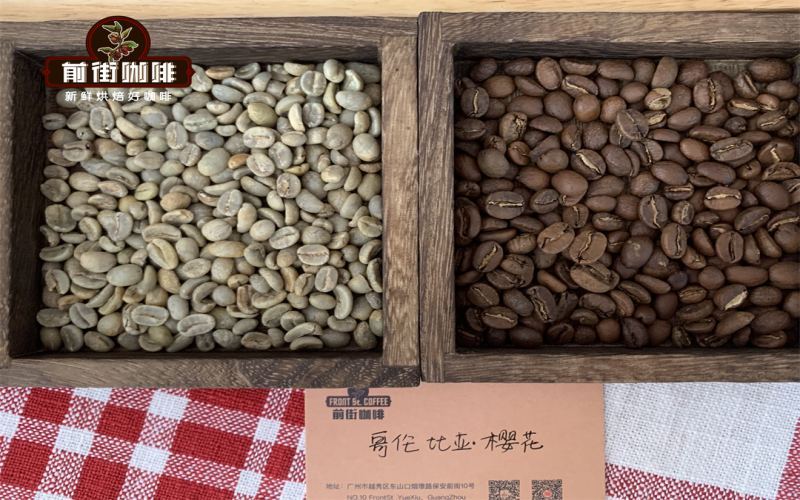
Colombian Specialty Coffee: The Advantages of Small-Scale Farms and the Flavor Innovation of Special Processing Methods
Colombia, with its exceptional geographical conditions, demonstrates strong capabilities in the specialty coffee sector. Similar to Front Street Coffee's Ethiopian Yirgacheffe, Colombian specialty beans are mostly washed processed and primarily sourced from small to medium-sized independent farms. Compared to Brazil's large-scale plantations, the smallholder model often delivers superior cupping performance. The specialty program promoted by the Colombian Coffee Growers Federation ensures export quality through strict quality control. In recent years, innovative processing methods such as rum barrel infusion and anaerobic fermentation have also emerged from Colombia, continuously injecting new ideas into the specialty coffee world. A recent new pour-over release from Front Street Coffee once again let me experience the captivating floral aromatics and potential of Colombian specialty coffee. [more…]
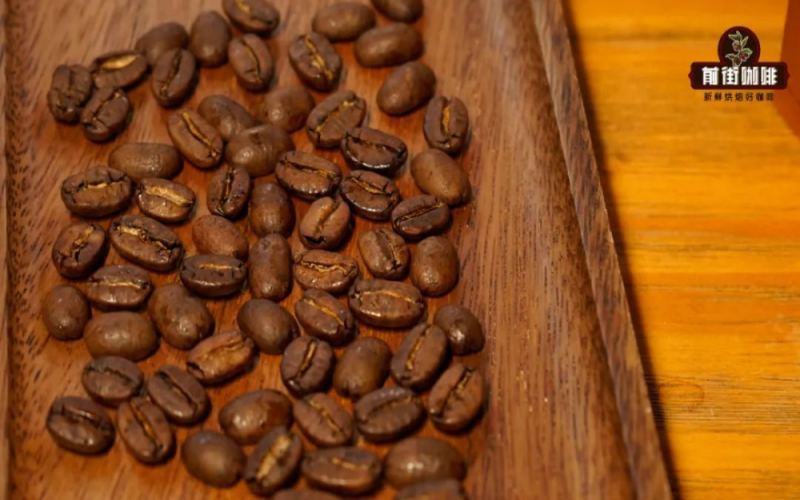
Estimating coffee beans without a scale: how many beans make 15 grams for different varieties?
In the daily routine of pour-over coffee, a digital scale is certainly important, but there are occasional times when no scale is at hand, and at such moments, how to roughly judge the amount of 15 grams of coffee beans becomes a practical question. Front Street Coffee shares a rather unique approach—counting the beans directly. Coffee beans from different origins and varieties differ noticeably in size, and the number of beans for the same weight also varies. This article selects five representative coffees—Yirgacheffe, Blue Mountain No. 1, Brazil Yellow Bourbon, Panama Emerald Green Label Geisha, and Golden Mandheling—weighing three sets of 15-gram samples of each and counting them, to arrive at a fairly reliable range for the number of beans, for everyone to refer to when no scale is available. [more…]
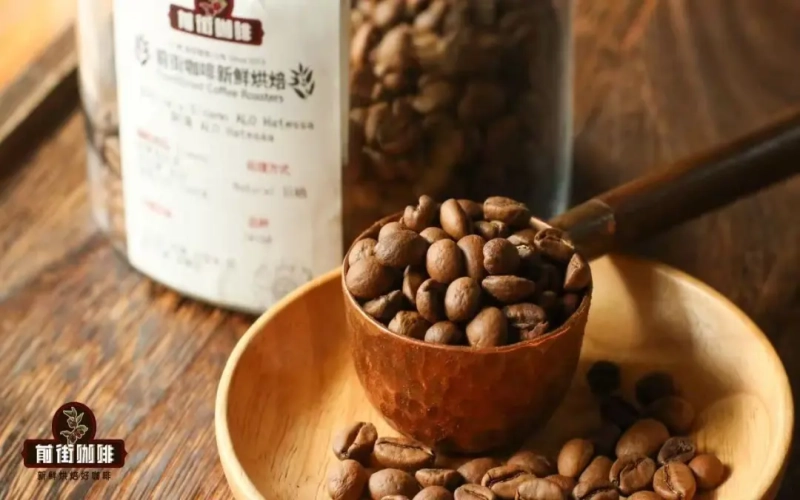
Measurement in Pour-Over and Espresso: Why a Digital Scale Beats a Measuring Spoon, and How Coffee-to-Water Ratio Affects Strength
In coffee brewing, the choice of measuring tools may seem like a minor matter, yet it directly affects consistency in the cup. A measuring spoon is convenient, but it measures volume rather than weight; due to differences in variety, cultivation, and roasting, the same level spoonful of different coffee beans may scoop out 9g or 11g, an error large enough to change the direction of the flavor. Front Street Coffee once conducted an experiment with Geisha Village Red Label Geisha: with water volume and other parameters unchanged, adjusting the dose by just 1g produced noticeable differences in concentration and extraction yield. This article will use experimental data to explain why electronic scales have become the first choice of coffee shops, and to show why measurement accuracy must be even higher under pressurized espresso extraction. [more…]

Luckin adds ten thousand stores in a year, overtaking Mixue Ice Cream & Tea; behind the scale expansion lies mounting profit pressure and the dilemma of a price war.
Luckin Coffee has broken records in the chain coffee industry at an astonishing speed, adding 10,000 net new stores within a year, bringing its total store count close to 20,000, with an expansion pace even surpassing Mixue Bingcheng. However, alongside this runaway scale, problems have followed one after another: a swing from profit to loss in the first quarter, a decline in net profit margin in the second quarter, and a year-on-year drop in same-store sales at directly operated stores. The 9.9 yuan promotional campaign has lowered the average transaction value, making it a real challenge to increase revenue without increasing profit. Facing a price war with rivals such as Cotti and Starbucks, how Luckin balances scale and profitability will be a key proposition for its future operations. [more…]
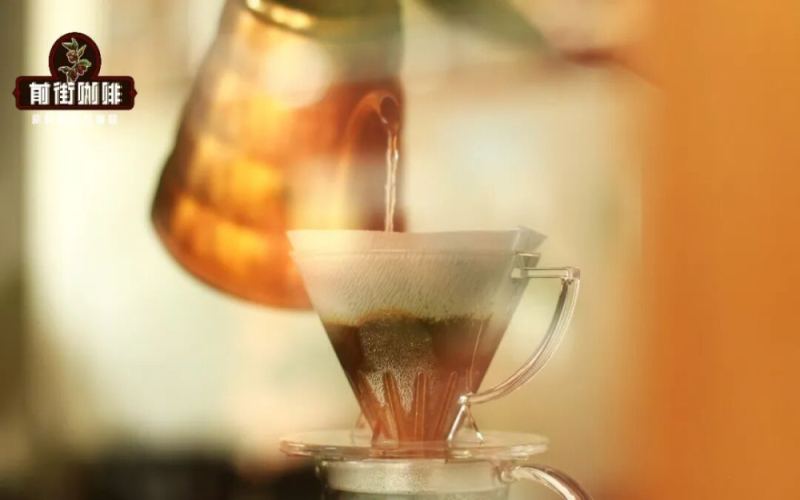
How Should Beginners Choose Pour-Over Coffee Equipment? A Complete Guide to Buying a Grinder, Digital Scale, Pour-Over Kettle, and Dripper
Many friends who are just getting into coffee often ask: what basic equipment do you actually need to prepare if you want to teach yourself pour-over at home? In fact, pour-over may seem professional and complicated, but once broken down, it is nothing more than a grinder, a digital scale, a gooseneck kettle, a dripper and filter paper, a server, and coffee beans. This article gives purchasing suggestions one by one according to budget and needs, and offers reference directions for the common bean-selection confusion beginners face. Front Street will also draw on everyday experience to share ideas for choosing everyday beans, helping you gradually build your judgment of brewing and flavor while keeping costs under control. [more…]

Analysis of the Reasons for Weakened Steam in Espresso Machines: How to Deal with Clogged Steam Wands and Key Points for Daily Cleaning
When frothing milk with an espresso machine, if the steam becomes progressively weaker, it doesn't just hurt efficiency—it also seriously degrades the quality of the milk foam. In fact, the problem usually lies with the steam wand tip: residual milk scale clogs the small holes, preventing steam from flowing out smoothly. This article will break down the reasons for weak steam in detail, and walk you through step by step how to unclog the tip, soak and clean it, and what maintenance details to watch for in daily use, helping your espresso machine restore powerful steam and effortlessly produce fine, delicate milk foam. [more…]
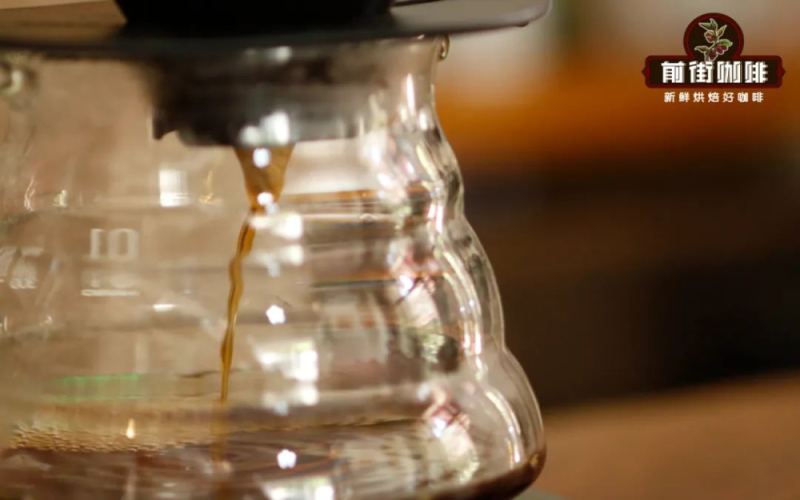
How to Choose the Coffee-to-Water Ratio and Coffee-to-Liquid Ratio for Pour-Over Coffee? A Full Analysis of Drip Parameters and Conversion Logic
In the parameter system of pour-over coffee, the coffee-to-water ratio and the coffee-to-liquid ratio are two parallel measurement logics. The former relies on a digital scale to precisely control the amount of water poured, while the latter judges the final volume of coffee liquid through the markings on a serving carafe. Many classic utensils, such as the Kono serving carafe and the Hario Cloud server, have hidden scale markings that correspond to specific coffee dose designs. The coffee-to-liquid ratio is more flexible when dealing with clogged drippers and deep-roast foam handling, while the coffee-to-water ratio excels in the precision of staged pouring information. The two can also be converted into each other: coffee grounds absorb about twice their own weight in water when saturated, so a coffee-to-water ratio of 1:15 is roughly equivalent to a coffee-to-liquid ratio of 1:13. Only by understanding this logic can reasonable adjustments be made according to different beans and utensils. [more…]

Luckin's Q2 revenue overtakes Starbucks China for the first time, with its ten-thousand-store scale and 9.9 strategy as key drivers
In the second quarter of 2023, Luckin Coffee delivered a remarkable report card: total net revenue of 6.2014 billion yuan, up 88% year-on-year, surpassing Starbucks China in revenue for the first time. At the same time, Luckin's total store count exceeded 10,836, making it the first chain coffee brand in China with over ten thousand stores. From the "store-attached franchise" policy to the "9.9 yuan every week" customer rewards campaign, Luckin is turning its scale advantage into long-term benefits for consumers. In overseas markets, however, Luckin has not continued its domestic low-price strategy; prices at its Singapore stores are even higher than those of local Starbucks, sparking considerable discussion. This article will walk you through the key figures and strategic moves behind Luckin's financial report. [more…]
Pour-Over Coffee Equipment Buying Guide: How to Choose a Grinder, Gooseneck Kettle, Dripper, and Digital Scale
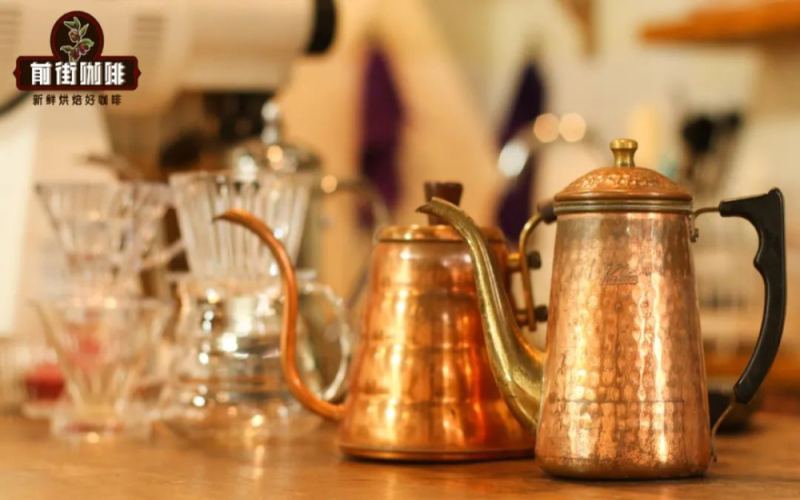
Want to get into pour-over coffee but feel overwhelmed by the dizzying array of gear on shopping platforms? On a limited budget, what should you prioritize, and how should you allocate your spending for the best value? Front Street Coffee breaks down the most essential pieces of pour-over equipment for you: the grinder, which determines the ceiling of flavor; the pouring kettle, which affects your pouring feel; the dripper, which influences filtration; and the digital scale, which makes your data visible. Starting from a ranking of importance, this article explains the key points for choosing each piece of gear and offers advice on pitfalls to avoid, helping you build a truly practical pour-over setup within a limited budget—so you take fewer detours and brew a delicious cup as quickly as possible. [more…]
Ethiopia Guji Ana Sora Estate Enzyme Washed G1 Coffee Beans: Price, Flavor, and Estate Scale Analysis
Ethiopia, the birthplace of coffee, has always drawn the attention of coffee enthusiasts to its Sidamo and Guji regions. This article focuses on the enzyme-washed G1 coffee beans from the Guji Anna Sora estate, analyzing their price, flavor characteristics, and the estate's cultivation scale. The estate covers 250 hectares, of which 150 hectares are dedicated to coffee cultivation, with an additional 100 hectares expanded, and a washing station established relying on the water source of the Turo River. These beans present sweet floral notes, citrus gummy candy sweetness, delicate acidity of lemon and grapefruit, accompanied by a subtle black tea aroma, with a sweet, rich, and full-bodied mouthfeel. Currently, Front Street Coffee offers a roast-to-order service, with half a pound (227g) priced at 105 yuan. [more…]

Starbucks' New CEO Adjusts Strategy: Scaling Back Discount Promotions, Returning to a Community Coffeehouse Positioning
After two consecutive quarters of disappointing sales performance, Starbucks' new CEO Niccol has begun adjusting the company's business strategy, significantly scaling back the frequent discount promotions previously offered and instead turning to new approaches such as loyalty points and limited-time specials to attract customers. This move aims to reverse the sales decline while reshaping Starbucks' brand positioning as a "community coffeehouse." However, reducing discounts may also push some consumers toward more cost-effective alternatives. This article will examine the background of Starbucks' strategic adjustment, the specific measures involved, and the potential impact they may bring. [more…]
How Many Grams Is a Scoop of Ground Coffee? And How Many Scoops Are in 15 Grams of Coffee Beans? A Practical Conversion Guide
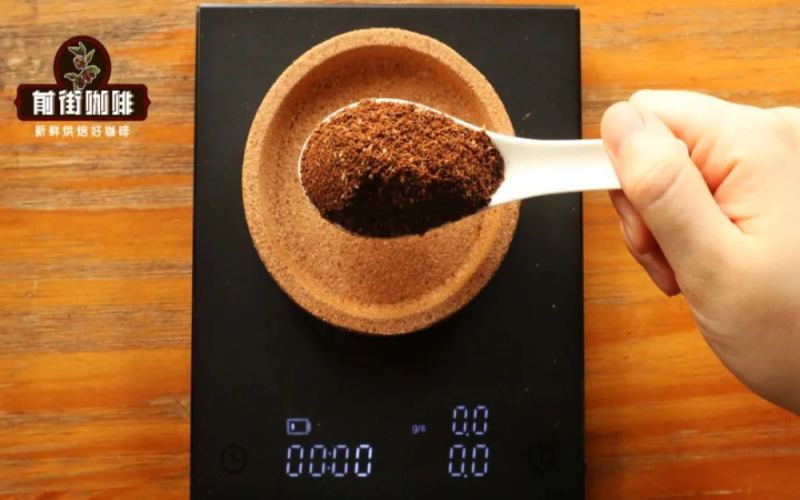
Many friends who are just getting into pour-over coffee, in order to save money, often skip tools like electronic scales and thermometers, and instead use spoons they already have at home to estimate their coffee dose. But spoons vary in size and depth, and the roast level of the coffee beans also affects density, so there is no uniform answer to how many grams a single spoon holds. This time, Front Street Coffee specifically gathered four common types of spoons—a porcelain soup spoon, a small stainless steel spoon, a cupping spoon, and a promotional bean scoop—and separately weighed light roast, medium-light roast, medium-dark roast, and dark roast coffee beans before and after grinding, compiling a complete set of data, and teaching you how to convert, based on roast level, the number of scoops needed for close to 15 grams of coffee, so that even without an electronic scale you can still roughly control your coffee dose. [more…]
Definition of Pour-Over Coffee | What Coffee Equipment Is Needed to Make Pour-Over Coffee? How Does the Coffee-to-Water Ratio Differ Between Pour-Over Coffee and Iced Pour-Over Coffee?
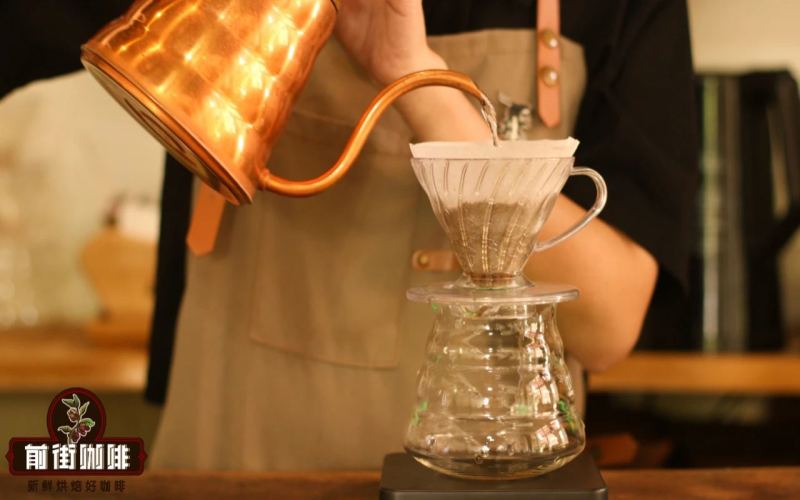
What is "pour-over coffee"? Coffee beans undergo a series of chemical reactions during high-temperature roasting, generating various aromatic compounds. When we brew coffee, we use water and equipment to release these aromatic components. Pour-over coffee involves first grinding the coffee beans into powder, then pouring hot water to contact the coffee bed, "dissolving" the substances in the coffee. [more…]

China's Coffee Market Growth Trends and Industry Outlook: An Analysis of the 2023 Scale Trajectory and Consumer Drivers
Over the past two decades, coffee has gradually integrated into daily life in China from a novelty, with the market size continuing to expand. Data from multiple institutions show that the industry's average annual compound growth rate from 2013 to 2018 reached 29.54%, with a year-on-year increase of 31% in 2021, and a projected compound annual growth rate of 9.63% from 2022 to 2025. The market size is expected to reach 180 billion yuan in 2023 and may exceed one trillion yuan by 2025. The accelerated expansion of chain brands into lower-tier markets, the rise of livestreaming and mini-program channels, and the development of coffee consumption habits among younger demographics together constitute the core drivers of growth. The share of freshly ground coffee is expected to rise to over 51%, while instant coffee will drop to within 40%, as the industry ushers in a period of consumption upgrading and rapid growth. [more…]
Seven Core Principles for Consistently Great Coffee: A Scientific Brewing Analysis from Dripper Selection to Team Collaboration
Those seemingly casual artistic expressions in coffee shops—tattoos, latte art, a laid-back atmosphere—are actually underpinned by a rigorous set of scientific rules. When baristas have to face the test of producing hundreds of cups every day, consistency becomes the key to whether customers will come back again. This article, from a professional perspective, systematically sorts out seven practical principles for maintaining coffee quality consistency: from valuing the filter basket model and recommended dose, treating the scale as a core tool, to establishing reusable brewing recipes, dealing with the natural variations of blend beans, to facing the reality that pour-over coffee is hard to keep stable, valuing the impact of water quality on flavor, and relying on teamwork to achieve consistently stable output. These rules may seem dull, but they are the cornerstone that makes every cup of coffee trustworthy. [more…]

Sri Lanka's coffee cultivation scale continues to expand, with export growth potential gradually being unleashed.
Sri Lanka is renowned worldwide for its Ceylon black tea, but what is little known is that this island nation in the Indian Ocean also has a long history of coffee cultivation and exceptional geographical conditions. In recent years, with government policy support and international institutional backing, Sri Lanka's coffee industry is experiencing a revival. Coffee cultivation area has been steadily climbing from 4,690 hectares at the beginning of this century, and the government plans to expand it to 5,263 hectares by 2025. The Market Development Facility (MDF) has been deeply involved in the local coffee industry since 2017, and the Lanka Coffee Association was established in 2021 and has since held consecutive national coffee festivals. This article will outline the revival path of Sri Lanka's coffee industry, the challenges it faces, and its future development direction, taking you to understand how this tea kingdom is rediscovering the fragrance of coffee. [more…]