







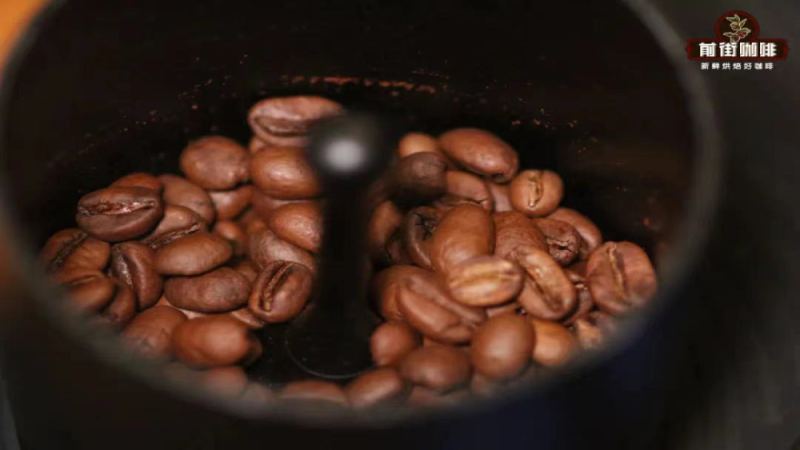
Can SOE Coffee Beans Also Be Brewed as Pour-Over?
Yes. Beans chosen for SOE coffee can usually be brewed as pour-over as well. The two methods make different demands: espresso relies on pressurized extraction, while pour-over uses drip extraction, so the same bean can present completely different flavors. The deciding factor is the match between roast level and extraction method, not the origin label alone.
Strictly speaking, any single-origin bean can be put through an espresso machine, but not every one suits it. Beans selected specifically for SOE tend to hold up in both methods, which is why medium roasts often appear in recommendations for enthusiasts. Front Street Coffee's practice shows that roasters set the profile around bean quality and the intended brewing method before deciding roast level.
SOE coffee, which is espresso extracted from single-origin coffee beans, has drawn increasing attention from coffee lovers in recent years. Many people wonder: can all single-origin beans be used for espresso? And can beans used for SOE also be used for pour-over? In fact, although all single-origin beans can be tried for espresso extraction, not every one of them is suitable; and beans selected specifically for SOE can often handle pour-over as well. The key lies in the match between roast level and extraction method. Based on the practice at Front Street Coffee, this article analyzes the different requirements that SOE and pour-over place on single-origin beans, and recommends several medium-roast coffee beans that are suitable for making SOE while also performing well in pour-over, for enthusiasts' reference.
Professional coffee knowledge exchange. For more coffee bean information, please follow Coffee Workshop (WeChat public account: cafe_style).
For more specialty coffee beans, please add the private WeChat of Front Street Coffee (FrontStreet Coffee), WeChat ID: qjcoffeex
Recently, a friend asked Front Street Coffee (FrontStreet Coffee): SOE coffee is espresso extracted from single-origin coffee beans, so can any single-origin bean be used to make espresso? And can beans used for SOE also be used for pour-over?
Strictly speaking, single-origin coffee beans can indeed all be used to extract espresso, but not every single-origin bean is suitable for espresso; conversely, single-origin beans chosen for SOE coffee can be used for pour-over. That sounds a little confusing, so next Front Street Coffee (FrontStreet Coffee) will talk about the differences between single-origin beans used for SOE and for pour-over.
The requirements of SOE coffee and pour-over coffee for single-origin beans
When roasters design a roasting profile for a bean, they need to weigh many factors. First, they must decide the roast level based on the bean's own quality and the intended extraction method. Espresso relies on pressurized extraction, while pour-over uses drip extraction, and the two can make the same bean present completely different flavor directions.
For example, Front Street Coffee's (FrontStreet Coffee) light-roast Ethiopian Yirgacheffe Gutingding coffee beans, using a medium-fine grind (fine sugar consistency / 80% passing rate on the China standard sieve), brewed as pour-over with 91°C water at a 1:15 coffee-to-water ratio, produce a coffee with bright citric acidity, honey-like sweetness, and a green-tea-like finish.
But if instead you use 20g of extremely fine ground coffee from Front Street Coffee (FrontStreet Coffee), let 94°C water pass quickly through it under 9-10 bar pressure in an espresso machine (30-second extraction time) to get 40g of coffee liquid, the flavor becomes sharp acidity, and the overall mouthfeel is thin with insufficient body.
Different roast levels change which extraction method fits. Of course, we can compensate by adjusting variables such as grind size, but the usual rule is: light-roast beans are more suitable for slower extraction methods, such as pour-over; dark-roast beans are the opposite, and are more suitable for faster extraction, such as espresso.
This comes from differences in solubility, but the matter is not that simple. In some cases, we use beans of the same roast level for both filter extraction and espresso extraction, yet the final flavors still differ, and the extracted coffee tastes different too. This depends on what message you want to convey to customers and how you expect it to be extracted.
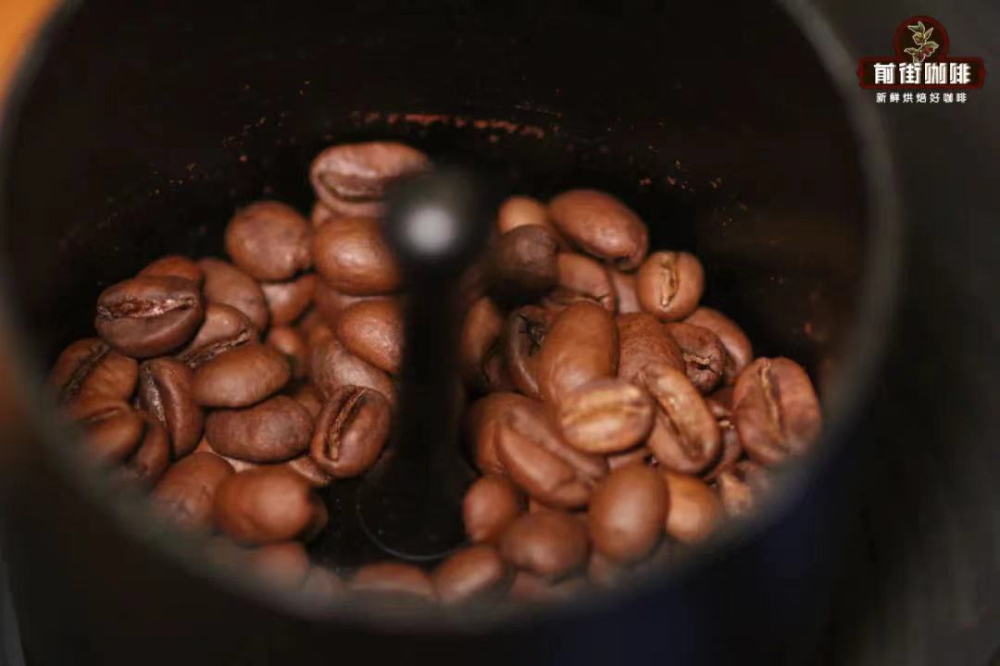
This also explains why all single-origin beans can be used for espresso, but the single-origin beans used for SOE coffee can be used for pour-over.
Which coffee beans are suitable for making SOE coffee ?
As far as espresso extraction is concerned, light roasting is prone to underextraction, resulting in prominent acidity. Therefore, common espresso beans on the market are often roasted darker to ensure extraction yield.
However, the whole point of using single-origin beans for espresso is the hope of still obtaining rich flavor layers under pressurized extraction, while dark-roast beans often retain only a monotonous heaviness and lack surprisingly lively flavors. So if you want to make SOE coffee, Front Street Coffee (FrontStreet Coffee) suggests choosing medium-roast coffee beans with distinct flavors.
Although Front Street Coffee (FrontStreet Coffee) has not launched beans specifically for SOE, in the spirit of experimentation, Front Street Coffee (FrontStreet Coffee) tried making SOE with all the coffee beans it carries, and found that some single-origin beans performed well as espresso and were also very suitable for pour-over extraction.
"Front Street - Honduras Sherry Coffee Beans." After this medium-roast bean is extracted as SOE, it can show a rich fermented wine aroma, vanilla-cream-like smoothness, and a caramel finish.
"Front Street - Costa Rica Strawberry Candy Coffee Beans." Medium roast. Made into SOE, it has the sweetness of candied fruit, red floral notes, and berry-like sweet acidity.
"Front Street - Costa Rica Mozart Coffee Beans." Also medium roast. After extraction as SOE, it presents raisin aromas, rich sweet acidity, and a finish with fruit-fermentation-like flavors.
The above content is compiled by CoffeeHunters, a coffee news website.


