







It has been quite some time since espresso first appeared. It is the pride of Italians and, at the same time, a cultural asset that Italian coffee has brought to the world. In nature, it feels somewhat similar to the contribution of Ethiopian varieties to specialty coffee.
Italian coffee spread from Italy to the rest of the world and became a kind of status symbol. Without espresso, there would be no development of Italian coffee. This is because espresso is also hailed as the base of coffee, such as the cappuccino, latte, and mocha in Front Street Coffee stores. These coffees have always been representatives of Italian coffee and, at the same time, a manifestation of culture. So in this next article, Front Street Coffee will explain the extraction ratios related to Italian coffee.
Single and Double Espresso Ratios
Espresso is very important because it can directly affect the quality of a cup of coffee. A suitable coffee-to-water ratio is the key to making good espresso, so Front Street Coffee will briefly discuss the ratio issue in making espresso and how to achieve a suitable coffee-to-water ratio through adjustment.
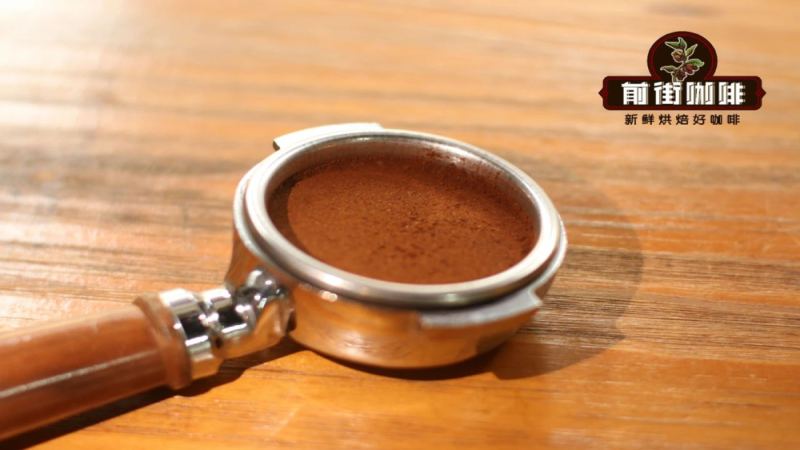
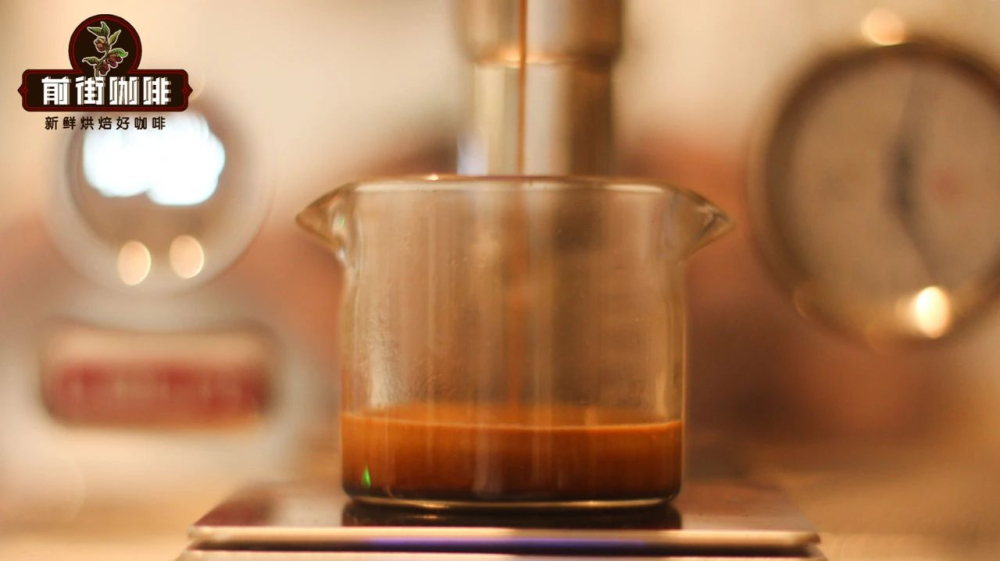
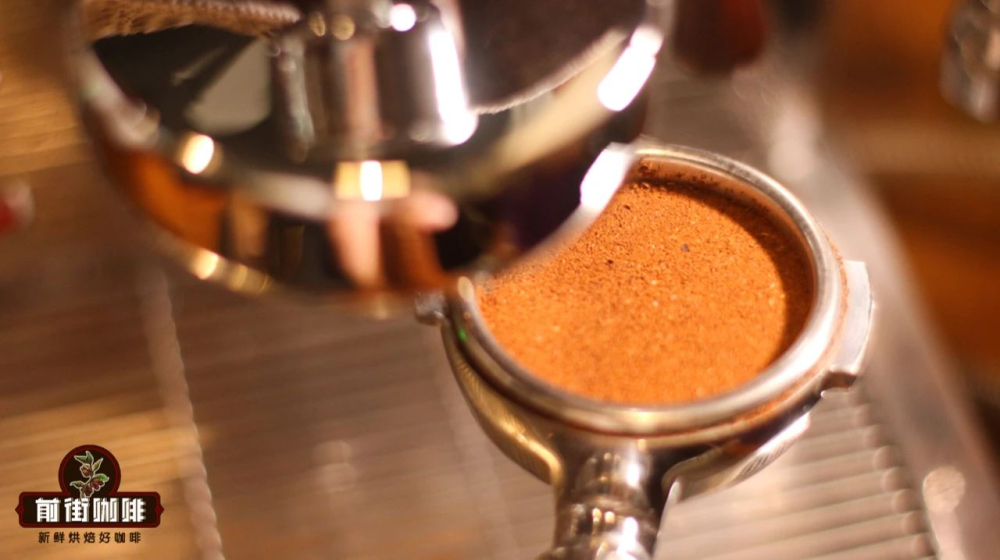
Espresso is divided into single and double shots. Traditionally, a single shot uses 8-9 grams of coffee powder and extracts 25-35 milliliters of espresso in 30 seconds. The coffee-to-water ratio of a single shot is 1:1. This is the traditional ratio and also the one that has been used for the longest time. A single shot has a rich and fragrant taste, and for most people it is very difficult to drink. An important step in dosing is weighing: place the portafilter on the scale and tare it to zero, then weigh about 9 g of coffee powder. Extracting 25-35 g of espresso liquid within 25-35 s is regarded as a suitable coffee-to-water ratio. A single shot is the amount commonly used for cappuccino, with equal proportions of milk, espresso, and milk foam. Depending on the cup size, the traditional ratio is 1:1:1.
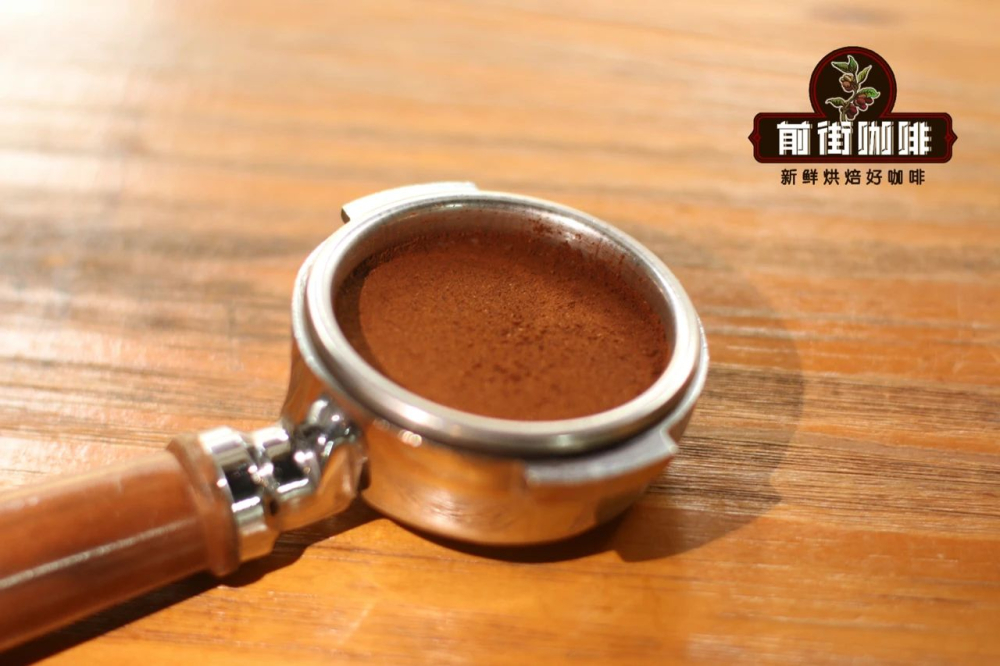
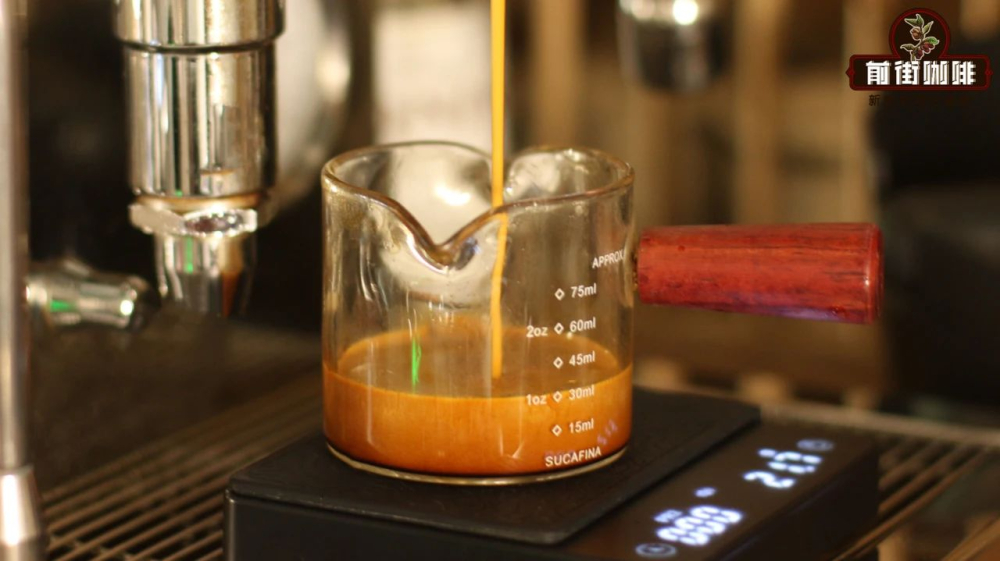
A double espresso is, of course, double the amount of a single shot. With 18-20 g of coffee powder, extracting 55-65 g of espresso liquid within the same 25-35 s is regarded as a suitable coffee-to-water ratio, with a ratio of 1:1. The same operation involves taring the scale to zero. A double espresso is the main amount used to make lattes and Americanos. In taste, it is more intense and full-bodied than a single shot because milk and water are added, diluting the concentration in exchange for a rich, smooth, and silky mouthfeel. A single shot would make the coffee taste insufficient, so the use of double espresso depends on the cup capacity.

As for how to determine how much coffee powder to use, the above are the traditional single and double Italian coffee doses. Coffee baskets come in different specifications, and a single basket can hold as much as 14 g, adjusted according to the reference line in the basket. There is a recessed fill line in the basket, which is the baseline for the specified dose. The amount of coffee filled can be adjusted according to this baseline. Exceeding the baseline means too much, and it may also be caused by grinding too coarsely, resulting in larger gaps between the coffee particles.
Using weighing can accurately achieve a reasonable coffee-to-water ratio. The grind size for espresso is as fine as flour. The grinder setting is usually the smallest number on an espresso grinder, adjusted between 1 and 1.5, mainly based on the dose and extraction time. This is an accurate method.
What Coffee Beans Are Used for Espresso
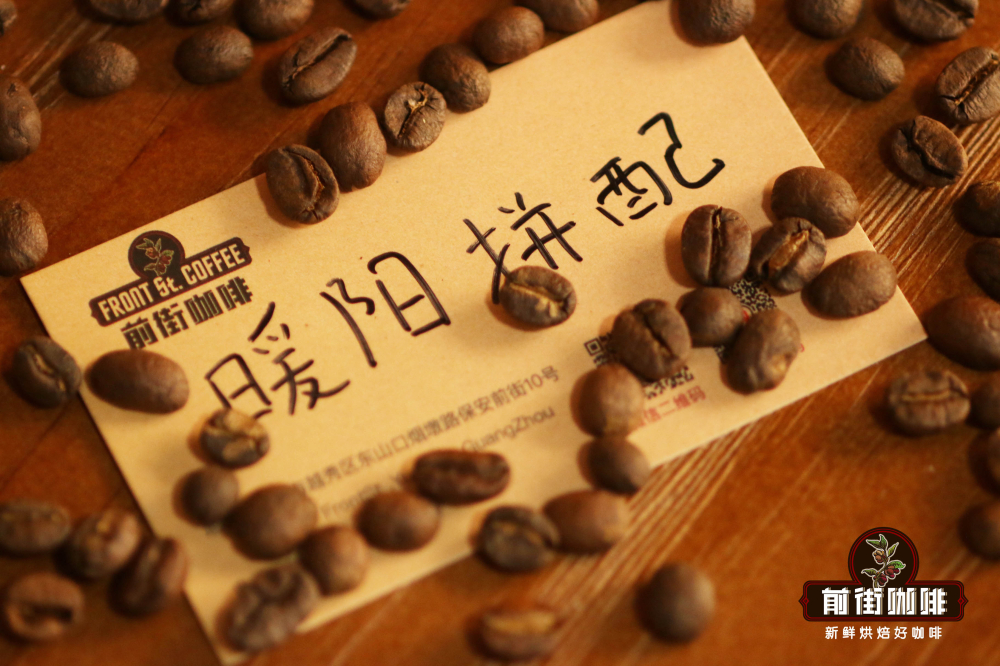
In addition, using different Italian coffee beans to make espresso will also present different coffee flavors. For example, the Italian coffee beans used in Front Street Coffee stores are a blend of Honduran coffee and Yirgacheffe natural red cherry coffee, which, when added to milk, highlights rich chocolate, caramel, and slightly tipsy flavors.
This is because an espresso machine has a very distinct characteristic: it amplifies the original flavors of the coffee beans. Lightly roasted coffee beans themselves have a more prominent acidity, and if extracted with an espresso machine, the acidity will be even more obvious, so they are not suitable for making Italian coffee.

So what coffee beans should be used to make a latte? Generally speaking, the coffee beans used to make a latte must be suitable for an espresso machine, so coffee that is too light-roasted is not suitable for making a latte. The darker the roasted coffee beans, the stronger the coffee flavor in the latte (caramel, bitterness). The lighter the coffee beans, the more obvious the milk flavor in the latte. Therefore, the roast level should be chosen to be moderate so that coffee and milk blend better.
Next, Front Street Coffee would like to recommend the following three Italian coffee beans for everyone to choose from.
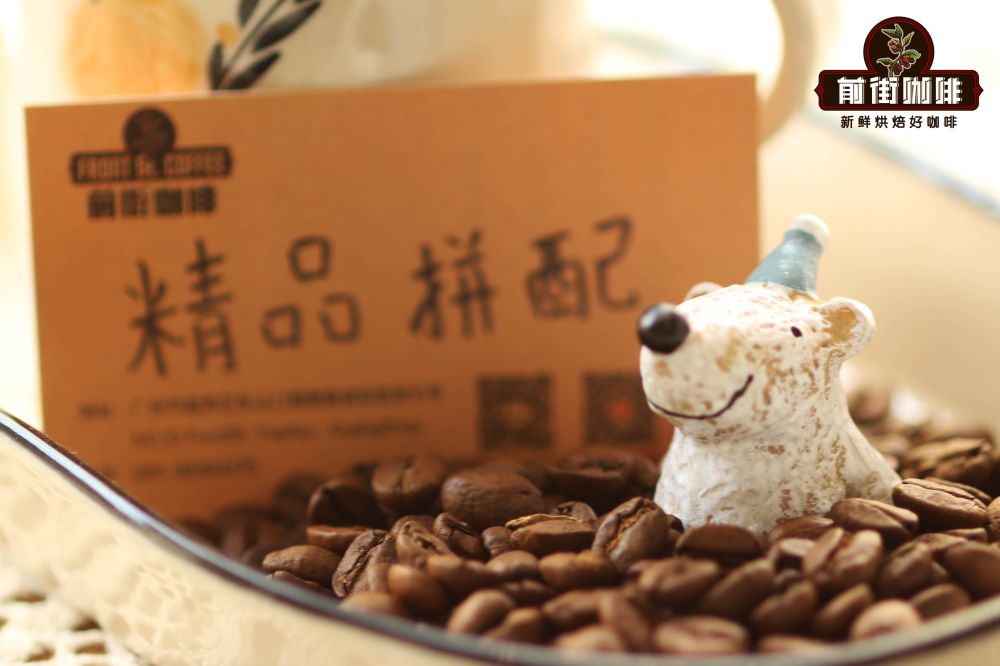
"Front Street Specialty Blend Coffee Beans" 75 yuan/454 g: Colombian washed coffee beans + Brazilian semi-natural coffee beans, with flavor notes of nuts, dark chocolate, and caramel.

"Front Street Classic Blend Coffee Beans" 33 yuan/100 g; Brazilian semi-natural coffee beans + Indonesian Mandheling coffee beans + Vietnamese coffee beans, with rich coffee crema and a full-bodied mouthfeel;
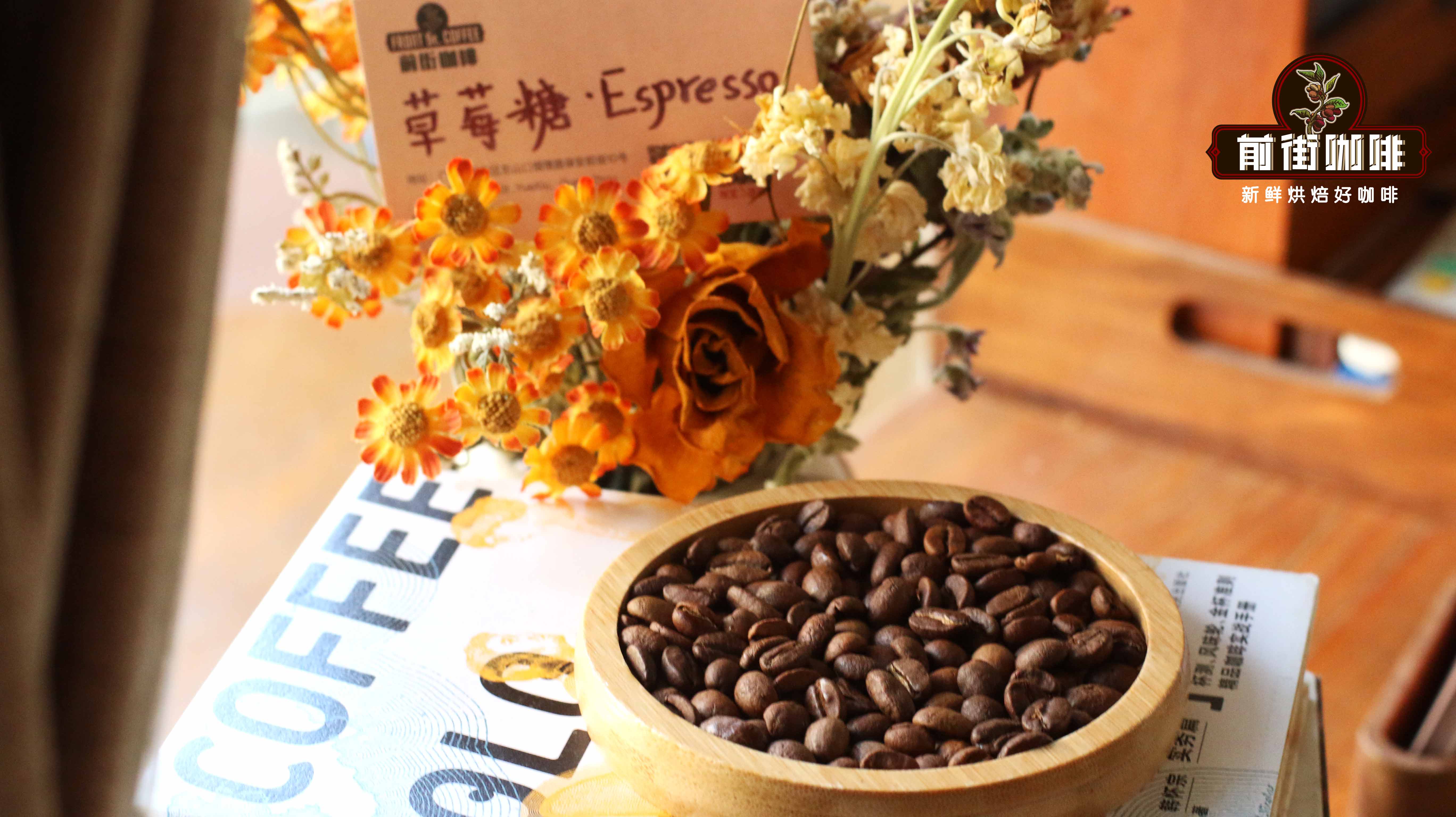
"Front Street Strawberry Candy Espresso" 43 yuan/100 g; Costa Rican coffee beans + Panamanian coffee beans + Ethiopian coffee beans, with aromas of roses, strawberry candy, and glucose, a prominent fruity sweet-and-sour taste, and a pleasant flavor.
The Ratio of Milk to Coffee in Italian Coffee
Just now, Front Street Coffee also mentioned that the Italian coffees commonly seen on the market are made from espresso and milk in different ratios. So exactly what ratio of espresso to milk is needed to perfectly blend into a cup of milk coffee? Next, Front Street Coffee will use making mocha coffee as an example to explain this.
Latte Coffee Recipe Ratio
The latte recipe used by Front Street is 1:6.5, that is, 40 g of espresso mixed with 260 g of steamed milk.
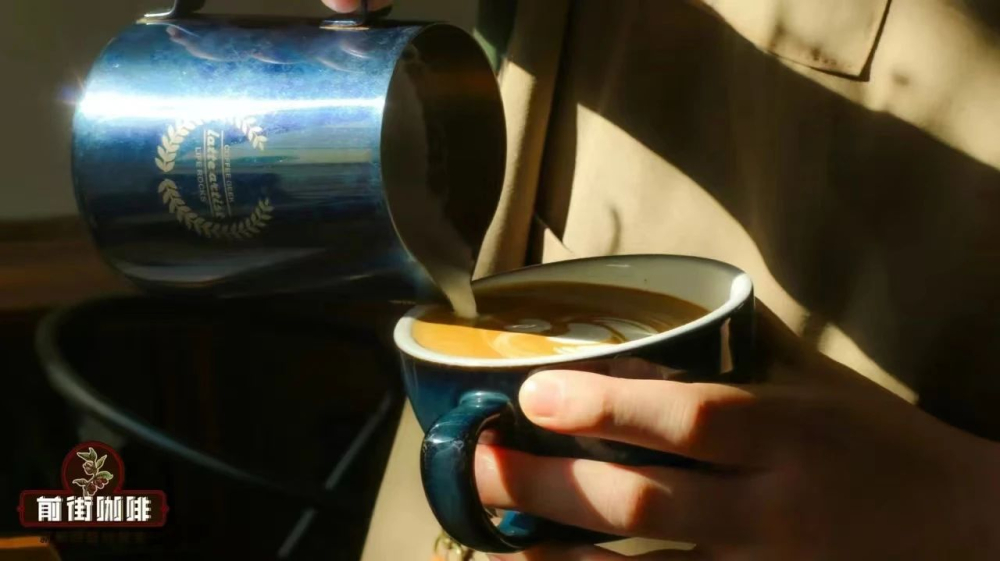
The espresso extraction plan used by Front Street is 20 g of coffee powder extracted in 27 seconds to yield 40 g of espresso liquid, as the base for the latte.
Next is steaming the milk foam. First, we need a steam wand. Ordinary semi-automatic coffee machines are usually equipped with a steam wand. Second, we need a container to hold the milk, such as a milk pitcher or latte art pitcher (professional tools will get twice the result with half the effort).
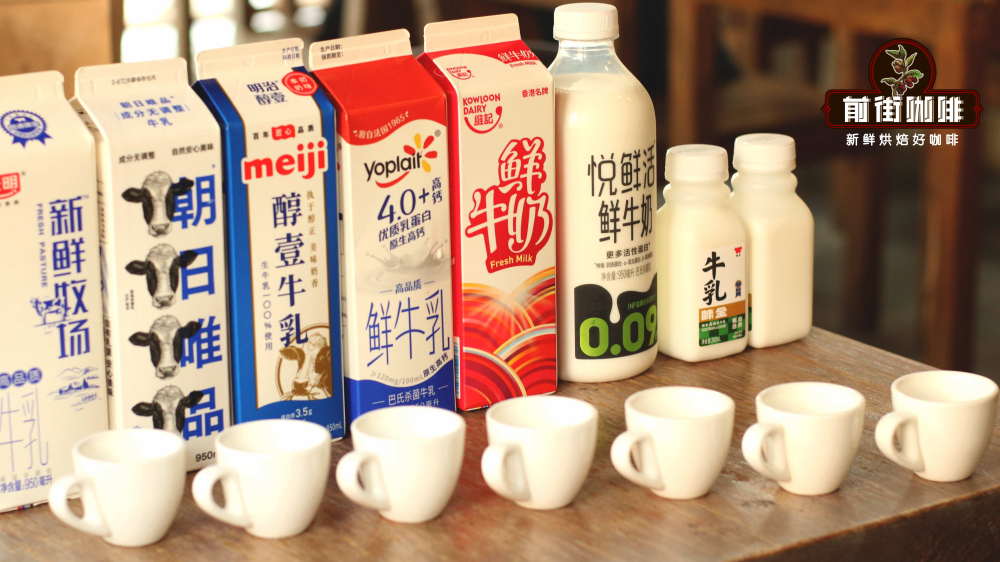
Finally, there is the choice of milk. Whether it is room-temperature milk or chilled milk, whole milk or skim milk, all can be steamed into milk foam. But if you want the milk to have better texture, taste, and lasting stability, Front Street still recommends using chilled whole fresh milk.
Next is incorporating and pouring latte art. Once the espresso is extracted and the milk is steamed, you can carefully incorporate it to complete the latte. Incorporation is also a very important part of making a latte. Good incorporation can make the latte taste smooth and comfortable, without any miscellaneous sensations. After good incorporation comes what we often call pouring the latte art pattern. Finally, a cup of latte is complete.
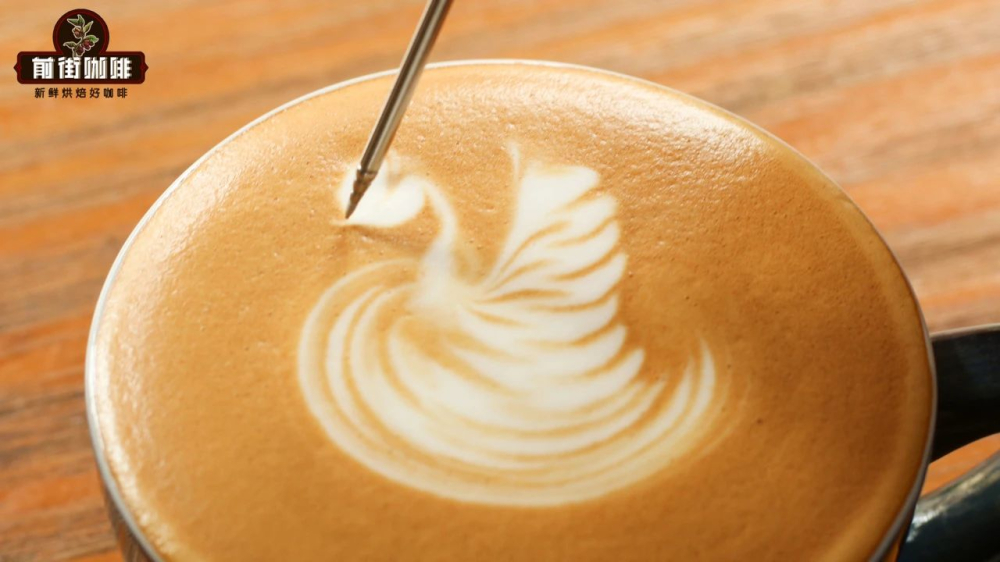
Front Street Coffee's recipe latte flavor: smooth mouthfeel, lasting chocolate taste, mixed with a pleasant alcoholic note, long finish, and obvious sweetness.
The above is the relevant content compiled by Front Street Coffee on how to extract espresso. We hope it can help coffee lovers who want to learn about related content, so that in the future they can also make milk coffee they are satisfied with.
The above content is compiled by CoffeeHunters, a coffee news website.


