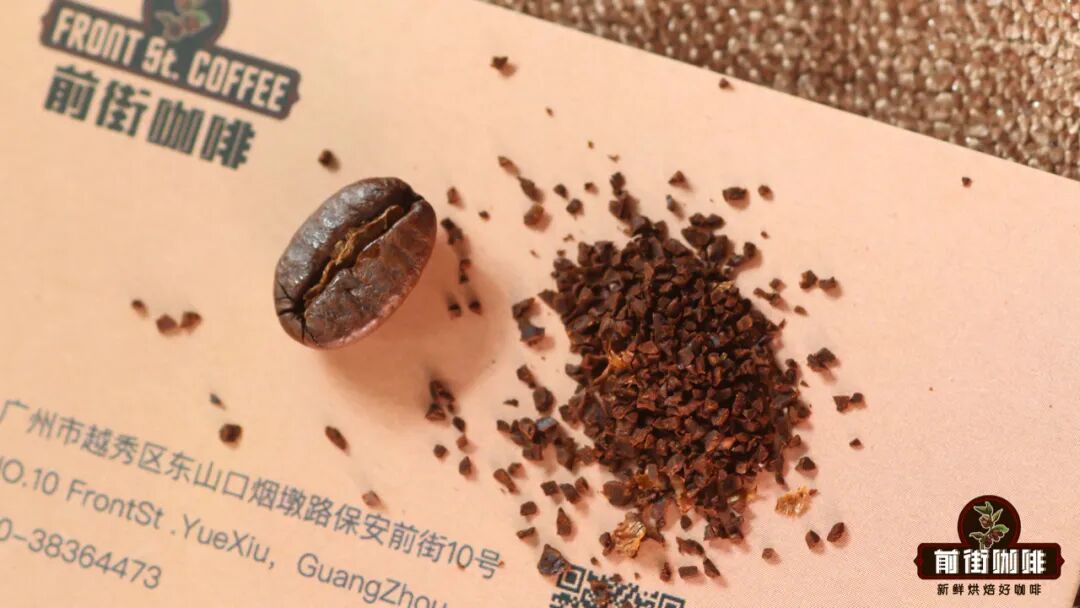
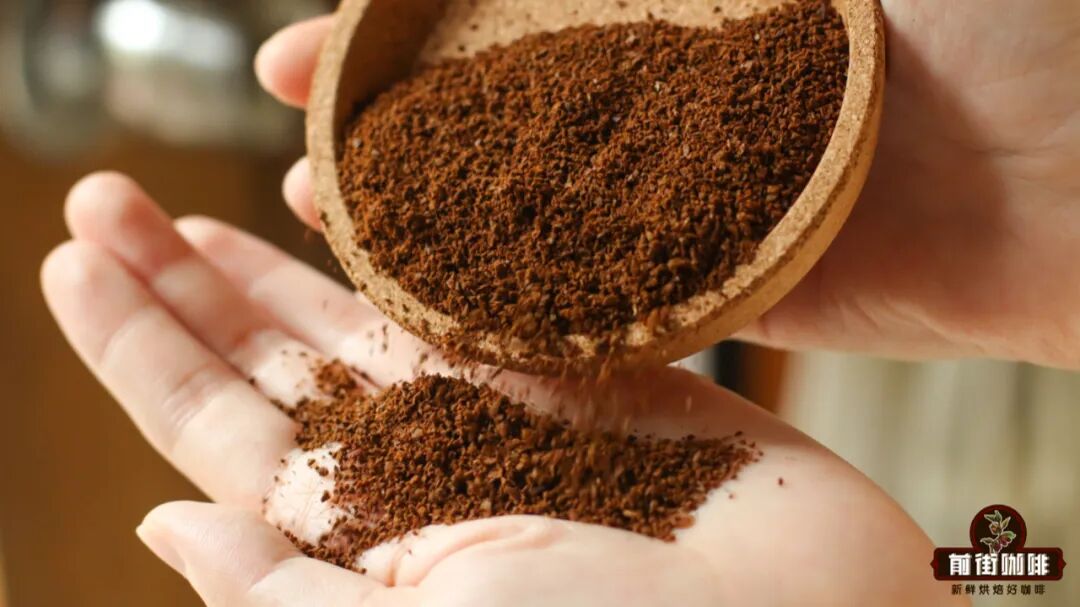
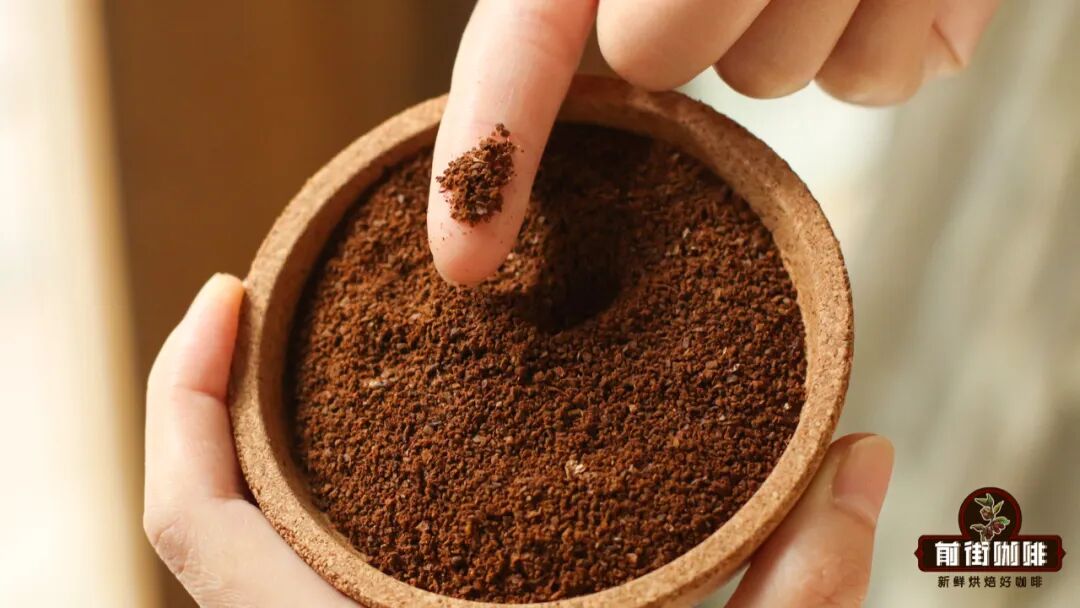
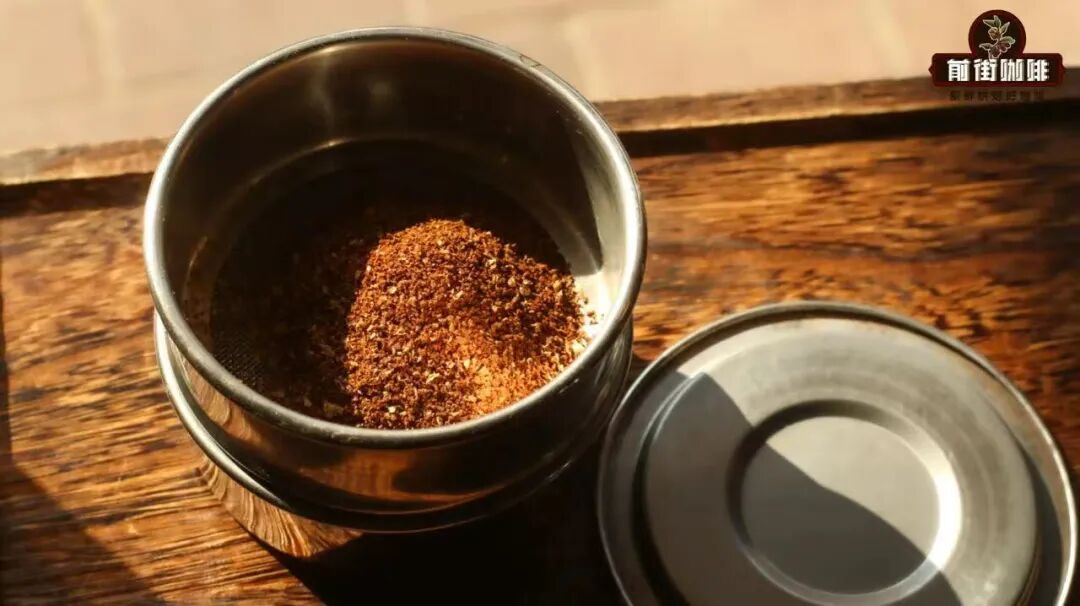
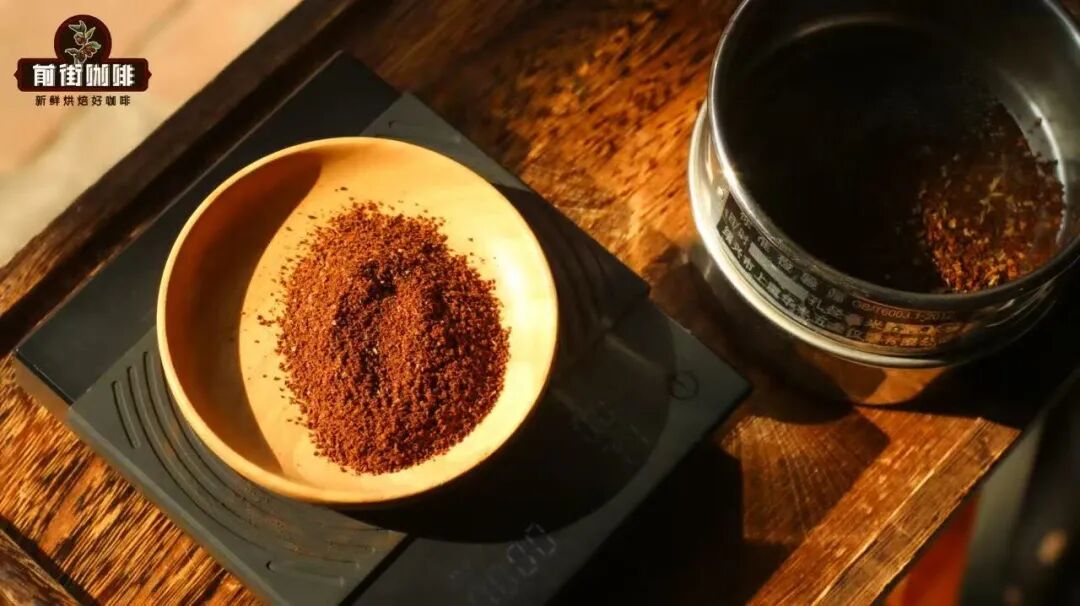
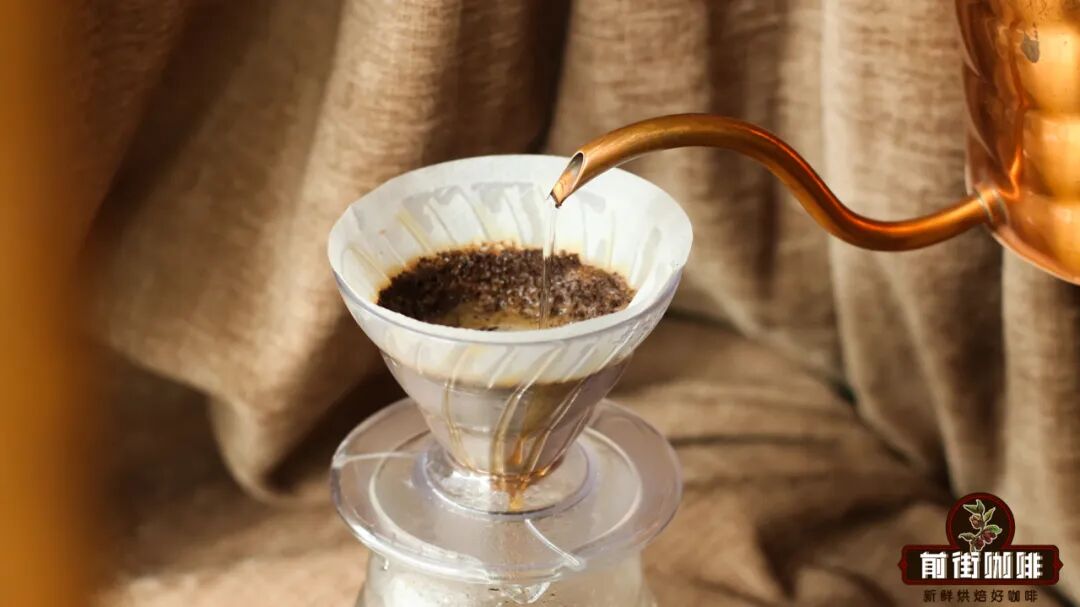
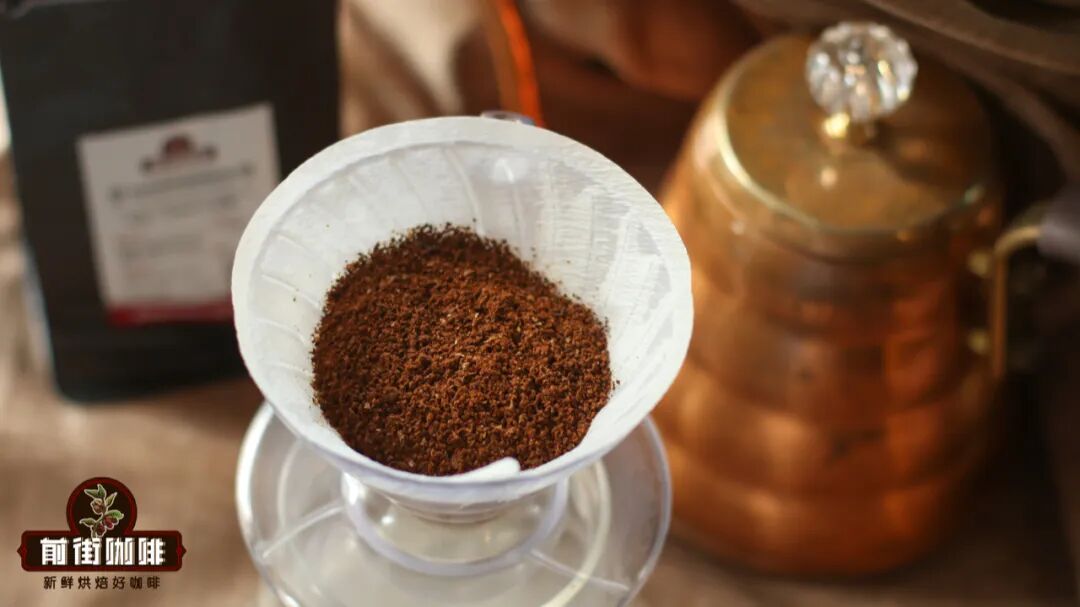
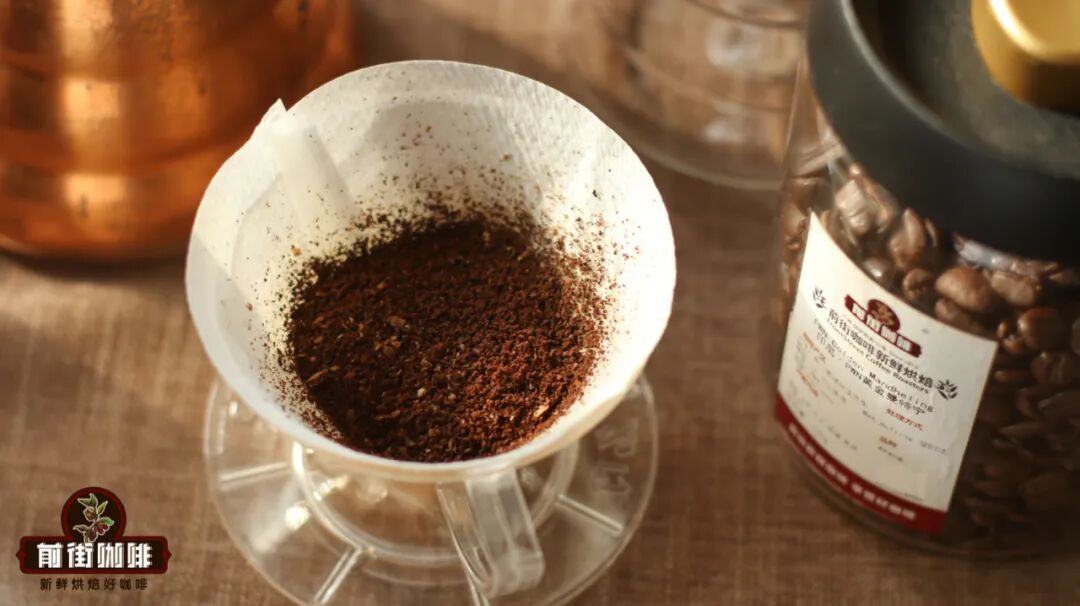
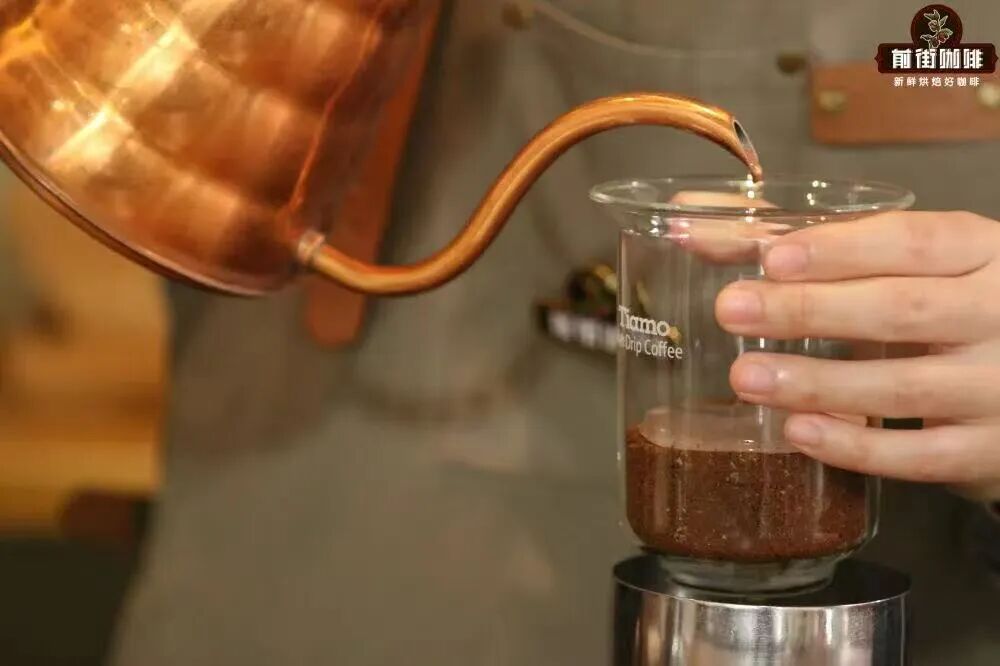
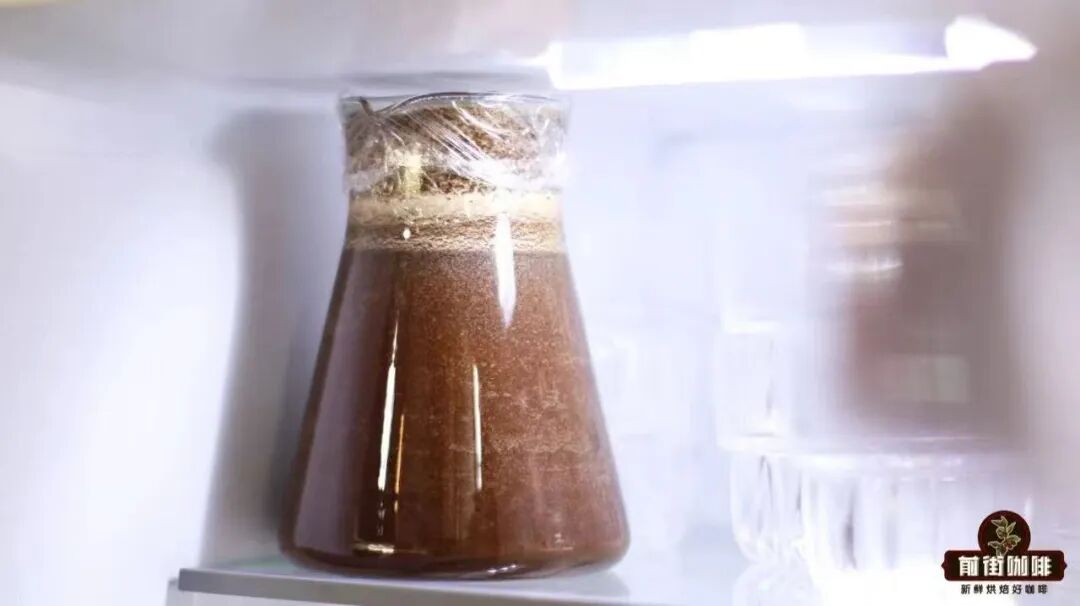
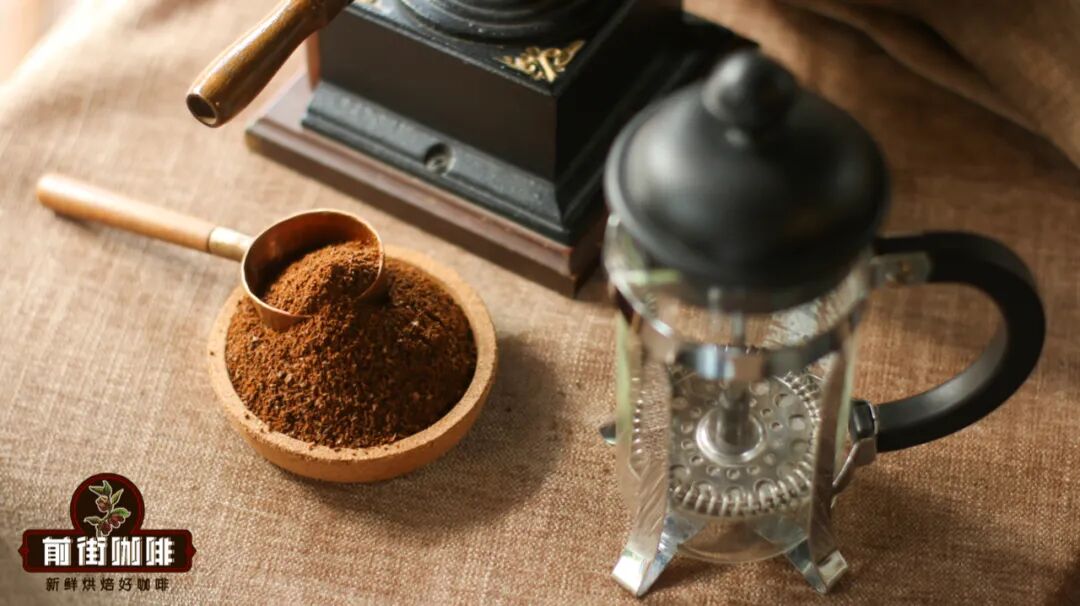
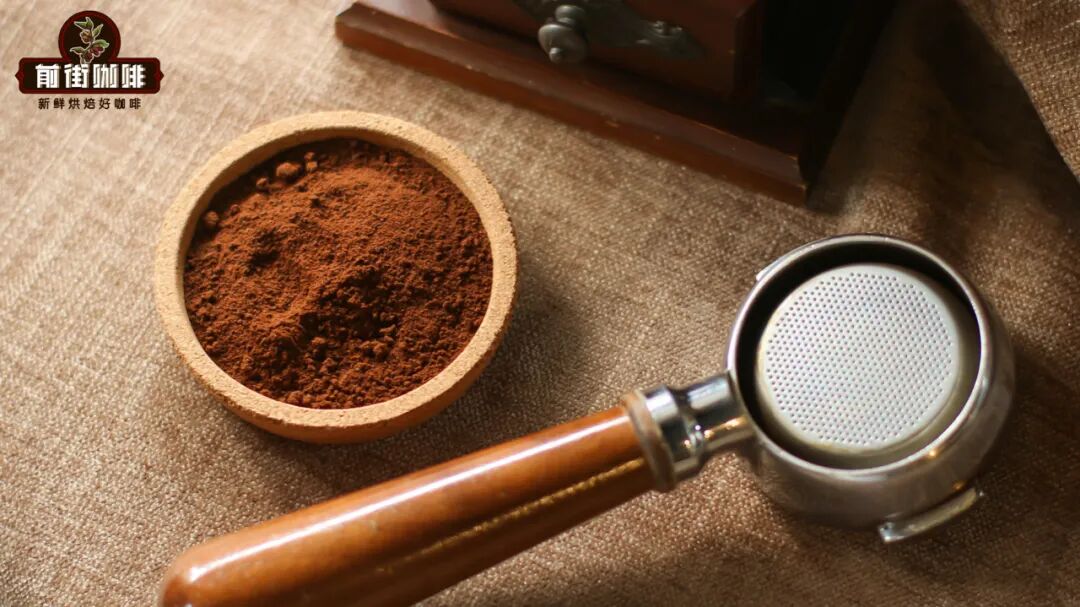
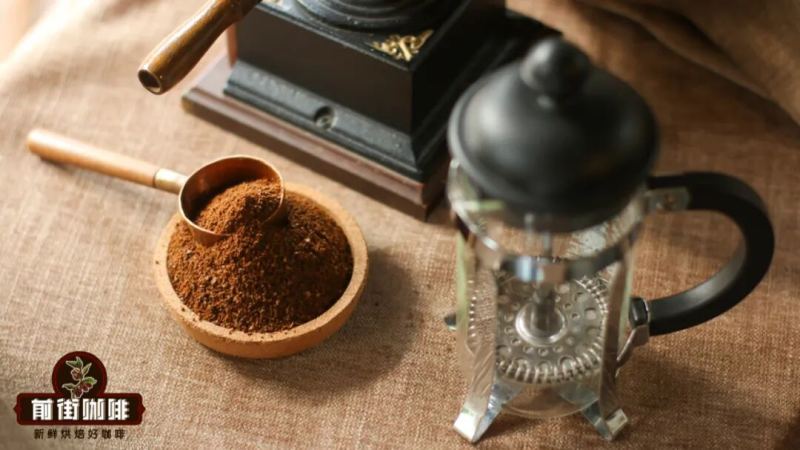
No matter what method we use to make coffee—pour-over, cold brew, or espresso—we first need to grind the coffee beans into powder before we begin. The purpose of this is to increase the surface area of the coffee that comes into contact with water, speed up the dissolution of flavor compounds, and give the brewed coffee a fuller taste.But as we all know, not all the soluble substances in coffee beans are high-quality and delicious; some undesirable, unpleasant-tasting substances are also present. If we want to brew a delicious cup of coffee, we need to let the tasty substances in the coffee beans dissolve out in large amounts while avoiding the extraction of those undesirable substances.To achieve this, we need to use appropriate brewing parameters to control the flavor compounds extracted from the coffee. The grind size of the coffee grounds is one of the most important parameters. Many times, the reason we fail to brew a good cup of coffee is most likely that we haven't found the right grind size—this holds true no matter what kind of coffee it is.Since quite a few friends have recently been asking about grind size—cold brew, pour-over,moka pot,and various other extraction methods—today, Front Street is going to share what grind size should be used for each different extraction method!First, what we need to know is...Because the grind size of coffee grounds, unlike water temperature or water volume, doesn't have an intuitive numerical value, when we discuss grind size, we often use analogies to describe how coarse or fine the coffee grounds are. For example, we use items like "fine granulated sugar" or "flour" to describe the particle size of the coffee grounds.But this method obviously has a very big drawback, because the naked eye cannot precisely judge what degree the particle size of the coffee grounds falls into—it's only a rough estimate. This easily leads to everyone's idea of "fine granulated sugar" being a completely different particle size, and even if all other parameters are identical, the brewed coffee can taste very different.And since everyone uses a different grinder, we also can't share grind size through the grinder's settings. In situations like this, Front Street would recommend usingsieve pass-through ratefor communication, and this is also the method Front Street will use when sharing grind sizes in this article.The so-called sieve refers to a No. 20Chinese standard sievewith an aperture of 0.85mm. This is a tool that can grade and test the particle size of substances, and it can also be used to calibrate coffee grind size.The method is very simple! We just need to pour the ground coffee into the sieve and shake it until no more particles fall through, then weigh the particles that passed through and calculate the pass-through rate to get a rough idea of the grind coarseness.Here Front Street gives an example: suppose we grind 10g of coffee, and 7.1g passes through the sieve, then the pass-through rate for this grind size is 71% on a No. 20 sieve. The higher the pass-through rate, the finer the grind, and vice versa.Once everyone understands how the pass-through rate is calculated and what it means, you'll be able to intuitively know exactly how coarse or how fine the grind sizes Front Street shares really are.1. Grind size for pour-over coffeeFirst, Front Street will share the grind size for pour-over coffee! Pour-over coffee is a drip extraction method, where water is poured manually to quickly brew a cup of full-flavored coffee. Because the overall extraction time is relatively short(brewing a 15g dose of coffee grounds takes about 1 minute 30 seconds to 2 minutes 30 seconds), the coffee grounds need to be ground relatively fine so that the flavor compounds can dissolve out quickly.Due to differences in density, different coffee beans require different grind levels. Front Street generally divides them into two categories: medium-light roast grind and medium-dark roast grind.Medium-light roasted coffee beans are ground finer; the grind setting Front Street uses isEk43setting 10 on the, with a pass-through rate of 75%~80% on a No. 20 sieve. Then pair it with a water temperature of 90~93°C, a brewing time of 2 minutes(15g dose), and a coffee-to-water ratio of 1:15.When grinding medium-dark roasted beans, the grind setting is coarser—for example, the grind setting Front Street uses is setting 11 on the EK43,with a 70%~75% pass-through rate on a No. 20 sieve. Then pair it with a water temperature of 86~89°C, a brewing time of 2 minutes(15g dose), and a coffee-to-water ratio of 1:15.The grind and parameters above are all for hot brewing. If we want to brew iced pour-over, the grind needs to be one setting finer than the original, and the coffee-to-water ratio changes from 1:15 to a "coffee-to-water-to-ice ratio" of 1:10:5~6, while the water temperature and brewing time remain unchanged.2. Grind size for cold brew coffee(ice drip / cold brew immersion)Next is the grind size for cold brew coffee! There are mainly two types of cold brew coffee—cold brew immersion and ice drip—both use cold water for extraction; the difference is that the former isimmersion-styleextraction, while the latter is drip-style.Because cold water has poor penetration ability and extraction efficiency is very low, we should use a finer grind than pour-over coffee. Front Street generally uses a grind of80%~85% pass-through rate on a No. 20 sieve, paired with a coffee-to-water ratio of 1:10(for ice drip, it's a coffee-to-liquid ratio), and an immersion time of 8~12 hours (for ice drip, a drip rate of 7 drops per 10 seconds).It should be noted that, as Front Street has always shared, cold brew coffee is not better the finer it's ground. Because some coffee grounds, after being ground, may absorb water fully and pile up at the bottom due to high density or too many fines, which actually lowers the extraction yield.If, after using the parameters above from Front Street, you find the coffee tastes not full enough and feels thin and weak, you might try grinding coarser or putting the coffee grounds in a tea bag before immersion—this can effectively raise the extraction yield and make the taste fuller.3. Grind size for French press / Clever DripperNext is the grind size for immersion-style coffee. Immersion extraction has a higher tolerance for error compared to drip methods like pour-over, because the coffee grounds are immersed in water for a long time, during which there isn't much agitation to speed up the dissolution of flavor compounds, and thanks to the concentration gradient, bitterness can be stopped in time. So, for long-immersion extraction methods like the French press, Clever Dripper, and cupping, you can use a relatively coarse grind and steep it for a longer time.Taking Front Street as an example, when using a French press to make coffee, the grind size Front Street uses is:70% pass-through rate on a No. 20 sieve. Then pair it with 94°C hot water, using a coffee-to-water ratio of 1:16, and steep for 8~9 minutes.Of course, if you want to shorten the immersion time, you can also choose to grind finer or add stirring. For example, use the same grind size as pour-over like in cupping, then steep for 4 minutes, and finally skim off the foam or filter out the coffee grounds, and you can enjoy a delicious cup of coffee!4. Grind size for moka pot / espressoLastly, the grind size for pressure-based extraction methods like the moka pot and espresso machine! As Front Street mentioned at the beginning, since these extraction methods extract coffee in a very short time, we need to use a very fine grind. But because this type of grind is so fine, we can't use a sieve to measure their particle value, so we can only judge whether the grind is correct through actual extraction and the taste of the coffee.Taking Front Street as an example, when extracting espresso, Front Street fixes on the formula of "extracting 40ml of espresso from 20g of grounds in 28~35 seconds." First fix the extraction recipe, then adjust the grind size so the extraction time falls within the target range of the recipe, and finally decide through tasting whether the parameters need adjustment.Since this would take a long time to explain and Front Street has shared quite a few related posts before, we won't go into too much detail here—those interested can search for it themselves. The coffee grounds used in a moka pot are the same coarseness as for espresso, just not as extreme—similar to the texture of flour is fine~ The above content is compiled by CoffeeHunters, a coffee news website.