







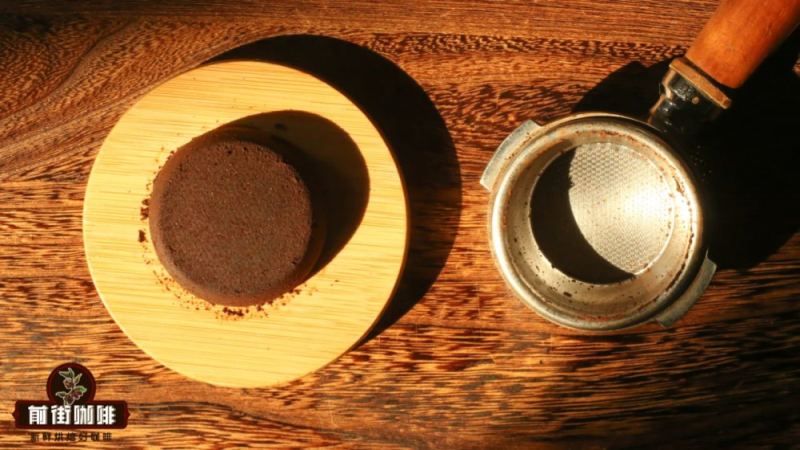
Coffee grounds have gone from being trash in the garbage bin to a "universal wonder tool" on social media overnight. Growing flowers, applying to the face to reduce swelling, bathing to exfoliate and lose weight... all kinds of uses are being fr
It seems that at some point, coffee grounds suddenly became a hot commodity in everyone's eyes.
Coffee grounds, once thrown away as waste, were suddenly crowned with the title of "master of all trades," and posts sharing the various clever uses of coffee grounds could be seen everywhere on social media.
The most heated discussions centered on a few uses: growing flowers, applying to the face to reduce swelling, using in the shower as an exfoliant, and even aiding weight loss. What happened to those who tried these methods?
"I used coffee grounds to grow flowers, and the flowers just died..."
"After applying coffee grounds to my face, it was red and swollen for days..."
"After just one week of using coffee grounds in the shower, the drain got clogged."
Seeing this feedback, some might wonder: "The internet keeps recommending these uses, so why don't they work for me?"
The reason is simple—many of the tutorials circulating online are misleading. This is especially true for applying coffee grounds to the face and using them in the shower. Claims that caffeine can penetrate blood vessels, help reduce swelling, or stimulate fat to promote weight loss are completely baseless nonsense.
"Why did coffee grounds suddenly get so much attention?"
Starbucks was the first to suggest that coffee grounds could be reused. Each Starbucks store produces about 10 kilograms of coffee grounds every day, and it would indeed be a waste to simply throw them away as trash.
Out of environmental concern, Starbucks stores worldwide began offering coffee grounds for free, and suggested that customers take them home, ferment them, and mix them with soil to fertilize nitrogen-loving plants and most perennial plants.

They also suggested using them to remove odors, wash dishes, keep cats away from certain areas, and even mentioned that applying coffee grounds to the eyes could promote blood circulation.
It was from that time onward that people began to pay attention to the reuse value of coffee grounds. As coffee consumption has become increasingly common, environmental researchers around the world have been continuously promoting eco-friendly uses for coffee grounds—such as converting them into fuel, making fabrics for clothes and shoes, and even producing cups and furniture.

These examples all convey the same message—coffee grounds have a wide range of uses, and it's a shame to throw them away. As a result, more and more people are paying attention to coffee ground reuse.
"How many of the popular online uses are actually unreliable?"
"Using coffee grounds to grow flowers"
After learning that coffee grounds can be reused, many people followed Starbucks' advice. But many overlooked a key detail: coffee grounds must be fermented before they can be used as fertilizer, and not all plants are suitable for coffee ground fertilization.
The result is that some people take the coffee grounds home, pick a random plant, sprinkle them on the soil surface, take a photo, write a title like "The flowers grown with coffee grounds are so beautiful! Sisters, hurry up and try it!", list a bunch of coffee ground benefits and flower-growing steps in the body, and then post it.
These sharers are purely writing content, and the flowers may wilt in a few days. This is because when coffee grounds ferment directly on the soil surface, the acidic substances and mold produced during the process rot the plant roots and attract swarms of small flying insects.
If you really want to use coffee grounds to fertilize plants, you need to fully ferment them with a dedicated composting agent, then mix a small amount into the soil to supplement nitrogen for the plants—and this only applies to plants that prefer acidic soil.
"Coffee grounds for dark circles" "Coffee grounds face mask" "Coffee grounds shower for weight loss"
"But Starbucks said so!" some might argue. The person who originally wrote about the clever uses of coffee grounds probably didn't do any experiments either. Like many netizens, they likely assumed that since coffee contains caffeine, and caffeine promotes blood circulation, they wrote such suggestions.
Caffeine does have this effect, but the prerequisite is that you have to drink it. Once caffeine enters the body, it can dilate blood vessels, allowing more blood to flow through, thereby increasing blood flow. Applying it directly around the eyes cannot achieve the effect of eliminating dark circles through caffeine.
The claim about reducing facial swelling doesn't work either, for the same reason—you have to drink it. After caffeine enters the body, it increases renal perfusion, and more water is excreted through the kidneys, thereby producing a diuretic and anti-swelling effect. Moreover, if left on too long, the color of the coffee grounds will adhere to the skin, and your face will turn yellow!
The same goes for using coffee grounds in the shower for weight loss. Even if caffeine could directly penetrate the skin and take effect, the caffeine content in brewed coffee grounds is already very low, making the actual effect negligible.
Some people even apply coffee grounds taken from coffee shops directly around their eyes and on their faces. How long these coffee grounds have been exposed outside and how much bacteria has grown during storage is completely unknown—applying them directly to the skin is indeed quite bold.
"Just put them in the fridge, shoe cabinet, or next to pet beds to remove odors"
This method is reliable. Coffee grounds have a porous structure and, like activated carbon, possess adsorption capacity, so using them to absorb odors makes sense. But the prerequisite is to dry the coffee grounds first!
This is especially true in poorly ventilated environments like shoe cabinets. If the coffee grounds still contain moisture, they can easily rot and grow mold, and improper handling can backfire. If you don't want to dry them, be sure to replace them promptly.
The above content is compiled by CoffeeHunters, a coffee news website.


