







Can Espresso Blend Beans Be Brewed as American Drip Coffee?
Espresso blend beans can be used in a drip machine, but the cup will taste different from a shop Americano. Drip makers run a standardized cycle that usually finishes a pot in five to eight minutes, which suits medium roasts better than the dark, fine-tuned espresso blends built for pressure extraction. Expect softer body and less concentrated sweetness if the beans were roasted for espresso.
The confusion traces back to World War II, when American soldiers stationed in Europe diluted Italy's traditional espresso with hot water, creating what became the Americano. Small household drip machines had already spread through US homes before the war. Today the Americano sold in cafes is made on an espresso machine, while the drip brewer remains a low-effort home option.
Many friends new to coffee often wonder: is it feasible to use espresso blend beans to make drip coffee? What exactly is the difference between the coffee beans used for Americano and espresso? From the perspective of Front Street Coffee, this article systematically introduces the types of American drip coffee makers, suitable coffee beans, coffee-to-water ratios, and operating steps, while also comparing the origins and differences between Americano and espresso. Whether you prefer floral and fruity acidity or rich chocolate flavors, you can find coffee bean recommendations and practical brewing guides that suit you here, making it easy to brew a satisfying cup of coffee at home.
For more specialty coffee knowledge, please follow: Front Street Coffee (Frontsteet Coffee)
Customers who frequent Front Street often ask the baristas whether there is a hassle-free coffee maker that is suitable for home use and fairly affordable. The answer, of course, is yes—the American drip coffee maker is worth learning about! This drip-type machine (Drip Coffee Maker) is currently one of the more widely used coffee brewing devices, and for coffee lovers who are just starting out, it is suitable whether placed at home or in the office. Its advantages lie in its low barrier to operation and convenient use, with a highly standardized process that usually takes only five to eight minutes to brew a pot. Having read this, are you also interested? Next, Front Street will explain in detail the common American coffee makers along with their operating standards and methods of use.
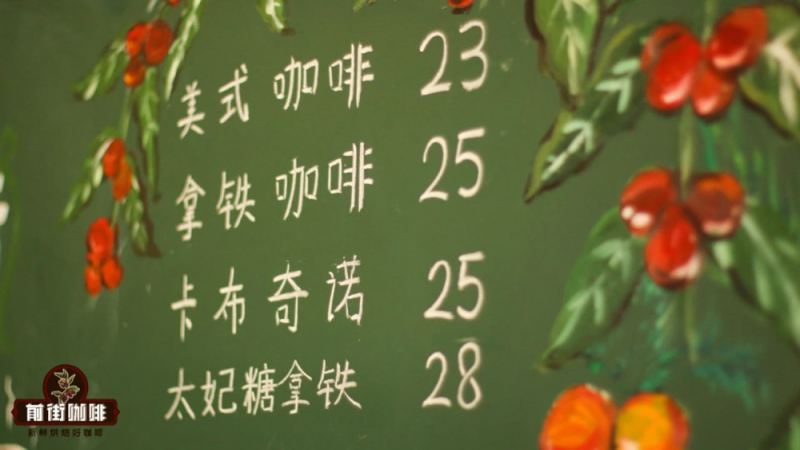
Coffee maker is a general term for a category of brewing devices. If divided by brewing method, they mainly fall into two major categories: drip coffee makers and espresso machines. Before World War II, small household drip machines were popular in American homes, compact in size and simple to operate, and they became widely popular in American households. Today, however, the Americano we order in coffee shops is actually made with an espresso machine. So what exactly is the difference between espresso and Americano?
To make an Americano with an espresso machine, the method is to add hot water to espresso. During World War II, American soldiers stationed in Europe were not used to Italy's traditional espresso, so they mixed hot water into a small shot of espresso to dilute the coffee and deliberately imitate the taste of drip coffee. This way of drinking it was disdained by Europeans, who thought only Americans would like it, so Europeans called it "Americano." Now that you understand the origin of Americano, let's learn about American coffee makers together with Front Street.
What coffee beans should be used for an American coffee maker
In fact, there is no standard answer when it comes to choosing beans for an American coffee maker. Whether single-origin beans or espresso blends, both can work; the key is to choose according to personal preference.
If you prefer black coffee with floral and fruity notes, you should prioritize medium-roast beans. Here, Front Street Strawberry Candy espresso coffee beans are recommended, and they can be ordered directly from the Taobao or Tmall store. This bean is known for its honey process, using Front Street Costa Rica Tarrazu and Ethiopia, the birthplace of coffee, as two major producing regions, and then incorporating Colombian coffee beans into the blend. The resulting espresso is neither harsh, and after extraction by the coffee machine it also has good crema and a velvety texture, while presenting a sweet and tangy flavor similar to strawberry gummies.
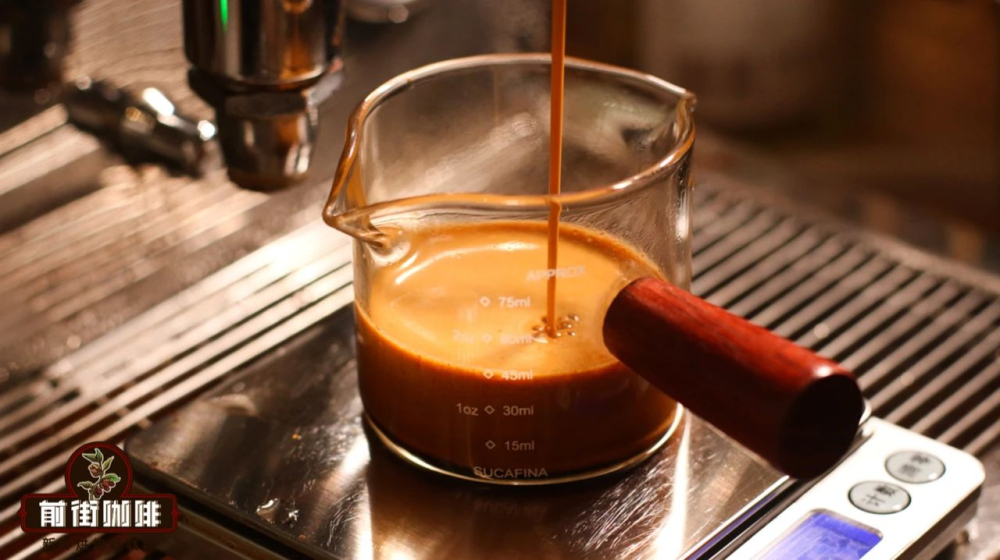
If you prefer a rich aroma, Front Street Classic Espresso Blend is recommended. This blend is composed of three origins: Brazil, Indonesia, and Vietnam. It uses a deep roast, which maximizes the coffee's rich aroma and also makes it easy to extract abundant, dense crema. It is suitable whether made into an Americano diluted with water or a latte paired with milk. As for grind size, Front Street suggests choosing a consistency like fine granulated sugar, so that the brewed black coffee has a relatively moderate mouthfeel.
Models and capacities of American coffee makers
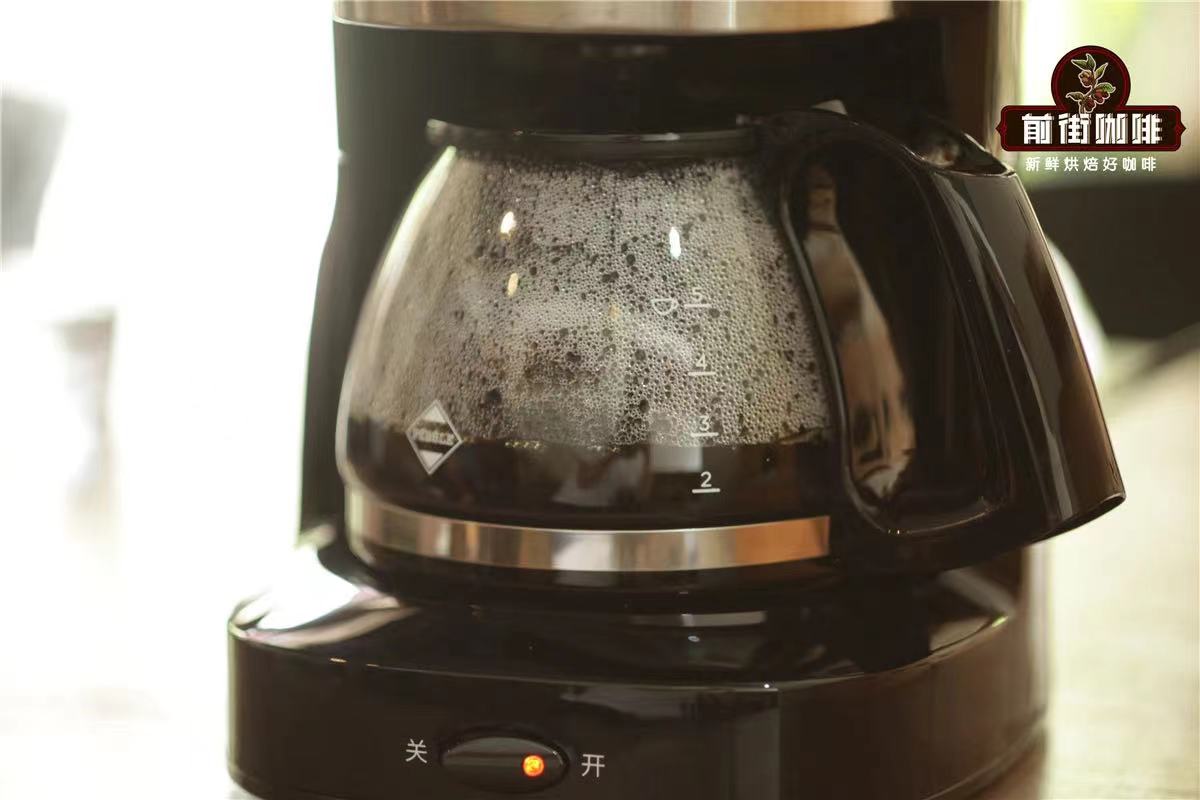
American drip coffee makers generally come in two common models: 5-cup and 12-cup, meaning they can brew a maximum of 5 cups or 12 cups of coffee at one time; the glass carafe and water tank capacity of the 5-cup model are generally 550ml to 650ml; the glass carafe and water tank capacity of the 12-cup model are 1.2 to 1.3L.
Water use standards for American drip coffee makers
The measurement basis for the above one-cup amount is 100 to 120ml per cup, which means the water used to brew one cup of coffee is between 100 and 120ml; generally, an American coffee maker should brew at least 2 cups each time.
Ground coffee amount standards
Usually, 1 cup of American coffee is 100 to 120ml, requiring 5 to 7g of ground coffee. Each American coffee maker comes with a dedicated coffee powder measuring scoop. One cup of coffee generally corresponds to one scoop of grounds, so brew as many cups as scoops of grounds you add; no matter what kind of coffee beans, as long as they are ground into powder, they can be used.
Standards for matching water and grounds
To brew 1 cup of coffee, add 100 to 120ml of water. Referring to the scale in step 2, add water to the water tank up to the corresponding position; to brew one cup of coffee, add 1 level scoop of ground coffee, about 6g, and you can adjust the amount of grounds according to personal taste.
Steps for using an American drip coffee maker
Step 1: Grind the coffee beans into powder. If you have ready-made ground coffee, skip this step. Determine the amount of beans to grind according to the number of cups you want to brew. It is recommended to grind and brew only as much as you will drink. Brewing 1 cup of coffee requires about 6g of ground coffee, so grind the corresponding amount of beans for however many cups you are brewing. Usually, an American coffee scoop is 6g. You can use the scoop to measure one full scoop of coffee beans and grind them into powder, corresponding to 1 cup of coffee.
Step 2: Take out the glass carafe, open the coffee maker's filter basket, and put the ground coffee into the filter. Note that generally, brewing one cup of 100ml coffee uses 5 to 7g of grounds, so place the ground coffee into the filter; the scoops provided with different coffee makers vary in specification, commonly 5g, 6g, 7g, and 10g, so determine the amount of grounds according to the machine; the coffee maker demonstrated here is based on a 6g amount of grounds.
Step 3: Close the filter basket, open the water tank, and add water to it; the principle for adding water is that for however many cups of coffee you brew and however many servings of ground coffee you add, you add the corresponding amount of water. Add 100ml per serving. You can use the glass carafe to pour water into the water tank until it reaches the coffee maker's water level mark. For specific parameters, refer to the above water use standards; in addition, some coffee makers have marks on the glass carafe that are exactly consistent with the water level marks on the machine body, which can accurately assist with adding water.
Step 4: Cover the water tank, close the coffee filter basket, put the glass carafe back on the warming plate, plug in the power, and turn on the coffee maker switch.
Step 5: Wait 5 to 8 minutes, and a pot of coffee is brewed (when no more coffee liquid drips from the upper part of the glass carafe, it indicates completion), then turn off the switch and you can enjoy delicious coffee.
Step 6: You can add sugar or fresh milk according to personal taste.
The coffee made this way with an American coffee maker is all hot. If you want to drink iced Americano, what should you do?
There are two methods: one is to reduce the amount of water and add ice cubes to the extracted coffee liquid, but relatively speaking the coffee overall will be diluted more. The second is to use espresso liquid and add it to a one-to-one mixture of ice water.
Having read this far, I believe everyone can make a perfect cup of coffee at home. However, Front Street needs to remind everyone that the grind size used for an American coffee maker is completely different from that of an espresso machine. So what grind coarseness should be used for an American coffee maker? Front Street Coffee (FrontStreet Coffee) responsibly tells you that it is similar to pour-over coffee, because both belong to the drip type, the brewing principles are close, and the coffee grind size does not need much adjustment. If you do not have a grinder at home, you can ask the shop to grind the coffee beans for you when purchasing them.
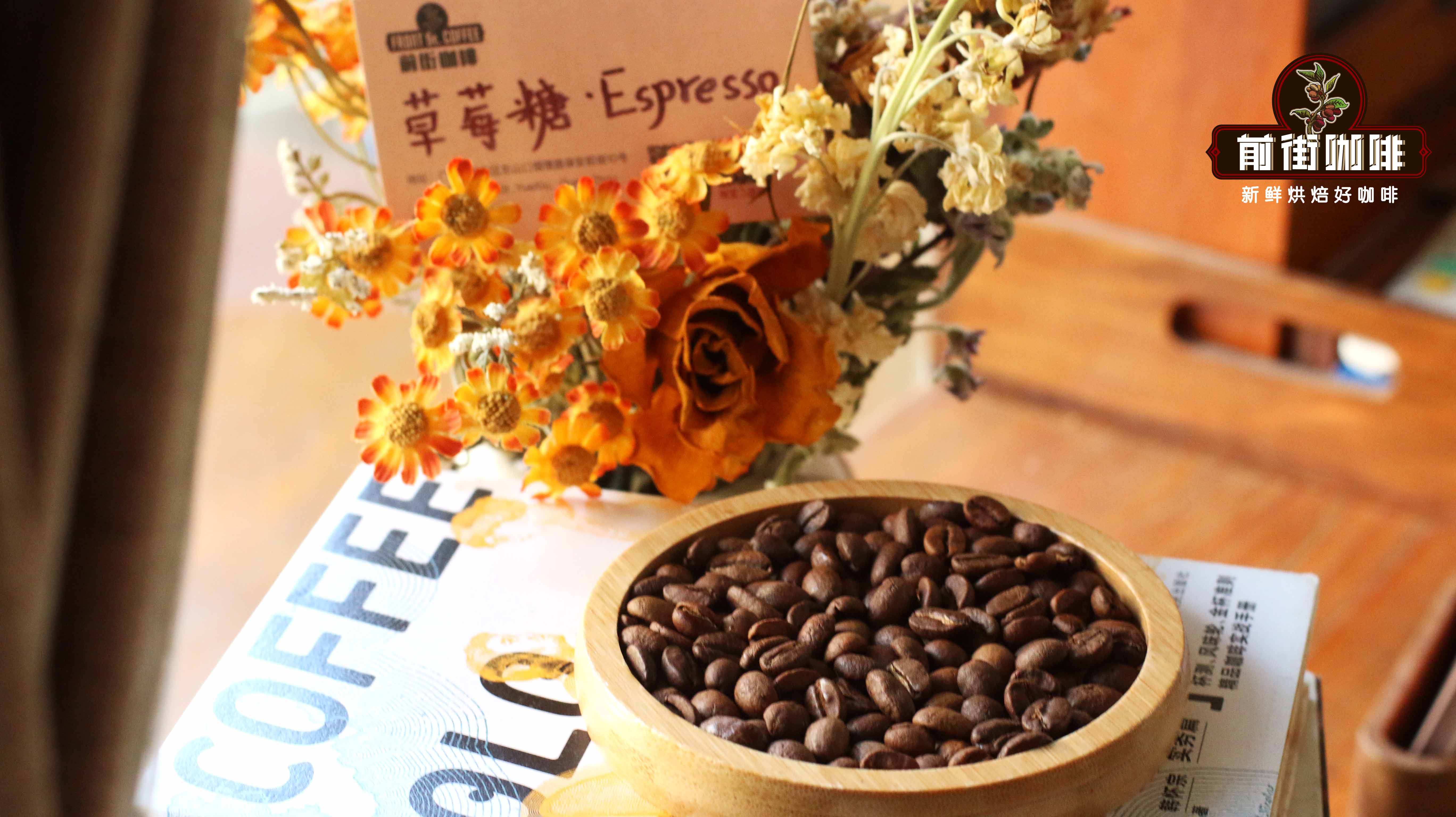
What coffee beans are suitable for an American coffee maker? Front Street believes that the flavor and mouthfeel of American coffee are closely related to the coffee beans used. Any coffee beans are suitable for an American coffee maker; it all depends on personal subjective preference. Broadly speaking, light-roast coffee beans have very obvious fruit acidity and a stronger juicy feel. Medium-roast coffee beans stand out for nutty and balanced, smooth flavors. Dark-roast coffee is more bitter than the previous two, but its chocolate-like aftertaste is still irresistible. Similarly, the same is true for Americano made with an espresso machine, except that almost all espresso coffee beans use a dark roast. But the distinctive characteristics of the coffee beans can still be perceived. For example, Front Street's rather special espresso blend—Warm Sun Blend—has a very obvious fermented aroma, creamy chocolate texture, and very rich layers.
The above content is compiled by CoffeeHunters, a coffee news website.


