







Search Results for: underdeveloped flavor
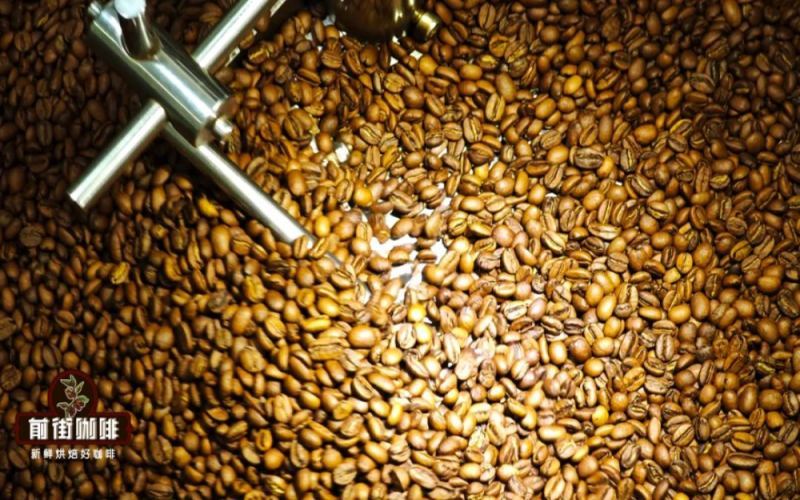
How long does it take to roast green coffee beans? A complete experiment of roasting coffee at home with a frying pan without a roaster
How long does it actually take for green coffee beans to go from hitting the pan to being roasted? In order to hear the sound of "first crack" with his own ears, Front Street Coffee deliberately conducted three rounds of home-roasting experiments using a frying pan and an open flame on a stove, testing the performance of naturally processed Santa Vini and washed Kafa Forest under different heat levels. The article records the time points for each batch of beans' color change, silver skin shedding, and the appearance of cracking sounds, as well as the final cupping flavor differences, while also sharing practical experience on how to judge heat level and the timing for taking the beans out when there is no professional coffee roaster. [more…]
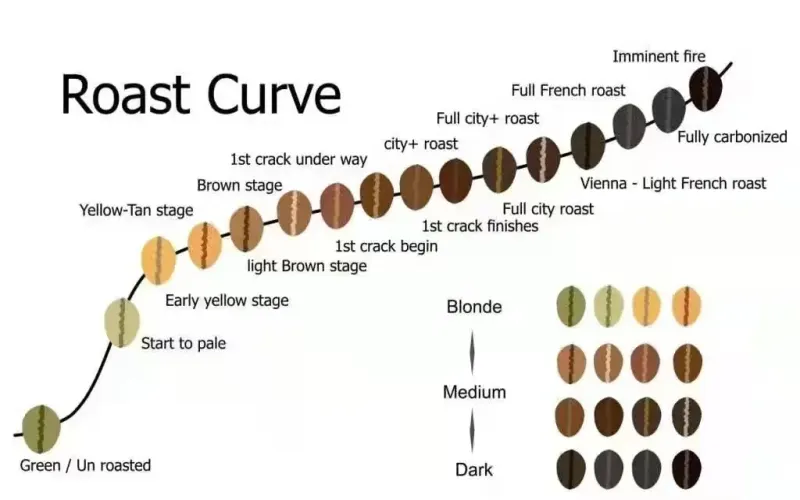
Practical Guide to Judging the Yellowing Point and First Crack in Coffee Roasting: Analyzing the Causes of Baked and Astringent Flavors
In the process of learning coffee roasting, there is often a gap between theoretical understanding and hands-on practice. This article focuses on judging two key milestones—the yellowing point and first crack—analyzing one by one the visual and auditory misjudgments that beginners easily make. It also offers temperature and aroma as auxiliary indicators for the yellowing point, and explains how misjudging first crack can lead to grassy, underdeveloped flavors and astringency in coffee. Drawing on Front Street's roasting course philosophy, the article also reminds readers not to mechanically copy curve data, but to understand the logic behind the data, so as to find a roasting path that truly suits them. [more…]
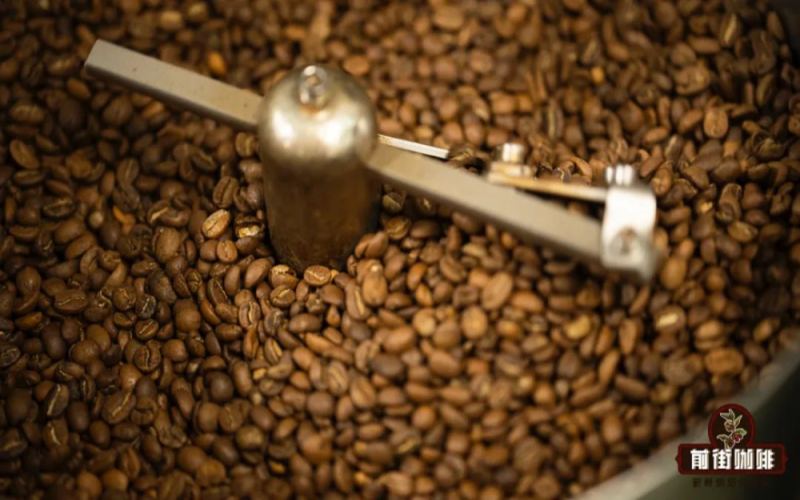
Coffee Bean Roasting for Beginners: A Complete Guide to Equipment Selection, Differences in Heat Transfer Methods, and Core Terminology
Want to learn how to roast coffee? Start by getting to know the tools and the terminology. Roasting coffee beans looks as simple as stir-frying vegetables, but doing it well requires a solid foundation of knowledge. In this article, Front Street Coffee will walk you through several common coffee roasting devices—direct-fire, semi-direct-fire, and hot-air roasters—covering their respective heat transfer principles, advantages, and drawbacks. At the same time, we'll systematically sort out the professional terms that come up during roasting, including charge point, turning point, yellowing point, first crack and second crack, as well as stage concepts like the drying phase, browning phase (Maillard), and development phase. Mastering this foundational knowledge is an important prerequisite for actually roasting beans, judging the roasting pace, and controlling the direction of flavor—and it can help you avoid detours and roast a good batch of beans faster. [more…]
Comparison of the Two Major Coffee Green Bean Processing Methods: Analysis of the Step-by-Step Processes and Flavor Characteristics of the Natural Method and the Washed Method
The processing method of coffee cherries directly affects the flavor expression of green beans, and among these, the natural process and the washed process are the two most representative techniques. The natural process originated in the Arabian region over a thousand years ago, relying on natural drying to allow the fruit to slowly mature internally; the washed process was invented by the Dutch in the 18th century, using fermentation to remove the mucilage layer and thereby improve the bean's cleanliness. The two differ noticeably in operational steps, suitable environments, and final cupping performance, and understanding these differences helps in more accurately selecting and tasting coffee. This article will separately outline the complete processing flows of the natural process and the washed process, and explain the flavor characteristics each brings. [more…]
A Complete Guide to Honduran Coffee Origins, Varieties, Processing Methods, and Flavor Characteristics
Honduran coffee, with its balanced and rich flavor profile, occupies a unique position in the international specialty coffee landscape. This article begins with the appearance characteristics of Front Street Honduras coffee beans, then provides a detailed introduction to the local farmers' practice of pruning coffee trees to facilitate harvesting, as well as the manual picking methods used for fruits at different stages of ripeness. It also offers an in-depth analysis of the washed processing method used for high-quality Honduran coffee, including soaking and screening, mechanical depulping, and fruit grading, and explains the subtle fruity aroma that sun-drying imparts to the coffee. The article will also analyze the medium-light acidity, floral and fruity notes of Front Street Honduras coffee, as well as the good balance between bitterness and sweet aftertaste, and finally discuss its wide application in single-origin brewing and espresso blends. [more…]

What stages affect coffee cleanliness? Looking at the history of Brazilian coffee harvesting and processing through COE cupping protocols
Cleanliness is an important dimension in judging coffee quality. It reflects whether a cup of coffee carries negative flavors such as earthiness, hay, or woodiness, or unpleasant sensations like astringency and dryness. From harvesting and processing to roasting and brewing, every stage can influence the level of cleanliness. This article starts with the emphasis COE cupping places on cleanliness, traces the historical problems Brazil—the world's largest coffee-producing country—has faced due to machine harvesting and rough sun-drying, and then extends to the impact of the roasting and brewing stages on cleanliness, helping coffee lovers systematically understand the industry chain logic behind a clean cup of coffee, while also retaining relevant recommendations for the Front Street brand. [more…]

Analyzing the Sources of Coffee Acidity: A Professional Guide to Identifying Quality Fruit Acidity vs. Negative Sourness
Is the sourness in coffee good or bad? Some people believe that sourness means the coffee is not fresh, while others regard it as a hallmark of high-quality coffee. In fact, green coffee beans themselves are rich in organic acids, most of which decompose or disappear after roasting, leaving only a limited variety of organic acids in the final cup. The latest research shows that there are not many acids that our taste buds can clearly identify, and much of the fruity acidity we perceive actually comes from the combined association of sourness with other flavors. The latest SCA cupping form classifies acidity into two categories—"sweet type" and "dry type"—helping us more accurately judge whether a coffee's acidity is good or bad. This article, from the professional perspective of Front Street Coffee, will provide an in-depth analysis of the sources of coffee acidity and the criteria for evaluating it. [more…]
A Complete Guide to Bolivian Coffee Flavors: Java Variety, Coco Natural Process, and Front Street Brewing Guide
Although Bolivia is an economically underdeveloped country in South America, it possesses advantages of high altitude, a cold climate, and unique varieties, producing coffee with prominent sweetness and soft acidity. From the perspective of Front Street Coffee, this article systematically sorts out the flavor causes, main producing regions, variety characteristics, and processing methods of Bolivian coffee, with a focus on the Java coffee beans from the Waliki Estate and their cocoa natural process, and includes Front Street's recommended V60 brewing parameters and flavor description, taking you to comprehensively understand the specialty coffee landscape of this potential-producing country. [more…]
Flavor Analysis of Bolivian Coffee Origins: Java Variety from Waliki Estate and Cacao Natural Processing
Although Bolivia is a relatively economically underdeveloped country in South America, it possesses high-altitude microclimates and unique varietal resources, giving it potential for specialty coffee exports. The Java coffee beans from Finca Valiki, listed by Front Street Coffee, come from small estates in the Caranavi production region at elevations above 1,660 meters, and present a bright citrus-hawthorn acidity with fruit chocolate and vanilla cream finish through cocoa natural processing. This article will outline the flavor causes, varietal characteristics, processing methods, and industry status of Bolivian coffee, along with Front Street V60 brewing recommendations and flavor notes, for the reference of coffee enthusiasts. [more…]
A Complete Analysis of Coffee Bean Roast Levels: Temperature, Taste, and Time Comparison from Light Roast to Espresso Roast
The roasting degree of coffee beans directly determines the flavor profile of the final cup. From the bright acidity of a light roast to the rich, bittersweet depth of a dark roast, each stage has its own unique temperature range, timing, and visual characteristics. This article systematically breaks down the complete process of coffee beans from light roast, medium roast, medium-dark roast to dark roast, and includes a detailed comparison table to help you understand the flavor changes and suitable applications of different roasting stages. Whether you are a beginner pour-over enthusiast or a seasoned player pursuing the ultimate flavor, this guide can provide you with practical reference. The article also specifically retains product recommendations from Front Street Coffee for your reference when making purchases. [more…]

The Essence of Specialty Coffee: A Professional Interpretation and the Art of Balance from Green Beans to the Cup
The definition of specialty coffee goes far beyond the coffee beans themselves; it depends even more on whether the roaster and brewer can interpret the characteristics of each bean from a professional perspective. This article explores the core of specialty coffee in depth: from green bean varieties, processing methods, and moisture content to roasting curves, and then to the precise control of extraction parameters, emphasizing that only by fully understanding and accommodating the personality of the coffee beans can one present a cup of specialty coffee with balanced flavor and no jarring notes. Whether Robusta or Arabica, as long as the strengths are properly showcased, either can become specialty. The article also points out that blindly following brewing trends or ignoring basic extraction principles cannot achieve true specialty coffee. [more…]
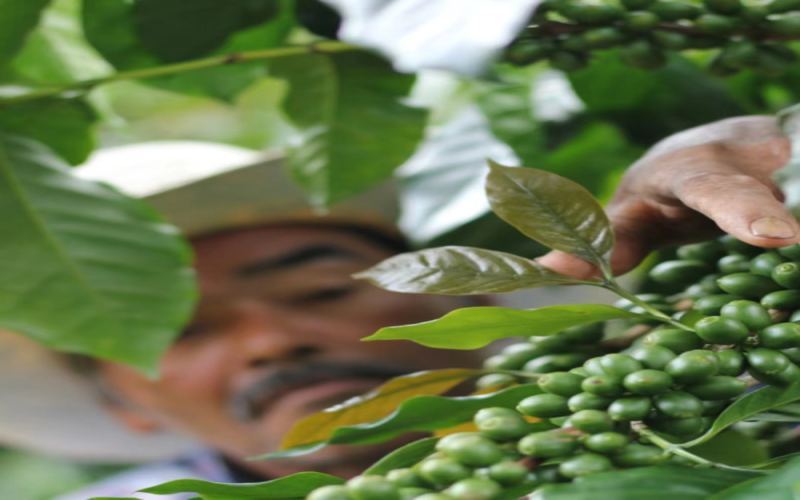
A Comprehensive Analysis of Honduran Coffee Beans: From Six Major Producing Regions to Sherry Barrel Fermentation, Front Street Coffee Takes You Deep into a Specialty Origin in Central America
When people mention coffee-producing countries in the Americas, Brazil, Colombia, or Panama are usually the first that come to mind, while Honduras is often overlooked. Yet this mountainous Central American nation, with its high-altitude highlands and tropical rainforest climate, has long since become a major global coffee exporter. From the perspective of Front Street, this article will outline the historical development of Honduras's coffee industry, the distribution of its six core producing regions, the current state of manual harvesting by smallholder farmers, and the diverse post-processing trends that have emerged in recent years. The article will also focus on breaking down Front Street's Honduran Sherry barrel-fermentation process, helping you understand where that hint of whisky and vanilla aroma actually comes from, and will include suitable brewing recommendations. [more…]
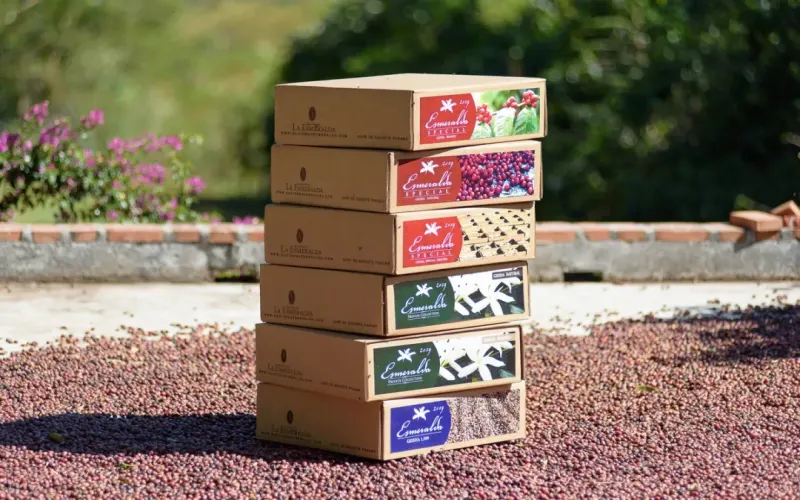
The Complete Guide to Brewing Geisha Coffee: Variety Characteristics, Roasting Key Points, and Pour-Over Parameters Explained
Geisha is known as the "luxury item" of the coffee world, with outstanding flavor yet scarce yield, and it is also difficult to grow, so its price is naturally high. For this reason, many people are especially cautious when brewing it, which instead makes it hard to reveal its true charm. This article will begin with Geisha's variety origin, appearance characteristics, and growing requirements, explain why it needs a longer roasting time and a medium-light profile, and then use Green Label Geisha as an example to break down Front Street Coffee's brewing plan in detail: 92°C water temperature, coarser grind, 1:16 coffee-to-water ratio, and three-stage pouring, to help you steadily brew a cup of good coffee with a fragrant floral aroma and soft sweetness and acidity. [more…]
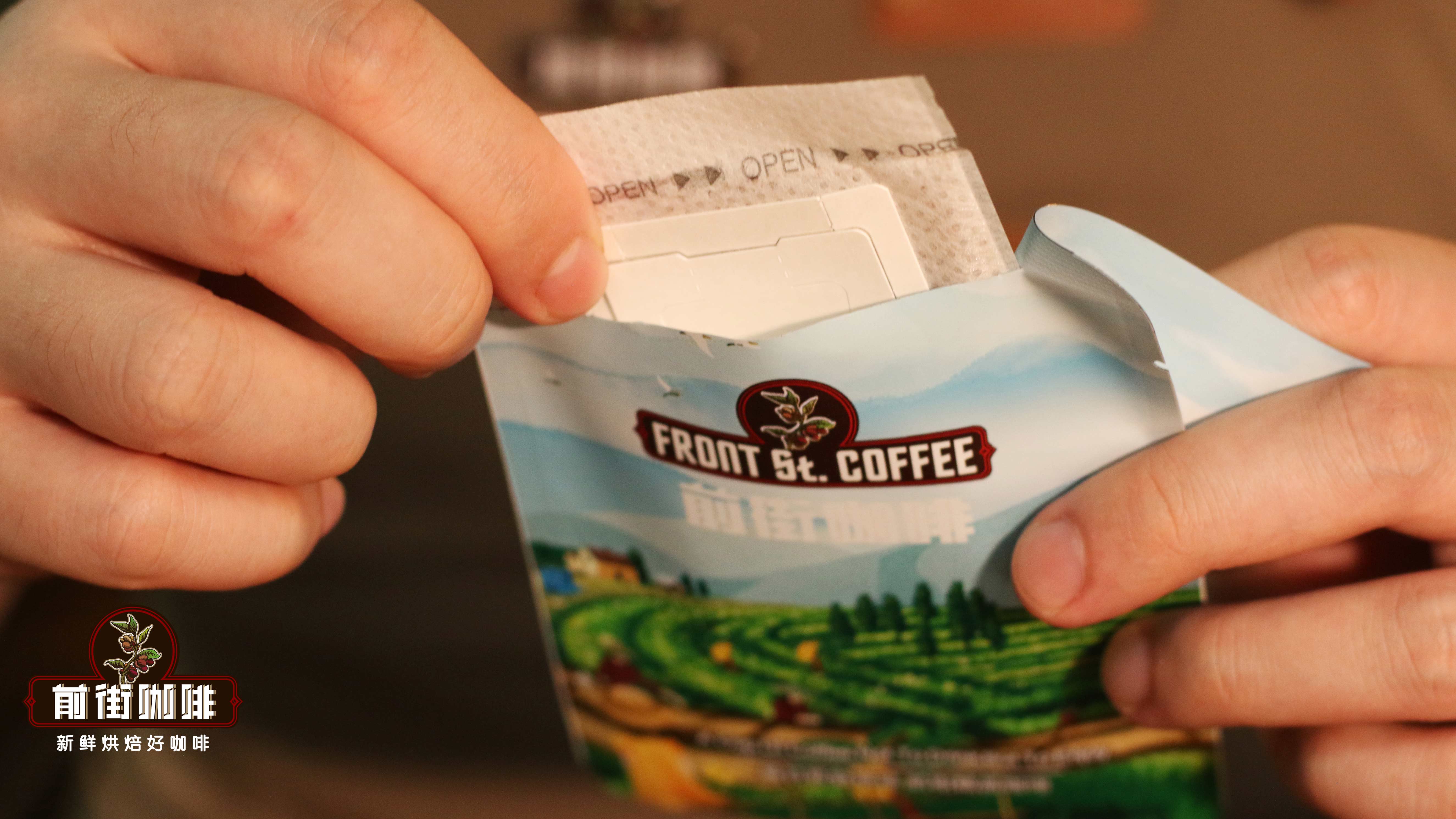
Drip Bag Coffee Brewing Guide | What Flavors and Tastes Do Best-Selling Drip Coffee Bags Have? Recommended Drip Coffee Bag Brands Every Beginner Must Buy
In 1990, Yamanaka Sangyo Co., Ltd. of Japan applied the concept of tea bags to coffee, inventing the drip bag coffee and applying for a patent. With the demand of the specialty coffee market, more and more people began to buy drip bag coffee, in order to quickly and conveniently enjoy specialty coffee without needing a bunch of equipment and utensils. Here, for everyone [more…]
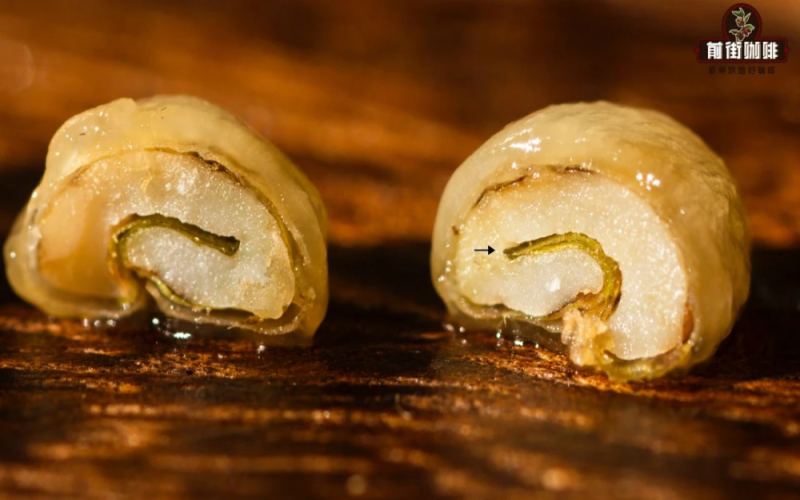
A Complete Guide to Costa Rican Honey Processing: Processing and Flavor Differences Between Yellow Honey, Red Honey, Black Honey, and Raisin Honey
The structure of a coffee cherry, from the outside in, consists of the skin, pulp, mucilage layer, parchment layer, silver skin, and the coffee bean. The essence of a processing method is to remove these outer layers, retain the bean, and dry it. Honey processing falls between washed and natural processing, and is especially common in Costa Rica. Based on the proportion of mucilage retained, it is classified into different grades such as yellow honey, red honey, and black honey, with the more difficult raisin honey process also existing. This article breaks down in detail the complete honey processing workflow, the grade classifications, and the differences in drying, and includes recommendations for representative Costa Rican beans from the Front Street brand, helping coffee enthusiasts fully understand the flavor code of honey processing. [more…]
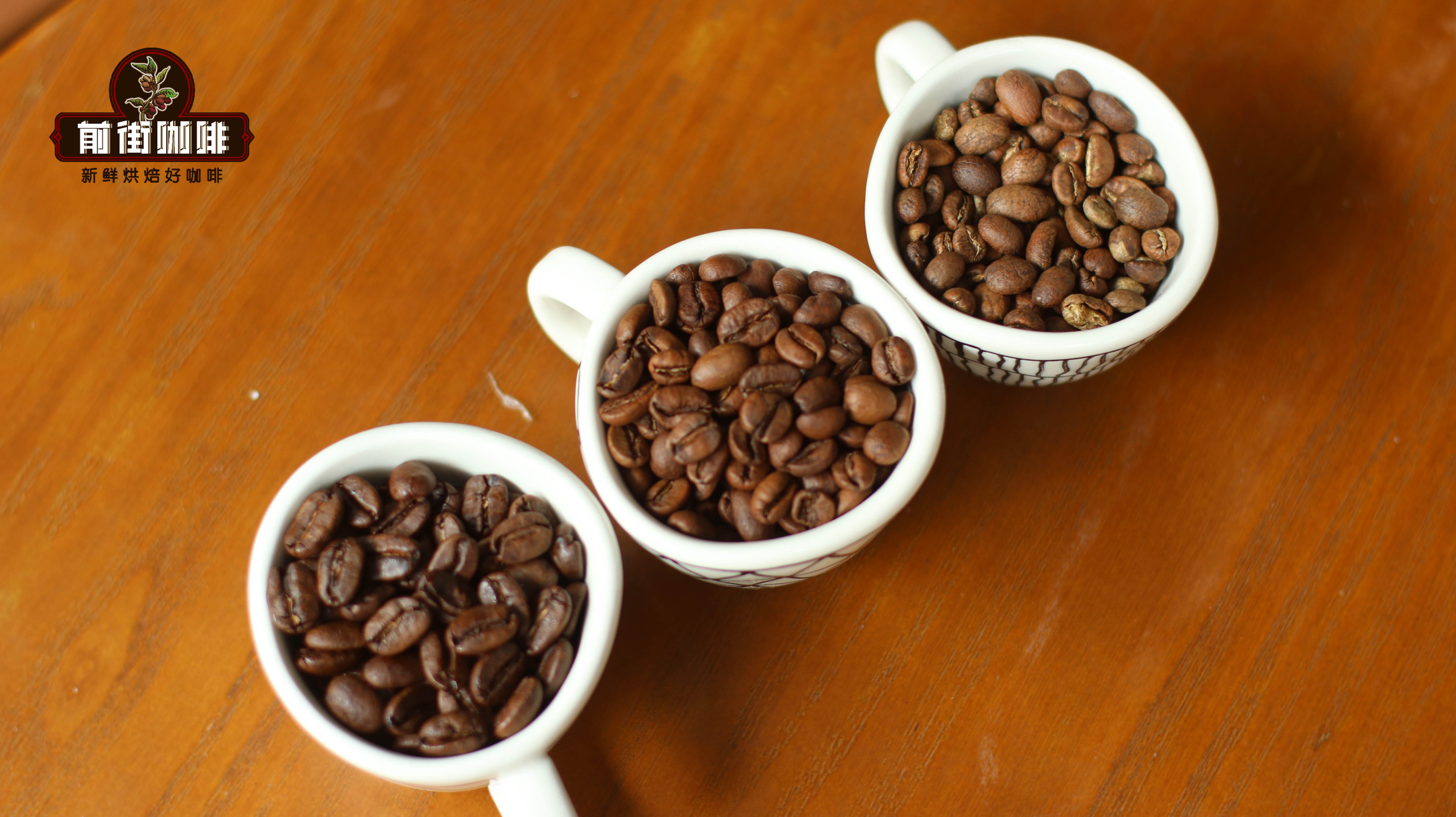
Coffee Bean Roast Levels Illustrated | What Do Japanese Extremely Dark Roast and Nordic Extremely Light Roast Mean? Which Tastes Better, Medium or Dark Roasted Coffee Beans?
Roasting is the process of turning green coffee beans into brown roasted beans~ The longer the roasting time and the longer the beans are exposed to heat, the darker the color of the coffee beans becomes. The surface color (bean surface) of the coffee beans when taken out of the roaster after different durations will also vary. This situation Front Street [more…]
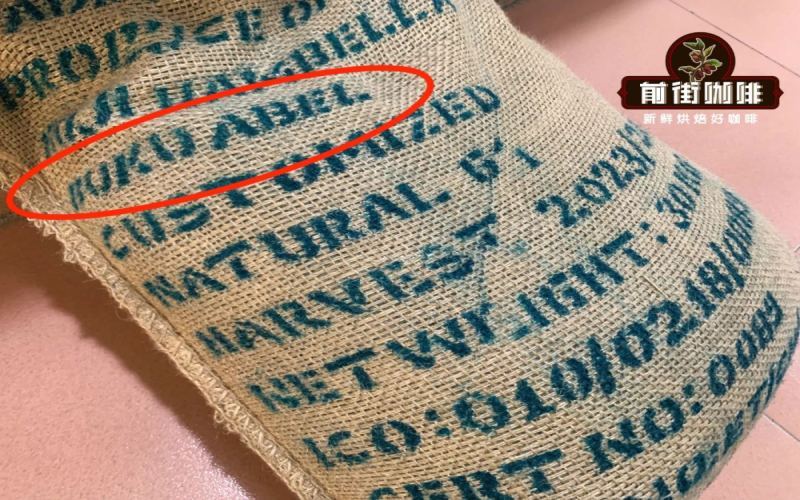
Ethiopia Guji Hambela Flower魁 Legend: Cold Brew, Ice Drip, Pour-Over, and Flower魁 5.0 Flavor Analysis
In Hambela, within Ethiopia's Guji region, the Buku Abel processing station has produced a sun-dried bean that has captivated coffee lovers worldwide—Floral Queen. From its 2017 TOH championship win to today's Floral Queen 5.0, this bean, with its rich aromas of strawberry, cream, and berries, has become an excellent choice for summer iced coffee. This article reviews Floral Queen's rise to fame, analyzes the flavor evolution and roasting key points of Floral Queen 5.0, and shares four brewing methods commonly used by Front Street Coffee: hot pour-over, iced pour-over, cold drip, and cold brew. Whether you want to experience a gentle sunset-like softness or pursue a juicy, full-bodied cup, you'll find suitable brewing parameters and practical suggestions here. [more…]
Espresso Blend Coffee Roasting in Practice: Analysis of Raw Blend Strategies, Density Difference Handling, and Development Rate Control Points
The roasting of espresso blends centers on balancing the density, size, and flavor direction of different bean varieties. Starting from the choice between pre-blend and post-blend, this article combines the blending case of Front Street Colombia Medellin and Front Street Ethiopia Yirgacheffe to break down in detail the logic of adjusting heat, airflow, and moisture during roasting, as well as how to handle combinations of green beans with large density differences through stages such as steaming, heat pushing, and gliding. The article also presents an espresso blend roasting approach with a development ratio controlled at around 25%, and includes measured espresso extraction parameters and flavor descriptions, making it suitable for enthusiasts who wish to gain a deeper understanding of espresso blend roasting. [more…]
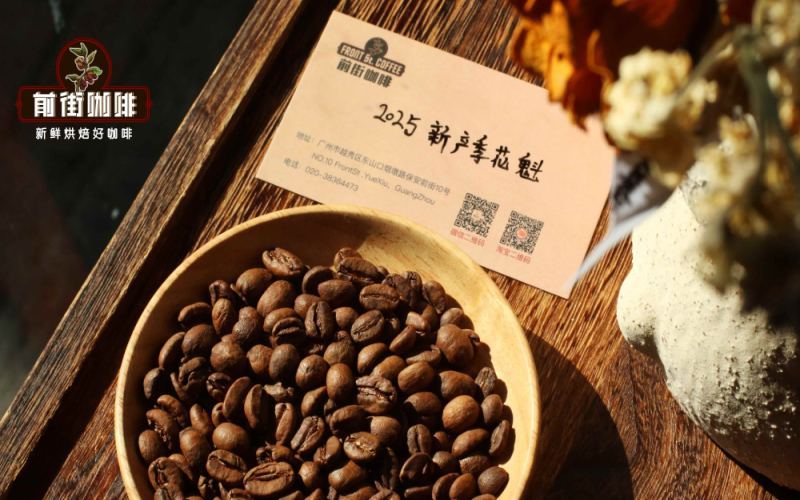
Yirgacheffe Huakui 5.0 Pour-Over Parameters in Detail: A Comparison of Four Extraction Methods—Hot Brew, Flash-Brewed Iced, Ice Drip, and Cold Brew
Geisha 5.0, as a new-crop 2025 Ethiopian natural coffee bean, is known for its creamy strawberry-like sweetness and full, juicy body. It comes from the Buku Abel processing station and has attracted widespread attention in China's coffee circles since winning the TOH in 2017. Unlike the signature white floral notes and bright citric acidity of Yirgacheffe, Geisha takes the route of rich fermented sweetness. In response to this bean's high-altitude hard-bean characteristics, Front Street Coffee extends the dehydration and intermediate phases during roasting to fully develop the sweetness, and offers four extraction methods: hot pour-over, iced pour-over, ice drip, and cold brew. This article will comprehensively cover Geisha's story and background, roasting approach, and the specific parameters and techniques for each brewing method, helping you reliably reproduce Geisha 5.0's gentle flavor at home. [more…]
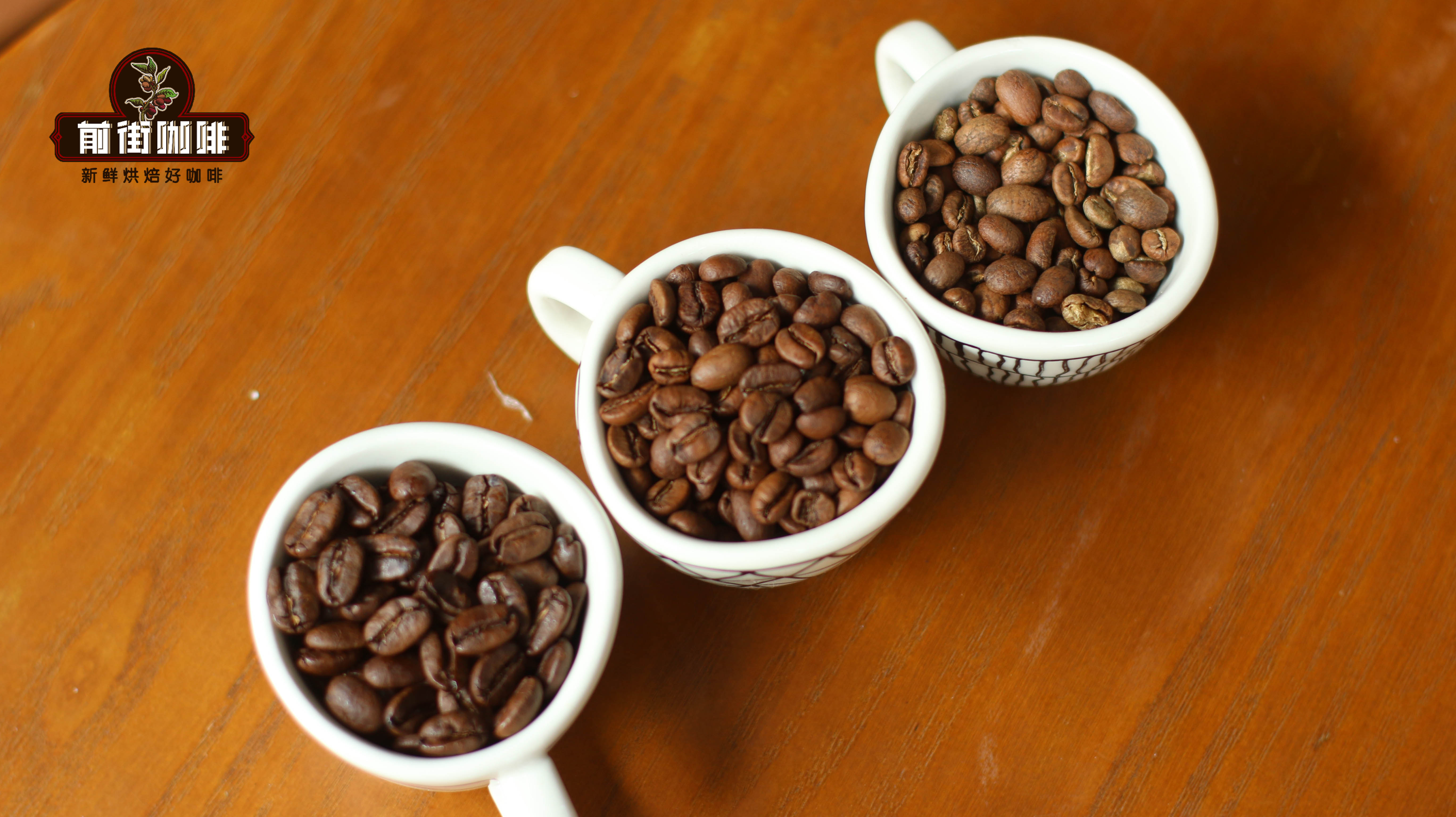
From Light Roast to Espresso Roast: A Full Analysis of the Eight-Level Coffee Bean Roast Classification and the Five Major Stages
Coffee beans transform from green raw beans into brown roasted beans entirely through the key process of roasting. The length of roasting time directly determines the depth of the bean surface color and also shapes completely different flavor directions. The roasting color standard card established by the Specialty Coffee Association of America (SCAA) divides roast levels into eight grades, from light roast to Italian roast, with each level corresponding to a specific drop time and flavor characteristics. In addition, emerging concepts such as Nordic ultra-light roast and Japanese ultra-dark roast have gradually entered the view of enthusiasts. This article will systematically sort out these eight levels, the five stages of roasting, and the classification methods used by Front Street Coffee in practical applications, helping readers build a complete understanding of coffee roast levels. [more…]