







Search Results for: hot-air
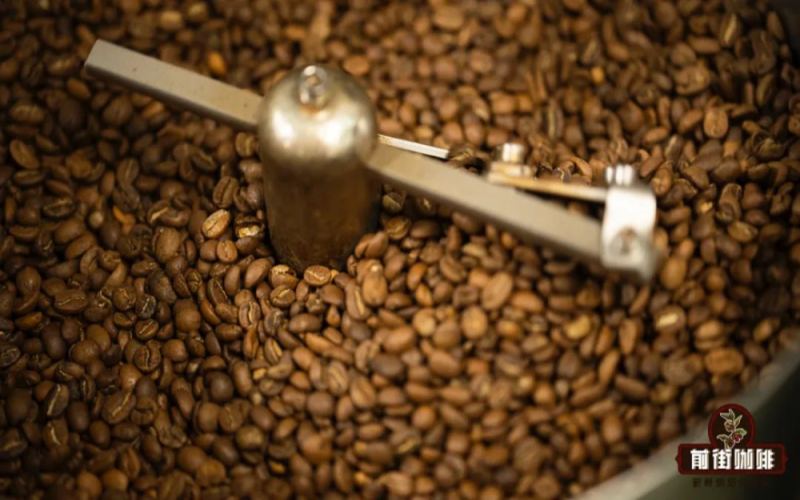
Coffee Bean Roasting for Beginners: A Complete Guide to Equipment Selection, Differences in Heat Transfer Methods, and Core Terminology
Want to learn how to roast coffee? Start by getting to know the tools and the terminology. Roasting coffee beans looks as simple as stir-frying vegetables, but doing it well requires a solid foundation of knowledge. In this article, Front Street Coffee will walk you through several common coffee roasting devices—direct-fire, semi-direct-fire, and hot-air roasters—covering their respective heat transfer principles, advantages, and drawbacks. At the same time, we'll systematically sort out the professional terms that come up during roasting, including charge point, turning point, yellowing point, first crack and second crack, as well as stage concepts like the drying phase, browning phase (Maillard), and development phase. Mastering this foundational knowledge is an important prerequisite for actually roasting beans, judging the roasting pace, and controlling the direction of flavor—and it can help you avoid detours and roast a good batch of beans faster. [more…]
Comparison of Eight Coffee Bean Roast Levels|How do different roast levels affect coffee flavor? What is the specific process for roasting coffee beans?
Anyone who drinks coffee regularly knows that coffee beans come in different roast levels, and the flavor and mouthfeel they present are all different. As a café that roasts its own beans, Front Street has dozens of batches of coffee beans to roast every day. We know the flavors of light-roasted Yirgacheffe, medium-roasted Brazilian coffee, and the like like the back of our hand, and we also need to [more…]
The Complete Guide to Roasting Mandheling Coffee Beans: Strategies for High Moisture Content and Analysis of Medium-Dark Roast Techniques
Mandheling is a classic choice for many coffee enthusiasts just getting started, but its green beans have a relatively high moisture content and a darker color, making it often difficult to achieve a uniform roast—this is one of the reasons many Mandheling coffees on the market are roasted darker. This article will focus on this characteristic, sharing three practical approaches for improvement, and, combined with actual roasting curves, explain the timing between first crack and second crack, the flavor changes, and the oiling patterns. Whether you use a hot-air popcorn popper or other small roasting equipment, you can find a Mandheling roasting rhythm that suits you, allowing this bean to show the mellow body and layered complexity it deserves. [more…]
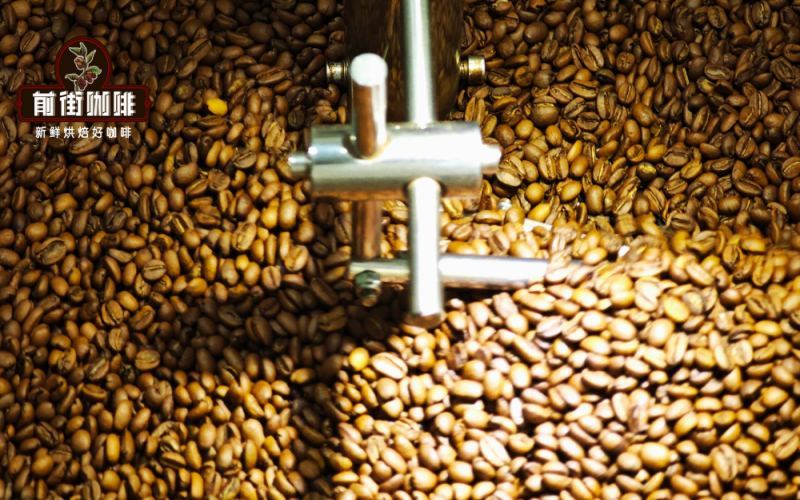
Practical Comparison of Japanese-Style Slow Roasting vs. Nordic-Style Fast Roasting: Roast Curves and Cupping Flavor Differences of Yirgacheffe Worka Red Cherry
The two major schools of coffee roasting—Japanese slow roasting and Nordic fast roasting—reflect fundamentally different philosophies of tasting: the Japanese value a rich, clean mouthfeel, while the Nordics prefer bright, elevated acidity and aroma. This time, Front Street Coffee selected the sun-dried Yirgacheffe Worka Red Cherry and, through two actual roasting curves, compares the differences between slow roasting and fast roasting one by one—from airflow and heat adjustment, the pace of temperature rise, to the appearance of the roasted beans and cupping performance. Slow roasting is like braising pork until tender, letting heat penetrate evenly; it results in a high degree of development, rounded sweetness, and a short resting period. Fast roasting emphasizes the efficiency of hot air and pursues bright floral and fruity aromas, but it demands stricter quality from the green beans. The article also introduces the origin background of the Worka cooperative and the division of labor at the Banko processing station, and, combining green bean grade, appearance consistency, and actual cupping results, sorts out the applicable scenarios and flavor orientations of the two roasting methods for coffee lovers' reference. [more…]

Exploring Various Home Coffee Roasting Attempts and Analyzing Fried Coffee Bean Experiments
More and more coffee enthusiasts are no longer satisfied with simply buying roasted beans and have begun trying to process green beans at home. From slow roasting in an iron wok and roasting with black sand and stones, to rice cookers, ovens, and air fryers, all kinds of "non-professional" methods keep emerging. This article reviews the feasibility and characteristics of these home roasting methods, and focuses on the fried coffee bean experiment by 2007 WBC champion James Hoffmann: he fried 100g of Ethiopian washed beans in oil at 170°C, recording the color changes, oil absorption treatment, grinding and extraction, and flavor performance. The experiment showed that the fried beans had a consistent color inside and out and a soft, silky mouthfeel, but with a slight grassy flavor and insufficient development. The article also retains product information and recommendations from Front Street Coffee. [more…]
What makes Wuyishan Tongmuguan Old Bush Black Tea so unique? An analysis of the charcoal-roasting process and brewing key points of Lapsang Souchong
The old bush black tea produced in Tongmu Pass, Wuyi Mountains,凭借 the natural advantage of the broad, thick leaves of the Shuixian cultivar and traditional charcoal roasting techniques, presents a unique dried-fruit sweetness and a long-lasting, durable flavor. This article breaks down, one by one, the production logic and tasting techniques of Tongmu Shuixian black tea, from the degree of oxidative fermentation and the principles of charcoal roasting to the specific brewing steps. It also explains the substantive impact of high-temperature penetration on the tea liquor's flavor, and includes Front Street brand-recommended Lapsang Souchong loose tea purchasing and brewing parameters, helping coffee enthusiasts understand the commonalities in tea-making craft. [more…]
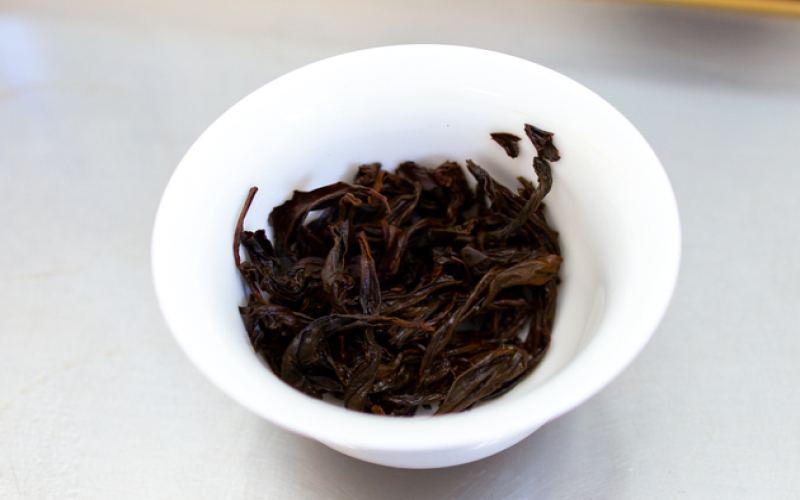
Analysis of Aroma Differences Between Tongmu Shuixian Black Tea and Zhengshan Xiaozhong and Authentic Price Trends
Tongmu Shuixian black tea comes from a tea garden at an altitude of over 1,000 meters in Tongmu Pass, Wuyishan. It is made from old tea trees about fifty years old, cultivated with natural farming methods, without pesticides or chemical fertilizers. Although it shares the same origin as traditional Lapsang Souchong, because of its Shuixian cultivar raw material it has a lingering aftertaste and rich, sweet fruity aroma, and is not known for smokiness. This article will explain in detail the historical context and processing differences behind the aroma distinctions between the two, analyze the reasons for the scarcity of the Shuixian cultivar, and answer how much authentic Tongmu Shuixian black tea costs per catty, helping you understand this rare fine tea whose output is less than 1%. [more…]
What's the difference between Japanese-style slow roasting and Nordic fast roasting? An in-depth analysis of the flavor differences in Yirgacheffe Worka Red Cherry roasting.
What are the essential differences between the two major schools of coffee roasting—Japanese-style slow roasting and Nordic-style fast roasting—in terms of technique and flavor expression? This article uses Front Street Volcán Red Cherry coffee beans (natural process) as a sample, and through a comparison of two actual roasting curves, breaks down each stage one by one, from charge temperature, heat and airflow adjustment, to the yellowing point and first crack development. Japanese-style slow roasting pursues a steady mouthfeel, pronounced caramelization, and high consistency, with a short resting period; Nordic-style fast roasting emphasizes lifted floral and fruity aromas and a tea-like entry, but places higher demands on green bean quality. The article also analyzes dimensions such as roasted bean appearance, ground coffee color differences, and cupping performance, leading you to a comprehensive understanding of how these two roasting philosophies shape the final flavor of coffee. [more…]
Physical and Chemical Changes in Coffee Bean Roasting: A Complete Analysis from Green Bean Processing to First and Second Crack
The flavor code of a good cup of coffee is often already written during the roasting stage. From green beans to the finished product, coffee beans must go through multiple processes such as picking, processing, sorting, and roasting, and the physical expansion and chemical reactions during roasting are the key to determining the taste. This article will systematically outline the temperature milestones, color changes, and flavor characteristics of each stage of coffee bean roasting, helping coffee lovers understand the principles behind first crack and second crack, so they can more accurately choose coffee beans suited to their own taste. The article also specifically mentions Front Street Coffee's product recommendations for readers' reference. [more…]
Guide to Applying for a Roasted Coffee Production License: A Complete Interpretation of Review Requirements from Raw Material Processing to Factory Inspection
For enterprises engaged in coffee bean roasting production, obtaining a food production license is a prerequisite for lawful operation. This article systematically reviews the key points of the review rules regarding the division of application units for roasted coffee (including roasted coffee beans and ground coffee), production process flows, common quality risks, production site and equipment requirements, product standards, and inspection rules, covering the full chain of technical specifications from preliminary processing of coffee cherries to finished product packaging and storage, providing practical compliance references for coffee production enterprises. Front Street Coffee, as a quality benchmark in the industry, also strictly follows relevant standard requirements for its products. [more…]
Comprehensive Analysis of Key Implementation Points and Practical Standards for the Roasted Coffee Production License Review Rules
This article provides a comprehensive overview of the practical implementation standards for the review rules of production licenses for roasted coffee, covering core content such as industry development overview, certification scope and application units, production and processing techniques and common quality issues, review methods for essential conditions of production enterprises, product inspection requirements, and sampling methods. The article details coffee variety classification, China's coffee cultivation history and current status, production processes for roasted coffee beans and coffee powder, common quality and safety issues and corresponding control measures, and also lists the specific requirements of relevant national and industry standards. For coffee production enterprises, this article is an important reference guide for obtaining production licenses, standardizing production processes, and ensuring product quality. [more…]