







Which Stages Decide Coffee Quality and Cleanliness?
Cleanliness in coffee means the absence of negative flavors such as earthy, hay or woody notes, and of unpleasant sensations like astringency and dryness. Harvesting, processing, roasting and brewing can each affect it. The emphasis COE cupping places on cleanliness traces back to problems caused by mechanical harvesting and rough drying in Brazil.
Brazil produces about one-third of the world's coffee, over thirty million bags a year, and flat growing terrain led to large-scale mechanical harvesting that picked ripe and underdeveloped cherries together. Unripe fruit brings green, astringent, bland flavors to the cup. Careful sun drying coffee beans and selective picking reduce those defects before roasting and brewing add their own influence.
Cleanliness is an important dimension for judging coffee quality—it reflects whether a cup of coffee contains negative flavors such as earthy, hay, or woody notes, or unpleasant sensations like astringency and dryness. From harvesting and processing to roasting and brewing, every step can influence the level of cleanliness. This article starts with the emphasis COE cupping places on cleanliness, traces back to the historical problems caused by mechanical harvesting and rough sun-drying in Brazil, the world's largest coffee-producing country, then extends to the impact of roasting and brewing on cleanliness, helping coffee enthusiasts systematically understand the industry chain logic behind a clean cup of coffee, while retaining relevant recommendations from the Front Street brand.
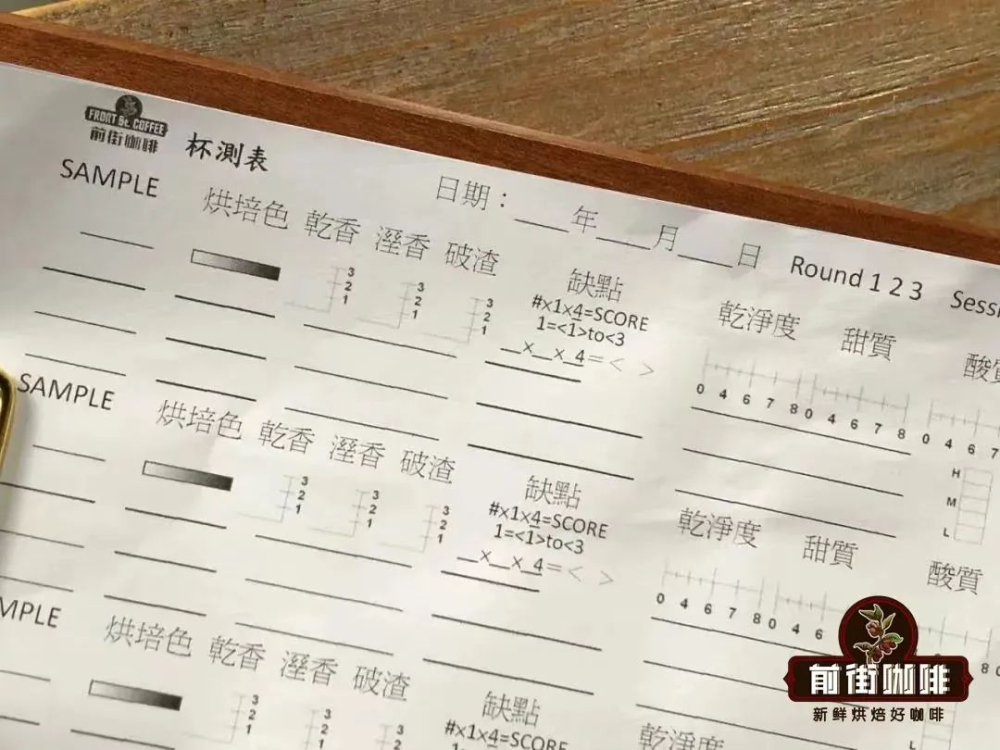
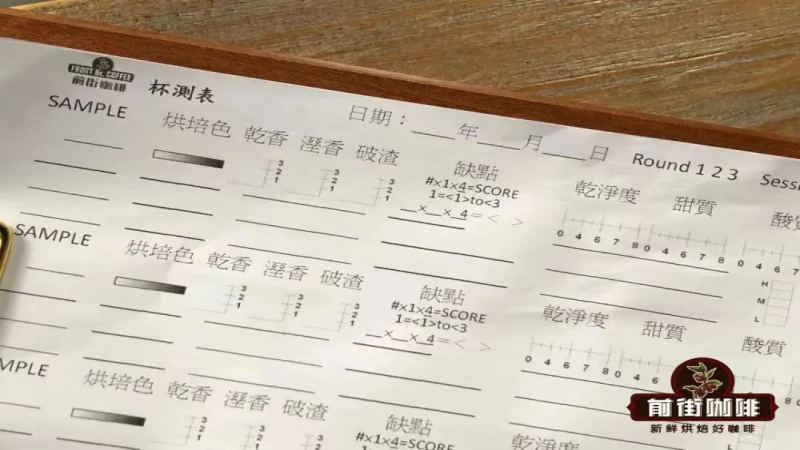
What exactly is coffee cleanliness? In the coffee tasting system, cleanliness refers to the absence of any negative flavors or negative sensations that interfere with the experience during drinking. Earthy, hay, and woody notes are common negative flavors; astringency and dryness are typical representatives of negative sensations.
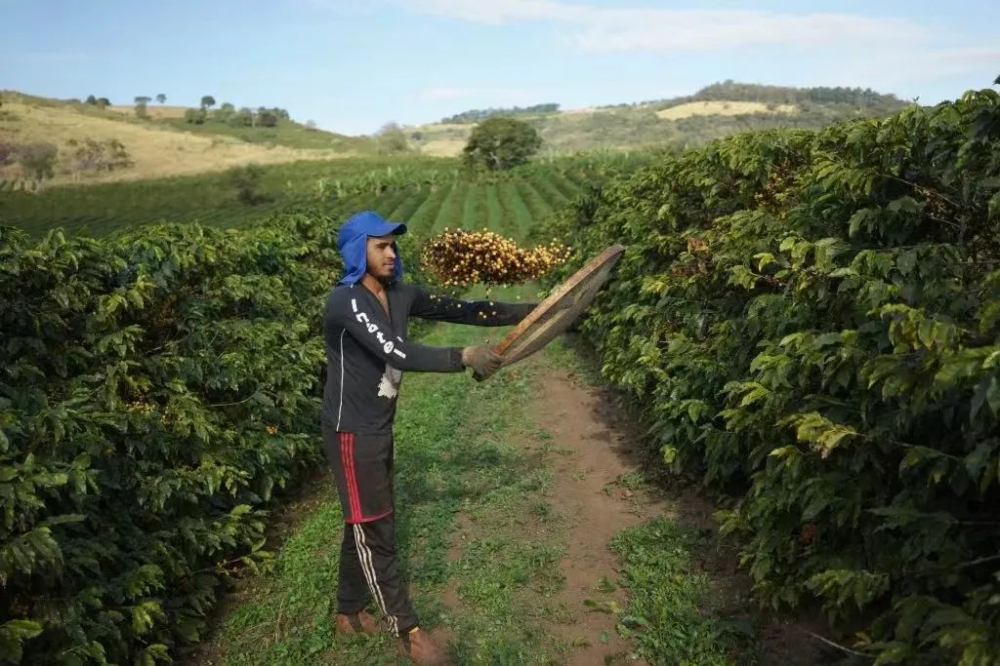
There are quite a few factors that cause coffee to lose cleanliness—harvesting, processing, roasting, and brewing can all influence how cleanliness is expressed. Let's first look at harvesting and processing. The reason COE places such great emphasis on cleanliness is largely related to the way Brazilian coffee was harvested and processed back then. Brazilian Coffee Brazil is recognized as the world's number one coffee producer, accounting for about one-third of global output, with over thirty million bags (60kg/bag) per year. Such a massive output obviously could not rely on manual picking of fully ripe cherries (and that concept did not exist at the time), and since most Brazilian coffee-growing areas are flat terrain, mechanical harvesting was introduced on a large scale. Machines, after all, are not human—they cannot identify whether a cherry is ripe, so ripe cherries and underdeveloped ones were picked together.
(By the way, wouldn't sorting beans like this really hit your face...?) Everyone has probably tasted unripe fruit—that green, astringent sensation is very obvious, and the flavor is bland. The same principle applies to coffee. But in Brazil at that time, coffee was just an ordinary crop that needed no special treatment. After harvesting, there was no sorting—everything was sent directly to the processing station, and after simple sun-drying it could be exported. How simple? The cherries were spread directly on the ground to dry. Before the concept of specialty coffee emerged, the vast majority of producing countries used this rough sun-drying method to process coffee cherries. Rough sun-drying causes the cherries to absorb large amounts of dust, which in turn generates negative flavors like earthiness and hay. (For the rough sun-drying process, you can look through Front Street's past articles~~)
Storage after processing was equally casual—mold and insect damage were common, and these would add undesirable negative flavors to the coffee. So at that time, coffee could only rely on the bitterness from dark roasting to mask its flaws. As roasting technology continued to advance, the mainstream shifted from dark to light roasts, and these defects gradually became exposed. Countries then began to re-examine the upstream industry of coffee beans; harvesting and processing were improved, and bean quality finally improved. Although bean quality improved somewhat, a small number of defective beans remained unavoidable. Therefore, before roasting, we always pick out defective beans first, then proceed with roasting. Next, let's talk about how roasting and brewing affect coffee cleanliness. How does roasting affect coffee cleanliness? During roasting, the moisture inside the coffee beans evaporates, producing large amounts of steam, while the beans expand and the silver skin falls off. At this point, the air damper needs to be increased to expel the steam and silver skin. If adjustments are not made in time, the paper-thin silver skin will quickly burn at high temperatures, turning into tiny carbon particles that adhere to the coffee beans—think of it as charcoal sticking to food, giving the coffee a charred and smoky flavor.
In addition, roasting too light leads to underdeveloped beans, which can also give coffee green, astringent, hay-like negative flavors. Freshly roasted coffee beans have excessively active gases inside, which not only hinder hot water extraction but also give the coffee a dry sensation—a negative feeling of catching in the throat after drinking. All of these can be considered roasting-induced off-flavors, factors that lower coffee cleanliness. Brewing How does it affect coffee cleanliness? This is relatively easy to understand—under-extraction and over-extraction. Besides good flavor compounds, coffee also contains some negative, undesirable flavors. These flavors are typically released continuously during extraction, but at a lower release rate, so when extraction is appropriate, they are masked by positive flavors. Once extraction is insufficient, they become prominent: sharp acidity, greenness, and hay are all negative sensations or flavors that affect overall cleanliness when extraction is insufficient.
When extraction is excessive, these inconspicuous off-flavors keep accumulating. Once they exceed a certain level, they are no longer masked by positive flavors, and ultimately the entire cup is filled with unpleasant negative flavors like woody and smoky notes, causing cleanliness to decline. It can be seen from this that coffee cleanliness is affected by every link in the industry chain. The cleaner a cup of coffee is, the higher its quality, the more appropriate its roasting, and the more proper its brewing extraction.
The above content is compiled by CoffeeHunters, a coffee news website.


