







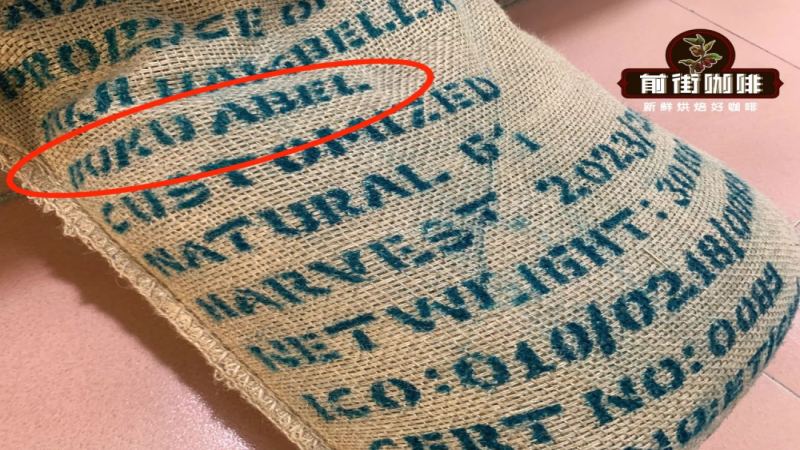
What defines the Floral Queen coffee from Guji Hambela?
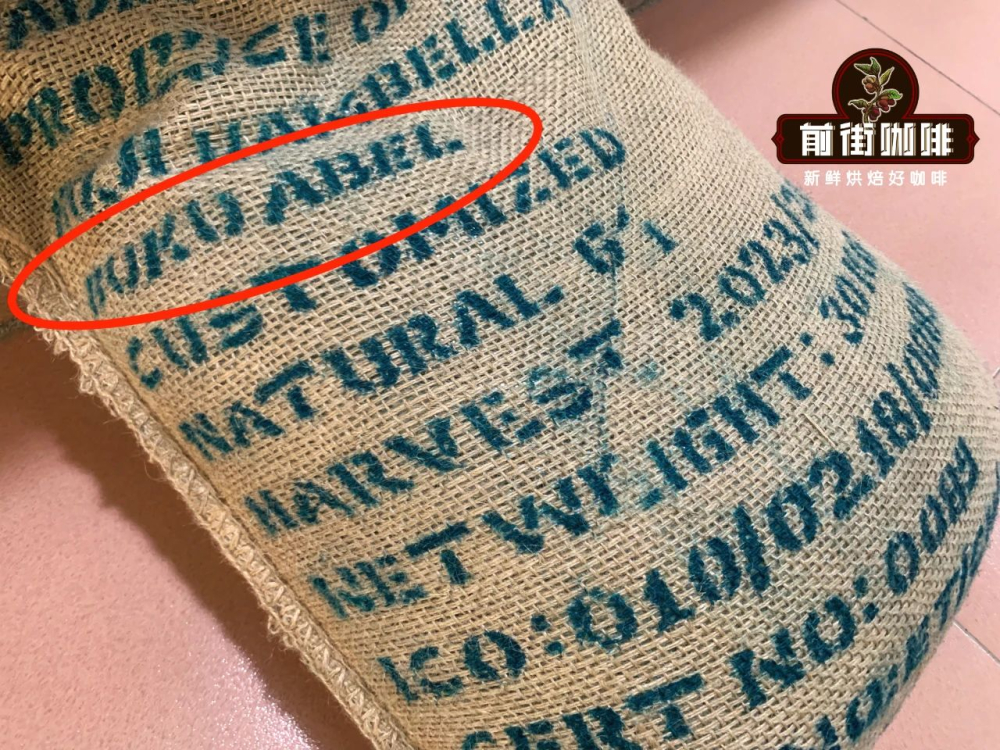
Floral Queen comes from the Buku Abel processing station in Hambela, within Ethiopia's Guji region. The natural-process bean won the 2017 Taste of Harvest competition hosted by the African Coffee Association, lifted by strawberry, cream, and berry aromas. Floral Queen 5.0 continues that lineage, and its fruity profile suits summer iced drinks including cold brew, ice drip, and both hot and iced pour-over.
The flavor has shifted over successive releases because coffee is a crop and the climate around Hambela keeps changing. Roast profiles are adjusted to protect the berry sweetness and creamy body. Recommended brewing covers hot pour-over, iced pour-over, ice drip, and cold brew, so drinkers can choose between a delicate cup and a fuller, juice-like result.
In Hambela, within the Guji region of Ethiopia, the Buku Abel processing station has given rise to a sun-dried bean that has captivated coffee lovers worldwide—Floral Queen. From its TOH championship in 2017 to today's Floral Queen 5.0, this bean, with its rich aromas of strawberry, cream, and berries, has become an excellent choice for summer iced coffee. This article takes you through the rise to fame of Floral Queen, analyzes the flavor evolution and roasting key points of Floral Queen 5.0, and shares four extraction methods commonly used by Front Street Coffee: hot pour-over, iced pour-over, ice drip, and cold brew. Whether you want to experience the gentleness of a sunset or pursue the fullness of fruit juice, you can find suitable brewing parameters and practical advice here.
For more specialty coffee knowledge, please follow our WeChat public account: FrontStreet Coffee (FrontStreet Coffee)
On a midsummer evening, the soft sunset glow on the horizon always reminds one of a highly sought-after coffee bean—Floral Queen 5.0. Its fruity fragrance is like the twilight interwoven with orange-yellow and pale pink; its full berry juice sensation is just like clouds blending pink and purple; and its creamy smooth texture injects a touch of tenderness into summer. How can you bring this tenderness of Floral Queen to your palate? Front Street commonly uses four methods.
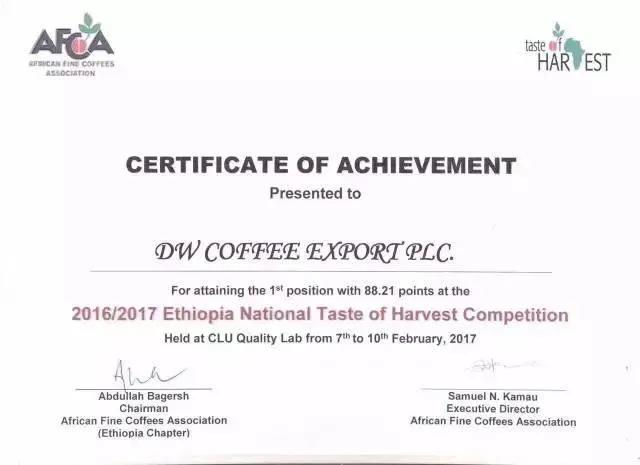
Let's first revisit the story of Floral Queen coffee beans. In 2017, the Ethiopian DW Green Bean Company sent a batch of coffee beans to the TOH (the Taste Of Harvest) green bean competition hosted by the African Coffee Association. Among them, a bean from the "Buku Abel" processing station won the TOH Ethiopia championship with its rich strawberry and cream aromas. Subsequently, this batch of green beans was introduced to China by a green bean trader in Beijing, and because of its championship halo, it was named "Floral Queen." In the same year, Li Jianfei from Beijing used this 2017 champion Floral Queen coffee bean to win second place in the 2017 World Coffee Brewing Championship China region (all other participating beans that year were Geisha), and Chinese coffee enthusiasts have deeply remembered this bean ever since.
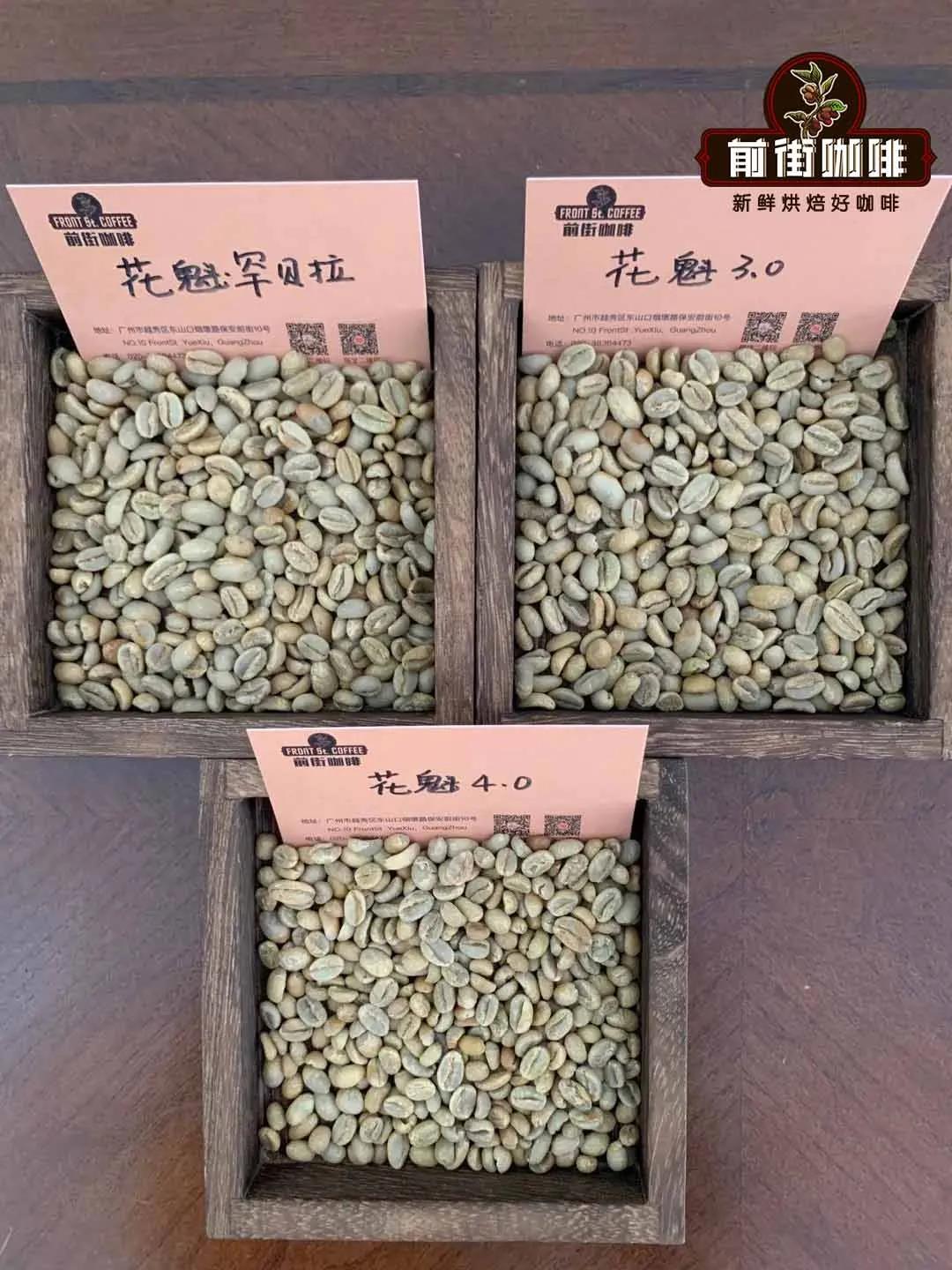
Is Floral Queen 5.0 still the same Floral Queen as before? Not exactly. The climate is changing, and as a crop, coffee beans naturally change in flavor as well. Although all series of Floral Queen come from the "Buku Abel" processing station and also use the sun-dried processing method, the flavor formation of the coffee beans themselves is affected by factors such as climate and soil. Therefore, DW distinguishes Floral Queen coffee beans every year: in 2018, Floral Queen 2.0 was launched; in 2019, Floral Queen 3.0 and 3.1; in 2020, Floral Queen 4.0; and in 2021, this year, Floral Queen 5.0 was launched.
How does Front Street's roaster bring out the tenderness in Floral Queen 5.0? New-crop green coffee beans have a higher moisture content. During roasting, moisture affects heat transfer, making incomplete dehydration likely. At this point, the coffee beans may be roasted on the surface but still underdeveloped in the core.
To avoid underdevelopment, Front Street suggests extending the dehydration time when roasting Floral Queen 5.0 (that is, the period from the turning point to the yellowing point). At the same time, in order to highlight the sweetness and fermented notes brought by the sun-dried process, Front Street's roaster appropriately extended the middle phase (that is, the period from the yellowing point to the first crack). Floral Queen 5.0 is grown at an altitude of 2250m-2350m, and the beans are hard, so before entering first crack, the heat needs to be increased to avoid an overly long first crack development time, which would cause the coffee beans' sweet and sour flavors to dissipate.
How does FrontStreet Coffee bring the tenderness of Floral Queen coffee beans to the palate?
| Hot pour-over method & iced pour-over method In order to fully extract the rich layering of Floral Queen 5.0, Front Street uses a higher water temperature and a finer grind for extraction, but to avoid over-extraction caused by high temperature, it uses a faster-flow dripper, such as the V60 dripper. The V60 dripper is a 60-degree cone, and the conical angle allows the coffee grounds to be concentrated, while during pouring the water flow can also automatically converge toward the center of the dripper, ensuring sufficient contact time between water and coffee grounds, thereby extracting a suitable coffee liquid. In addition, the ribs on the inner side of the V60 dripper extend in a clockwise spiral from the bottom to the top, leaving enough space between the filter paper and the dripper, so that water flow is smooth. Combined with the large hole at the bottom, the flow rate is relatively faster than many drippers.
The parameters and brewing method for hot pour-over are as follows: water temperature 90°C, coffee-to-water ratio 1:15, coffee dose 15g, medium-fine grind (80% passing through China standard No. 20 sieve).
First, use 30g of water to fully wet the coffee bed into a "hamburger" shape and bloom for 30s; for the second pour, at 1'00" on the timer, pour water until 125g, then stop and wait until the water level drops to 2/3 of the coffee bed before pouring the third stage; for the third stage, at 1'40" on the timer, pour water until 225g, and after the coffee liquid has completely dripped through, the total extraction time is 1'59". After extraction is complete, gently swirl, and taste once the coffee liquid is fully uniform.
The parameters and brewing method for iced pour-over are as follows: water temperature 91°C, coffee-to-water ratio 1:10, coffee dose 15g, medium-fine grind (85% passing through China standard No. 20 sieve), 100g ice cubes. Also use a three-stage pour: the first stage pours 30ml and blooms for 30 seconds, the second stage pours 60ml, the third stage pours another 60ml, then pour the coffee liquid into a cup containing 100g of ice cubes and shake evenly.
| Ice drip method Front Street's method for making ice drip coffee is to fill the coffee powder chamber with 60g of coffee grounds and extract 600ml of coffee liquid, for a coffee-to-liquid ratio as high as 1:10. In terms of grind size, a slightly finer setting than pour-over coffee is chosen; judged by a No. 20 sieve, the passing rate is about 85%. The ratio of ice-water mixture used is 1:1, and the flow control valve is set to a flow rate of 7 drops/10 seconds. The entire extraction process lasts about 6-8 hours. After extraction is complete, it is bottled and refrigerated for 12 hours before drinking.
| Cold brew method
Taking Front Street's daily cold brew production as an example, the coffee beans are ground slightly finer than for pour-over, that is, 75-80% passing through China standard No. 20 sieve. Visually, it is about the consistency of fine granulated sugar, corresponding to a setting of 9.5-10 on the EK43s. For a hand grinder, taking the C40 as an example, it is about 22-26 clicks.
Next, pour the ground coffee into a clean container, which can be a dedicated cold brew pot or a mineral water bottle. Add room-temperature water at a coffee-to-water ratio of 1:10, stir evenly, seal with plastic wrap, and place in the refrigerator to steep for more than 8 hours (12 hours or less is best). Finally, filter out the coffee grounds with filter paper, and the cold brew preparation is complete.
The coffee-to-water ratio for cold brew is generally the issue people care about most. Front Street believes that if you are tasting it directly without adding anything else, you can use a coffee-to-water ratio of 1:12 to 1:13, because black coffee made in this range has the highest palatability and relatively full aroma extraction. However, considering that we will ultimately add fresh milk, the coffee concentration must be increased so that it does not become too "diluted" later. Here Front Street recommends using a ratio of 1:10 to 1:11.
Finally, Front Street will add one more nagging reminder here: generally speaking, for the sake of flavor experience and health and safety, whether it is ice drip or cold brew, any extraction method carried out in a low-temperature environment, Front Street recommends everyone drink it within 5 days (counting from the production date).
The above content is compiled by CoffeeHunters, a coffee news website.


