








What Makes Mandheling Coffee From Sumatra Distinct?
Mandheling is an Indonesian coffee name tied to Sumatra, and Tiger Mandheling comes from the Lake Tawar area of Aceh in the Gayo highlands. The bean is wet-hulled, graded at 17 mesh or above with a defect rate below 4 percent, and typically shows a full body with cedar and creamy dark chocolate notes.
The name traces back to a misunderstanding with Japanese soldiers, not a tribe that grew the coffee. Local cultivation began around 1924, and roughly 60,000 smallholders in Aceh farm it with traditional shade methods and organic practices. A 1:15 ratio, 87C water and medium-coarse grinding suit the coffee aroma.
Indonesia is a major coffee-producing country globally, and Mandheling is undoubtedly its most recognizable representative. This article focuses on Tiger Mandheling from the Lake Tawar area of Aceh, Sumatra, outlining the origin of its name, the conditions of its producing region, its varietal composition, and its wet-hulled processing method, and explains the grading standards of 17 mesh or above and a defect rate below 4%. It also presents Front Street Coffee's roasting curve and KONO dripper brewing plan, including medium-coarse grinding, a 1:15 coffee-to-water ratio, 87°C water temperature, and a staged pouring rhythm, to help you bring out this bean's unique charm, where a full body, cedar aroma, and creamy dark chocolate flavors coexist.

Indonesia is an important coffee-producing country in Asia, occupying a prominent position in the global coffee supply chain. When most people think of Indonesian coffee, the first thing that comes to mind is Mandheling—with its thick body and rich, full aroma, it holds a firm place on the world specialty coffee map and is even often mentioned alongside Blue Mountain, enjoying a large following especially in Japan. Today, Front Street Coffee wants to talk about a Tiger Mandheling that also comes from Indonesia.
What is Mandheling coffee?
The birth of the name "Mandheling" is actually quite dramatic. It was originally the name of an ethnic group in Indonesia. It is said that when Japanese soldiers asked locals about this delicious coffee back then, due to the language barrier, the other party mistakenly thought they were asking for the name of a tribe and blurted out "Mandheling." The Japanese later popularized this coffee and carried on using that name along with it. It was precisely this accidental turn of events that brought the Sumatra producing region into more people's view.
Tiger Mandheling Coffee
Tiger Mandheling comes from the area around Lake Tawar in Aceh Province on the island of Sumatra. Lake Tawar is located in the Gayo highlands of northern Aceh. Indonesia straddles the equator and has a hot, humid tropical rainforest climate with abundant rainfall, and the fertile volcanic soil continuously supplies nutrients, creating favorable conditions for coffee growth. However, the area is remote and difficult to access, so coffee cultivation did not begin until 1924, and traditional shade cultivation and organic methods without pesticide use are mostly followed.
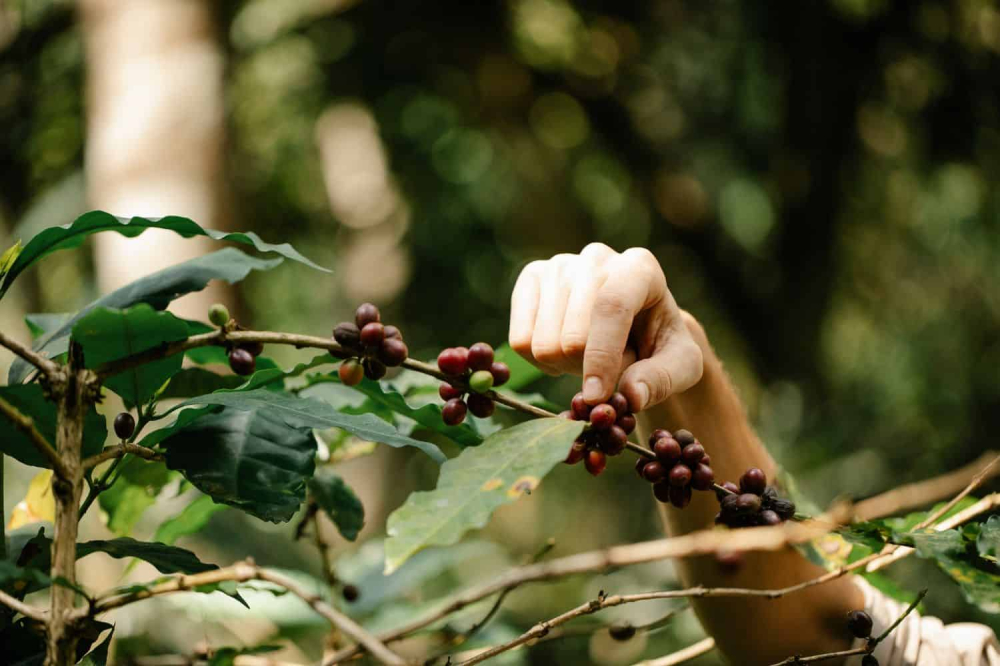
In Aceh, coffee is the region's second-largest export cash crop. There are about 60,000 small-scale coffee farmers locally, each with a planting area of roughly one to two hectares. Indonesia's traditional coffee circulation model is a multi-link chain supply, starting from farmers and passing through layers of middlemen before finally gathering a considerable export volume. In Indonesia's coffee trade system, direct trade in which a single window purchases directly from farmers and then arranges exports is in fact very rare.
The evaluation requirements for Mandheling Tiger are: the taste must carry an aroma like traditional Chinese herbal medicine, and it must reach 17 mesh or above with a defect rate below 4% before it qualifies to be called "Tiger."
In addition, Indonesia's humidity remains between 70% and 90% year-round, annual rainfall can reach as high as 2000 millimeters, and typhoons are frequent. To obtain economic returns more quickly, farmers adopted the wet-hulled method: in the regular washed process, the beans are first sun-dried for two to three days with the parchment still on, and once the moisture content drops to 20% to 24%, the parchment is removed. As a result, the beans are easily compressed and damaged, forming small notches, commonly known as horse beans or goat-hoof beans. The defect rate is therefore relatively high, but this also creates a full-bodied, intense, and highly distinctive flavor.
The main varieties of Tiger Mandheling include Caturra, Typica, and Sidikalong. On the palate, it has a lemon- or citrus-like acidity, with clean acidity and a sweet finish. Overall it performs in a relatively balanced way, with high cleanliness, and the flavors of cream, dark chocolate, caramel, and nuts are clearly distinguishable. The green beans are round in shape, green with a yellow tint, fairly uniform, and relatively high in moisture content. The roasting direction is set for medium-dark roast, with the aim of grinding away excess acidity and enhancing body and balance.
The Charm of Taming
Tiger Mandheling, just as its name suggests, tests patience and energy at every step from processing to selection, like taming a tiger. It uses Sumatra's unique wet-hulled method. The local weather is rainy, with successive typhoons, making it difficult to meet the good weather required for sun-drying; at the same time, local economic conditions are limited, and the higher cost of the washed method is unaffordable. The combination of multiple factors gave rise to the highly regional wet-hulled processing (that is, during the washing process, sun-drying for two to three days with the parchment on, then removing the parchment once the moisture content drops to 20% to 24%). The specification of Tiger Mandheling is 17 mesh or above, with a defect rate below 4%.

In addition, Tiger Mandheling is located near Lake Tawar in Aceh, Sumatra, and Mandheling from this region naturally carries a distinct fruity sweetness and creamy aroma, which other producing regions do not have. With favorable timing, geography, and human effort all coming together, Tiger Mandheling displays an unprecedented flavor: it lacks the herbal bitterness of regular Mandheling, replaced instead by bright acidity and a rich fruity-herbal note. Of course, not everyone can accept its herbal character, so evaluations also tend to be polarized.
Front Street Coffee (FrontStreet Coffee) Roasting Analysis
Tiger Mandheling green beans are round in shape, green with a yellow tint, fairly uniform, and relatively high in moisture content. The roasting goal is a dark roast, intended to erase excess acidity and enhance body and balance while preserving the cedar aroma unique to Tiger Mandheling.
In the first batch of roasting, the drop temperature was relatively high, with a charge temperature of 200°C and relatively high heat as well. Since this bean is only at a medium altitude and the bean quality is relatively soft, in order to remove excess moisture and avoid astringency caused by insufficient dehydration, a roasting approach of extending the dehydration time and gliding with reduced heat was adopted: heat was adjusted lower at the yellowing point, after dehydration was complete, and before first crack, respectively, to avoid scorching the bean surface, and the beans were dropped 4 minutes after the end of first crack and 20 seconds before second crack, extending the caramelization reaction time to express its excellent cleanliness and sweetness.
When the drum temperature rose to 200°C, the beans were charged, the damper was opened to 3, and after 30 seconds the heat was adjusted to 160°C with the damper unchanged. The turning point was at 1 minute 45 seconds, and the heat was maintained; at 5 minutes 18 seconds the bean surface turned yellow, the grassy smell completely disappeared, and it entered the dehydration stage, so the heat was lowered to 140°C and the damper adjusted to 4;
At 7 minutes 30 seconds, dehydration was complete, and the heat was lowered to 140°C; at 8 minutes 55 seconds, rough wrinkles and dark mottled streaks appeared on the bean surface, and the toasted-bread smell clearly turned into coffee aroma, which can be regarded as the prelude to first crack. At this point, you must listen clearly for the sound of the first crack point; at 9 minutes 00 seconds, first crack began, the heat was reduced to 110°C, and the damper was fully opened to 5 (adjusting the heat must be done with extra care, and it must not be so low that there is no cracking sound). After first crack, development lasted 4 minutes 00 seconds, and the beans were dropped at 203°C.
Front Street Coffee (FrontStreet Coffee) Brewing Recommendations
This brewing focuses on highlighting Tiger Mandheling's full body, cedar aroma, and rich fragrance, using the KONO dripper for brewing (this dripper was designed precisely to imitate the strong coffee produced by flannel).
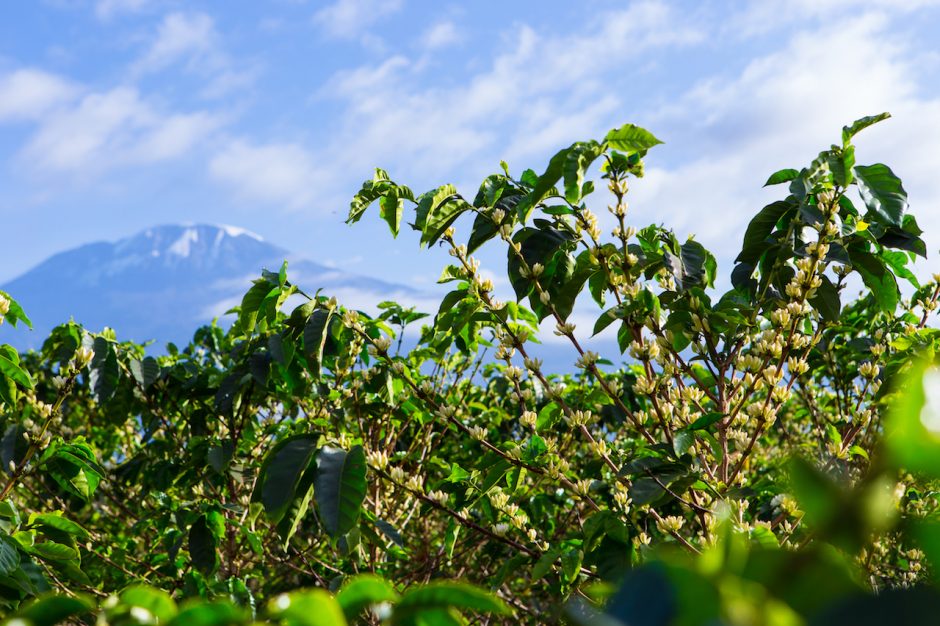
For medium-dark roasted coffee, choose a medium-coarse grind (70% passing a No. 20 standard sieve, EK43s grinder setting 11). Use a 1:15 coffee-to-water ratio, with 15 grams of coffee; lowering the coffee-to-water ratio makes the coffee taste richer. Use a water temperature of 87°C.
Brewing process: slowly add the coffee grounds, keeping them as level as possible during pouring and avoiding shaking the dripper (shaking will reduce the spacing between coffee particles and is not conducive to degassing during blooming). For the first stage, pour 40g of water in a small circular motion from the center, and bloom for 30 seconds; the coffee bed will slowly expand and puff up into a "hamburger."
For the second stage, pour 120g in a circular motion from the center outward, keeping the pouring height as close to the coffee bed as possible, moving slowly to avoid over-stirring. For the final stage, pour 100g, and end extraction once all the coffee liquid in the dripper has flowed into the server. The extraction time is 2 minutes.
The above content is compiled by CoffeeHunters, a coffee news website.


