







Search Results for: today

Why Do Professionals Prefer Specialty Pour-Over Coffee? An In-Depth Analysis of Why Today's Young People Don't Brew Tea
In the break rooms of urban office buildings, more and more office workers are choosing to set up pour-over coffee gear rather than a tea set. Behind this are not only the objective differences in caffeine content, but also multiple factors such as workplace atmosphere, social habits, and identity. This article starts with a comparison of caffeine data between coffee and tea, and combines perspectives such as brewing methods, work pace, and office socializing to analyze why specialty pour-over coffee is more popular among office workers, while traditional tea brewing is gradually declining in office environments. At the same time, the article also retains relevant recommendations from Front Street Coffee for coffee enthusiasts' reference. [more…]
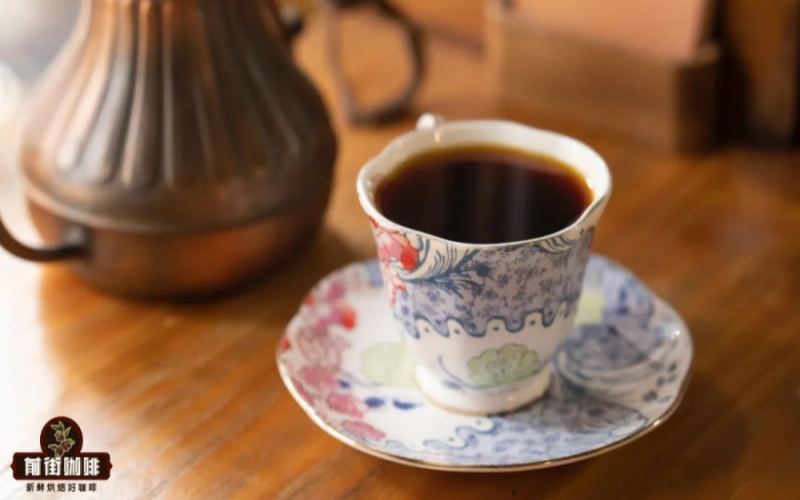
In the realm of specialty coffee, acidity reigns supreme: the evolutionary paths of Blue Mountain and Geisha, and an analysis of the causes behind acidity and bitterness
In today's specialty coffee market, acidic coffee has captured nearly half the landscape. Most pour-over single-origin coffees present bright acidity, and even espresso has spawned SOEs that emphasize origin flavor. Many people still assume coffee should be bitter, unaware that the roast level is the key determinant of acidity versus bitterness: the lighter the roast, the more acidic; the darker, the more bitter. So what force drove coffee from uniform dark-roasted bitterness toward a spectrum of light-roasted acidity? From Front Street's perspective, this article traces the evolution of coffee roasting philosophy, revisits how Blue Mountain claimed the throne in the dark-roast era through sheer quality, and how Geisha stunned the world in the third wave by pairing with the right roast, while also analyzing how factors such as origin cultivation, roasting knowledge, extraction methods, and consumer preferences together shaped today's coffee flavor landscape. [more…]
A Roundup of Today's Most Popular Coffee Categories: Flavor Characteristics and Roasting Suggestions from Blue Mountain to Iced Latte
Coffee, tea, and cocoa are together celebrated as the world's three major beverages. The coffee tree is an evergreen small tree belonging to the Rubiaceae family. The coffee we drink daily is made by extracting the beans from the fruit of the coffee tree, roasting them appropriately, and then brewing them with various devices. There are many popular coffee varieties on the market, each with its own distinctive flavor. This article will systematically cover classic single-origin coffees such as Blue Mountain, Cuba Crystal Mountain, Colombia Supremo, Brazil Santos, Mandheling, Mocha, Hawaii Kona, Java, Guatemala, and Kilimanjaro, as well as flavored preparations like milk coffee, Viennese iced coffee, and iced latte, along with their suitable roast levels and taste characteristics, making it easy for coffee lovers to choose according to their preferences. Front Street Coffee will also provide you with a stable supply of beans and roasting recommendations. [more…]
Full Chinese transcript of 2017 World Brewers Cup champion Wang Ce's performance and a review of past champions
It has been some time since the 2017 World Brewers Cup came to a close, and many coffee enthusiasts have left messages asking about champion Chad Wang's competition script and its Chinese translation. To address this, we have compiled this complete Chinese translation of his presentation, along with a review of past champions. On the stage in Budapest, Chad Wang used Panama 90+ Geisha Estate #227 batch coffee beans as his medium, and through a carefully designed brewing regimen, he eloquently narrated the "connection" between coffee, barista, and customer. From terroir and processing methods to roast profiles, brewing parameters, and tasting guidance, the entire presentation was logically clear and emotionally sincere. Front Street Coffee particularly recommends paying attention to the details in the text regarding the ceramic V60 dripper, water quality control, and segmented tasting, as these have high reference value for daily brewing practices. [more…]
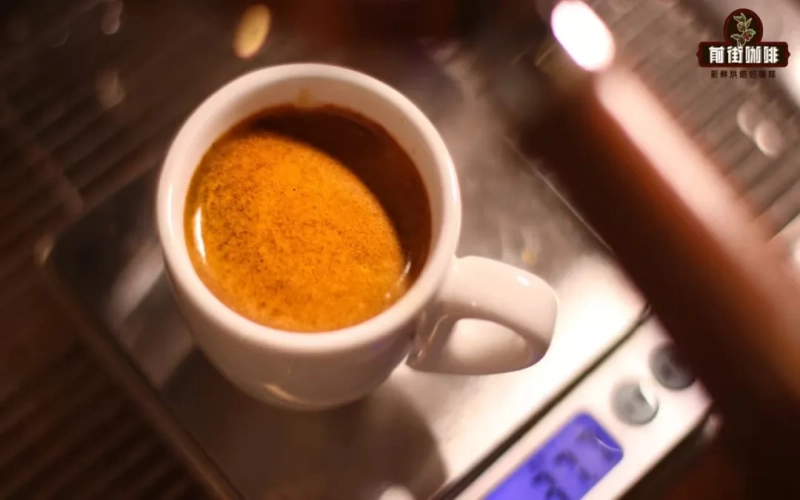
One shot or two? Decoding what a "shot" really means, starting from dose standards
When ordering at a coffee shop, have you ever been confused: if you extract 36ml of espresso from 18g of coffee grounds, should that count as 1 shot or 2 shots? This seemingly simple question actually involves the evolution of measurement standards in the coffee industry. In the early days, 1 shot referred to 30~36ml of coffee liquid extracted from 7~9g of grounds, while today the mainstream approach has changed to extracting 36ml of liquid from 18g of grounds. Is the measurement object the dose of grounds or the volume of liquid? Today, Front Street Coffee will start with the origin of the word "shot" to help you thoroughly sort out the logic for determining single versus double espresso, so you will no longer be confused when ordering or making coffee. [more…]

What is Lungo Coffee? A Full Analysis of Its Differences from Long Black, Ristretto, and Standard Espresso
Many coffee enthusiasts are still unfamiliar with Lungo, and may even confuse it with Long Black. In fact, Lungo, like Ristretto, belongs to the espresso family—both are made directly with an espresso machine without adding any other ingredients. The difference lies in the amount of extracted liquid: a standard espresso uses 20g of grounds to extract about 40ml, Ristretto reduces the liquid to about 30ml to increase concentration, while Lungo extends the extraction time and increases the liquid to about 100ml, with concentration decreasing accordingly. Lungo was born in an era when early espresso machines had pressure of only 1.5~3 bar, and at that time the only way to compensate for insufficient pressure was to extend the extraction. Today, espresso machines are much more efficient, and traditional Lungo tends to be over-bitter, but by adjusting the parameters, it is still possible to make a version that suits modern tastes. In this article, Front Street Coffee will walk you through the origins of Lungo, its differences from Long Black and Ristretto, and how to extract a modern Lungo that isn't bitter. [more…]
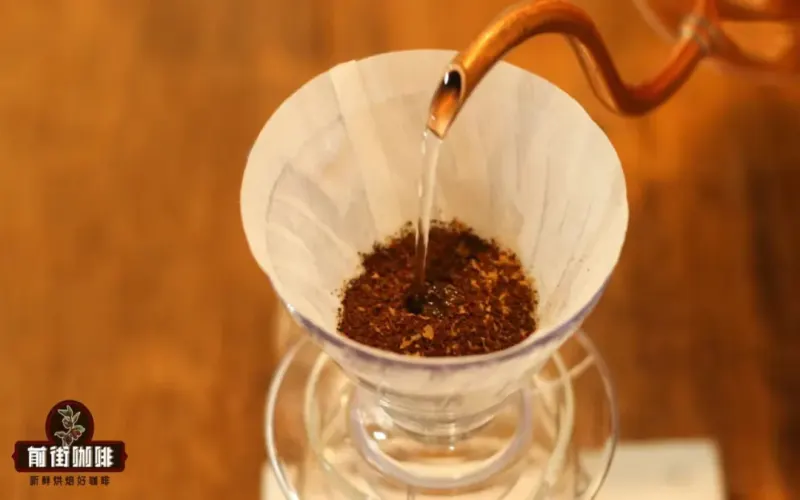
The Evolution of the Three Waves of Coffee: From the Popularization of Instant Coffee to the Pursuit of Quality—Is Instant Coffee Really Harmful to Health?
The development of coffee did not happen overnight, but went through three waves of far-reaching significance. The first wave brought coffee into millions of households in instant form, making it an everyday beverage for the masses; the second wave was sparked by Peet's Coffee founder Peet, who launched a quality revolution that promoted the widespread adoption of Arabica beans and the concept of fresh roasting; the third wave further pushed coffee toward specialization and experiential appreciation. Today, Front Street will sort through the origins and evolution of these three waves, while also answering a common question: is instant coffee actually harmful to your health? By reviewing history, we can more clearly understand the landscape and choices of today's coffee culture. [more…]
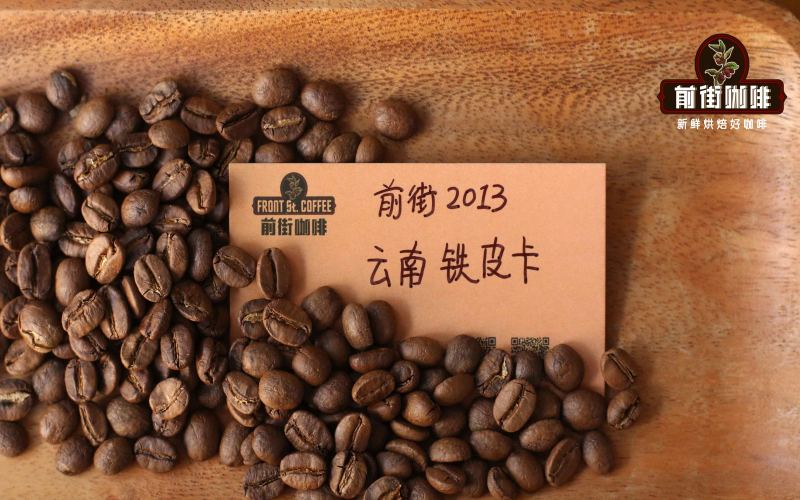
The Varietal Truth of Yunnan Small-Bean Coffee: The Evolution from Typica and Bourbon to Catimor and Their Flavor Differences
Today, Yunnan beans appear more and more frequently on the menus of specialty coffee shops, and people habitually refer to them all as "Yunnan small-berry." But behind this name actually lies a history of variety replacement: the early Yunnan small-berry referred to traditional Arabica varieties such as Typica and Bourbon, while today's Yunnan small-berry is overwhelmingly Catimor. From missionaries introducing the crop and the successful trial planting in Baoshan, to Nestlé promoting the large-scale replacement with Catimor, great changes have taken place in both the flavor and the industrial landscape of Yunnan coffee. This article will sort out the origin of the name small-berry coffee, the past and present of Yunnan small-berry, and the genetic makeup and flavor characteristics of Catimor, and offer currently worthwhile Front Street Yunnan bean choices to try. [more…]

Why Are Coffee Processing Methods Increasingly Diverse? An Analysis of the Naming Logic and Evolution of Anaerobic Fermentation
Today, coffee processing methods are emerging one after another. Behind this lies both the pursuit of expanding the flavor map and a deeper shift in the purpose of processing from efficiency-oriented to flavor-oriented. From the pre-18th century when only the natural method existed, to the successive advent of washed, honey, and wet-hulled methods, and then to 2014 when anaerobic fermentation swept through the specialty coffee world, each technological innovation has been accompanied by a deeper understanding of fermentation principles. At the same time, in order to highlight their own anaerobic processing characteristics, estates have put great effort into naming—time, temperature, and microbial strains can all become identifiers. This article sorts out the origins and development of processing method evolution, interprets the logic behind anaerobic processing naming, and explores the role of traceability information in promoting naming standardization. [more…]
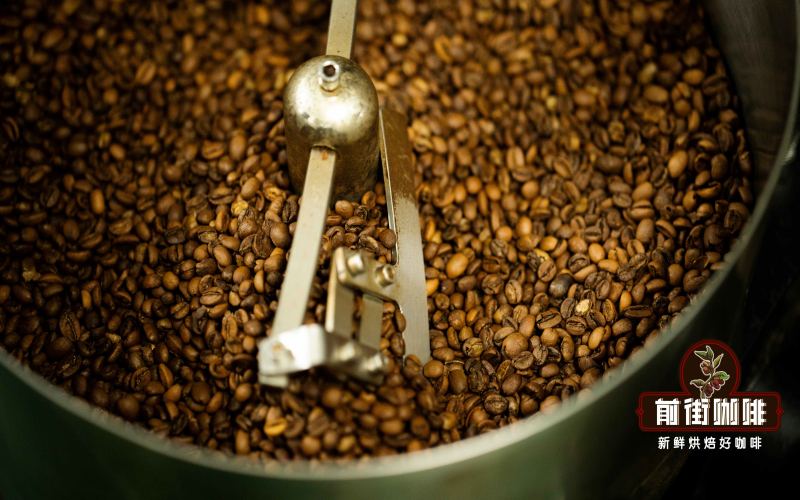
Mocha Coffee | What's the difference between pour-over mocha coffee and espresso mocha coffee? What is the flavor of Yemeni mocha beans? How is espresso mocha coffee made?
When it comes to mocha coffee, many people think of the espresso-based milk coffee with chocolate sauce added that is served in coffee shops today. A small number of people think of Yemeni mocha coffee. In this article, Front Street Coffee will explain the difference between espresso mocha coffee and single-origin mocha coffee! What is single-origin mocha coffee? Yemeni mocha [more…]
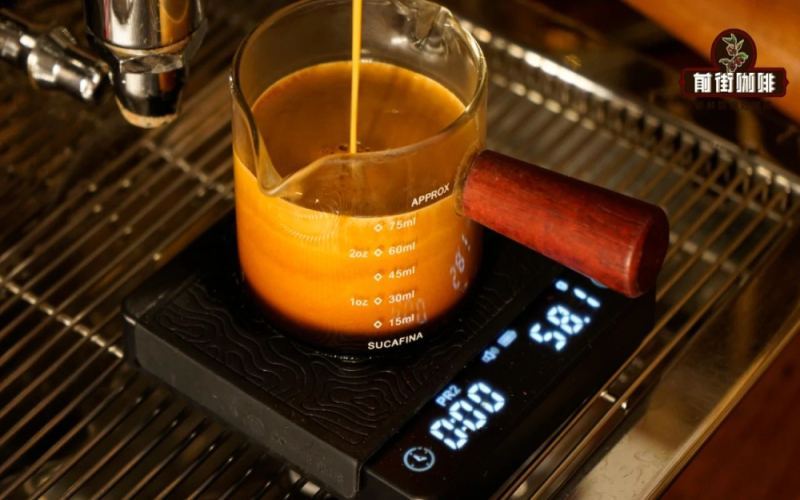
What exactly is Lungo coffee? A full analysis of its extraction logic and flavor differences compared to Espresso
Lungo coffee, like Espresso and Ristretto, is a basic coffee produced directly by an espresso machine, but its positioning and flavor often leave people confused. This article examines the core differences between Lungo, Espresso, and Ristretto from the perspectives of extraction ratio, concentration, and extraction yield, and traces back to the history of coffee becoming accessible to the masses in 1950s Italy to explain why Lungo came into being. Front Street Coffee also presents the true taste performance of Lungo through actual extraction tests, and explores what this extraction approach can inspire in today's coffee brewing. [more…]
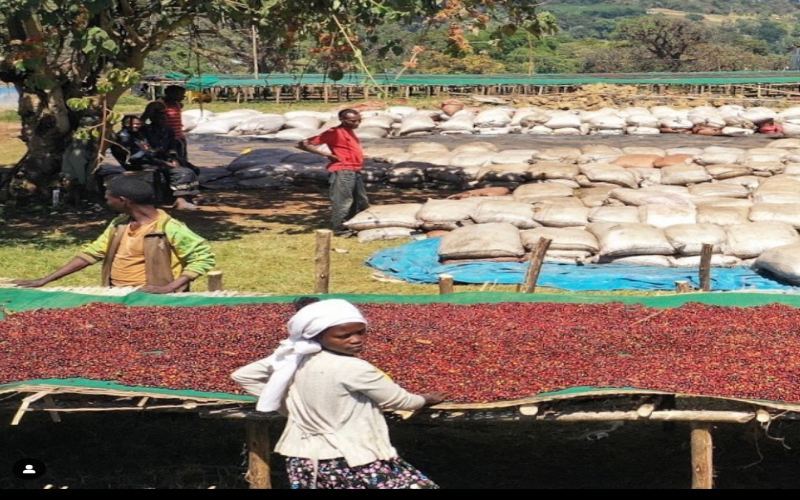
Colombia Huila Birch Estate Wush Wush Coffee: The Legend of a Rare Variety from Ethiopia to South America
In Ethiopia, in addition to the widely known heirloom varieties, recent years have seen the emergence of varieties such as the 74 series, Wush Wush, and Dega. Among them, Wush Wush, with its cute name and unique flavor, though uncommon, always catches the eye of coffee enthusiasts. Today, Front Street Coffee will take you on an in-depth look at this variety: it originates from Wush Wush village in the Gimbo district of Ethiopia, and belongs to the heirloom coffee family along with Geisha. In the 1970s, to combat anthracnose, the Jimma Agricultural Research Center bred disease-resistant varieties, and Wush Wush was officially released in 2006. However, most of the Wush Wush on the market today comes from Colombia—what's the story behind this? Front Street recently acquired a natural Wush Wush from Birch Estate in the Huila region of Colombia, and this article will reveal its flavor and brewing suggestions. [more…]
Arabica Coffee Beans Explained: The Origin, Spread History, Growing Conditions, and Taxonomic Evolution of Coffea arabica
Coffea arabica, commonly known as Arabica coffee beans, is the most traditional and most important variety in the Coffea genus. It originated in East Africa and was long monopolized by the Arab world before the 15th century, hence the name "Arabian coffee." At the end of the 19th century, a large-scale disease outbreak prompted growers to seek disease-resistant alternative varieties, but Coffea arabica still accounts for about three-quarters of global coffee production today, mainly grown in Latin America, with Brazil becoming the largest producer thanks to its suitable terroir. This article will systematically sort out the core knowledge framework of Coffea arabica, from historical legends and plant habits to taxonomic changes, and take you to rediscover this familiar bean. [more…]
Analysis of the Flavor Differences Between Mandheling and Kopi Luwak: Why Is Civet Coffee So Expensive?
Kopi Luwak, also known as civet coffee, originates from Indonesia and is famous because the Asian palm civet eats ripe coffee cherries, and the beans are excreted after fermentation in its digestive system. Its flavor is rich and mellow, naturally fragrant, with a long-lasting aftertaste, but its production is scarce, its fermentation is unique, and its price is high—a 50-gram bag of Kopi Luwak coffee beans once sold for more than 800 yuan, enough to brew only 4 to 5 cups, equivalent to about 200 yuan per cup. Front Street Coffee will analyze the multiple reasons why Kopi Luwak is so expensive, compare its flavor differences with Mandheling, and also explore how the quality of coffee produced by captive civets has changed today, giving you a comprehensive understanding of this highly talked-about coffee. [more…]

When Iced Americano Meets Raw Oysters: Looking at the Boundaries and Controversies of Creative Coffee Through the "Oyster-Bitter" Specialty Drink
Iced Americano has been reinvented in increasingly wild ways by netizens in recent years, from mixing Huoxiang Zhengqi liquid into an Americano to today's jaw-dropping oyster iced Americano—the boundaries of creative coffee are being pushed further and further. For professional coffee knowledge exchange and more coffee bean information, please follow Coffee Workshop (WeChat public account: cafe_style). For more specialty coffee beans, please add our private WeChat account Front Street Coffee (FrontStreet Coffee), WeChat ID: qjcoffeex. This article will walk you through how this iced Americano called "Oyster Bitter" came to be, as well as the increasingly absurd creative trends in today's specialty coffee drinks, and explore the balance between chasing hype and preserving the essence of coffee in creative coffee. [more…]
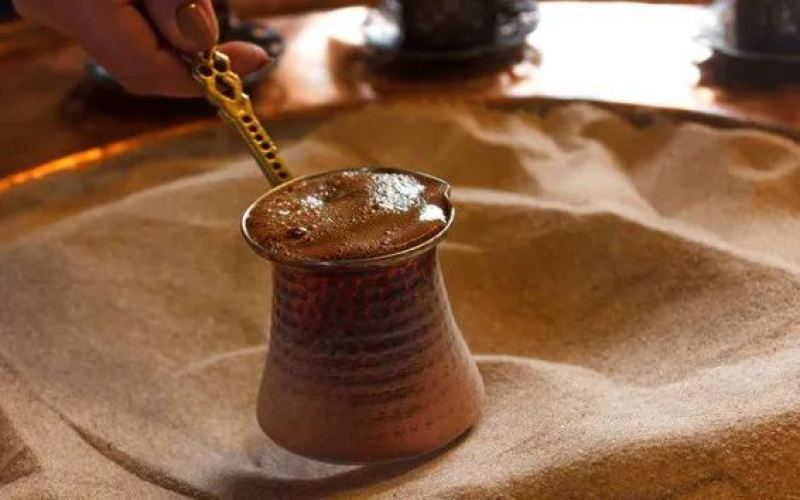
Why Isn't Turkish Coffee Filtered? A Complete Guide to the Meanings of Fortune-Telling Patterns and Their Cultural Origins
Turkish coffee is famous for its unique brewing method and rich cultural flavor. It does not use filter paper; it is drunk together with the grounds and liquid, and is made by repeatedly boiling three times in hot sand. Passed down from the Ottoman Empire to the present day, this coffee is not only a beverage but also carries the tradition of fortune-telling. This article will guide you through the historical origins, brewing principles, and steps of Turkish coffee, and provide a detailed analysis of the meanings of common patterns in coffee ground fortune-telling, such as the full moon, half moon, heart shape, and ring, allowing you to fully appreciate the charm of this ancient coffee culture. [more…]
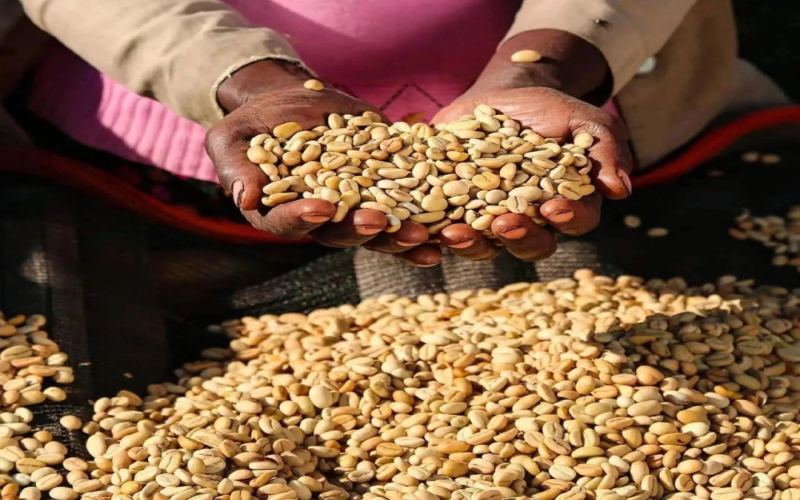
A Complete Analysis of the Ethiopian Wush Wush Variety: From Anthracnose-Resistant Breeding to Its Second Home in Colombia
In Ethiopia, besides the well-known heirloom varieties, varieties such as Wush Wush, the 74 series, and Dega have gradually come into the view of coffee enthusiasts in recent years. Among them, Wush Wush, with its endearing name and excellent flavor performance, always attracts attention despite being rare on the market. Where exactly did this variety come from? How did it travel from a small village in Ethiopia to the world, and why did it take root and thrive in Colombia? Today Front Street Coffee will systematically sort out the origins and spread of Wush Wush for everyone, from the anthracnose-resistant breeding program in the 1970s, to its official release in 2006, and then to its introduction and spread in Colombia—understanding this heirloom variety's past and present in one article. [more…]
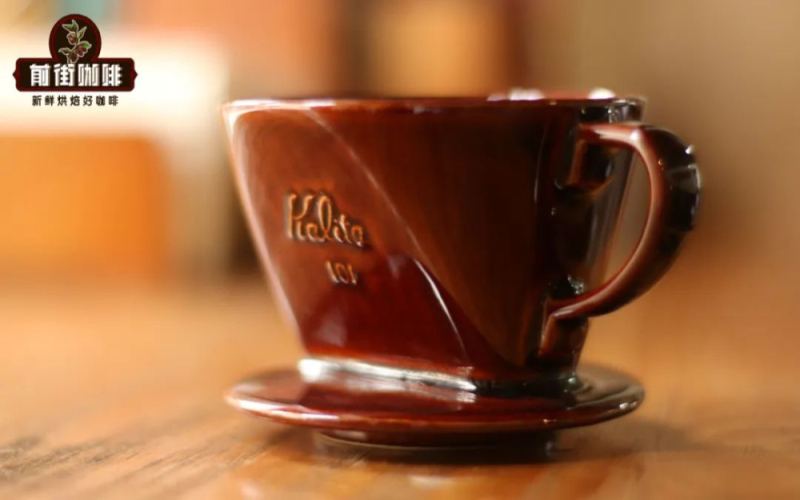
Exploring Pour-Over Dripper Shapes: The Design Differences Between Trapezoid and Cone, and Why Trapezoid Drippers Are Less Commonly Used
In the world of pour-over coffee, cone-shaped drippers have almost become the default option—V60, Kono, and Origami drippers are all no exception. But dripper shapes go far beyond this one type; the trapezoid dripper (also called the fan-shaped dripper) actually has a longer history. This article will walk you through the origins of the trapezoid dripper, its core structural differences from cone-shaped drippers, and why today's pour-over enthusiasts tend to prefer cone-shaped drippers. It also specifically introduces Front Street Coffee's related products and store information, making it ideal in-depth reading for anyone interested in coffee equipment. [more…]
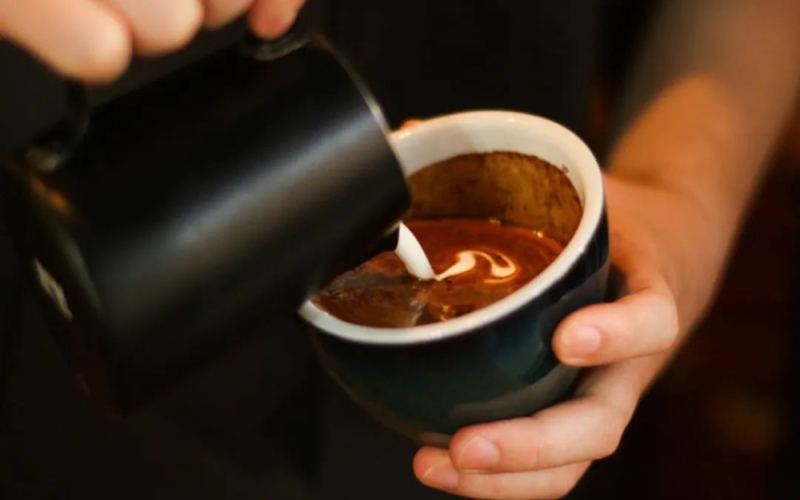
Why Is Mocha Coffee Gradually Fading Out of Coffee Shops? A Full Breakdown of Hot and Iced Salted Mocha Recipes
Mocha coffee was once a classic menu item alongside lattes and cappuccinos in Italian-style coffeehouses, and a favorite of many coffee lovers. However, many specialty coffee shops today no longer feature mocha as a main offering, and some have even removed it from their menus, replaced by products more favored by today's consumers, such as dirty coffee and oat milk lattes. Is mocha really about to disappear from coffee shops? Actually, that is not the case—while traditional mocha is no longer popular, its variant "salted mocha" has risen rapidly and become a hot product in the coffee world in recent years. This article will provide a complete guide to making salted mocha, from ingredient preparation and coffee bean selection to both hot and iced versions, and explain why it is more popular than traditional mocha. [more…]
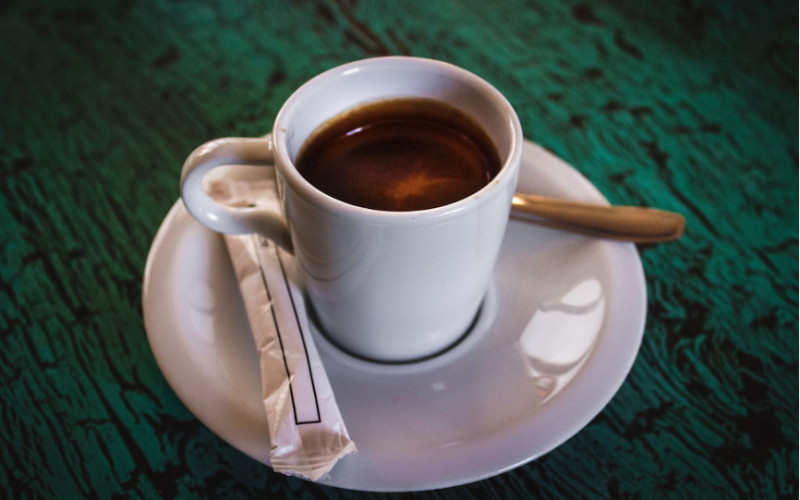
Coffee with Syrup or Sugar? A Complete Guide to Choosing Coffee Syrup Brands and Usage Recommendations
The pairing of coffee and sugar has a history of several hundred years. From 16th-century European aristocrats using sugar to mask the burnt bitterness of inferior coffee, to today's third wave, which champions tasting coffee in its original form, the role of sugar has undergone a dramatic shift. The rise of syrups has brought rich artificial flavors to coffee and also lowered the barrier to entry. This article sorts out the essential differences between sugars and syrups used in coffee, syrup brand choices (including Front Street Coffee's recommendations), and the appropriate amount of syrup in coffee. It also explores the science behind sweetness addiction and the dilemma baristas face when customers add sugar, helping coffee lovers find a balance between flavor and individuality. [more…]