







Where Does Mandheling Coffee Come From in Asia?
Mandheling is the trade name for coffee grown in Sumatra, Indonesia, and it anchors a wider picture of Asian coffee-producing regions that also includes Yunnan in China and Papua New Guinea. Sumatran beans are known for a heavy body, low acidity and a sweet caramel and dark chocolate finish, while Yunnan Baoshan Catimor and Huaguoshan Typica show lighter, softer profiles and Papua New Guinea washed beans sit somewhere between.
Indonesia's coffee story starts in 1696, when Dutch colonists brought seeds to Java and planted them successfully. The Golden Mandheling series, alongside Tiger, Aged, Lintong and sun-dried lots, comes from Sumatra, and Kopi Luwak and West Java honey-processed beans round out the island offerings. Most Asian green beans are washed or semi-washed, giving them uniform shape and a steady, mellow character.
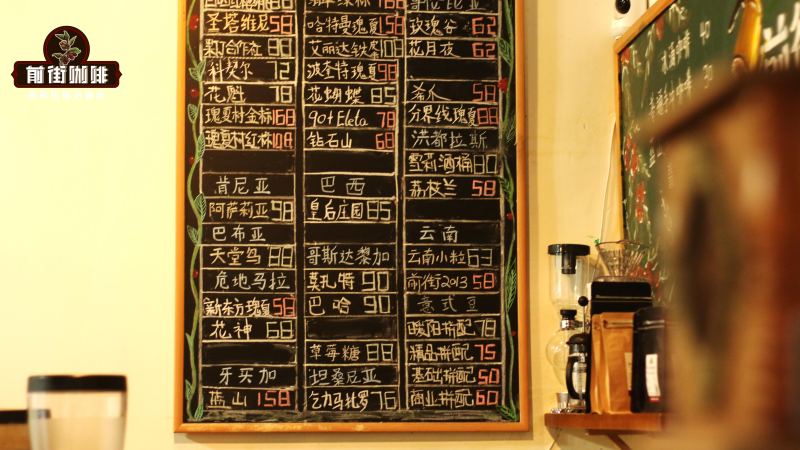
Asian coffee occupies a unique position in the specialty coffee world with its mellow, steady character. In this article, the editors at Front Street Coffee sort through Asia's core producing regions, offering an in-depth analysis of the coffee-growing history, geography, and processing methods of Indonesia, Yunnan in China, and Papua New Guinea. It highlights Sumatra Mandheling series from Indonesia (Golden, Tiger, Aged, Lintong, Sun-dried), along with specialty beans such as Kopi Luwak and West Java honey process, and introduces the flavor profiles of Yunnan Baoshan Catimor, small-bean coffee, and Huaguoshan Typica, while also covering the washed beans from Paradise Bird Estate in Papua New Guinea. Drawing on Front Street Coffee's frontline sourcing experience, the article retains practical information such as bean origin, altitude, variety, processing method, and cupping flavors for each origin, providing enthusiasts with a buying guide and tasting reference.
The Character of Asian Coffee Beans
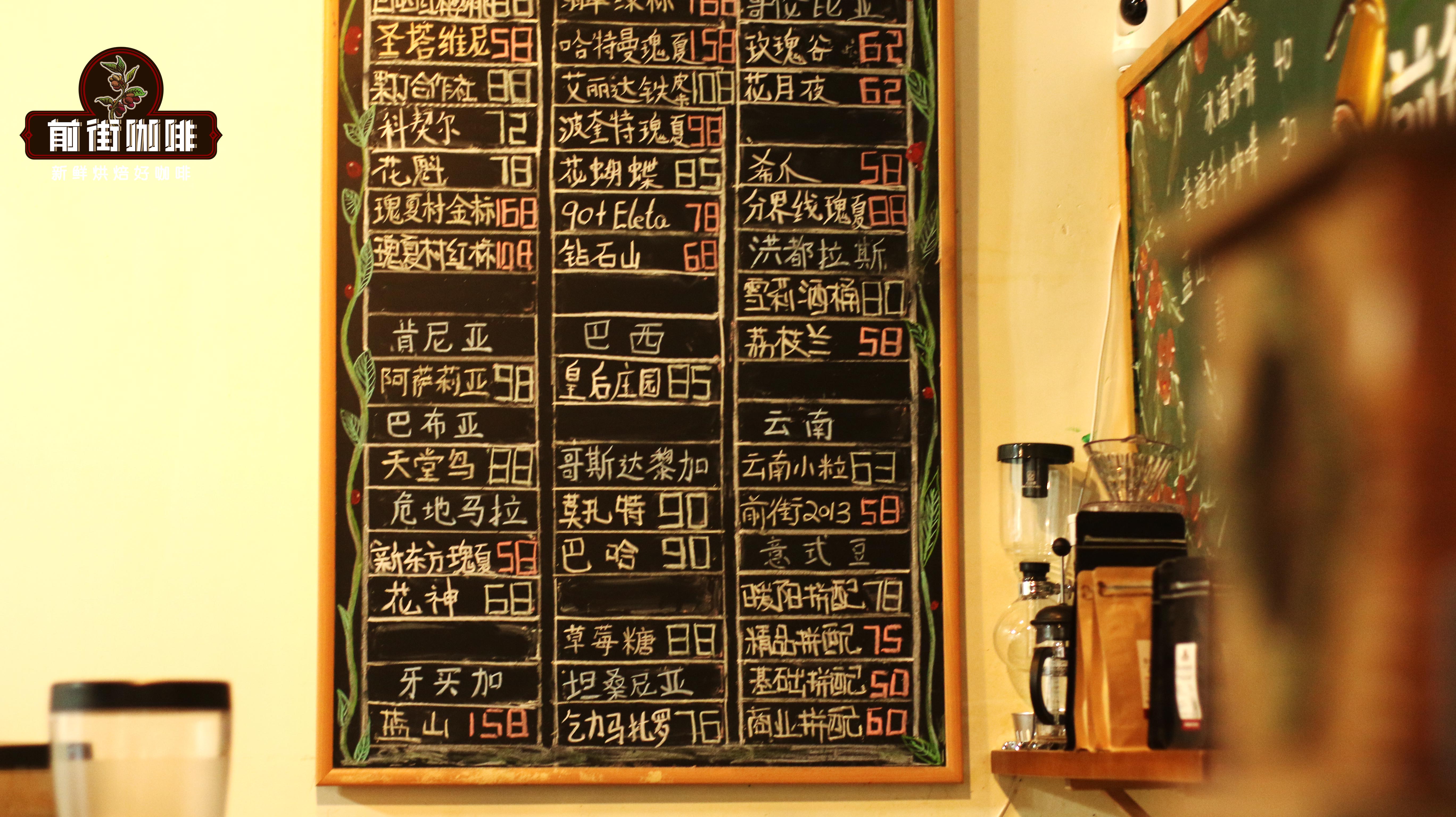
When tasting Asian coffee, seasoned drinkers usually first think of its rich and steady base note. Beans from this region generally share characteristics of heavy flavor and round, strong sweetness, yet fall slightly short in aroma and bright acidity. Local green beans are mostly processed by washed or semi-washed methods, with bean shapes largely uniform, though semi-washed batches tend toward darker color. Coffee from such origins often leaves an impression of being heavy and sweet but with only average brightness.
Mainland and island beans from Asia differ in flavor: their body surpasses that of Central and South American and African beans, yet acidity is lower, carrying notes of aged wood, herbs, spice, and earthy mustiness, with a low, muffled aroma suppressing bright fruit acidity. Beans produced on the islands, by contrast, are crisp and gentle, revealing a subtle elegance.
1. Indonesia
Indonesian coffee is renowned in the industry for its rich, full-bodied taste and extremely low acidity, and its sweet caramel and dark chocolate finish has made Japanese consumers almost obsessed. As a core Asian origin and one of the world's top-producing countries, its coffee origin story is quite a tale, and Front Street will now tell it for everyone.
In 1696 AD, Dutch colonists brought coffee seeds to Indonesia and succeeded in trial planting and propagation on Java. By 1877, leaf rust ravaged the region, nearly wiping out local Arabica groves. Subsequently, disease-resistant Robusta was introduced from Africa, and the economy recovered. Today Indonesia is a global Robusta powerhouse, with Arabica accounting for only 6%-10%, including the famous Mandheling; Robusta is concentrated in southern Sumatra, Arabica in the north.
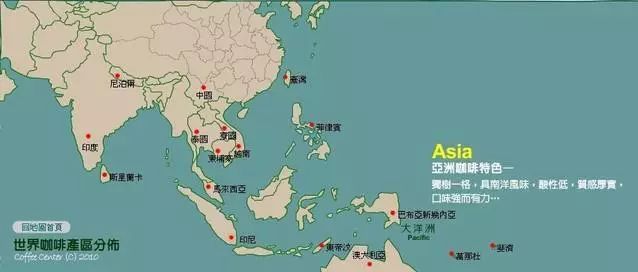
Indonesia's quality coffee comes from three regions—Sulawesi, Sumatra, and Java—with Java producing the most, represented by Arabica known for bright acidity and clean fruit aromas. Today about ninety percent of Indonesian coffee is Robusta, mostly used in commercial blends. As Front Street mentioned, when the Dutch East India Company brought in Arabica in the seventeenth century, Indonesia was still its territory, with the aim of breaking the Arab merchants' monopoly on the coffee trade.
In the early period the Dutch government trial-planted around Bogor, Sukabumi South, and Batavia, later expanding to East, Central, and West Java and parts of Sulawesi and Sumatra. Plantation clearing destroyed forest land, and in the nineteenth century infrastructure in Central Java arose from coffee transport needs—railways and roads. Front Street notes that Indonesia's abundant output benefits from its tropical rainforest climate: annual average temperature 25-27°C with no four seasons, annual rainfall 1600-2200mm, fertile volcanic mineral soil along the volcanic belt, altitude 900-2100 meters, with main producing areas around 1200 meters.
Indonesian coffee has two harvests a year: main season September-October, secondary season May-June. This year's export volume rose sharply year-on-year, because last year's high prices suppressed exports while this year's increased production boosted shipments, the two balancing out to a marked rise. Bean types fall into three categories—Arabica, Robusta, and Liberica—subdivided into over 20 varieties, commonly Caturra, Catimor, Timor, Typica, S288, S795, Sidikalang, and others. National planted area exceeds one million hectares, 24% of arable land, averaging 1.7 hectares per household, 2.7 billion trees, 66% modern plantations, the rest traditional smallholders.
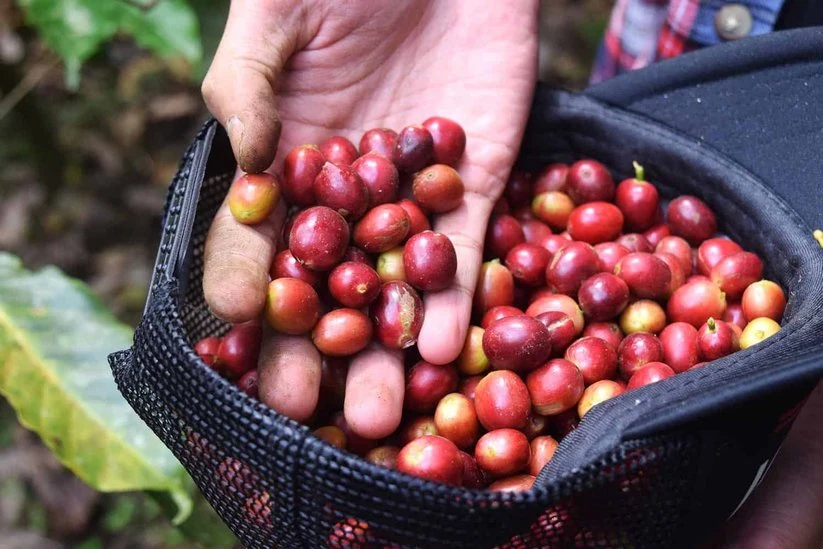
Over 95% of Indonesian coffee comes from smallholders, with estates concentrated in East and Central Java. Much is organically cultivated, and 19 cooperatives have obtained international certification. Front Street has learned of the region's unique giling basah method (semi-washed/wet-hulled): after picking and depulping, the beans are briefly sun-dried—not to 11-12% moisture as in other methods, but to 30-35%, then hulled to expose the beans before further drying and storage. Semi-washed beans have far lower acidity than conventional ones, with a thicker body.
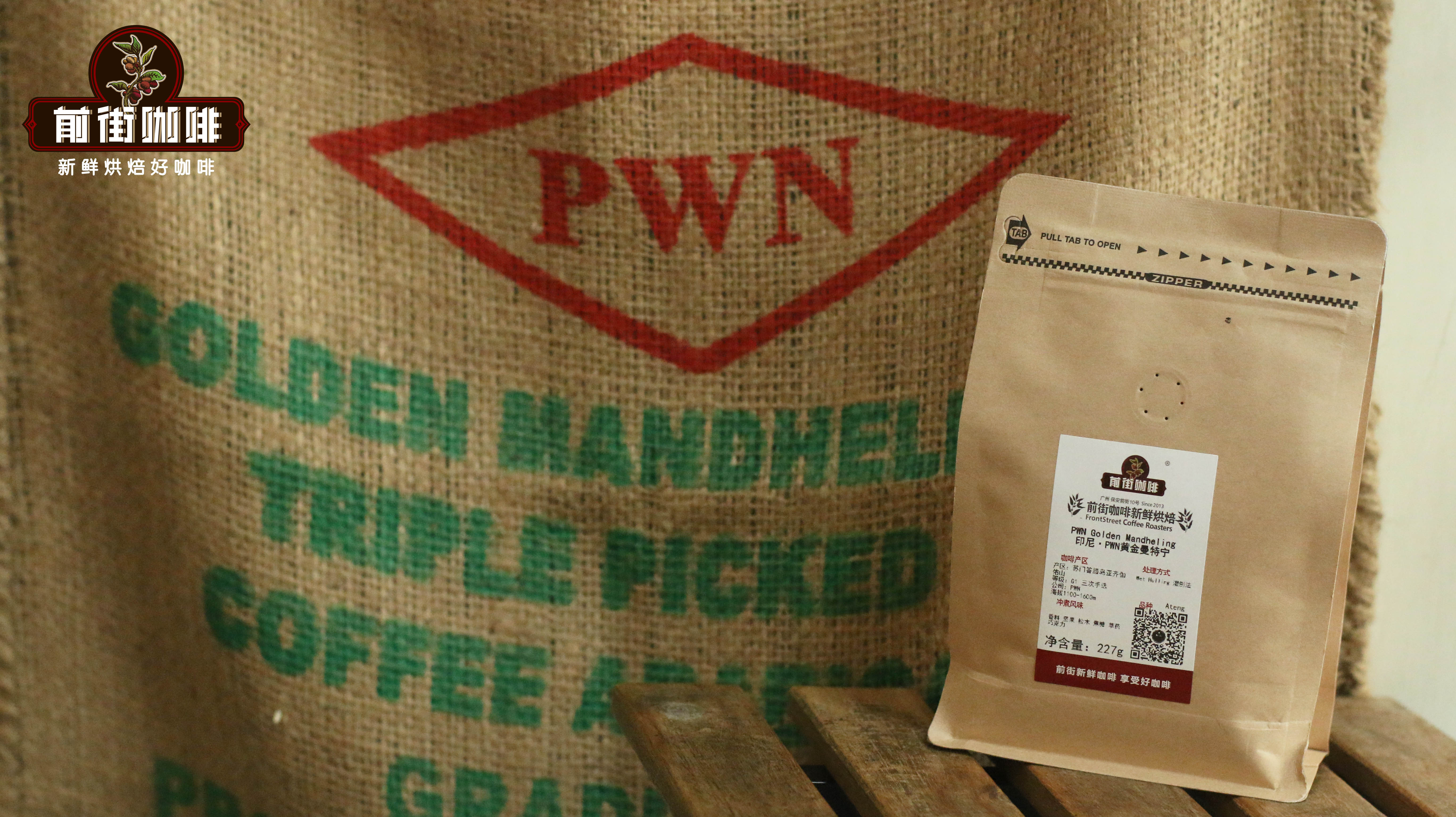
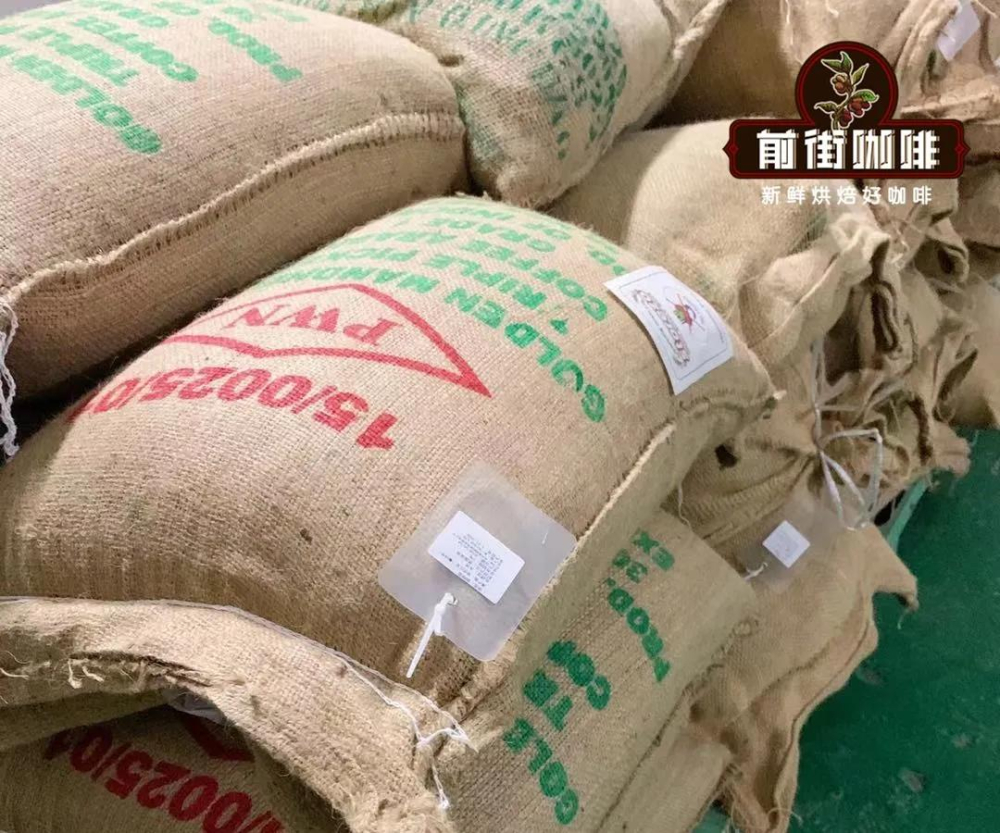
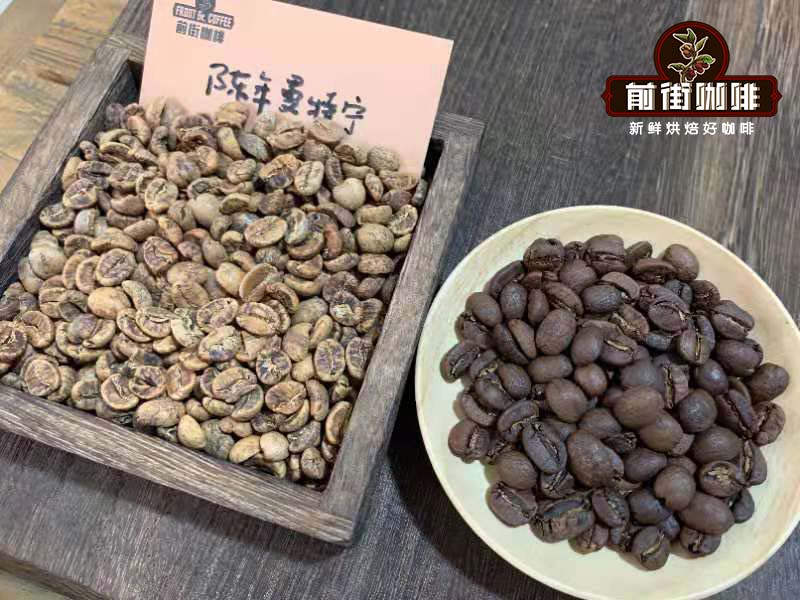
Thus Indonesian coffee often shows a deep, wild flavor, foregrounding earthiness. The semi-washed process brings out musty, spice, wood, smoke, and hide notes, with a dark chocolate finish. Sumatra is popular for dark roasting, producing top-grade Mandheling and Ankola beans with smoky complexity. Especially celebrated is Mandheling! It originally referred to a tribe's name; after the Japanese colonial troops returned home, they asked someone to search out good beans, and the merchant casually called them "Mandheling," which became the bean's name. That person was the owner of PWN company, the first to export Golden Mandheling to Japan. Front Street Coffee (FrontStreet Coffee) has long used Front Street PWN Golden Mandheling; PWN packaging changed from 60kg to 30kg, and the producing area shifted from Lintong to the GAYO mountains.
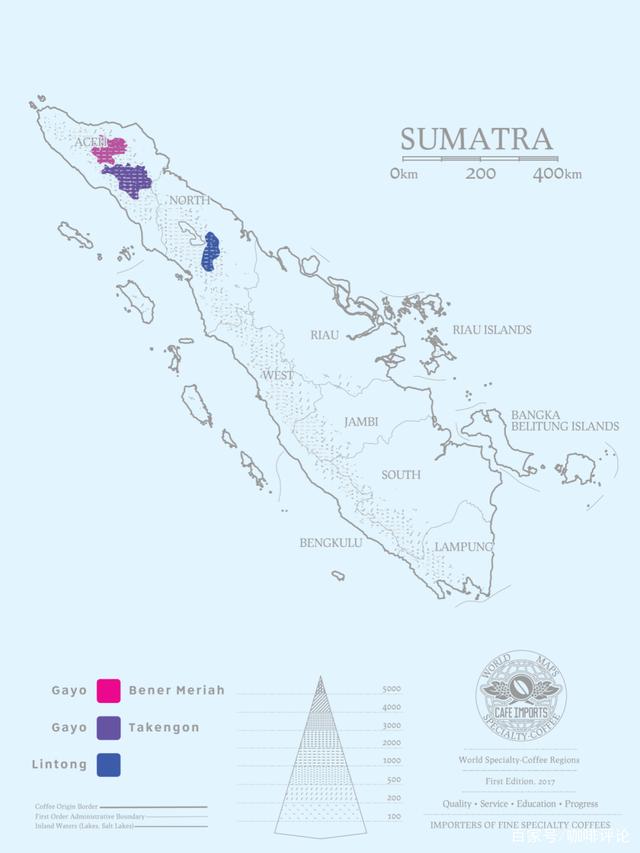
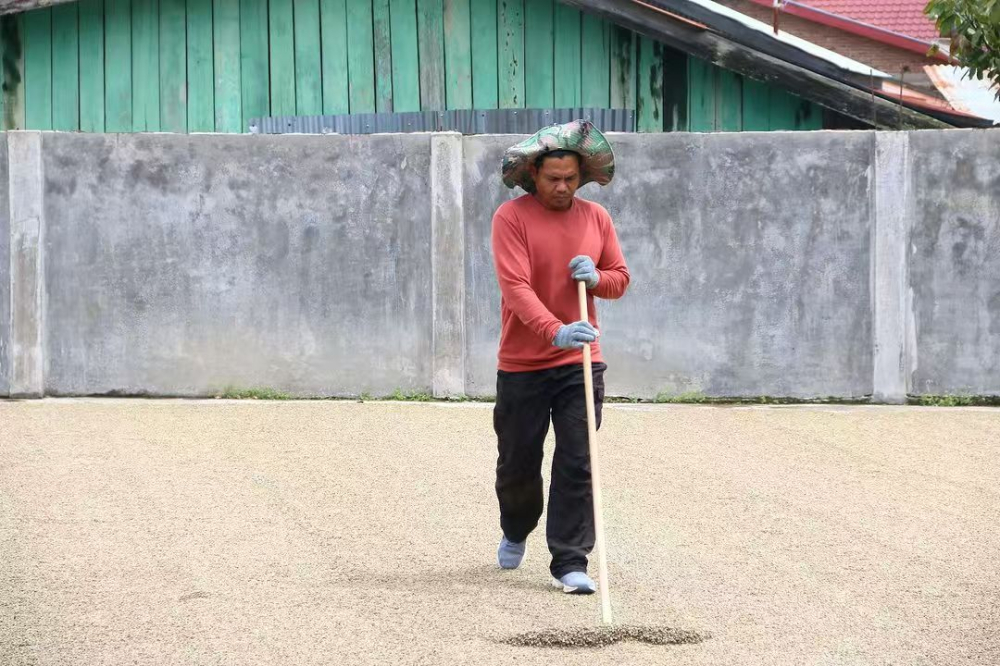
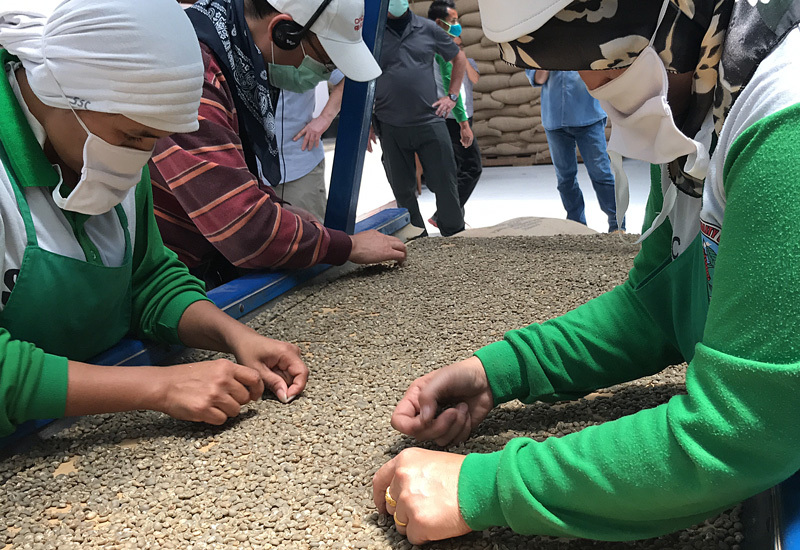
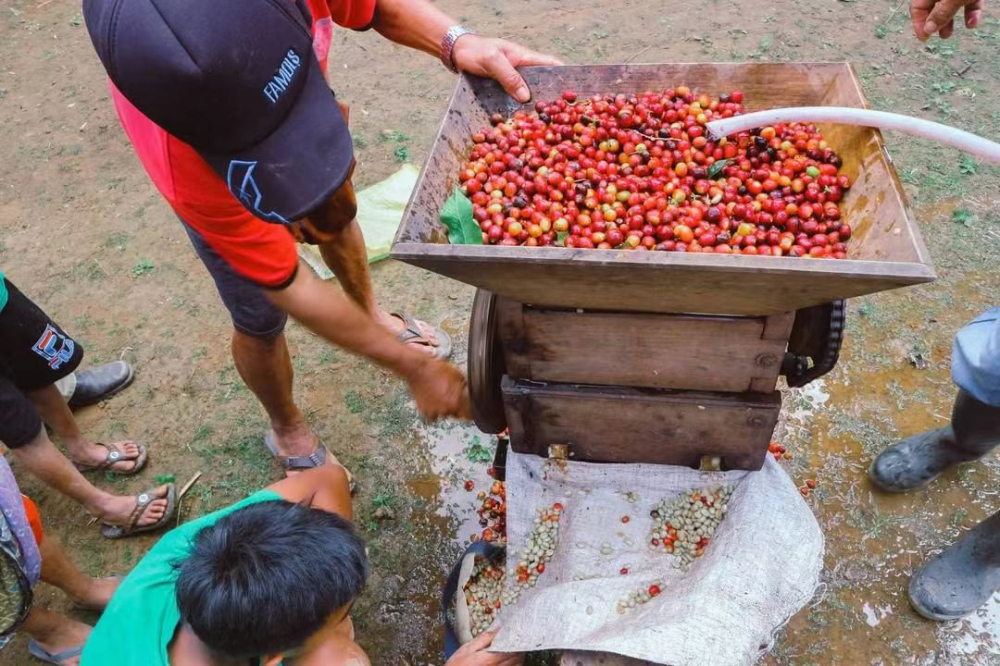
Front Street understands that Mandheling mostly uses Sumatra's unique wet-hulling method. The local area is rainy and typhoon-prone, lacking conditions for sun-drying, and economically constrained since washed processing is expensive, which gave rise to wet-hulling. Although today many have the means for other methods, Front Street Coffee (FrontStreet Coffee) believes wet-hulling made Mandheling's world reputation, and the two are symbiotic. Steps: one, remove skin and pulp with a wooden machine, ferment 3 hours, sun-dry to half-dry 30-50%; two, remove mucilage and parchment, sun-dry 2-4 days to 12-13% moisture.
Beyond regular wet-hulling, there is also aged wet-hulled: after standard hulling, stored 2-3 years, kept cool and ventilated with frequent turning to prevent mold, acidity fades and turns to sugar, color darkens to brown-yellow. The Aged Mandheling on Front Street Coffee's (FrontStreet Coffee) menu uses this method. Wet-hulling shapes Mandheling's character, but as the market seeks change, other processes have appeared too, which Front Street will discuss below. The following are Front Street's current Indonesian coffee offerings.
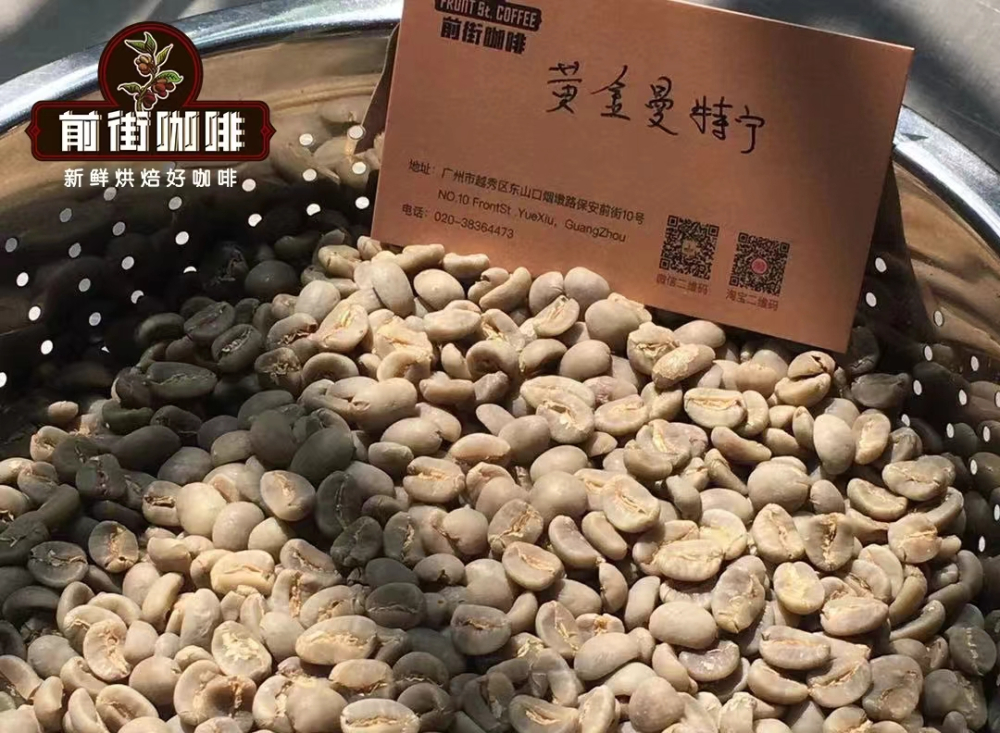
Front Street Coffee (FrontStreet Coffee) recommends Front Street PWN Golden Mandheling coffee beans: produced in Sumatra, Indonesia, altitude 1100-1600m, Typica 19 screen, wet-hulled, flavors of nuts, spice, herbs, licorice, chocolate, caramel, clean and gentle. These beans come from Lake Tawar in the Gayo Mountains of the northwest. The Japanese rigorously selected by density and color plus four hand-sorts, obtaining uniform beans with a golden sheen, hence the name Golden Mandheling.
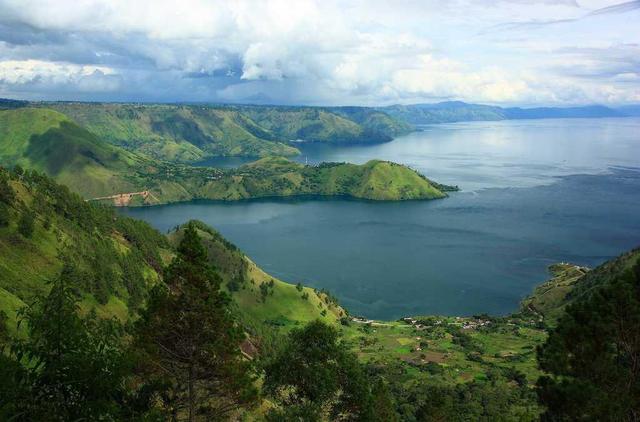
The Golden Mandheling trademark is not a Japanese company's but was registered by the early partner Indonesian PWN company (Pwani Coffee Company); the Japanese side registered "Gold Top Mandheling." Front Street Coffee (FrontStreet Coffee) finds the two similar in flavor, with public opinion differing due to brand marketing, and merits judged individually. These beans are 18 screen and up, with defects fewer than 3 per 300g, G1 highest grade, dark green flat beans. After rigorous selection, Front Street Coffee (FrontStreet Coffee) tastes no earthy or off notes, but rather greater clarity and stronger sweetness.
Front Street Tiger Mandheling
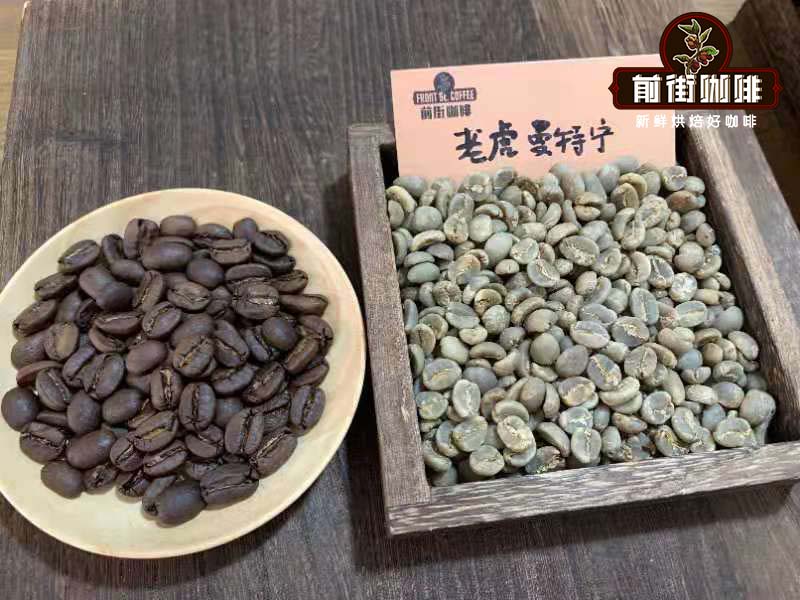
Produced in Sumatra, Indonesia, altitude 1500m, Caturra, Typica, Sidikalong, wet-hulled, flavors of cream, dark chocolate, nuts, balanced. Tiger Mandheling grows in Sumatra, Java, and Sulawesi, Indonesia, from Tiger Estate, also called Mandheling Tiger. In the high altitudes of North Sumatra, Aceh's Lake Tawar and North Lake Toba are the main Arabica areas.
Lake Tawar is located in the Gayo Mountains of northern Aceh, Sumatra, with equatorial rainforest, abundant rain, and fertile volcanic soil. Remote, first planted in 1924, traditionally shade-grown and organic. Front Street knows Indonesia's humidity is 70-90%, rainfall 2000mm with many typhoons, and farmers seeking quick harvest use wet-hulling: washed with parchment, sun-dried 2-3 days to 20-24%, then hulled, beans easily crushed into horse-bean shapes, with high defects forging a mellow, intense, distinct flavor.
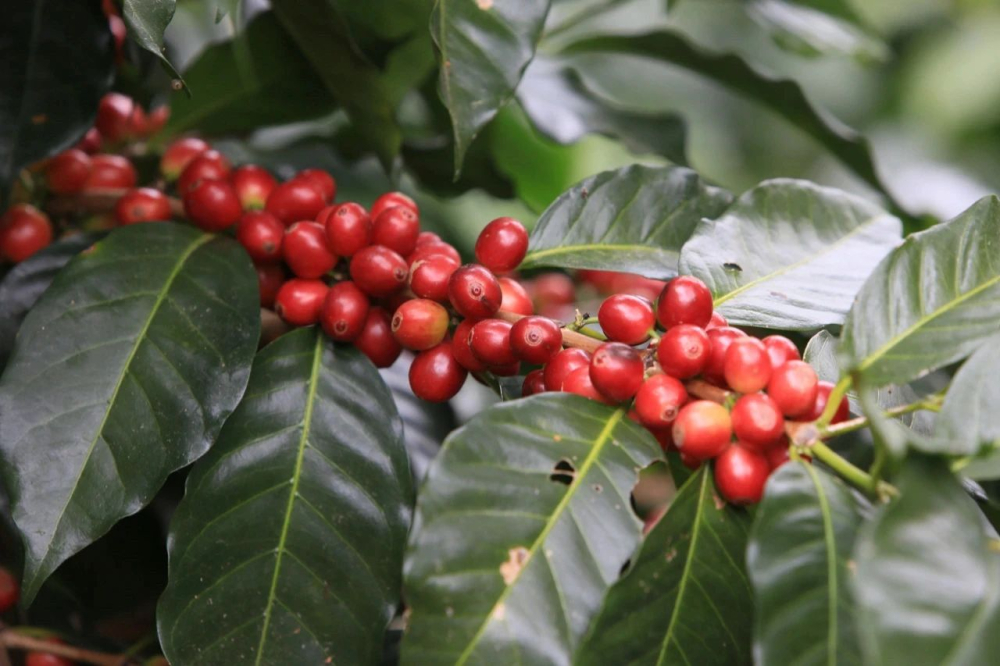
Front Street Aged Mandheling: Sumatra, Indonesia, altitude 1500m, Caturra, Catuai, wet-hulled, flavors of aged pu-erh, caramel, herbs, chocolate, low acidity. Front Street reminds that aged does not mean green beans left long, which rot, whiten, yellow, and breed insects. True Aged Mandheling, like aged wine, requires proper handling and long storage to achieve.
Front Street Mandheling (Lintong Mandheling): Lintong, Sumatra, Indonesia, altitude 1100-1600m, Typica, Caturra, wet-hulled, flavors of baked toast, nuts, caramel, pine, herbs. Lintong is near Lake Toba, i.e., regular Mandheling, wet-hulled with low acidity and high body, semi-soft beans hulled and cracked into hoof shapes—not a defect but a characteristic.
Front Street knows that Lintong Mandheling is lax in sorting and rough in processing, making output unstable, yet this does not diminish the world's love for its richness.
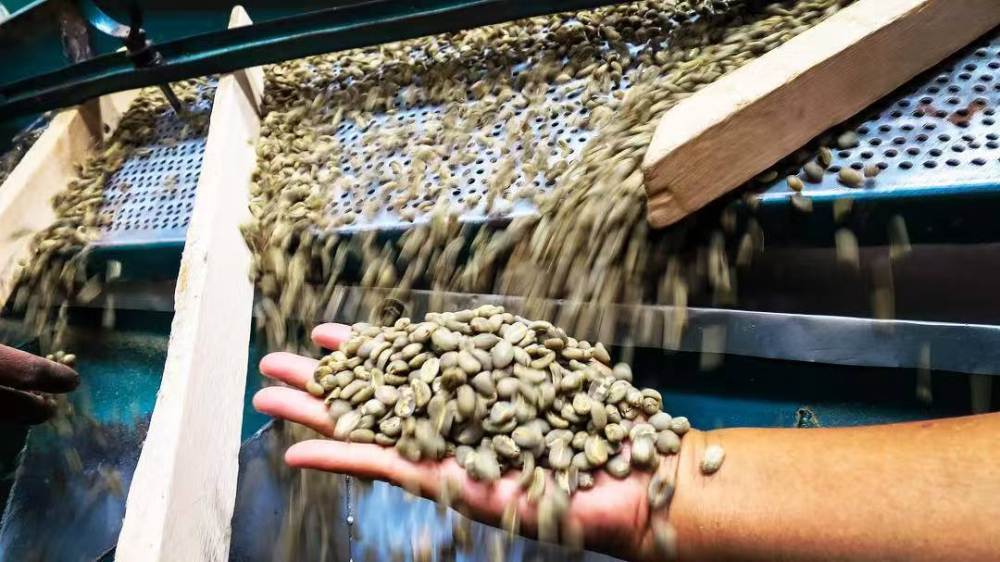
Front Street Sun-dried Mandheling: Lake Toba, Sumatra, Indonesia, altitude 1000-1700m, Bourbon, Typica, sun-dried, flavors of melon, fermented aroma, mango, tropical fruit, peach. Mandheling is mostly wet-hulled, so sun-dried is rare. Sun-drying brings a winey quality; Front Street likens Africa to red wine, Latin America to whiskey, and Sumatra to aged sorghum—thick with clean, fine tropical fruit notes, which Front Street Coffee (FrontStreet Coffee) finds unforgettable.
The above five Mandheling pour-over comparisons from Front Street are for reference: Golden: versatile, mellow, clean, balanced, with a long nutty caramel chocolate finish; Lintong: herbal, medicinal, dark chocolate, caramel sweetness; Tiger: pine, spice, balanced cream, dark chocolate, nuts; Aged: woody, malt, caramel, mellow and fine, mature, low acidity, aged pu-erh, herbs, chocolate sweetness; Sun-dried: tropical fruit, fermented acidity, smooth mid-palate with pronounced sweetness.
Front Street West Java Aromanis
Aromanis Estate, West Java, Indonesia, altitude 1400-1600m, Caturra, Catuai, sun-dried honey process, flavors of mango, red wine, peach juice, intense fruit aroma, plum, jackfruit, clean sweet finish. Aromanis is a local dessert, evoking this bean's cotton-candy mouthfeel.
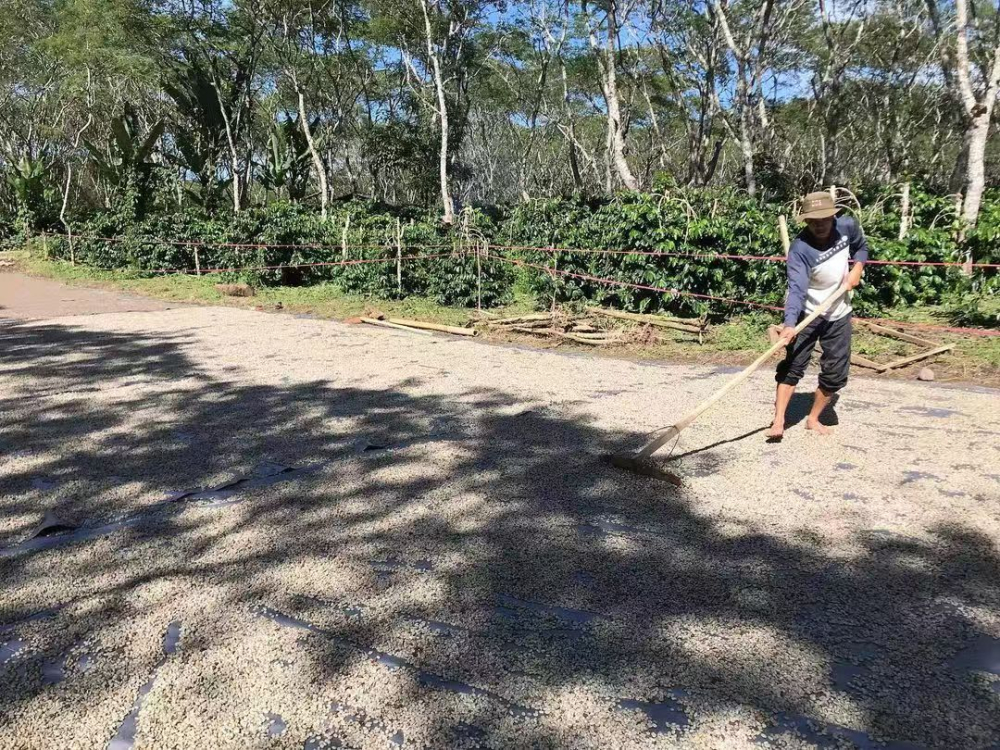
For Indonesian coffee, Front Street expects everyone knows Mandheling, but have you tried others? Front Street has West Java honey process, less famous than Mandheling but featuring the rare honey process. Sun-dried + honey: about a month of sun-drying, then washed and stored for half a month before bagging—a high-risk, laborious process pursued only for a complex, full flavor spectrum that reveals the brilliance of its lineage.
Front Street Kopi Luwak: Sumatra, Java, Indonesia, altitude 1000-1700m, Caturra, Catuai, in-body fermentation, flavors of herbs, nuts, dark chocolate, fermentation. Civet coffee, Kopi Luwak, where Luwak refers to the arboreal wild civet.
Kopi Luwak is produced in Indonesia and is the world's most expensive. Indonesia widely grows coffee, and the wild civet—omnivorous, sharp-mouthed, gray-furred—relishing fresh beans, ferments and digests them internally, excreting beans in feces, becoming the most expensive droppings. Rare and pricey. Civets are distributed across Indochina, Northeast India, Bangladesh, and Kashmir, but only the Sumatran civet produces these beans. The in-body fermentation is extremely unique, and Front Street recommends the curious give it a try.
2. Yunnan
Front Street knows Yunnan began large-scale coffee planting in the mid-1950s, once reaching 4000 hectares; by late 1997, 7800 hectares. Today the province's area accounts for 70% of the nation and 83% of production, dominating domestically.
Yunnan's coffee history dates to 1892, when French missionaries brought seeds to Binchuan valley where they survived, and today over thirty trees still bear fruit. Mainly Arabica small-bean variety is grown, commonly called Yunnan small-bean coffee.
Yunnan's geography and climate favor coffee: low latitude, high altitude, large day-night temperature difference, similar to Colombia, and Front Street's cupping finds it a mellow-aroma type resembling Colombian coffee in taste. Suitable for planting in southern and southwestern Simao, Banna, Wenshan, Baoshan, Dehong, and others.
Front Street Yunnan Baoshan Sun-dried Catimor
Baoshan, Yunnan, China, altitude 1450-1550m, Catimor, red cherry sun-dried, flavors of caramel, dried fruit, cocoa, dark chocolate, herbs, wood. Baoshan is a pioneer of the three major small-bean regions, with history dating to the mid-50s and the oldest trees over 60 years. Large-scale planting since 1952 spans nearly 60 years, with natural-technique cultivation in the Nujiang basin, highly regarded internationally.
Yunnan today mostly grows Catimor, a cross of the Bourbon branch Caturra with Robusta; because it carries Robusta genes for strong disease resistance and good yield, farmers favor planting it, setting off a Catimor trend.
Front Street's Catimor red cherry sun-dried: sun-drying boosts sweetness, picking fully ripe fruit high in mucilage sugar, red cherry only picking uniformly ripe red fruit in baskets, removing defects, drying on racks to avoid earthy contamination. Thus it is sweeter and fuller-bodied than ordinary sun-dried.
Front Street Yunnan small-bean: Yunnan, China, altitude 1450-1550m, Catimor, washed, flavors of citrus, fermented fruit, cocoa, nuts, herbs. Yunnan small-bean refers to cultivated small-bean coffee; Rubiaceae is not native, and drink cultivation includes small-bean (C. arabica) and medium-bean (C. canephora). Yunnan small-bean traditionally refers to the Bourbon-Typica mixed population.
Small-bean coffee is most widely planted, cold-resistant and tolerant of low temperatures up to 2100m high mountains, but brittle in drought, weak in wind, prone to disease and dropping, and processed into mellow coffee with low caffeine.
Front Street Huaguoshan: Yunnan, China, altitude 1200m, Typica, washed, flavors of melon-fruit aroma, melon, brown sugar, plum acidity, black tea sensation. In 2013, Front Street found Typica differs from Yunnan small-bean; Huaguoshan Typica, small-bean Catimor, both small-bean, but Typica has soft, rich fruit acidity, hence the distinctive name Huaguoshan.
3. Papua New Guinea
Papua New Guinea differs from Indonesian coffee. Estates vary in size; small estates mostly washed, organic, intense, without earthiness; a few sun-dried with fine variations; large estates clean and fine but lacking character. Body is lighter than Java, resembling good Central American beans. Tree varieties include much Jamaican Typica mixed with Tanzania, Arusha, and others.
Front Street Papua New Guinea Small Blue Mountain (Paradise Bird): Sigri Estate, Papua New Guinea, altitude 1500m, Caturra, Catuai, washed, flavors of cream, nuts, chocolate, soft fruit acidity. Front Street knows Sigri Estate, founded 1950, is a pioneer of over 60 years. Paradise Bird Estate is in the Waghi Valley of the Western Highlands, 1500m, volcanic, fertile, cool, moist, with abundant rain.
Paradise Bird Estate emphasizes ecology, refusing pesticides to protect birds and soil, with high-standard planting and processing. Each year from April to September, fully ripe red cherries are hand-picked with balanced sweet-acidity. Daily cupping ensures consistent quality, making it a world specialty classic.
The above is all of Front Street's Asian coffee offerings. We trust coffee fans now understand Asian coffee and can easily choose the flavor that suits them.
The above content is compiled by CoffeeHunters, a coffee news website.


