







Do robusta coffee beans explain raw coffee weight loss?
Raw coffee, brewed from unroasted beans mixed with roasted beans, has drawn interest after a four-week trial found participants drinking it lost more weight than those drinking black coffee. The proposed reason is chlorogenic acid, a compound that may improve insulin sensitivity and help regulate glucose and lipid metabolism. Chlorogenic acid is sour and astringent, and much of it breaks down during roasting, so raw beans retain more of it than roasted robusta coffee beans do.
Raw coffee tastes light, with nutty and roasted barley tea notes, and it still contains caffeine, so it should not be drunk in excess. Because roasting degrades chlorogenic acid, the gap between raw coffee and black coffee comes down to how the beans are processed rather than the species alone. Coffee lovers exploring raw beans are trading flavor for a compound that heat largely removes, and the trade-off is worth understanding before changing a daily routine.
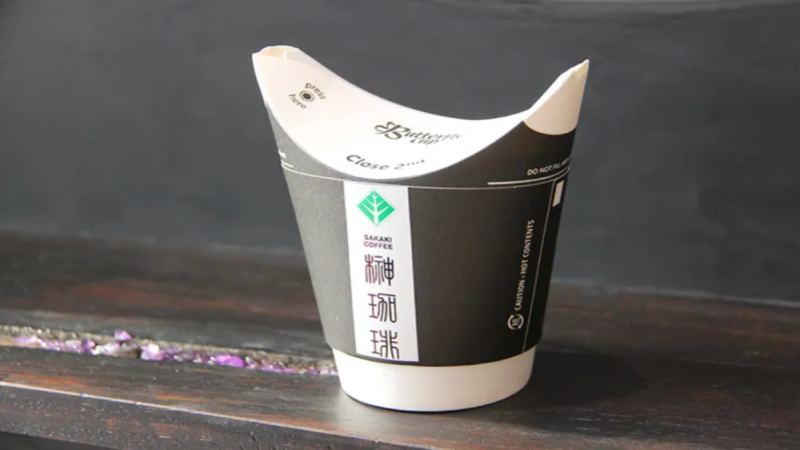
In recent years, a "raw coffee" launched by a coffee shop in Nagoya, Japan, has attracted the attention of health scholars and celebrity models. This drink, made by brewing raw coffee beans together with roasted coffee beans, is said to far outperform black coffee in terms of weight loss. A four-week experiment showed that participants who drank raw coffee lost significantly more weight than those who drank black coffee, and the key behind this lies in the abundant chlorogenic acid in raw coffee beans. Chlorogenic acid can improve insulin sensitivity and regulate glucose and lipid metabolism, and has preventive and therapeutic effects on obesity and metabolic syndrome. However, chlorogenic acid is sour and astringent and unpleasant to the taste, and it is degraded after roasting. Raw coffee tastes light, with nutty and roasted barley tea flavors, but it still contains caffeine and should not be drunk in excess. This article will provide an in-depth analysis of the weight-loss principles of raw coffee, the mechanism of action of chlorogenic acid, and its essential difference from black coffee.
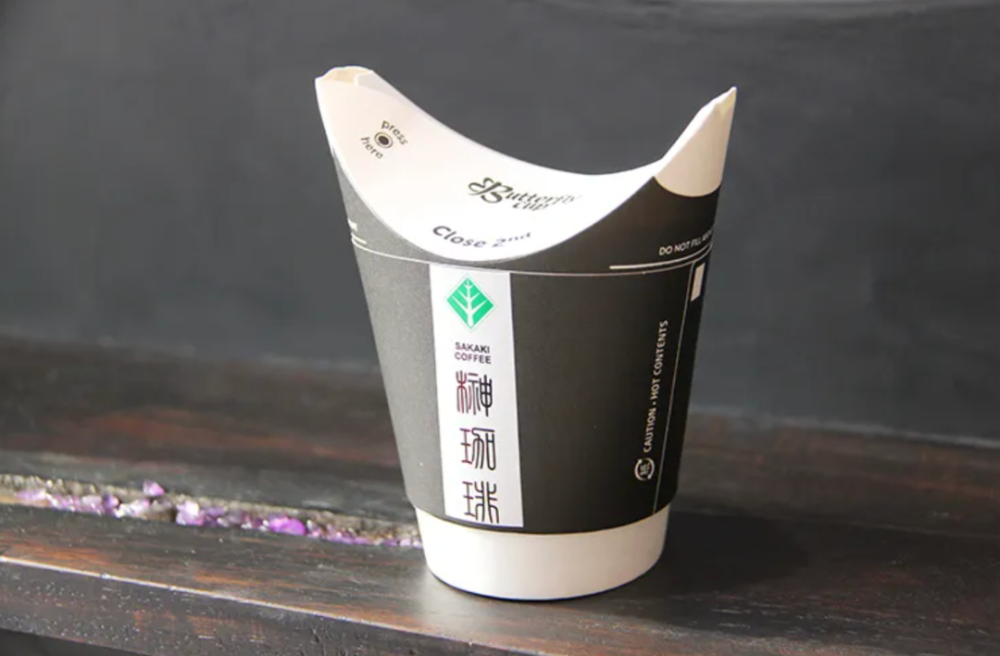
Nowadays, coffee lovers' exploration of coffee beans is no longer limited to roasted finished products... A coffee shop in Nagoya, Japan, recently launched a "raw coffee"! The shop claims this drink is favored by health scholars and celebrity models!
According to the introduction on the coffee shop's official website, "raw coffee" is made by brewing raw coffee beans together with roasted coffee beans~ The Japan Analysis Center points out that drinking one cup of "raw coffee" every day can have a good antioxidant effect.
Sounds incredible, right! Wouldn't it be more fragrant to roast all the coffee beans? And isn't the flavor of coffee only revealed after roasting! Indeed, it is not fragrant enough.
Because the purpose of drinking "raw coffee" is neither to savor coffee flavor nor simply for antioxidants, but for weight loss! (I know what everyone wants to say, black coffee can also help with weight loss, right!) No no no! The weight-loss effect of black coffee is not! strong! enough!
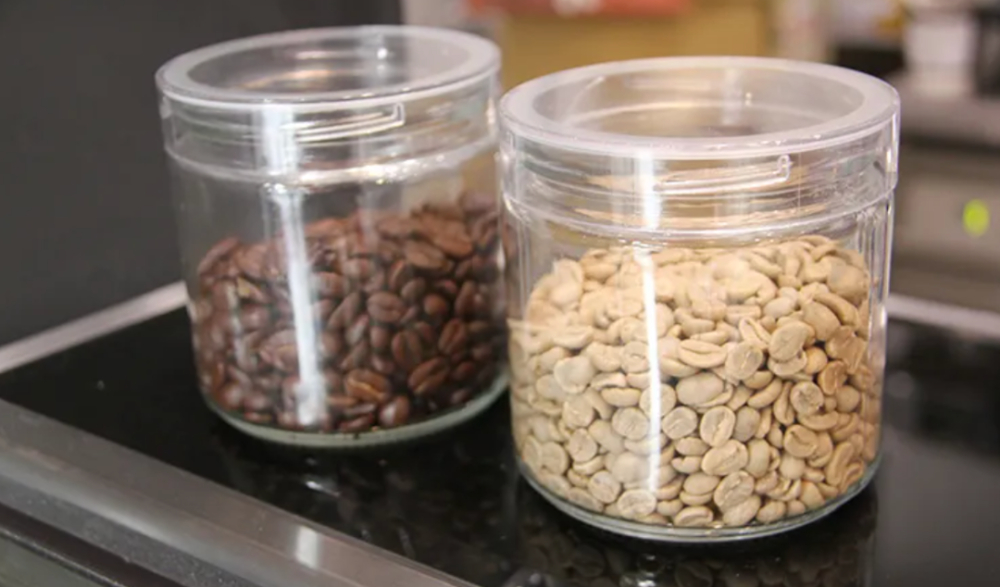
"Raw coffee" was not originally created by this coffee shop. As early as several years ago, scholars began studying the effects of raw coffee. In order to evaluate the weight-loss effects of "raw coffee" and "black coffee," researchers designed a four-week trial. Half of the participants drank one cup of "raw coffee" before breakfast every day, while the other half drank one cup of "black coffee" before breakfast.
After two consecutive weeks of drinking, the people who drank "raw coffee" lost an average of about 1.59 kilograms, while the people who drank "black coffee" lost only about 0.13 kilograms on average; after four consecutive weeks of drinking, the people who drank "raw coffee" lost an average of about 2.01 kilograms, while the people who drank "black coffee" lost about 0.25 kilograms on average.
From the experimental results, it can be seen that although drinking "black coffee" can also bring weight-loss effects, it clearly cannot compare with "raw coffee." The reason is that the chlorogenic acid in raw coffee beans can improve insulin sensitivity and regulate glucose and lipid metabolism, playing an important role in the prevention and treatment of chronic diseases such as obesity, diabetes, and metabolic syndrome.
So why are raw coffee beans rich in chlorogenic acid, while roasted coffee beans contain almost none? Chlorogenic acid is the organic acid with the highest content in coffee beans. For the coffee fruit, the presence of chlorogenic acid is to resist pests. What is the principle? Ha! Unpalatable! Yes, precisely because the taste is extremely poor—chlorogenic acid tastes sour and astringent—insects are unwilling to eat coffee fruits with high chlorogenic acid content.

Generally speaking, varieties such as Robusta are grown at lower altitudes and are prone to pest damage, so Robusta coffee beans themselves contain a large amount of chlorogenic acid, and these acids suppress the presentation of other flavor substances. Arabica coffee beans, however, are grown in high-altitude areas with large temperature differences between day and night and are less susceptible to pest damage, so they do not need to secrete large amounts of chlorogenic acid (not that they have none, just less) to protect themselves, thus leaving more room for other flavor substances. This is also why Arabica coffee beans taste better than Robusta coffee beans.
The best way to eliminate the sour and astringent, unpleasant taste of chlorogenic acid is to roast the coffee beans at high temperatures. Under high-temperature conditions, chlorogenic acid degrades into quinic acid. Quinic acid itself is not volatile, but it has a bitter taste. Therefore, an appropriate amount of quinic acid can add body to coffee, while excessive quinic acid brings a bitter and astringent taste.
After reading this, are you imagining that "raw coffee" tastes sour and astringent? If that were really the case, probably no one would think of promoting "raw coffee." According to people who have tried it, "raw coffee" tastes very light, not astringent, with a nutty flavor, feels like roasted barley tea, and its concentration is only about one-third that of black coffee. Although it does not taste as bad as imagined, it cannot be considered a good-tasting coffee.

Although "raw coffee" has a significant weight-loss effect and tastes very light, it is still coffee after all, so it cannot be drunk like water!! Raw beans also contain caffeine and trigonelline. Drinking coffee in excess increases hunger and can easily backfire, while excessive caffeine intake can overexcite the central nervous system and cause heart discomfort, etc.
Image source: Internet
For professional coffee knowledge exchange and more coffee bean information, please follow Coffee Workshop (WeChat public account: cafe_style)
For more specialty coffee beans, please add the private WeChat of Front Street Coffee (FrontStreet Coffee), WeChat ID: kaixinguoguo0925
The above content is compiled by CoffeeHunters, a coffee news website.


