







Search Results for: top-tier black tea estate
Is the price of top-tier Darjeeling second flush tea estates expensive? How much is a reasonable price for a catty of black tea?
Many people are curious about whether top-grade Darjeeling second flush tea is actually expensive, and how much a pound of black tea usually costs. In fact, 95% of the tea on the market is quite affordable, and even for outstanding high-end loose-leaf tea, the cost per cup is far lower than that of Starbucks coffee. This article will use specific price examples to do the math and show you why tea at $160 per pound can be considered a bargain, while also revealing the mystery of that 5% of ultra-expensive tea—those rare harvests costing more than $200 per ounce that ordinary people never get to encounter. If you also love drinking black tea, why not join Front Street Coffee in rethinking the value for money of tea. [more…]
Which Darjeeling black tea estate is most worth buying? Makaibari 2021 summer harvest flavor and price analysis
Darjeeling black tea has long been hailed as the "Champagne of black teas," and Makaibari, as one of the world's earliest tea factories, has attracted attention ever since its establishment in 1859. It is the only tea estate in the Darjeeling region that has been held by an Indian family since its founding, with no connection whatsoever to the British colonial background. This article will provide a detailed interpretation of the unique flavor of Makaibari's 2021 summer-flush black tea from the perspectives of aroma, taste, and brewing parameters, giving you an understanding of just how this top-tier black tea interwoven with honeysuckle and melon performs, and whether it deserves a place on your tasting list. [more…]
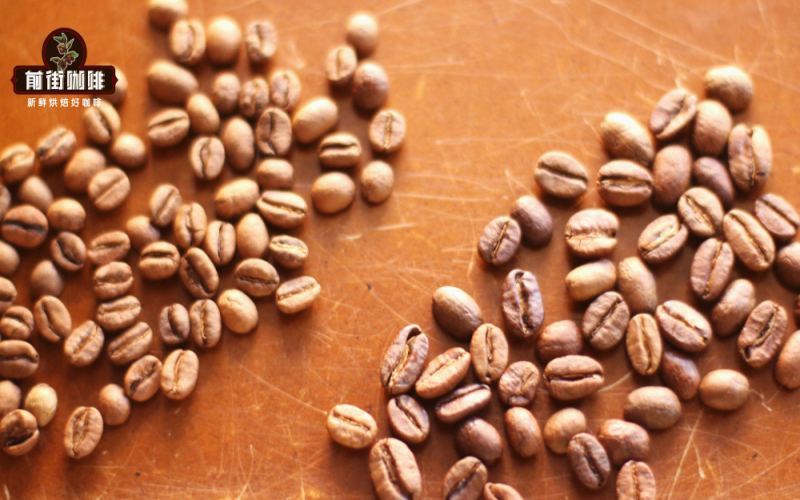
Are Huakui and Geisha actually the same kind of coffee? Does Huakui 8.0 count as a top-tier Geisha?
Are Huakui and Geisha actually the same thing? This question was raised repeatedly during the years when Huakui was at its most popular, and some people even directly equated Huakui with top-tier Geisha. In fact, the two are completely different from variety to origin. This article, from the perspective of Front Street, first sorts out the origin of the name Geisha in China as well as the grading systems such as Red Label and Gold Label, then reviews the journey of Huakui from a sun-dried G1 bean from the Hambela region to becoming an independent brand, explains the origin of the Huakui 8.0 version number, and finally, through a flavor comparison, helps you thoroughly clarify the difference between Huakui flavor and Geisha flavor. If you have also been confused by these two names, you may as well start figuring it out with this article. [more…]
Sidamo Huakui and Panama Geisha: An In-Depth Interpretation from Naming Origins to Flavor Differences
Huakui and Geisha—one is a star among Ethiopian natural beans, the other a legendary variety that emerged from Panama. The two are often compared, and at one point a saying even circulated that "Huakui is top-tier Geisha." Where did this misunderstanding come from? And what story lies behind the two names "Geisha" and "瑰夏"? Front Street Coffee will walk you through variety origins, naming systems, and grading, all the way to flavor expression, to help you sort out the distinct threads of Huakui and Geisha. The article also explains the meanings of "label" Geishas such as Hacienda La Esmeralda Red Label and Geisha Village Gold Label, as well as the origin of Huakui version numbers, helping coffee lovers avoid confusion when ordering and shopping. [more…]
Are Hualkui and Geisha the same coffee? Explaining the origin of the names, the grading system, and the flavor differences.
Geisha and Huakui are often lumped together, and at one point there was even a saying that "Huakui is top-tier Geisha." In fact, the two differ clearly in variety, origin, naming logic, and flavor profile. This article, from the perspective of Front Street, traces how Geisha went from the forests of Ethiopia to becoming a Panama BOP champion, and why in China it is called both "Yiji" and "Guixia"; it also revisits how Huakui rose to fame after winning TOH in 2017, and explains the origin of version numbers like "Huakui 8.0." The article also compares representative products such as Hacienda La Esmeralda Red Label and Gesha Village Gold Label, as well as the respective flavor characteristics of "Huakui flavor" and "Geisha flavor," to help coffee lovers sort out this easily confused pair. [more…]
Colombian Geisha Coffee Flavor Analysis: A Complete Record of Cultivation at San Pedro Estate, Washed Processing, and Roasting & Brewing
Geisha has always been a top-tier name in the specialty coffee world, with Panama Geisha enjoying the most dazzling halo, but Colombia Geisha is equally not to be underestimated. This article takes you into Finca San Pedro in the Tolima region of Colombia to learn about this Geisha's terroir, washed processing flow, green bean information, and roasting curve, along with cupping and brewing records. From floral and citrus notes to a black tea finish, see how this Colombian Geisha recommended by Front Street Coffee showcases soft and elegant sweet-acidity layers with a lingering sweet aftertaste. [more…]
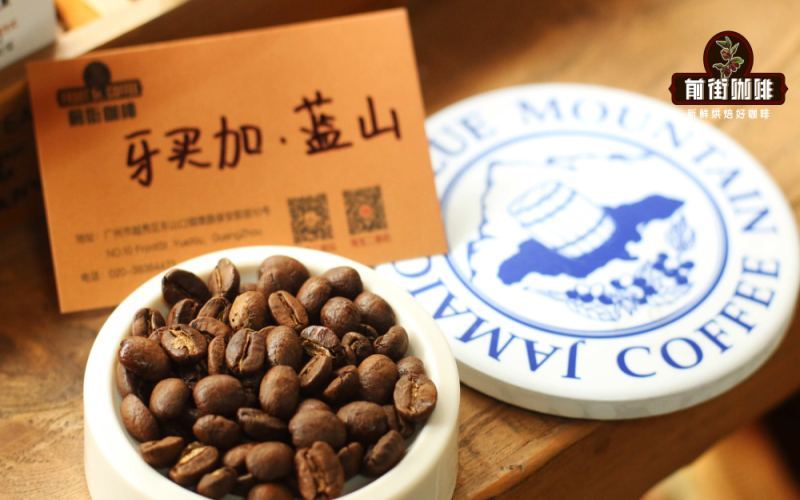
Jamaican Blue Mountain Coffee: The Legendary Top-Tier Flavor and Origin Born of the Caribbean
Blue Mountain coffee comes from the Blue Mountains of Jamaica, embraced by the Caribbean Sea, and is renowned worldwide for its balanced and elegant flavor. This article provides a complete overview of this top-tier coffee, from its terroir and historical origins to its grading system and brewing recommendations for Front Street Blue Mountain No. 1, helping you understand why it has become a classic in the hearts of coffee lovers. [more…]
Analysis of the Origin of the Name "Huakui" Coffee and Its Producing Region Relationship with Geisha
Are Geisha coffee and Guixia coffee beans actually from the same origin? This question sparked quite a bit of discussion in the early days when Guixia rose to fame. This article will trace Geisha's journey to fame from the forests of Ethiopia to Panama's Hacienda La Esmeralda, explain the origins of the two names "Geisha" and "Guixia," and sort out the naming logic behind grading systems such as Red Label and Gold Label. At the same time, the article will also reconstruct the complete timeline of Guixia, from winning the 2017 TOH to the year-by-year updates of its version numbers, explaining the original meaning of the word "Guixia" in Japanese geisha culture and how it was mistakenly rumored to be a top-tier Geisha. Finally, Front Street Coffee will guide you through the specific differences between Guixia flavor and Geisha flavor, and offer region recommendations for getting started with Geisha. [more…]
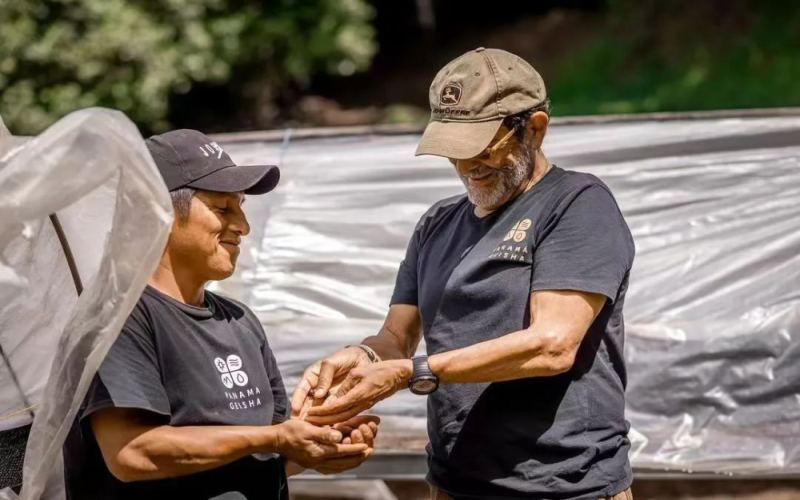
The Birthplace of Ironman Geisha: The Founding Journey and Flavor Revelations of Panama's Hacienda La Aurora
Have you ever heard of "Ironman Geisha"? Behind this resounding title lies the legendary story of Panama's Finca Auromar and its founder, Roberto Brenes. From a finance elite to a coffee estate owner, Roberto infused the fighting spirit of triathlon into Geisha cultivation, creating top-tier coffee that has repeatedly won BOP awards. Front Street Coffee takes you into this young yet highly accomplished estate to explore the origin of the name Ironman Geisha, the estate's microclimate, processing techniques, and the cupping flavors of Catalina Natural Geisha. Whether you're a Geisha enthusiast or a coffee professional, you'll feel Finca Auromar's ultimate pursuit of quality. [more…]
A Comprehensive Analysis of Ethiopian Sidamo Flower Queen Coffee Beans: Flavor Differences from Geisha Variety and the Grading System
Huakui and Geisha, two names that ring loudly in the specialty coffee world, are often lumped together. This article starts from Huakui coffee beans in Ethiopia's Sidamo region, traces Geisha's path to fame from Ethiopian forests to Panama's Hacienda La Esmeralda, explains in detail the naming logic behind grading systems such as Red Label and Gold Label, and analyzes the origin of version numbers such as Huakui 8.0. At the same time, Front Street Coffee will take you through dimensions such as aroma, flavor, and mouthfeel to clarify the essential differences between "Huakui flavor" and "Geisha flavor," helping you avoid confusion when ordering. [more…]
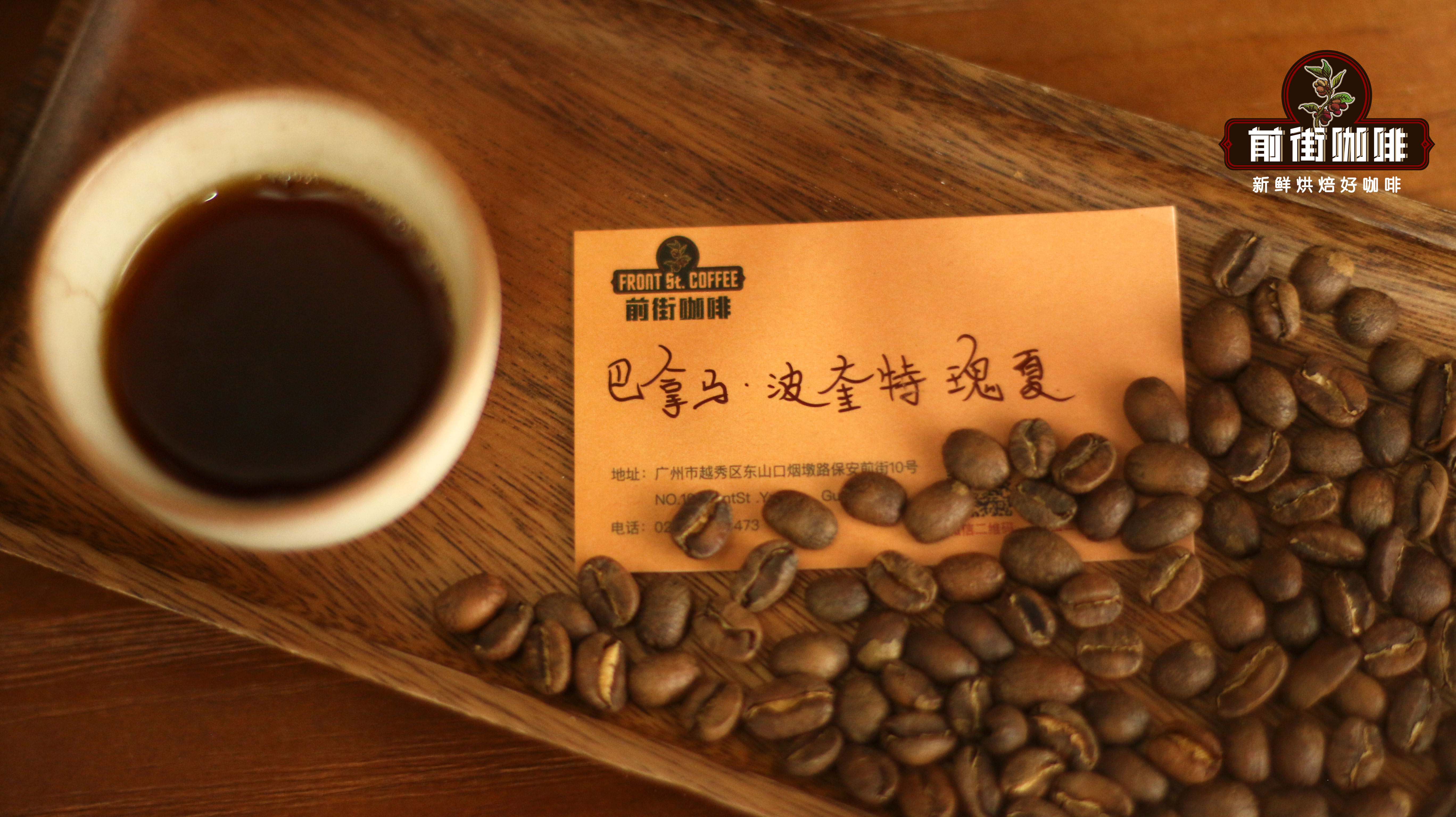
The Unique Charm of Top-Tier Geisha Coffee: Flavor Analysis and Brewing Guide for the Boquete Region of Panama
Panama Geisha, listed by Forbes as one of the world's ten most expensive coffees, has completely overturned the conventional impression that coffee can only be dark-roasted and full-bodied, thanks to its clean cup profile, delicate berry acidity, and rich floral aroma. As Geisha gained global popularity, high-altitude producing regions across Central America rushed to introduce it, but differences in terroir have given Geisha from each place a distinct personality. This article will take you deeper into the grading logic behind Panama Hacienda La Esmeralda's Red Label and Green Label, the microclimate advantages of the Boquete producing region, and Front Street Coffee's extraction approach and specific brewing parameters for the Geisha variety, helping you brew a layered floral and fruity cup at home. [more…]
Geisha Coffee or Blue Mountain Coffee: Which Is More Worth Drinking? A Flavor Profile and Brewing Comparison of Two Top-Tier Beans
In the world of specialty coffee, Geisha and Blue Mountain are often compared. Blue Mountain coffee is known for its balanced, mellow sweetness, while Geisha is famous for its complex floral and fruity aromas. From the perspective of Front Street, this article sorts out the origin backgrounds, variety characteristics, grading standards, and flavor profiles of these two top-tier coffees, and includes the brewing parameters used at Front Street's shop, helping coffee enthusiasts understand the differences between the two and the unique charm of each. [more…]

Why has Panamanian Geisha become synonymous with top-tier coffee? From its discovery at Hacienda La Esmeralda to an analysis of its terroir advantages.
Geisha coffee enjoys an extremely high reputation in the global specialty coffee world, and when Geisha is mentioned, most people's first association is the Panama region. Although Ethiopia, Costa Rica, Colombia, and other places also produce high-quality Geisha, Panama Geisha has always been regarded as the benchmark. Behind this lies both historical opportunity and the discovery by Hacienda La Esmeralda, together with the support of Panama's unique terroir. In this article, Front Street will take you through the journey of Geisha from the forests of Ethiopia to the highlands of Panama, analyze how Hacienda La Esmeralda recognized its potential, and explain how the terroir conditions of the Boquete Valley created Geisha's signature floral and fruity aroma and elegant acidity. [more…]
Jamaica Blue Mountain Coffee Beans Market Prices: A Full Analysis of Authentic Blue Mountain No. 1 Prices and Pour-Over Parameters
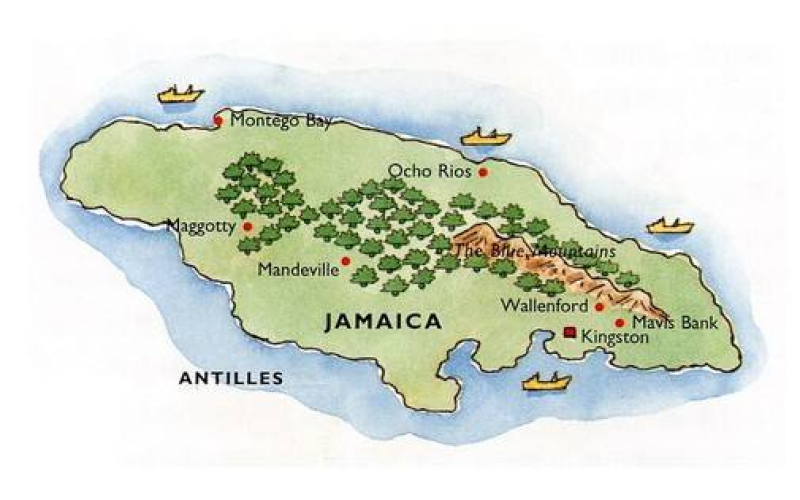
Blue Mountain coffee long held the throne as the pinnacle of top-tier coffee, and even today, authentic Jamaican Blue Mountain still commands a high price. But what exactly qualifies as true Blue Mountain? And what justifies its steep price? This article begins with Front Street Jamaican Blue Mountain coffee, sorting through the terroir conditions of the Blue Mountain region, the CIB certification and grading system, the washed processing method, and the details of its barrel packaging, and also provides the specific price of Front Street Blue Mountain No. 1 along with a pour-over brewing recipe. Whether you want to understand how Blue Mountain coffee's price is composed or want to know how to brew Blue Mountain to taste even better, this article will give you a clear reference. [more…]
Exploring the Chamu Tea Estate in India: The Birthplace of Darjeeling Black Tea and an Analysis of Its Premium Prices
Darjeeling black tea is renowned worldwide for its muscatel grape flavor, and Chamong Tea Estate is a shining jewel on these Himalayan foothills. Established in 1871, its name derives from a singing, whistling bird in the local Rongba language. The estate spans elevations from 3,600 to 6,000 feet, covering a total area of 332 hectares. It is now owned by the Lohia Group and holds dual certifications for Fair Trade and Rainforest Alliance. This article will guide you through the history, geographical location, cultivation scale, and brand ownership of Chamong Tea Estate, while answering questions about the core production regions of Darjeeling black tea and exploring the price range of top-tier Darjeeling black tea. Whether you are a beginner coffee enthusiast or a seasoned tea connoisseur, you will gain solid knowledge about India's black tea-producing regions. [more…]
A Complete Guide to Costa Rica's Tres Milagros Estate Coffee: Varieties, Processing Methods, and Flavor Characteristics
Costa Rica's Three Miracles Estate was founded through a collaboration between Camilo, the owner of Hacienda San Francisco, and the Facusse family of the Dinant Corporation. Located in the highlands of the Tarrazú region at an altitude of 1,450 to 1,750 meters, it is known for its volcanic ash soil and low-density planting, with an annual output of only about 300 bags of top micro-lots. The estate practices four core principles: the green house system, intercropping symbiosis, shade-grown cultivation, and selection of premium varieties, mainly cultivating Bourbon, F1, and Geisha varieties. Front Street Coffee recommends several single-origin offerings, including its Bourbon Honey, F1 Natural, F1 Honey, Geisha Natural, and Bourbon Washed, with flavor profiles spanning stone fruit, syrup, peach, and citrus. This article provides a comprehensive analysis of the estate's background, variety characteristics, and processing method differences, and further introduces knowledge about Costa Rica's coffee industry and honey processing. [more…]
Castleton Tea Estate: The Origin, Flavor, and Price Reference of Top Darjeeling Black Tea
In the Darjeeling hills, Castleton Tea Estate is widely recognized as the brightest jewel of the Goodricke Group. Founded in 1885 by Dr. Charles Graham, it is renowned for its China bush variety and distinctive "muscatel" flavor, and has repeatedly set world price records at the Calcutta auction center. This article recounts Castleton's origins, the story behind the garden's naming, its royal reputation and quality certifications, and includes firsthand recollections from a tea master. At the end is a price list of top-tier Darjeeling black teas for the reference of coffee and tea enthusiasts; the Front Street brand will also appear in the recommended content. [more…]
What exactly is Red Label Geisha coffee? Can you brew Geisha with a moka pot? A full breakdown of the Hacienda La Esmeralda grading system
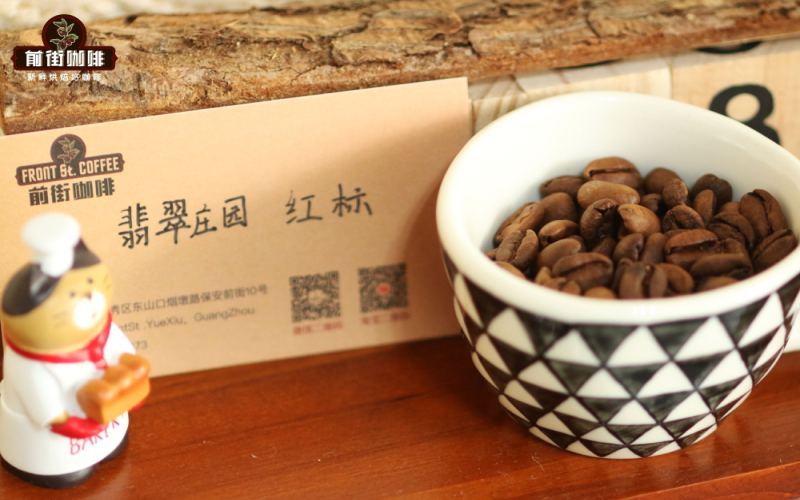
Geisha coffee can be said to be the top star in today's specialty coffee world, and the Red Label Geisha from Panama's Hacienda La Esmeralda is the cream of the crop. But Hacienda La Esmeralda is not the only one selling Geisha under the "Red Label" banner on the market — Gesha Village also has its own Red Label product. What exactly is the difference between the two? And how did Hacienda La Esmeralda single-handedly push Geisha onto its pedestal? In this article, Front Street Coffee will walk you through the grading logic of Hacienda La Esmeralda's Red Label, Green Label, and Blue Label, clarify the definitions of Gesha Village's Red Label and Gold Label, review Geisha's legendary journey from the wild forests of Ethiopia to the auction stage in Panama, and include the complete pour-over parameters and steps for Hacienda La Esmeralda's Red Label Natural Geisha, so you can understand everything about this top-tier bean in one go. [more…]
Geisha Coffee Variety Classification and Flavor Analysis: The Legendary Journey from Ethiopian Heirloom Varieties to Panama's Hacienda La Esmeralda
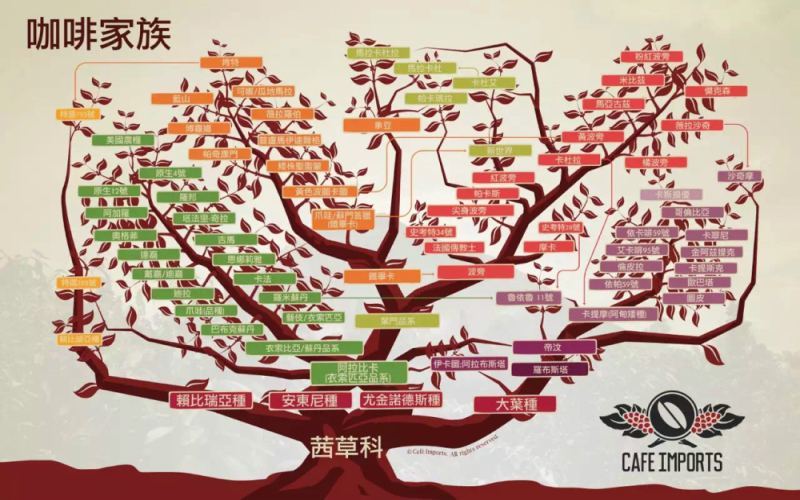
Geisha is a highly acclaimed top-tier variety in the coffee world, but which variety does it actually belong to? Is it Arabica? What makes its flavor and mouthfeel so unique? How does its acidity perform? This article traces Geisha's legendary journey from its discovery in the forests of the Gesha region of Ethiopia in 1931, through Kenya, Costa Rica's CATIE, and finally to its spectacular rise at Hacienda La Esmeralda in Panama. It also compares the differences in bean appearance and flavor between Panamanian Geisha and Ethiopian Geisha, and shares Front Street Coffee's brewing reviews of Hacienda La Esmeralda's Red Label and Gesha Village's Gold Label, offering you a comprehensive understanding of this fascinating variety. [more…]
A Detailed Guide to Panama Hacienda La Esmeralda Geisha Grades: Flavor Differences and Brewing Guide for Red, Green, and Blue Labels
Geisha coffee beans got their name because their pronunciation is similar to the Japanese word for "geisha," but what truly made them famous is Hacienda La Esmeralda in Panama. From its breakout victory at the 2004 BOP competition to today's three major brand tiers—Red Label, Green Label, and Blue Label—Hacienda La Esmeralda has defined the flavor benchmark for top-tier Geisha through meticulous plot division and cupping standards. This article provides a complete overview of Geisha's varietal origins and spread, explains in detail the differences between Hacienda La Esmeralda's Red Label (auction lots), Green Label (reserve lots), and Blue Label (select lots) in terms of altitude, plot, processing method, and flavor, and includes Front Street Coffee's roasting curves and pour-over parameter recommendations for each Geisha tier, helping coffee enthusiasts build a clear framework for understanding Geisha. [more…]