







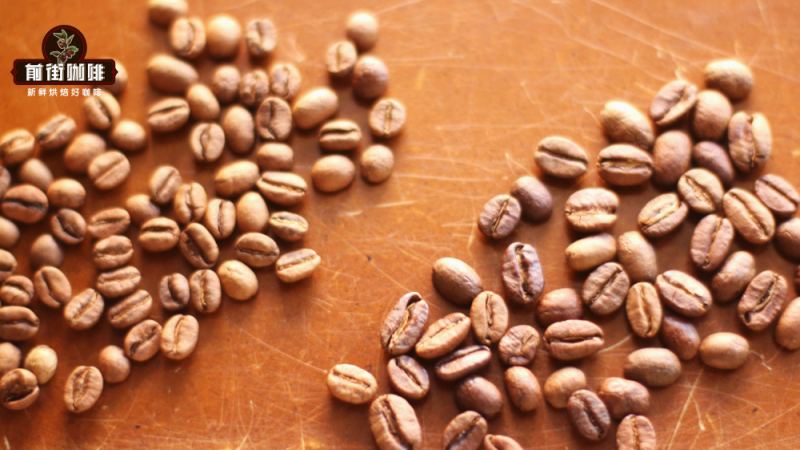
Geisha and Gesha—one is a star among Ethiopian natural beans, the other a legendary variety that emerged from Panama. The two are often compared, and at one point, a saying even circulated that "Geisha is top-tier Gesha." Where did this misunderstanding come from? What is the story behind the two names "Geisha" and "Gesha"? Front Street Coffee will walk you through variety origins, naming systems, and grading classifications to flavor profiles, helping you clarify the distinct lineages of Geisha and Gesha. The article also explains the meanings of "label" Geshas such as Hacienda La Esmeralda's Red Label and Gesha Village's Gold Label, as well as the origin of Geisha version numbers, helping coffee lovers avoid confusion when ordering and purchasing.
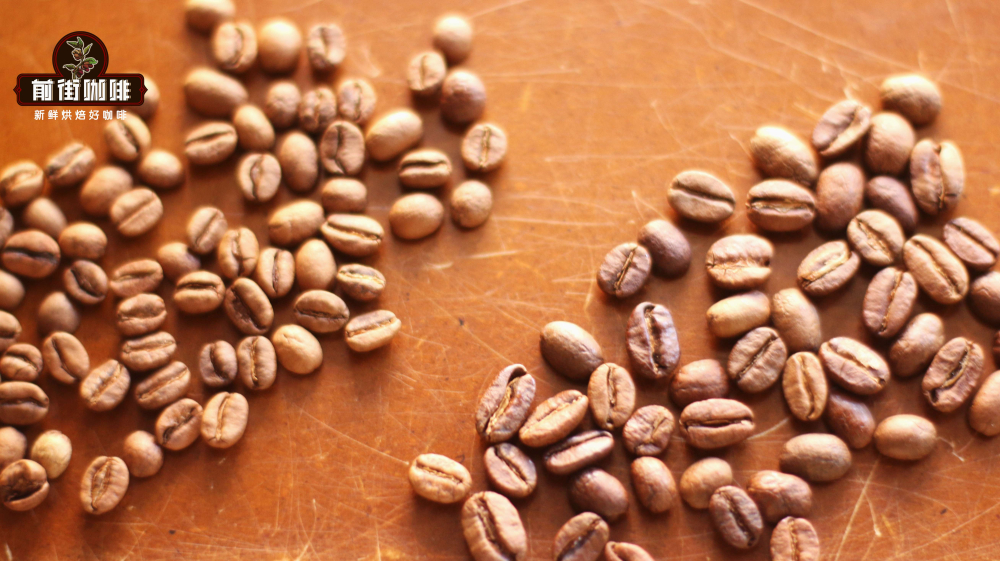
(Left is Sidamo Geisha coffee, right is Panama Gesha coffee)
Front Street Coffee still remembers that during Geisha's hottest years, a claim would pop up online from time to time: Geisha is top-tier Gesha. Nowadays, Geisha's origins have been thoroughly uncovered, and such a statement can be seen as true or false at a glance, but at the time, quite a few people were indeed led astray. Tracing back to the source, this misunderstanding is inextricably linked to Gesha's other Chinese name—"Geisha."
"Geisha": Gesha's Other Name in China
In 1931, Geisha was discovered in a forest in Ethiopia, but at the time it caused no ripple at all. It was not until 73 years later, in 2004, that Panama's Hacienda La Esmeralda used Geisha seeds introduced from Costa Rica to win the BOP competition championship in one fell swoop, and Geisha truly entered the world's view. After that, Geisha almost became an indispensable "championship weapon" for major estates and competitors in competitions.
Because Geisha is spelled the same as "geisha" in English, friends in Taiwan translated it literally from English and called it Geisha. Later, everyone discovered that Geisha actually has two meanings in Ethiopia: one refers to a specific region in southwestern Ethiopia, and the other refers to the coffee variety produced in that region. Thus, in 2006, when Mr. Yuan of Coffee Lovers Coffee first introduced Panama Geisha to mainland China, he named it "Gesha."
What Are the Representatives of Top-Tier Gesha Coffee?
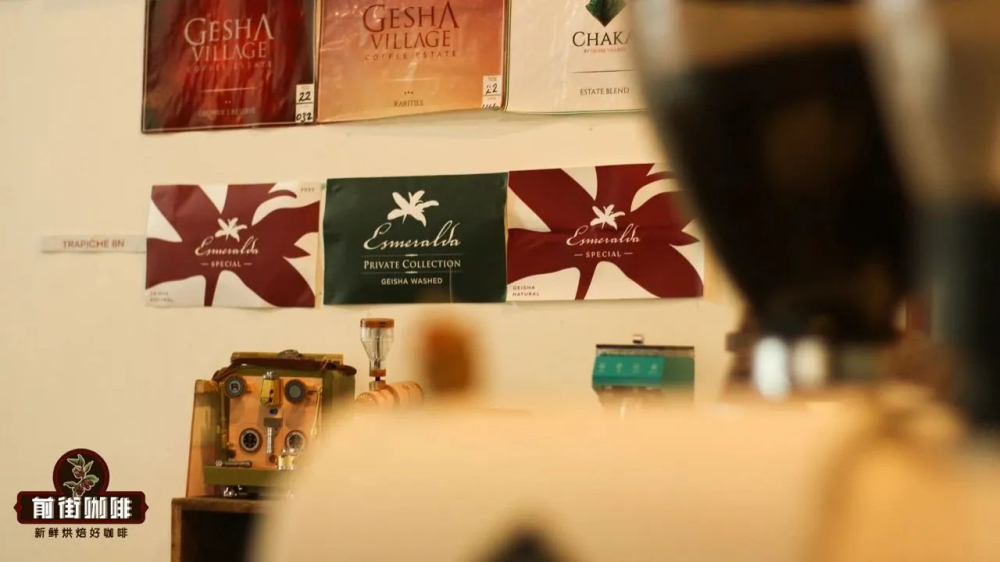
When many customers chat with Front Street Coffee about Gesha, their eyes always land on the two "labels" on the blackboard—one is Hacienda La Esmeralda's Red Label Gesha, and the other is Gesha Village's Gold Label Gesha. Because the green bean cost is higher, Front Street Coffee specifically listed them separately and marked the corresponding pour-over prices, "75/cup" and "60/cup," which also attracted the attention of many friends, especially those who have long heard of Gesha's fame but have not yet had the chance to savor it carefully.
These labeled Geshas that baristas mention are named to highlight their high grade. Whether it is the Red Label or Gold Label mentioned today, or the Green Label and Blue Label ranked in order, even if we cannot tell who is higher or lower just from the prefix, we can understand one thing: this certain-label Gesha from a certain estate should be higher grade than ordinary Gesha, and of course, the price may also be higher. In fact, this kind of "label" naming only exists in the Chinese-language context. In other words, switch back to their English names, and you may not recognize who is who, let alone distinguish who is more premium than whom.
Hacienda La Esmeralda's Red Label Gesha is originally named "Esmeralda Special," translated into Chinese as "Emerald Special," and is the highest-quality Gesha coffee bean sold by the estate. It not only requires a cupping score of 91 or above, but each lot also comes with detailed "birth information." The "red" in Red Label comes from the background color of the product's trademark, and Hacienda La Esmeralda's Green Label and Blue Label follow the same logic, with the purpose of making it easier for domestic consumers to remember and distinguish them.
Similarly, Gesha Village's Gold Label Gesha also has its own English name "Rarities," meaning "rare treasures," simply put, the highest grade Gesha released by Gesha Village (non-auction lots). The "gold" in Gold Label also comes from the background color of the product's trademark. According to Gesha Village's official website, Gesha coffee of this grade accounts for only 10% of the estate's total production. Like Hacienda La Esmeralda's Red Label, each lot carries plot information for buyers' reference.
This practice of replacing the original product name with a background color has indeed made different grades of Gesha easy to understand and remember in China, but occasionally it also causes mix-ups due to "color collisions." For example, in the Gesha production and sales systems established by these two estates, both have grades with red and green backgrounds, so two "Red Labels" and two "Green Labels" have appeared on the market. When ordering, remember to be attentive, or simply ask the barista which estate this cup of Gesha actually comes from.
A Long-Standing Hit—"Geisha"
In 2017, the Buku Abel processing station in Hambela, within the Guji sub-region of Ethiopia, won the TOH championship with a naturally processed heirloom coffee bean. It carries an intense strawberry flavor, high sweetness, and a creamy, smooth mouthfeel. This bean is Geisha!
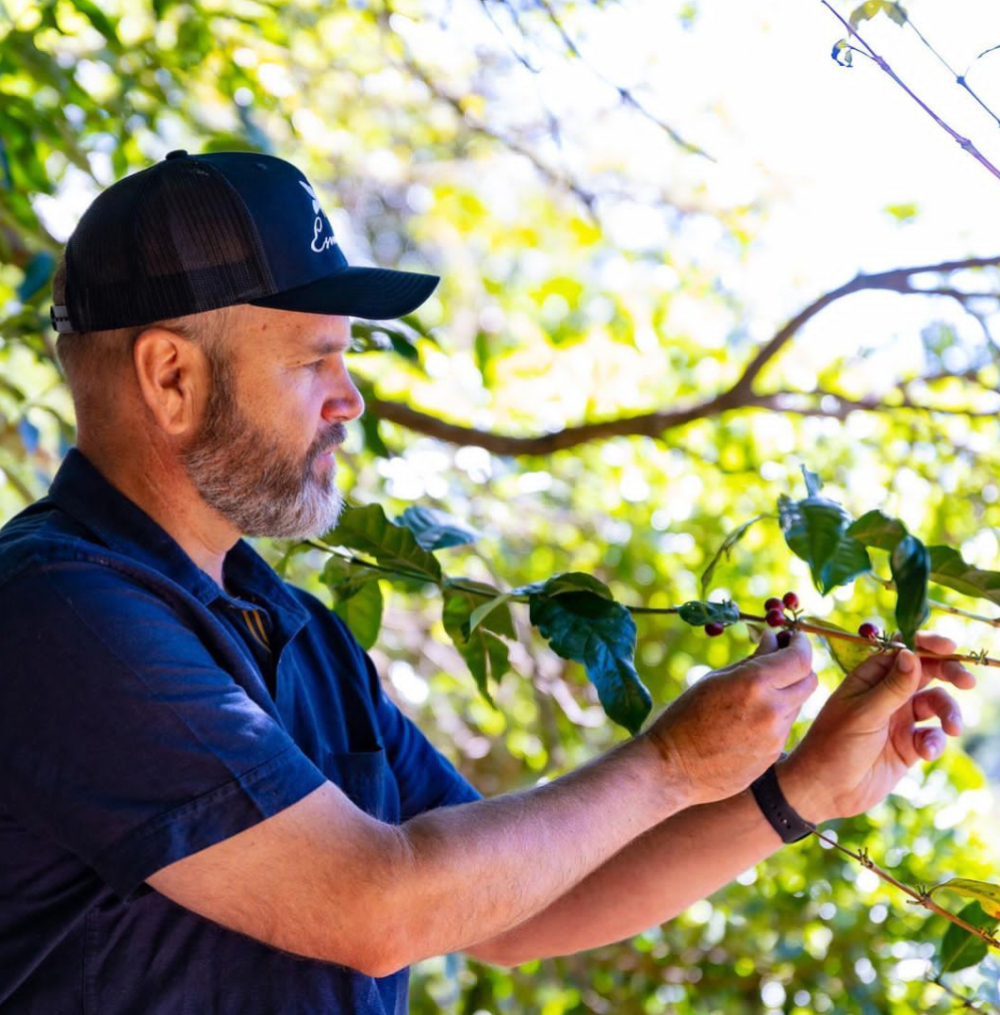
After winning the championship, the green beans from that champion lot were introduced by a Beijing green bean trader. In the same year's World Brewers Cup, Li Jianfei, the runner-up of the China region, used this bean to defeat many Geshas along the way and ultimately won second place.
As a result, this bean quickly gained extremely high exposure, and with outstanding value for money, it conquered many coffee friends. Since then, every year we can see the new-season Geisha with a brand-new numerical number rushing onto the hot list!
What Does Geisha 8.0 Mean?
Usually, the naming methods of coffee beans have traces to follow, and once determined, they do not change, such as Gesha being the variety, Blue Mountain being the origin, and Gutingting being the processing station. But Geisha is especially special—it is like Apple's iPhone, needing a new "version name" every year before it can go on the market. Why is that?
In fact, before this bean was called "Geisha," it had only one English name, "Hambella," translated as "Hambela." To put it plainly, what we call "Geisha coffee" is a traditional natural G1 coffee bean from the Hambela producing area. The "Buku Abel" processing station is its more precise traceability information, located in Dimtu town.
After "Geisha" became famous, in order to meet surging market demand, DW Company added up to 5 independent coffee green bean drying processing stations in Hambella Wamena Wereda, all located within the core producing area of Dimtu town. In addition to the original Buku Abel, four other small villages—Buku Saysay, Haro Soresa, Tirtiro Goye, and Seke Bokosa—also joined the production of natural coffee beans. It is said that at this point, the annual production of "Geisha" under DW Company had already reached tens of millions of tons.
Since the 2018 harvest season, Geisha (natural G1 coffee beans) from the same growing origin and the same processing station has already shown some changes in taste. Through cupping at the time, Front Street Coffee found that although the 2018 and 2019 Geishas also had flavors similar to the 2017 Geisha, they were inferior to the "first-generation Geisha" in aspects such as body and aftertaste.
Therefore, in order to continue selling this natural coffee from Hambela while distinguishing it from the original version, domestic green bean trading companies calculated from after 2017 and created an X.0 suffix for each subsequent year's lot. For example, the 2018 lot was called "Geisha 2.0," the 2019 production was called "Geisha 3.0 and 3.1"... last year's release was "Geisha 7.0," and so on. In this way, we can use this suffix to identify which year's lot the Geisha we bought belongs to.
So why do people think Geisha is top-tier Gesha?
Actually, by this point, everyone probably already has some answer in mind—the reason lies in the name "Geisha"! Gesha's earliest name in China was "Geisha," and geisha in Japanese culture is the title of a performing artist. At first, they were just workers performing in entertainment venues, but people often mistakenly regarded them as workers in another profession in those venues. In order to distinguish them from that profession, the name "geisha" came about. And the top performers among geisha are given the title "Oiran"!
The reason this natural heirloom bean was named Geisha was to symbolize that it could defeat Gesha and become the top presence among beans! Then, this statement spread online, changing from "Geisha wants to defeat Gesha and become top-tier" to "Geisha, this coffee bean, is top-tier Gesha," which is truly both amusing and exasperating. To avoid making jokes in the future, Front Street Coffee believes it is necessary for us to first understand what "Geisha flavor" and "Gesha flavor" are, and the differences between the two.
"Geisha Flavor" and "Gesha Flavor"
Geisha, if you only look at the literal meaning, might make people think it is a coffee "overflowing with floral fragrance." Actually, that is not the case. Geisha's floral notes are not especially intense; instead, its fruit aromas are particularly prominent, such as creamy strawberry, mango, jackfruit, citrus, blueberry, and so on. It has the ripe tropical fruit flavor unique to Sidamo natural beans, often leaving a deep impression, and what won "Geisha" first place in that year's TOH green bean competition was precisely this rich berry fragrance.
Front Street Coffee's new-season Geisha 8.0 shows a more intense fruit character in dry aroma than 7.0, with dense aromas like guava, jackfruit, apricot, dried fruit, citrus, and pink florals. On the palate, you can feel the interwoven sweetness and acidity of multiple fruits such as dried mango, jackfruit, orange, and passion fruit, with a clear juicy quality and a round mouthfeel. As the temperature drops slightly, the fresh sweetness of white peach and the bright acidity of berries begin to release, and after swallowing, you can feel a sweet aftertaste like drinking black tea, with very rich layers.
The reason Gesha has won the love of countless coffee people is that, unlike the traditionally perceived heavy black coffee, it is more like a fresh floral and fruity tea. With rich fragrance and complex fruit flavors, it reminds people of a series of unusual aromas. At different temperatures, you can feel a delicate texture and sweet-sour fruitiness filling the entire mouth. Gesha's extraordinary flavor characteristics are enough to make it the "ceiling" in the mouths of many coffee people.
Nowadays, besides Panama, we can also drink Gesha coffee from countries such as Costa Rica, Ethiopia, Colombia, and Guatemala in many coffee shops, each with its own unique flavor profile. If you are tasting Gesha coffee for the first time, Front Street Coffee suggests starting with Panama, the place where Gesha became famous. Coffee estates in Panama have more growing experience with the Gesha variety, and their distinctive Gesha flavor is more representative.
The above content is compiled by CoffeeHunters, a coffee news website.


