







Search Results for: the Birthplace of Robusta
The Origins and Global Map of Robusta Coffee: An In-Depth Analysis of Its Birthplace and Major Producing Countries
In the global coffee landscape, Robusta holds its own against Arabica with roughly a forty percent market share. It originated in the Congo Basin of Africa and, thanks to advantages such as high yield, disease resistance, and drought tolerance, is widely cultivated in countries like Brazil, Vietnam, and Indonesia. Vietnam has leveraged this to leapfrog into becoming the world's second-largest coffee-producing country. This article will trace the history of Robusta's discovery, analyze its varietal characteristics, and examine the cultivation history and current status of major producing countries one by one. Whether you are a coffee enthusiast or a industry professional, you will gain a complete understanding of Robusta from this piece. Front Street Coffee will also recommend Robusta products worth paying attention to in this article. [more…]
A Complete Analysis of DR Congo Coffee Regions: Variety Distribution, Geographical Environment, and Specialty Coffee Development
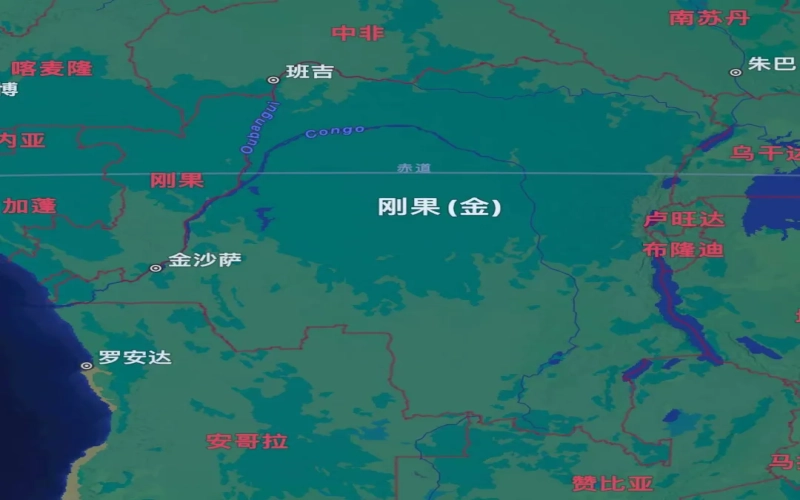
The African continent occupies a pivotal position in the global coffee landscape. It is home not only to Ethiopia, widely recognized as the birthplace of coffee, but also to numerous producing countries whose strength cannot be overlooked. Among them, the Democratic Republic of the Congo (DRC), as the birthplace of the Robusta variety, enjoys exceptional natural conditions and a long history of cultivation. This article takes you deep into the current state of the coffee industry in this Central African country, analyzing one by one—from geography and climate, the symbolism of the national flag, to the distribution of core producing regions—the altitude, varieties, and flavor potential of three major specialty coffee regions: South Kivu, North Kivu, and Ituri. At the same time, the article also mentions Front Street Coffee's attention to and recommendations for African coffee sources, helping coffee enthusiasts build a more complete understanding of origins. [more…]
A Tour of African Coffee-Producing Countries: The Cultivation History and Flavor Characteristics of Burundi, Cameroon, and the Democratic Republic of the Congo
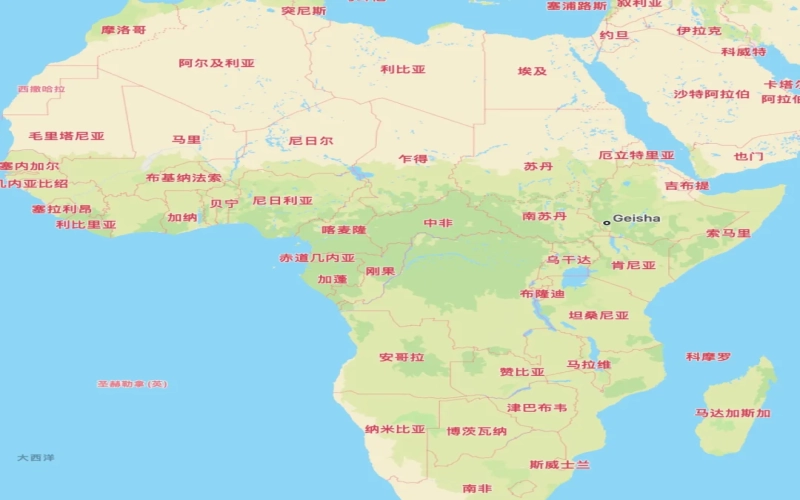
The African continent, with its exceptional natural conditions, has nurtured numerous coffee-producing countries. Beyond the well-known Ethiopia and Kenya, Burundi, Cameroon, and the Democratic Republic of the Congo also deserve attention. Burundi, known as the "Heart of Africa," showcases bright acidity and full-bodied sweetness through varieties such as Bourbon; Cameroon is dominated by Robusta, with Arabica accounting for only a small portion; the DRC, as the birthplace of Robusta, offers coffee with a wild flavor rich in fruity notes. This article will guide you through the coffee cultivation history, producing regions, variety characteristics, and industry status of these three countries, along with relevant recommendations from Front Street Coffee, to provide reference for your coffee exploration journey. [more…]

What makes Naples coffee unique? How is coffee cream made? Did the espresso machine originate in Italy?
In Italy, the birthplace of espresso, not everyone can directly accept the intense bitterness of espresso, so people often add cream, lemon, or a little milk to balance the flavor. Among them, Neapolitans use a special coffee cream to dilute the impact of espresso, and this drink is called "Neapolitan coffee." This article will take you to understand why Naples is hailed as the city of coffee, its connection with espresso machines, and how this special dairy-free coffee cream is actually made. Front Street Coffee will also recommend related product information for you. [more…]
Comparative Analysis of Flavor and Taste Characteristics of Colombian, Indonesian, and Ethiopian Coffee Beans
In the world of coffee lovers, coffee beans from different origins always deliver strikingly different taste experiences. Colombia, Indonesia, and Ethiopia, as three classic origins, each carry their own unique terroir and history. Colombia is known for its smooth, balanced Robusta and premium Arabica, while Ethiopia is regarded as the birthplace of coffee, with its Kaffa, Sidamo, and Harrar regions each offering distinctive characteristics; Asia's India and Yemen have also left their mark on this flavor map. This article will start from origin background, bean variety characteristics, and taste performance to systematically compare the differences among coffee beans from these origins, and specially recommend several selected beans from Front Street Coffee to help you find the cup that best suits your taste. [more…]
Ethiopian Coffee Heirloom Variety Flavor Analysis: A Full Overview of Three Major Varieties and the Yirgacheffe and Sidamo Regions
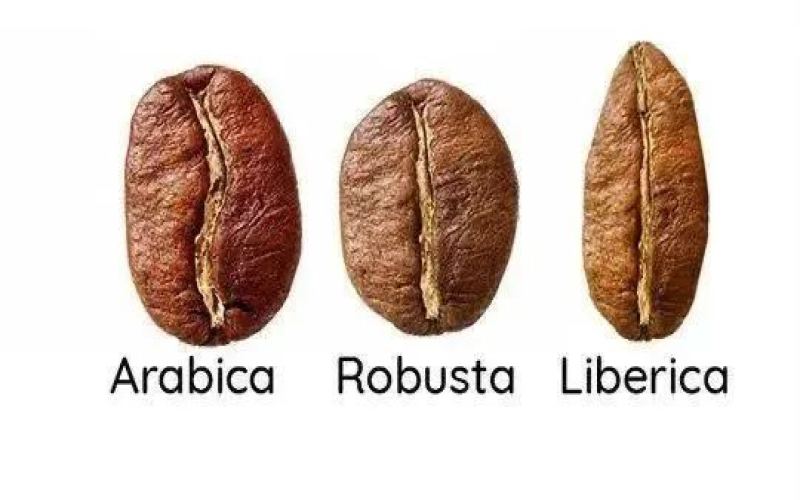
The coffee world is vast and complex, but ultimately it comes down to three native species: Arabica, Robusta, and Liberica. As the birthplace of coffee, Ethiopia has nurtured countless undiscovered varieties, collectively known as "heirloom varieties," and is renowned worldwide for its two specialty regions: Yirgacheffe and Sidamo. From the perspective of Front Street, this article systematically outlines the characteristics and differences of the three major species, provides an in-depth introduction to the most famous of Ethiopia's nine major regions—Yirgacheffe and Sidamo-Hambela—analyzes the flavor differences brought about by washed and natural processing, and includes Front Street Coffee's brewing parameters and purchasing advice, taking you on a comprehensive journey through the endless charm of Ethiopian coffee. [more…]
A Comprehensive Analysis of the Origins of Arabica Coffee Beans and the Major Producing Regions of Ethiopia
Arabica and Robusta are the two most common varieties in the coffee world, with the former widely favored as specialty coffee. As the birthplace of coffee, Ethiopia possesses the world's richest resources of native varieties, and its southern highlands have given rise to renowned regions such as Sidamo, Yirgacheffe, Kochere, and Harar. This article will systematically outline the varietal characteristics of Arabica and Robusta, provide an in-depth introduction to Ethiopia's coffee-growing environment and the flavor differences among its producing regions, and, by combining Front Street Coffee's bean selection and brewing practices, offer coffee enthusiasts a complete understanding from origin to cup. [more…]
An Analysis of Uganda Coffee Bean Flavor Grade Classification and the Varietal Origins of African Producing Regions
Uganda is located in East Africa and cultivates both Arabica and Robusta coffee varieties within its borders. It is known as the "Land of Lakes and Rivers" and the "Pearl of East Africa." Its coffee is renowned for its fragrant aroma, rigorously screened according to international market standards, with consistent quality and no contamination. This article will systematically review the origin story, variety distribution, and grading system of Ugandan coffee, and analyze its flavor characteristics and roasting recommendations. Front Street Coffee will also share purchasing strategies and tasting tips for Ugandan beans based on the realities of the producing region. [more…]
A Comprehensive Analysis of the Origins of Arabica Coffee Beans and the Producing Regions of Yunnan Estates
Arabica and Robusta are the two main coffee varieties in the coffee world, with Arabica dominating the mainstream as the specialty type. Its homeland is the Ethiopian highlands, where the tradition of harvesting wild coffee still survives today, and which remains a treasure trove of global coffee variety diversity. This article begins with the origins of Arabica, sorts through the flavor differences among major Ethiopian production regions such as Sidamo, Yirgacheffe, and Hambela, and interweaves Front Street Coffee's bean selection and brewing suggestions to help enthusiasts understand the complete chain from origin to cup. [more…]
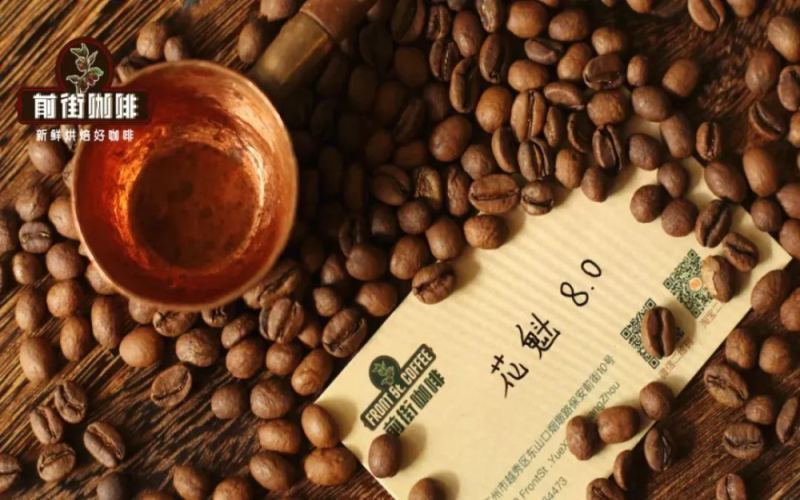
Analysis of the Africa Harvest Season Flavor Competition TOH: How did Huakui Coffee win the championship in one fell swoop?
Ethiopia, as Africa's largest coffee-producing country and the birthplace of coffee, is renowned worldwide for its coffee's floral and citrus notes, thanks to its exceptional natural conditions. When it comes to the representative of Ethiopian natural-process beans, many people first think of "Floral Queen." This coffee, from the Buku Abel processing station in the Guji Hambela region, rose to fame after winning the 2017 TOH green bean competition. What exactly is the TOH competition? How does it differ from the COE Cup of Excellence? How does the African Fine Coffees Association (AFCA) organize this grand event? This article will give you a comprehensive understanding of the TOH Harvest Season Flavor Competition—its origins and development—as well as the rise to fame of Floral Queen coffee. It will also introduce the flavor profile of Floral Queen 8.0, currently available at Front Street Coffee. [more…]
African Fine Coffees Association (AFCA) and the Taste of Harvest (TOH) Competition: A Full Analysis of the Competition That Made Ethiopia's Huakui Coffee Beans Famous
Ethiopia, as Africa's largest coffee-producing country and the widely recognized birthplace of coffee, is deeply favored by enthusiasts for its distinctive floral and citrus flavor notes. When it comes to the representative of Ethiopian natural-process beans, many people immediately think of "Huakui." This naturally processed coffee from the Buku Abel washing station in the Guji Hambela region rose to fame after winning the natural-process category at the 2017 TOH green bean competition. So what exactly is the TOH competition? And what kind of organization is AFCA, its organizer? This article will walk you through the membership structure of the African Fine Coffees Association, the competition format and tiers of the TOH, and how the event helps African coffee-producing countries improve quality and expand international trade. [more…]
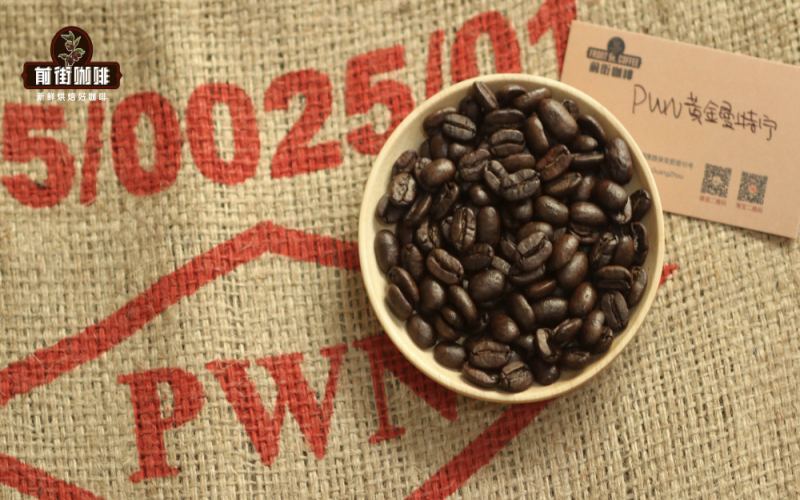
An Analysis of Coffee-Producing Regions in Sumatra, Indonesia, the Flavor of Mandheling Varieties, and the Characteristics of the Wet-Hulling Method
Sumatra is Indonesia's most important coffee-producing region and the birthplace of Mandheling coffee. The coffee produced here is known for being rich, smooth, and carrying herbal and earthy notes, while the unique wet-hulling method gives rise to the signature "sheep's hoof" bean shape. From Lintong and Lake Toba to the Gayo highlands of Aceh, Mandheling from different origins each has its own character, and among them the Golden Mandheling from the Gayo highlands is the finest representative. This article walks you through the cultivation history, main producing areas, varietal composition, and flavor characteristics of Sumatran coffee, and introduces two classic Mandheling beans that Front Street Coffee supplies daily, as well as how to use a blend to make a cup of espresso with rich layers. [more…]
A Detailed Guide to the Flavor Characteristics of Ugandan Coffee Beans: Pour-Over Grind and Water Temperature Parameters
Uganda, a landlocked country at the source of the Nile, has a long history of coffee cultivation, yet war and unrest have long held back improvements in quality. Today, Uganda is both the world's second-largest exporter of Robusta and a producer of specialty Arabica. This article will guide you through Uganda's coffee-growing regions, variety structure, and flavor profile, and share the pour-over grind size and water temperature parameters recommended by Front Street Coffee to help you brew a cup of Ugandan coffee with rich layers. [more…]
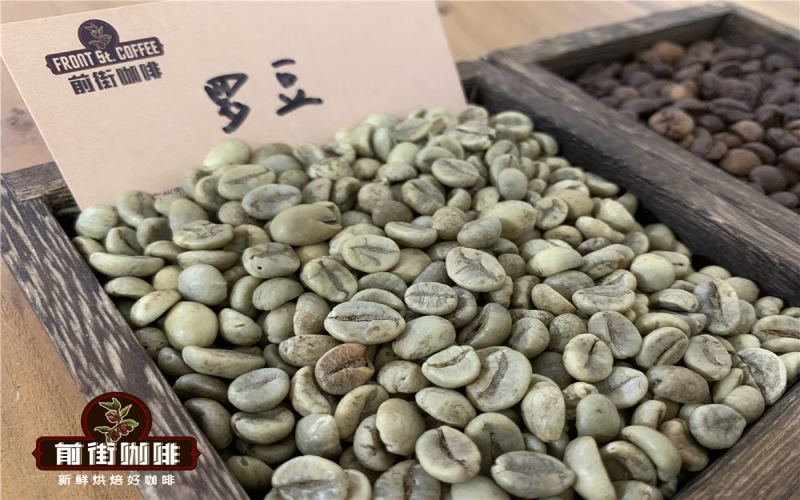
The Overlooked Robusta: A Comprehensive Interpretation from Origins and Flavor Shortcomings to Practical Uses
In the discourse of specialty coffee, Robusta is almost always overlooked, and is even labeled "cheap" and "rough." But do you really understand it? It originated in the Congo Basin of Africa, with the scientific name Canephora. It once saved coffee-growing regions worldwide thanks to its strong disease resistance, and it also held an important place when espresso swept the world. Today, Robusta is mostly used in instant coffee and blends, but the emergence of specialty-grade Robusta such as India's "Coffee Royal" has shown people the flavor potential brought by improved cultivation standards. This article will take you through plant classification, historical ups and downs, flavor performance, and practical uses to rediscover this misunderstood coffee bean. [more…]
Does Robusta count as specialty coffee? Why is the price so low? How much does it cost per catty?
The coffee world is mainly divided into three major species: Arabica, Robusta, and Liberica, of which only the first two have commercial value. In the specialty coffee world, Robusta is almost entirely overlooked, and merchants often use 100% Arabica as a selling point. Robusta is often seen as a symbol of cheapness and bitterness, but it also had a glorious period, and today it is mostly used in instant coffee and espresso blends. This article will sort out Robusta's origins, flavor characteristics, differences from Arabica, and why it is cheap and how much it costs per catty, while retaining relevant recommendations from the Front Street brand to help coffee lovers gain a comprehensive understanding of this species. [more…]
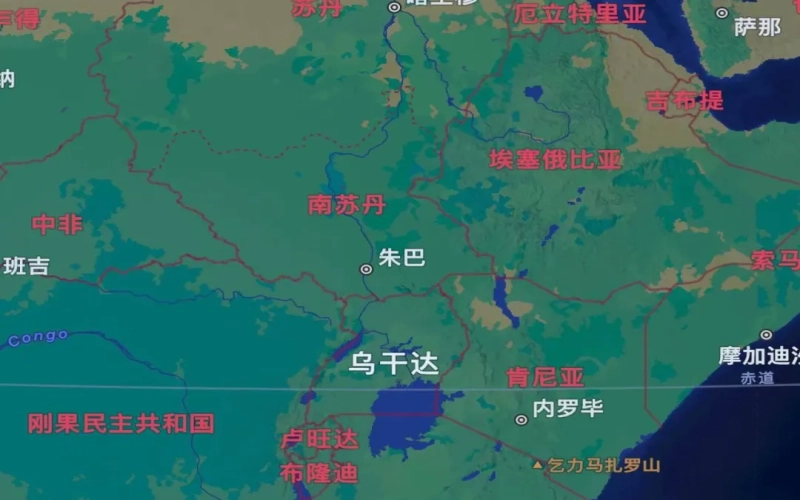
A Panoramic View of Uganda's Coffee Regions: A Variety and Terroir Analysis from Robusta to Arabica
When it comes to African coffee, many people first think of Ethiopia, but Uganda on the East African plateau is equally not to be overlooked. This country straddling the equator started with Robusta, and in recent years Arabica has also been flourishing. Most of Uganda lies on the East African plateau, with numerous lakes, moderate altitudes, volcanic soil, and distinct rainy seasons, providing superior conditions for coffee cultivation. The country's producing regions are roughly divided into three major areas: Bugisu, West Nile, and the Rwenzori Mountains, each with its own characteristics in altitude, harvest season, and varieties. Wugar (washed Arabica) and Drugar (natural Arabica) are locally unique terms. This article will take you through Uganda's national flag symbolism, geography and climate, as well as the varieties grown and harvest rhythms of its three major producing regions. [more…]
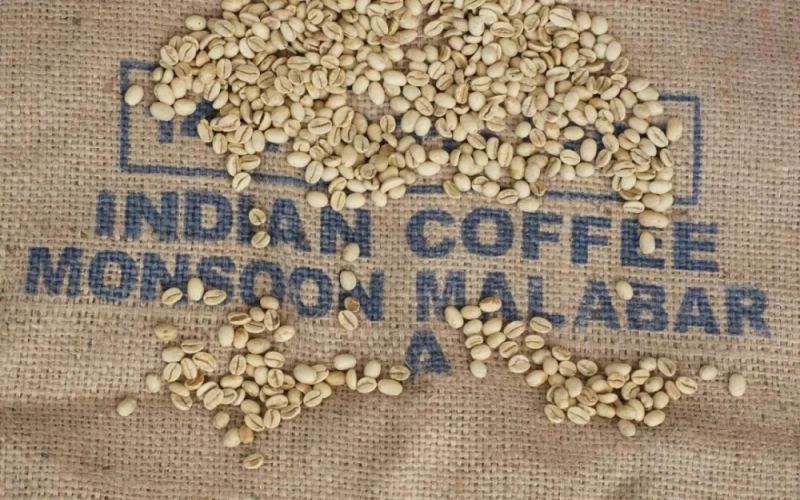
Exploring India's Coffee Origins: A Full Analysis of Cultivated Varieties from Robusta to Monsooned Malabar
India is an important gateway for coffee's introduction to Asia. It not only produces high-yielding Robusta but also gives rise to the uniquely flavored Monsooned coffee, with its output consistently ranking among the top in the world. In this article, Front Street will take you on an in-depth look at India's geography and climate, the distribution characteristics of its four major coffee states, and the main coffee varieties grown locally. From Tamil Nadu to Kerala, from Kent to S795, we will sort through India's coffee-growing code one by one, and analyze why Robusta dominates here, as well as how farmers boost their income by intercropping spice trees. [more…]

Arabica, Robusta, and Liberica: Differences Among the Three Major Coffee Species and an Analysis of the Beans Used by Luckin
Coffee enthusiasts who move from chain brands into independent cafés often develop a strong interest in coffee varieties. This article systematically sorts through the appearance, flavor performance, and growing background of the three major coffee varieties—Arabica, Robusta, and Liberica—answers why chain brands such as Luckin prefer Arabica, and introduces representative products on the Front Street Coffee bean list, including Geisha and commercial blends. Whether you are a beginner just starting out or a seasoned veteran, you can gain a complete understanding of coffee varieties from it. [more…]

An Oddity Among Sumatran Coffees: The Flavor Origins, Price Characteristics, and Tasting Guide of Aged Mandheling
Mandheling coffee is known for its rich, full-bodied character and prominent herbal flavors, and opinions among enthusiasts tend to be sharply divided. On the island of Sumatra—a land that is not the original home of coffee—Dutch colonists introduced coffee trees, and after leaf rust outbreaks and shifts among growing regions, today's Mandheling was ultimately born. The two major producing regions, Aceh and Lintong, each have their own character; the wet-hulling process gives the coffee low acidity and a syrupy mouthfeel, while the strict standards of Golden Mandheling and the accidental creation of Aged Mandheling make this category all the more story-rich. This article will walk you through the reasons behind Aged Mandheling's price, its flavor characteristics, and brewing suggestions, and introduce Front Street Coffee's recommendations and interpretations of Mandheling. [more…]

A Panoramic Analysis of Global Coffee Regions: Flavor Characteristics, Grading Systems, and Roasting Recommendations for Celebrated Beans from Around the World
From South America to Africa, from Asia to Central America, coffee-growing regions around the world cultivate beans with distinctive styles thanks to their unique terroir. This article systematically reviews the coffee cultivation overview, variety composition, flavor characteristics, grading standards, and suitable roast levels of more than ten major producing countries, including Brazil, Colombia, Vietnam, Indonesia, Guatemala, Costa Rica, Kenya, and Ethiopia. Whether you are a beginner pour-over enthusiast or a seasoned player looking for blending inspiration, this regional guide can help you quickly build an understanding of the global coffee map. Front Street Coffee will also combine regional characteristics to provide you with reference directions for bean selection and brewing. [more…]