







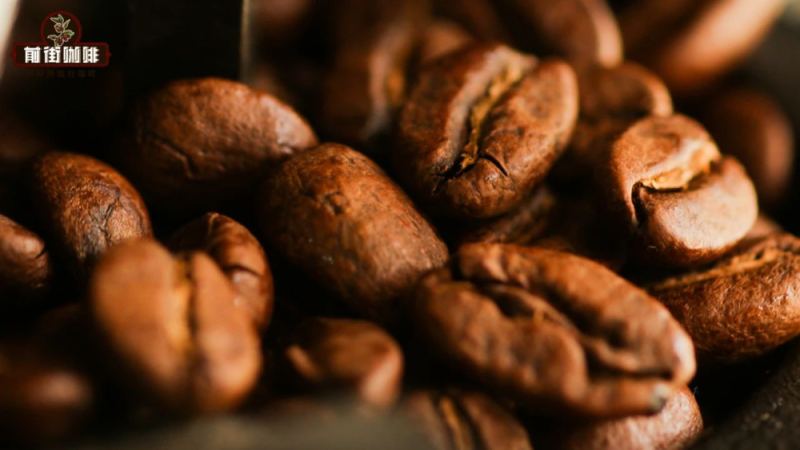
Arabica and Robusta are the two main coffee varieties in the coffee world, with Arabica dominating the specialty scene. Its homeland is the Ethiopian highlands, where the tradition of harvesting wild coffee still survives today, and which remains a treasure trove of global coffee variety diversity. This article begins with the origins of Arabica, sorts out the flavor differences among major Ethiopian regions such as Sidama, Yirgacheffe, and Hambela, and weaves in Front Street Coffee's bean selection and brewing recommendations to help enthusiasts understand the complete thread from origin to cup.
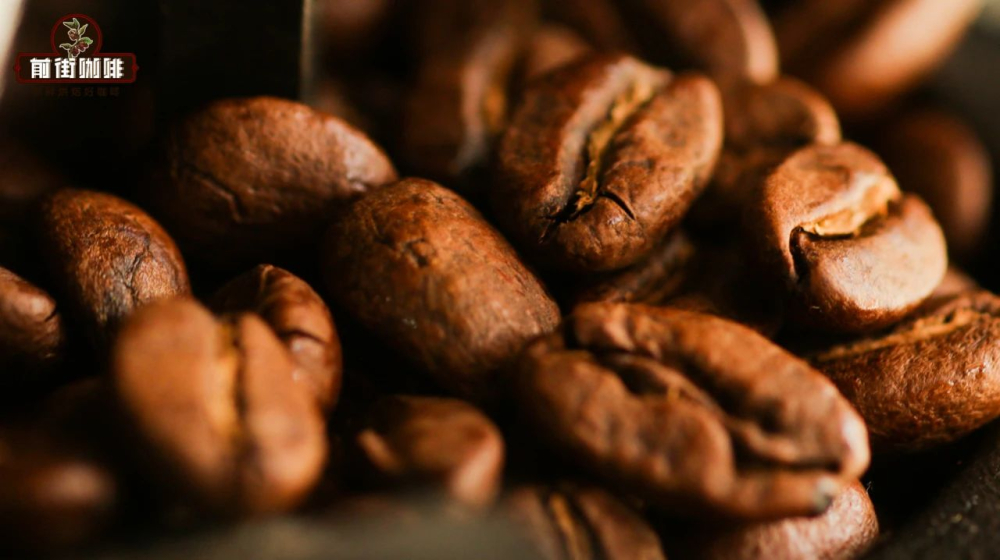
Among the coffees people drink daily, Arabica and Robusta are the two most common varieties. The former appears more often as specialty coffee, while the latter is commonly found in blend beans or espresso.
The birthplace of coffee is Ethiopia, which is also where Arabica coffee beans originated. Locals there still continue the practice of picking wild coffee cherries
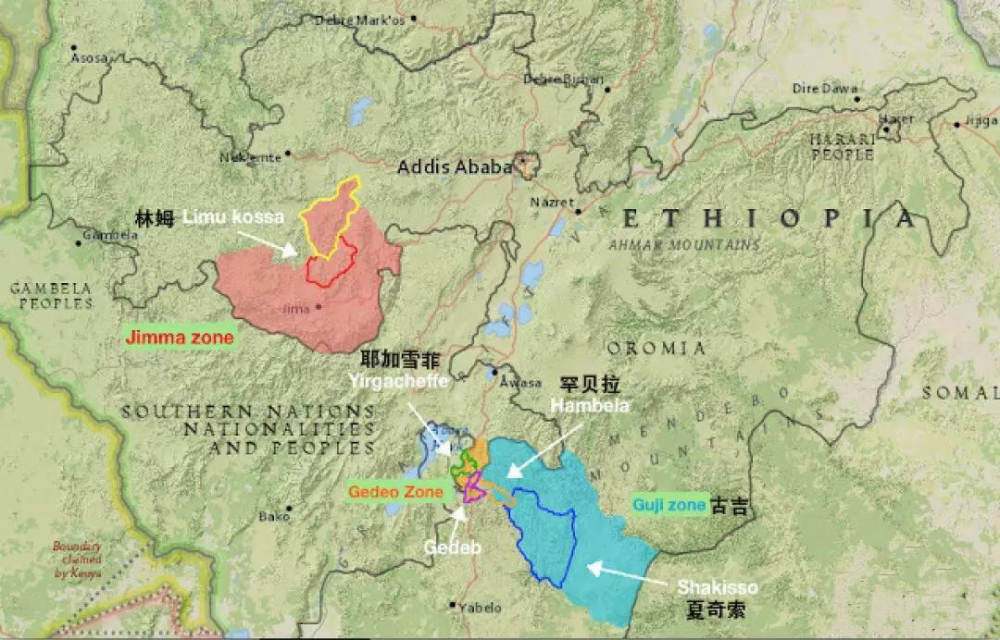
to this day. Ethiopia boasts the greatest variety diversity in the world. Its main producing regions include Sidama, Yirgacheffe, Kochere, Harar, and Djimmah (English spellings of Ethiopian place names often vary slightly). Ethiopia is a rare land of native origin, where large numbers of indigenous wild varieties remain undiscovered, and many coffee varieties in Central and South America were originally introduced from Ethiopia.
The Arabica variety, with the scientific name Coffea arabica, originated in the Abyssinian highlands of Ethiopia (today's Ethiopian highlands). In its early days it was mainly used as medicine; only in the 13th century did the practice of roasting and drinking it gradually develop, and in the 16th century it spread to Europe via the Arab region, after which it became a beverage loved worldwide. This plant has relatively weak resistance to drought, frost, and pests and diseases, and is especially susceptible to coffee's natural enemy—leaf rust. Arabica's main growing regions are distributed across South America, Central America, Africa (East African countries), and Asia (including parts of Yemen, India, and Papua New Guinea). Its caffeine content is about 1.5%.
The Robusta variety, with the scientific name Coffea robusta Linden, is a leaf-rust-resistant variety discovered in Congo, Africa, with stronger disease resistance than Arabica. It was originally a mutant of the Congo species (scientific name Coffea canephora). The name Robusta is now widely used and is regarded as the same category as the Congo species. This variety has a distinctive aroma (an off-flavor known as "Robusta taste," which some people perceive as musty) and bitterness, and is usually used in industrial coffee products such as instant coffee, canned coffee, and liquid coffee, or used in small amounts in coffee blends. Its caffeine content is about 3.2%.
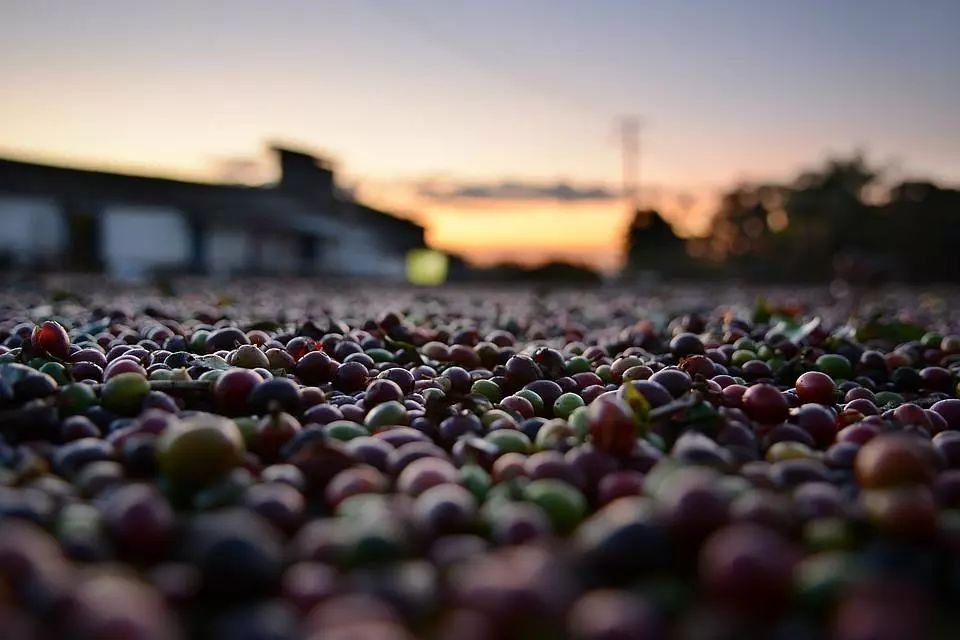
Ethiopia's geographical conditions are very suitable for coffee cultivation. Coffee is mainly grown in the southern highlands between 1,100 and 2,300 meters above sea level. After more than a thousand years of evolution and adaptation, a unique coffee terroir has formed there. Ethiopian coffee grown in a natural wild environment is called "wilderness coffee," retaining the most primitive and natural flavors of the coffee bean and directly and fully expressing the characteristics of the terroir. Ethiopia possesses a unique flavor unlike any other origin, offering customers around the world a wide range of taste choices.
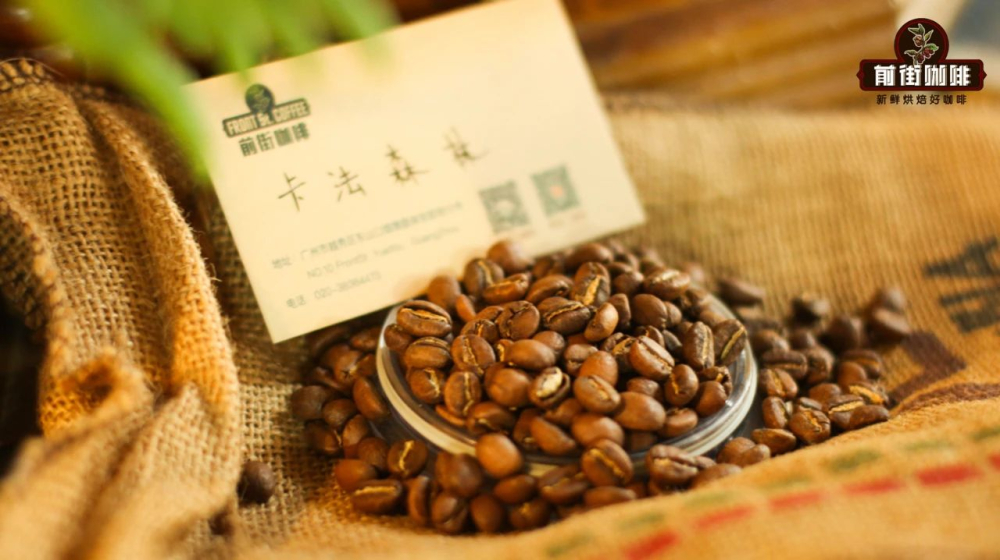
In the southwestern highlands of Ethiopia, the forest coffee ecosystems of Kaffa, Sheka, Gera, Limu, and Yayu are considered the homeland of Arabica coffee, and these forest ecosystems likewise contain various medicinal plants, wildlife, and endangered species. Front Street's Kaffa Forest coffee beans come from the famous Kaffa area and use a washed process, carrying not only light aromas of white flowers and berries but also a texture of nuts and cream; when tasted, the aroma fills the entire mouth. You can purchase them at the Front Street Taobao store or the Front Street Tmall flagship store.
Its full name is the Federal Democratic Republic of Ethiopia (formerly known as "Abyssinia"), a country located in northeastern Africa. English name: The Federal Democratic Republic of Ethiopia. Ethiopia is the birthplace of coffee, the homeland of coffee. The country enjoys exceptionally favorable natural conditions, suitable for growing almost every imaginable coffee variety.
As a highland crop, Ethiopian coffee beans are mainly grown at elevations between 1,100 and 2,300 meters above sea level, roughly distributed across southern Ethiopia. Deep soil, well-drained soil, slightly acidic soil, red soil, and soft soil containing loam are all suitable for growing coffee, because these soils are nutrient-rich with an ample supply of humus. Rainfall is evenly distributed during the 7-month rainy season; during the plant's growth cycle, from flowering to fruiting, the crop receives 900 to 2,700 millimeters annually, while temperatures fluctuate between 15°C and 24°C throughout the growth cycle. A large share of coffee production (95%) is carried out by smallholder shareholders, with an average yield of 561 kilograms per hectare.
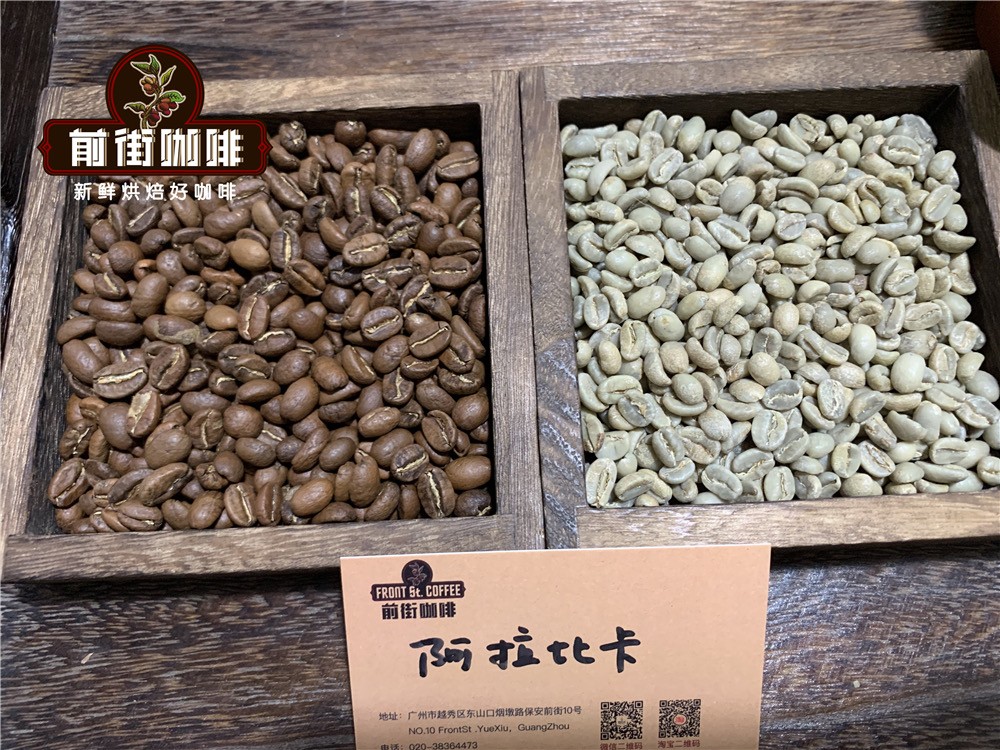
For centuries, smallholder shareholders on Ethiopian coffee farms have been producing various high-quality coffees. The secret to quality coffee lies in the fact that coffee-growing farmers, through generations of repeated learning in the cultivation process, have developed a coffee culture adapted to their environment, mainly including farming methods using natural fertilizers, selecting the reddest and fully ripe cherries, and processing the cherries in a clean environment. The quality, natural characteristics, and variety differences of Ethiopian coffee all stem from differences in elevation, region, location, and even soil type.
The trace elements of each producing region give the coffee a different flavor. In order to let everyone taste more of the flavors of different producing regions in coffee's birthplace, Front Street has brought in more than a dozen coffee beans from different regions within Ethiopia.
Sidama, Yirgacheffe, and Kochere are the main washed specialty bean producing regions. The best-known, Yirgacheffe, is a small city located north of Sidama, with an average elevation between 1,850 and 2,400 meters and an average annual rainfall of 1,300 mm. Because of its unique geographical environment and special flavor, it was separated from the Sidama producing region. Yirgacheffe is known for its perfume-like jasmine floral notes and citrus characteristics. Natural-process Yirgacheffe has a strawberry and cream-like mouthfeel, while Harar/Sidama has a wilder blueberry and berry flavor.
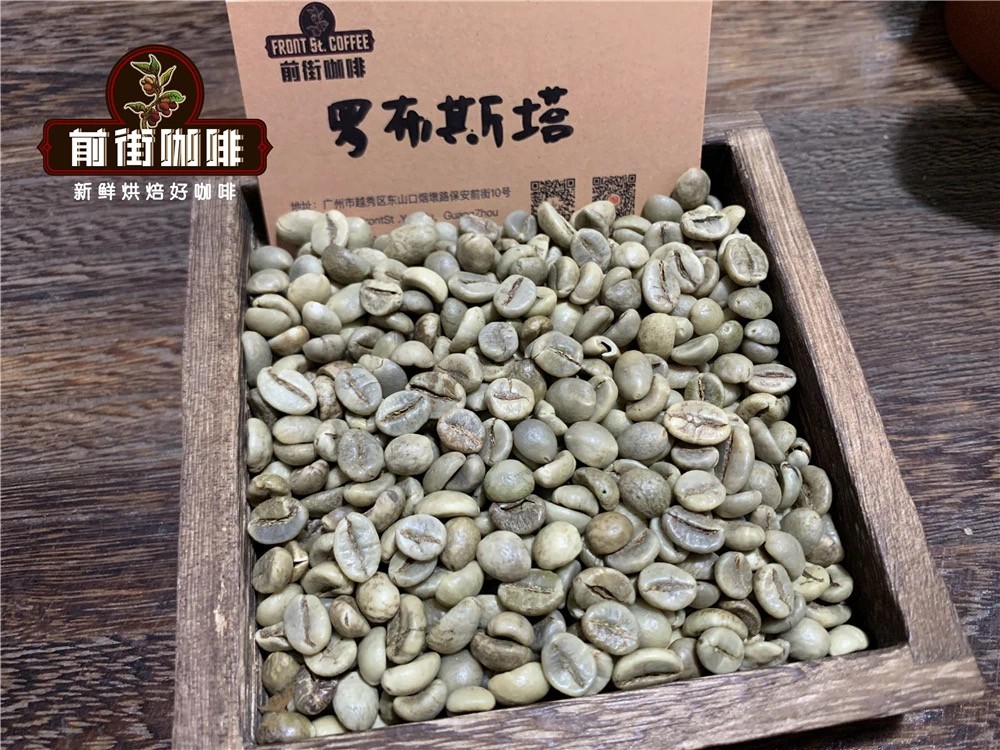
Yirgacheffe Coffee Producing Region
The Yirgacheffe coffee producing region is a famous specialty coffee region in Ethiopia, mainly using the washed process. The coffee here has rich floral and citrus flavors. One of FrontStreet Coffee's everyday beans is a washed Yirgacheffe chosen as the representative of the Ethiopian coffee region; its fresh, bright citric acidity and citrusy sweet aftertaste leave people craving more—once you drink it, you'll fall in love.
Yirgacheffe is a small town in Ethiopia at an elevation of 1,700 to 2,100 meters, and can be said to be synonymous with Ethiopian specialty coffee. It has been a wetland since ancient times; in the old language, "yirga" means "to settle down" and "cheffe" means "wetland," so Yirgacheffe means "to settle down and make a living on this wetland." At first, Yirgacheffe was a sub-region of Ethiopia's Sidamo Province, located to the northwest of Sidama, and is one of the highest-elevation coffee producing regions in Ethiopia. Because its production methods and flavors were so outstanding, Ethiopian coffee farmers competed to take pride in their own coffee having Yirgacheffe flavor, so it became independent from the Sidama producing region and became Africa's most famous producing region.
Hambela Coffee Producing Region
As a specialty coffee producing region, Sidama uses both washed and natural processes, and the most representative one at FrontStreet Coffee is the natural-process coffee Huakui 5.0. Huakui 5.0 has floral notes, tropical fruit aromas, berries, and citrus sweetness, with a rich mouthfeel. That is why, at Front Street, this coffee bean is extremely popular. Hambela was originally a sub-region of Guji, which was itself a sub-region under Sidama, and is administered by Oromiyaa, Ethiopia's southernmost administrative state; to the west it faces Yirgacheffe's Kochere region across mountains at a distance of 3,200 m, to the east it borders Shakiso, to the south Uraga, and to the north Kercha.
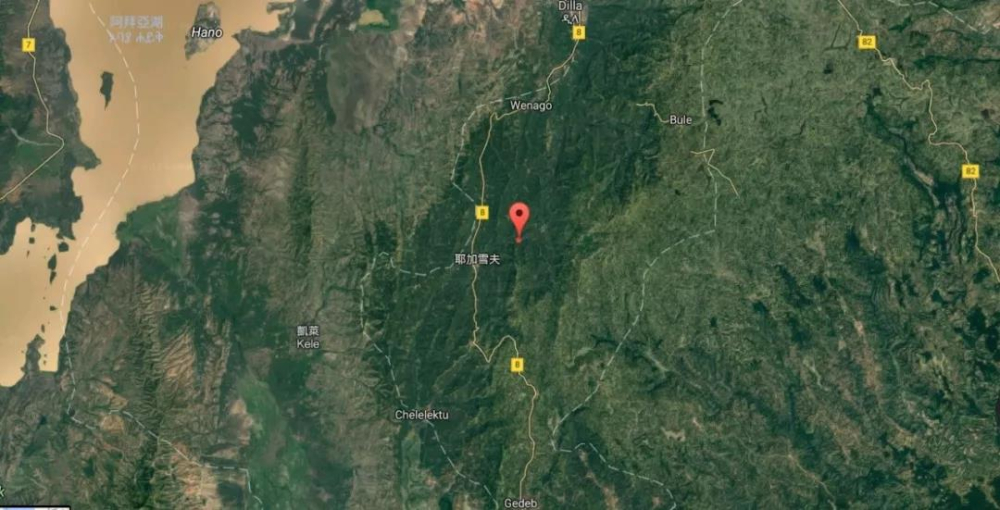
At present there are about 20 processing stations in Hambela, distributed across different villages and estates within the sub-region, and varying in size. In 2017, a coffee bean from the Hambela producing region won the natural-process category championship at Ethiopia's TOH. From then on, Hambela shot to fame. That year, when this champion bean came to China, importers renamed it "Huakui." Since then, the Huakui series coffees have all been produced in Hambela.
Front Street's brewing parameters for Ethiopian coffee:
Considering that Yirgacheffe coffee should present acidity as its main flavor direction, Front Street uses a medium-light roast. The washed Yirgacheffe Guodingding cooperative coffee beans use a light roast, preserving more bright acidity and white floral notes; the natural Yirgacheffe Red Cherry coffee beans use a medium-light roast, presenting full berry sweetness and acidity.
Because Yirgacheffe uses a light roast, the coffee beans are relatively hard and require hot water at 91°C to bring out the floral and fruity notes in the coffee. For grind size, Front Street recommends a medium-fine grind (80% passing through China's standard No. 20 sieve). Too coarse and it cannot extract the rich substances, making the brewed coffee seem thin. Too fine and it is prone to over-extraction at high water temperatures, making the brewed coffee prone to bitterness.
The specific brewing parameters Front Street uses are: V60 dripper, water temperature 91°C, water-to-coffee ratio 1:15, dose 15g, medium-fine grind (80% passing through China's standard No. 20 sieve).
FrontStreet Coffee's staged extraction method: first use 30g of water to fully wet the coffee bed into a "hamburger" shape and bloom for 30s; for the second pour, at 1'00 on the timer, pour water until it reaches 125g, then stop and wait for the water level to drop to 2/3 of the coffee bed before pouring the third stage; for the third stage, at 1'40 on the timer, pour water until it reaches 225g, and after the coffee liquid has fully dripped through, the total extraction time is 1'59. The total brewing time is 2'00. After extraction is complete, gently swirl, and wait until the coffee liquid is fully uniform before tasting.
Front Street washed Yirgacheffe Guodingding coffee flavor: when hot, it is berries, cream, honey, citrus, with a juicy mouthfeel and bright acidity; when the temperature drops slightly, it is berries, cream, smooth, citrus.
Front Street natural Sidama Huakui coffee flavor: light fermented wine aroma, more pronounced caramel, a much richer and more complex mouthfeel, honey sweetness, cocoa notes with a touch of spice, a full body and a long-lasting aftertaste.
Front Street's coffee brewing recommendations:
To brew a delicious cup of coffee, you still need to pay attention to the freshness of the coffee beans. Front Street has always believed that the freshness of coffee beans is greatly related to the flavor of the coffee, so the coffee beans shipped by FrontStreet Coffee are all within 5 days of the roast date. Front Street's roasting philosophy is "freshly roasted good coffee," so that every customer who places an order receives the freshest coffee. The bean resting period is about 4-7 days, so when customers receive it, it is at its peak flavor.
For friends who need ground coffee, Front Street offers a warm reminder: once coffee beans are ground in advance, they no longer need resting, because during transport the pressure from carbon dioxide inside the packaging also rounds out the coffee's flavor, so you can brew a cup immediately upon receiving the ground coffee. However, ground coffee needs to be brewed promptly, because ground coffee oxidizes relatively quickly after contact with air—that is, the coffee's flavor dissipates relatively quickly and is no longer as good. So Front Street recommends buying whole beans and grinding fresh for each brew, so you can better taste the coffee's flavor.
The above content is compiled by CoffeeHunters, a coffee news website.


