







Which Coffee Trees Grow Across India's Producing States?
India served as the first stop for coffee entering Asia and remains a major producer, growing high-yield Robusta alongside the distinctive Monsooned coffee, with output consistently ranking among the world's top. The four main coffee states, from Tamil Nadu to Kerala, define the country's growing map, and the varieties cultivated there include Kent, S795, and coffee arabica coffee plantings.
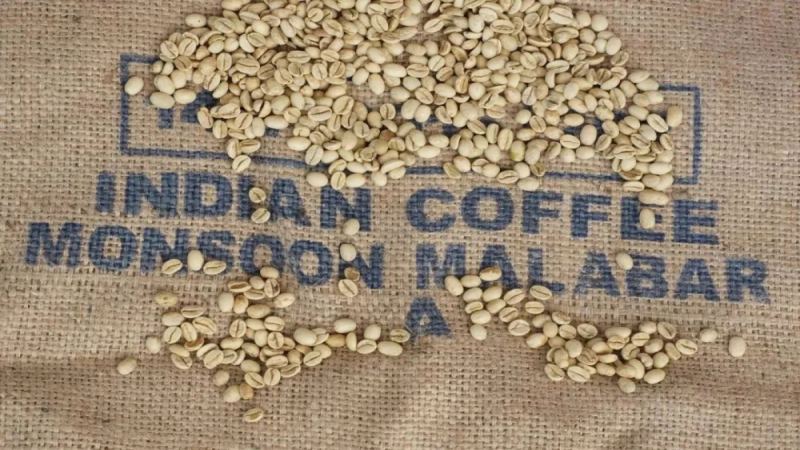
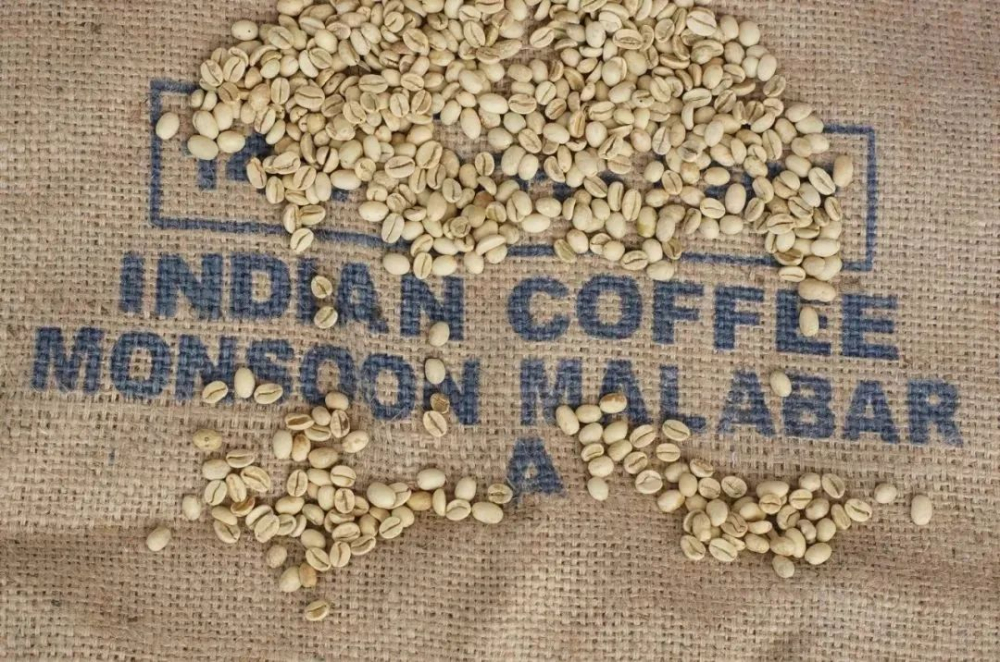
Robusta dominates Indian production because it suits the local geography and climate, while farmers raise income by intercropping spice trees among the coffee trees. Monsooned Malabar gets its unique flavor from the monsoon winds of the Malabar Coast, where beans are exposed to moist air. Together these conditions explain why India's output and variety range remain significant among coffee origins.
India is an important gateway for coffee's introduction to Asia, producing not only high-yield Robusta but also the uniquely flavored Monsooned coffee, with output consistently ranking among the world's top. In this article, Front Street will take you on an in-depth journey through India's geography and climate, the distribution characteristics of its four major coffee states, and the main coffee varieties grown locally. From Tamil Nadu to Kerala, from Kent to S795, we will examine India's coffee cultivation secrets one by one, and explain why Robusta dominates here, as well as how farmers boost their income through intercropping spice trees.
The first stop for coffee entering Asia was India, which holds a pivotal position in its history of spread. Not only is it rich in high-yield Robusta, but it has also created the uniquely flavored Monsooned coffee, with production ranking among the world's top. Today, let Front Street take you to explore India, this coffee-producing origin~
India
The Republic of India is located in South Asia and is the largest country in the South Asian subcontinent by area. Its northeast borders China, Nepal, and Bhutan; Bangladesh is sandwiched within its northeastern territory; to the east it neighbors Myanmar, and to the northwest it borders Pakistan. India faces the Bay of Bengal to the east and the Arabian Sea to the west, with a land area of approximately 2.98 million square kilometers, comprising 29 states and 7 union territories.
The Indian flag is rectangular, composed of three equal horizontal bands of orange, white, and green, with a blue Ashoka Chakra with 24 spokes at the center. Orange represents courage, sacrifice, and selflessness, and is also the color of the robes of Indian ascetics; white symbolizes truth and peace; green signifies prosperity, faith, and human productivity.
The Chakra originates from one of the lion capital motifs atop the Buddhist pillar erected by Ashoka, the third ruler of India's Maurya dynasty, collectively known as the "Ashoka Chakra," symbolizing truth and morality, and representing India's ancient civilization. The 24 spokes on the Chakra can represent the 24 hours of a day, implying that the nation is always moving forward.
From the Himalayas southward, India extends deep into the Indian Ocean. The north is mountainous terrain, the central region is the Indo-Gangetic Plain, and the south is the Deccan Plateau with coastal plains on its eastern and western sides. Plains account for about 40% of the total area, mountains 25%, and plateaus one-third, but most of these mountains and plateaus do not exceed 1,000 meters in elevation.
Front Street has learned that India is hot throughout, with most regions having a tropical monsoon climate, while the Thar Desert in western India has a tropical desert climate. India's climate is divided into the rainy season (June-October), the dry season (March-May), and the cool season (November-February of the following year). With the combination of a tropical monsoon climate and fertile soils such as alluvial soil and tropical black soil suitable for agricultural production, most of India's land is available for agriculture, and crops can grow year-round — truly exceptional natural conditions.
Coffee-Producing Regions
Front Street's research shows that most of India's coffee trees are grown in four states: Tamil Nadu, Karnataka, Kerala, and Andhra Pradesh. Within each state, smaller producing regions can be further divided based on geographical environment. The harvest period is from October to February of the following year, mainly cultivating Arabica and Robusta varieties, with Robusta accounting for over 70% of India's production.
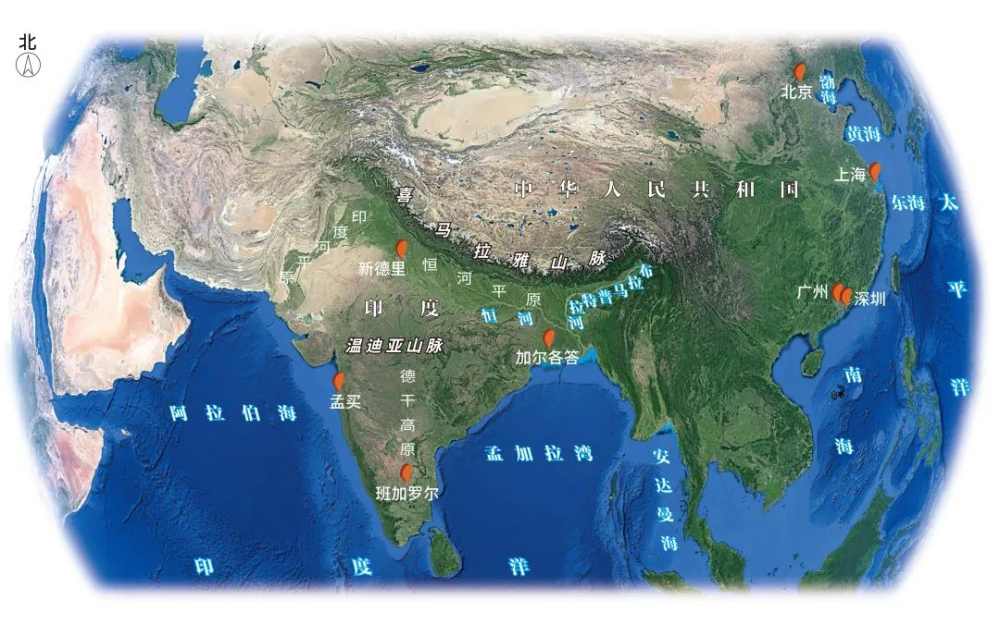
Tamil Nadu: Located at the southernmost tip of India, known for its giant Indian temples and rich flora and fauna, it is one of India's main agricultural regions. Coffee is mostly grown in areas such as Pulney, Nilgiri, and Shevaroy, at elevations of 600-2,000 meters.
Karnataka: Located in southwestern India, rich in natural resources with a wide variety of crops, it has the highest coffee production. The Bababudangiri region of this state is considered the birthplace of Indian coffee. Other main sub-regions include Chikmagalur, Coorg, and Manjarabad, with cultivation elevations between 700-1,500 meters.
Kerala: Also located in southwestern India, it is another high-production region. The Malabar Coast is situated here, so Monsooned Malabar and organic coffee have developed better in this region than elsewhere. Its sub-regions are Travancore and Wayanad, with cultivation elevations of 400-1,600 meters. Apart from Arabica grown at higher elevations, Robusta is basically what is cultivated.
Andhra Pradesh: The Eastern Ghats stretch along India's east coast, providing the elevation needed for coffee cultivation. Coffee production in this region is relatively small, mostly Arabica, at cultivation elevations of 900-1,100 meters.
Compared to other origins, India's coffee-growing conditions are not particularly excellent: hot climate, low elevation, and humid air, so the plants are dominated by high-yield Robusta, with Arabica and some hybrid varieties accounting for a minority, such as Kent, Catimor, S795, S274, and others being relatively common. To increase income, local farmers plant coffee trees alongside other cash crops — spice trees such as cardamom, cinnamon, and cloves often appear in the fields, simultaneously serving as shade trees for the coffee.
The above content is compiled by CoffeeHunters, a coffee news website.


