







Search Results for: the Big Three of African coffee
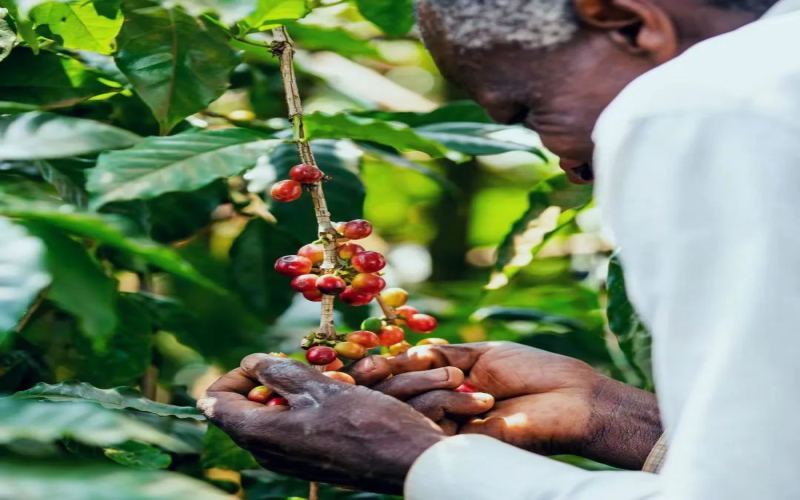
What makes Tanzanian coffee unique? Exploring the washed Typica flavor of the Kilimanjaro region
When it comes to African coffee, Ethiopia and Kenya are usually the first that come to mind, while Tanzania, which is also one of the "African Big Three," remains much more low-profile. This East African country is home to Kilimanjaro, Africa's highest volcano; its volcanic ash soil and high-altitude environment produce coffee beans of excellent quality, and as early as the colonial period it earned the reputation of "coffee gentleman" among Europeans. Today, more than ninety percent of Tanzania's output comes from smallholder farmers, with the Kilimanjaro Cooperative Union playing a key role. This article will walk you through the growing conditions, variety composition, and flavor characteristics of Tanzanian coffee, and introduce a Kilimanjaro washed Typica currently sold by Front Street Coffee. [more…]

One of Africa's Big Three Coffees: Flavor Characteristics and Origin Advantages of Kilimanjaro Tanzania Coffee
On Front Street Coffee's bean list, there is a coffee from Africa that is often overlooked: Tanzania. Although it is less famous than Ethiopia and Kenya, Tanzania is likewise a high-quality African producing country that cannot be ignored, and its coffee is praised as the "coffee gentleman." This article, from Front Street Coffee's perspective, will guide you through the history of Tanzanian coffee, the unique terroir of the Kilimanjaro region, and its signature soft acidity and flavor profile, to see why this relatively underrated bean is worth drinking. [more…]
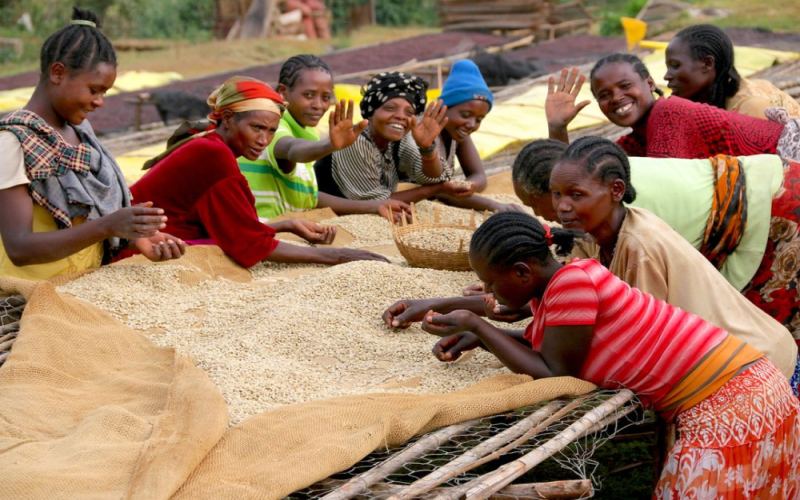
Mount Kilimanjaro in Tanzania's Coffee Region: Geography, Flavor Profile, and Washed Typica Processing
On the African coffee map, Ethiopia, Kenya, and Rwanda are often mentioned, while Tanzania also occupies an important place, known as one of Africa's coffee big three, once given the name "coffee gentleman" by Europeans. This article will outline Tanzania's geographical and climatic conditions, explain how coffee was introduced and developed into a cash crop, focus on the altitude, soil, and water advantages of the Kilimanjaro region, analyze the characteristics of the Typica variety, and the washed processing method. At the end, it includes the region, altitude, variety, processing method, and brewing parameters of FrontStreet Coffee's Kilimanjaro coffee beans for coffee lovers' reference. [more…]
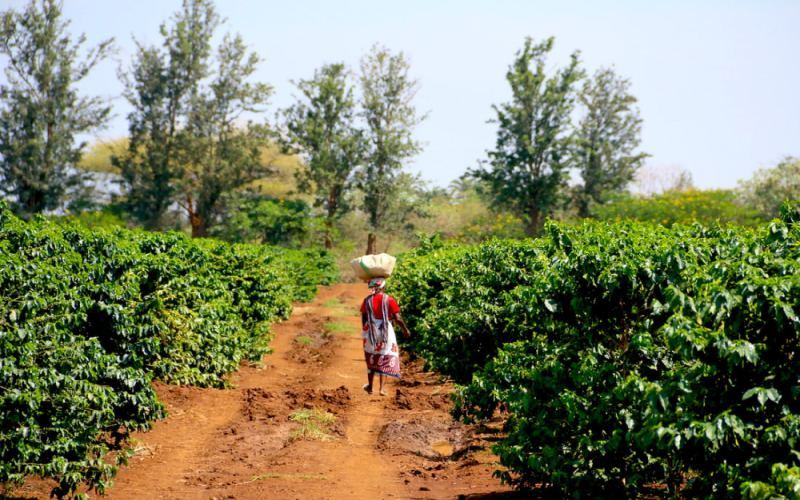
Tanzania Coffee Growing Regions and Flavor Profiles: A Comprehensive Analysis from Kilimanjaro to the Southern Highlands
Although Tanzania is less famous than Ethiopia and Kenya, it ranks among Africa's three major coffee giants thanks to its unique terroir. This article systematically reviews the geographical distribution, historical context, and industry status of Tanzanian coffee, with a focus on the growing environment and coffee flavors of core producing regions such as Kilimanjaro. It also combines Front Street Coffee's Tanzanian Kilimanjaro coffee beans to analyze the soft acidity, citrus, berry, honey, and nut flavors, as well as the balanced tea-like mouthfeel brought by its Typica variety and washed processing, helping coffee lovers gain a comprehensive understanding of the coffee charm of this East African producing country. [more…]

Why is Tanzanian coffee praised by Europeans as the "coffee gentleman"? A full analysis of the Kilimanjaro region's characteristics
In the world of coffee, Tanzania, though not as renowned as Ethiopia and Kenya, has earned the reputation of the "gentleman of coffee" through its soft, elegant acidity and unique terroir. Along with Ethiopia and Kenya, it is known as one of the "Big Three of African Coffee," and the Kilimanjaro region in particular produces high-quality coffee beans thanks to its high altitude, volcanic soil, and pure snowmelt water. Front Street Coffee's bean list includes coffee from this relatively obscure yet highly capable region. This article will walk you through Tanzania's coffee history from the colonial period to independence, analyze the flavor characteristics of Kilimanjaro coffee, and share why Front Street recommends this particular bean. [more…]
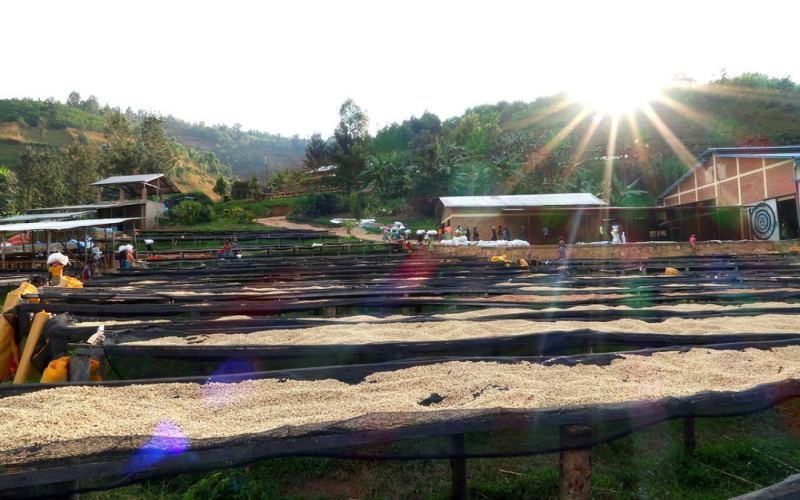
An Overview of Tanzanian Coffee Brands: How the Washed Process Brings Out Blackcurrant Flavor
As one of Africa's three coffee giants, Tanzania is known for its washed beans with soft acidity, red wine notes, and blackcurrant-like aromas. This article reviews the cultivation history, main growing regions, and processing methods of Tanzanian coffee, compares its style with Kenyan coffee, and introduces the brewing parameters and flavor performance of Front Street Coffee's Tanzanian coffee, giving you a comprehensive look at the charm of this East African origin. [more…]
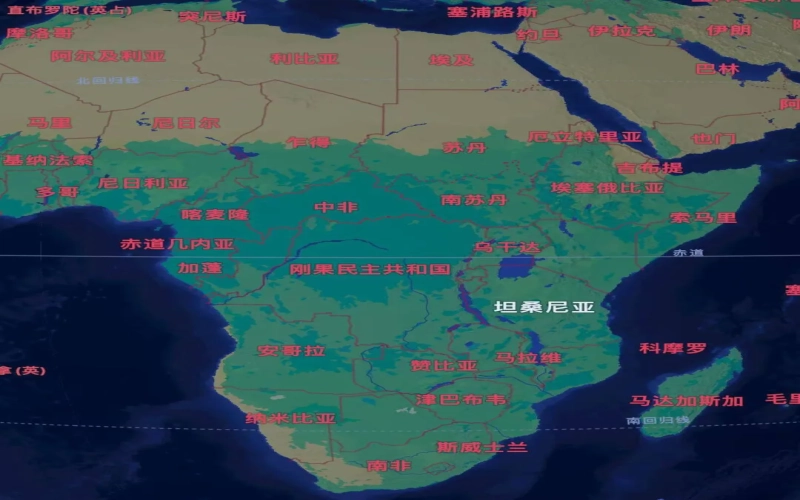
A Complete Analysis of Coffee Beans from Tanzania's Kilimanjaro Region: Terroir, Varieties, and Front Street Brewing Performance
Tanzania is one of Africa's big three coffee producers. Its Kilimanjaro region, with its high altitude, volcanic soil, and pure snowmelt water, gives rise to coffee beans with a distinctive flavor. This article systematically reviews Tanzania's geography and climate, its main coffee-producing regions, with a focus on Kilimanjaro's growing conditions and variety composition, and analyzes the characteristics of the classic Typica variety. Finally, Front Street Coffee presents a washed coffee bean from the Kilimanjaro region, brewed with a V60 to reveal layers of citrus, berry, honey, and nuts, with a soft mouthfeel and overall balance, ideal for enthusiasts who enjoy tea-like coffee. [more…]
How to Choose Hand-Brewed Coffee Beans? A Guide from the Flavors of Asia, Africa, and Latin America to Front Street Coffee's Single-Origin Bean Recommendations
Want to brew pour-over at home, but feel overwhelmed by the dazzling array of single-origin beans and don't know where to start? The key to choosing lies in first understanding the flavor profiles of different regions. Front Street Coffee stores carry over two hundred types of single-origin beans, with more than fifty available year-round. This article will outline the flavor characteristics of the three major regions—Asia, Africa, and Latin America—and introduce representative beans such as Front Street Mandheling, Yirgacheffe, Huakui, Kenya Little Tomato, Brazil Queen's Manor, Costa Rica Musician Series, Colombia Pink Bourbon, and Rose Valley, helping coffee lovers pinpoint the one that suits their taste preferences. [more…]
An Analysis of the Regional Characteristics and Flavor Differences of Ethiopia's Three Renowned Coffees: Yirgacheffe, Geisha, and Huakui
Ethiopia, as the birthplace of Arabica coffee, is rich in natural genetic resources, and the coffee it produces is deeply loved for its affordable price and excellent quality. Among the many Ethiopian coffees, Geisha, Yirgacheffe, and Huakui are collectively known as the "Three Giants of Ethiopian Coffee" due to their extremely high popularity. However, many enthusiasts still do not fully understand the specific characteristics and differences of the three. From the perspective of Front Street, this article provides a detailed review of Yirgacheffe's producing region definition and washed flavor, Geisha's variety origins and its differences from Panama Geisha, and the origin of Huakui's commercial naming and its version evolution, helping readers gain a comprehensive understanding of the unique charm of these three major coffees. [more…]
A Guide to Tanzania's Kilimanjaro Coffee Region: Typica Variety Flavor and Washed Processing Analysis
Although Tanzania is not mentioned as frequently as Ethiopia or Kenya, it is a force that cannot be overlooked on the African coffee map, and was once praised by Europeans as the "coffee gentleman." Its coffee is mainly produced in the Kilimanjaro Mountains and the southern region, where high altitude, volcanic soil, and pure snowmelt water together shape a style of rich body, soft acidity, and intense red wine notes. This article will guide you through the development of Tanzanian coffee, the growing conditions of the Kilimanjaro production area, the characteristics of the Typica variety, and the washed processing flow from flotation to fermentation, along with Front Street Coffee's brewing suggestions and flavor description, making it suitable for enthusiasts who want to gain a deeper understanding of African specialty coffee. [more…]

The Art of Balance in Coffee Flavor: An Analysis of the Main Producing Regions and Representative Varieties of Fruity Coffees
An ideal cup of coffee is often not defined by one particularly prominent flavor, but by a harmonious unity among acidity, sweetness, bitterness, aroma, aftertaste, and body—this is what we commonly call balanced flavor. On the foundation of balance, fruity coffee reveals an especially captivating complexity—from stone fruits to citrus to berries, different origins lend coffee their own distinctive fruit notes. African regions are usually known for bright citrus flavors, while South American coffees often use them as a supporting layer. This article will guide you through the flavor composition of fruity coffee and introduce the classic fruit expressions of representative origins such as Kenya, Ethiopia, Costa Rica, Tanzania, Colombia, and Panama, while also presenting the corresponding selected products under the Front Street Coffee brand. [more…]
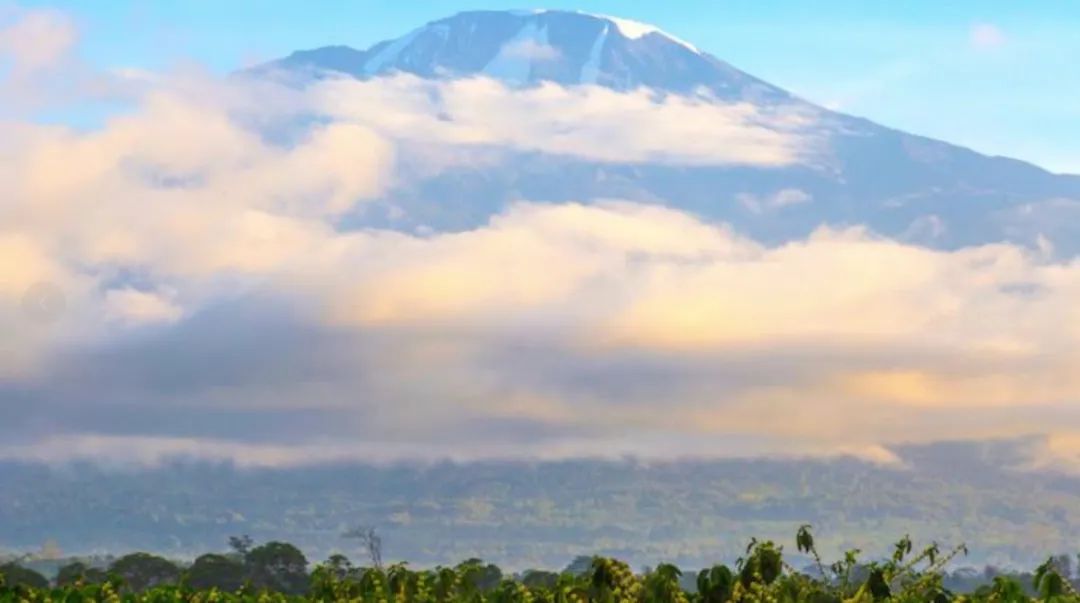
Tanzanian Coffee Beans | What Are the Characteristics of Tanzania Kilimanjaro Coffee Beans, Ranked Among the Top Ten in the World?
Today's Front Street Tanzania Kilimanjaro coffee beans come from the Kilimanjaro volcanic region in northern Tanzania, at an altitude between 1,300 and 2,000 meters. Mount Kilimanjaro is the highest peak on the African continent. The fertile volcanic ash provides abundant nutrients for coffee cultivation, while the high-altitude environment creates [more…]
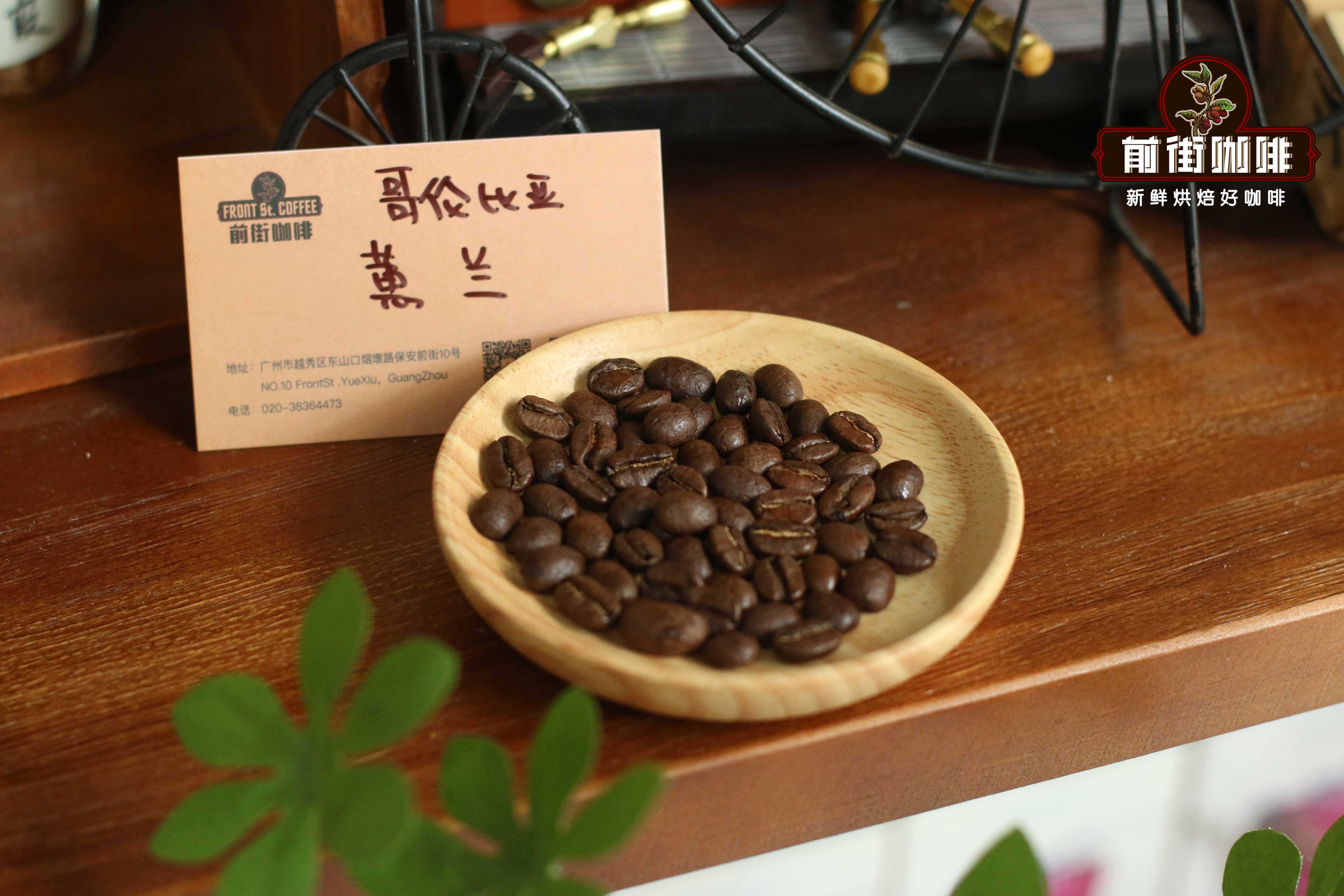
A Complete Guide to Colombian Coffee Flavors and Regions: A Taste Exploration from Huila to Sidra
Colombian coffee occupies an important place in the global specialty coffee landscape with its soft, sweet, balanced, and elegant flavors. From the classic Huila washed beans to the special processing lots that have attracted much attention in recent years, such as Rose Summer Night, Rose Valley, and Sidra, Colombia continues to surprise coffee lovers. This article systematically reviews Colombia's growing environment, main producing regions, variety composition, and processing methods, and compares in detail the flavor differences among three coffees: Huila, Sidra, and Ombligon, supplemented by Front Street Coffee's brewing parameter suggestions, to help you gain a more comprehensive understanding of the unique charm of this major South American coffee country. [more…]

Espresso Beans for Beginners | Is There a Big Difference in Taste Between Espresso and Americano? How to Choose High-Quality, Rich Espresso Beans?
Did you know? Espresso has a rich mouthfeel and intense flavor, often making it hard for people to accept, but once you get used to it, you find it has a unique charm. Moreover, espresso is also a coffee used to test coffee quality and barista skills. Since espresso is loved by so many people, [more…]

A Complete Guide to Colombian Coffee Bean Flavors: Castillo, Caturra Characteristics and Main Processing Methods Compared
Colombia is located in the northwest of South America, with a mild and humid climate that provides an ideal growing environment for coffee trees and has shaped the balanced, elegant style of local coffee. This article will explore the flavor characteristics and processing methods of Colombian coffee beans, focusing on the flavor differences between Front Street Coffee's Sidra and Front Street Coffee's Ombligon, and reviewing how washed, semi-washed, and anaerobic fermentation processes affect coffee performance. At the same time, the article will also share Front Street Coffee's Colombian coffee brewing parameters and techniques to help coffee lovers more fully understand this producing country known as the "coffee gentleman." [more…]

Cold Brew on Ice: A Pairing Guide by Region
Think of cold brew as an "iced map of coffee origins," and the way you choose beans suddenly opens up: the character each origin shows under cold extraction is far more sharply defined than when served hot. Take a lap along the Coffee Belt and map out how well each major origin suits cold brew—brew by the map this summer, and every cup will surprise you. First stop, [more…]

An Analysis of the Meaning of Tanzanian Coffee AA and AB Grades: British Imperial Screen Size Standards and the Detailed Classification Rules for Each Grade
Tanzania, one of Africa's Big Three coffee producers, has performed increasingly impressively in the global specialty coffee market in recent years. When buying Tanzanian coffee beans, what exactly do the "AA" and "AB" labels commonly seen on packaging mean? These letters are in fact grade codes for Tanzanian Arabica coffee beans, using a British imperial grading method similar to Kenya's, though the specific standards differ. Tanzanian authorities grade coffee by screen size, assuming that larger size means better quality, and classify beans into multiple grades such as AAA, AA, A, B, PB, C, E, F, AF, and TT. Among these, Grade AA requires mostly 17 to 18 mesh, while Grade AB is a mix of Grades A and B, and no such official grade actually exists. This article will explain in detail the specific mesh requirements and screening standards of each grade, helping coffee lovers decipher the grading code of Tanzanian coffee beans. [more…]
A Complete Guide to Hawaiian Kona Coffee Beans: Origin, Growing History, Flavor Profile, and Grading
Hawaiian Kona coffee is the only top-grade coffee variety produced in the United States. Grown on the volcanic slopes of the Kona region on the Big Island of Hawaii, it is famous for its plump and lustrous appearance, smooth and aromatic taste, and balanced acidity. Authentic Kona coffee has limited output, is strictly managed, and is expensive, and most "Kona blends" on the market contain very little of it. This article provides a detailed introduction to Kona coffee's growing environment, flavor characteristics, cultivation model, production grades, and historical development, giving you a comprehensive understanding of this coffee hailed as a "rare treasure of the world." [more…]

A Flavor Comparison of Specialty Coffee Regions in Africa and the Americas: Exploring the Terroir in the Cup from Kenya to Panama
The charm of specialty coffee largely stems from differences in terroir across producing regions—sunlight, rainfall, soil, altitude, and processing methods all leave their mark in the cup. Coffee trees thrive in the coffee belt between 25 degrees north and south latitude, with an ideal growing altitude of mostly 1,000 to 2,000 meters, an average annual temperature of 15 to 25°C, and annual rainfall of 1,500 to 2,000 millimeters. The rainfall pattern must also match the flowering cycle. In addition, well-drained, fertile soil rich in volcanic ash is required. The two major producing regions of Africa and the Americas, because of their different regional terroirs, present strikingly different flavor profiles: African coffees are known for intense aroma and bright fruity acidity, while American coffees are known for balance and a combination of acidity, sweetness, and aroma. This article will guide you through the flavor characteristics and representative beans of the two major producing regions, while retaining the related product recommendations from the Front Street brand. [more…]
Why Does Starbucks Breakfast Blend Choose Latin American Origins? Analyzing Latin American Coffee Flavors and Nine Distinctive Single-Origin Coffees
Latin America is a key region for specialty coffee, from Brazil to Guatemala and from Colombia to Panama, this land has given rise to countless stunning coffee flavors. Starbucks' House Blend and Breakfast Blend, two classic coffees, are precisely blended with Latin American beans as their base. From the perspective of Front Street Coffee, this article first introduces the background and flavor characteristics of these two Starbucks coffees, then takes a deeper look at why Latin American coffee is so highly favored—its balanced mouthfeel, nutty and cocoa notes, and how climate, altitude, variety, and processing method shape flavor. Finally, it selects nine distinctive Latin American single-origin beans currently sold by Front Street, including Guatemala La Flor, Brazil Queen, Honduras Sherry, and Panama Butterfly, presenting the origin information and flavor descriptions of each one by one to help coffee lovers find their ideal choice. [more…]