







How does Tanzanian coffee cultivation shape its flavor?
Tanzania, one of Africa's three major coffee origins, is known for washed beans with soft acidity, red wine notes, and blackcurrant aromas. Coffee was first introduced from Réunion and brought into the Bayamoyo and Mogoro areas around 1893, and today the crop grows mainly on the highland slopes near Mount Kilimanjaro under a tropical mountain climate.
The washed process removes the fruit right after picking and drying, which keeps the cup clean and highlights the blackcurrant character rather than fermenting it into heavier fruit tones. Compared with Kenyan coffee, Tanzanian lots tend to show softer acidity and a rounder body, so brewing at a 1:15 ratio with water near 92°C keeps that balance intact.
As one of Africa's coffee big three, Tanzania is known for its washed beans with soft acidity, red wine notes, and blackcurrant-like aromas. This article sorts out Tanzania's coffee cultivation history, main producing regions, and processing methods, compares its style differences with Kenyan coffee, and introduces Front Street Coffee's Tanzanian coffee brewing parameters and flavor performance, taking you to fully understand the coffee charm of this East African producing country.
Tanzania Coffee
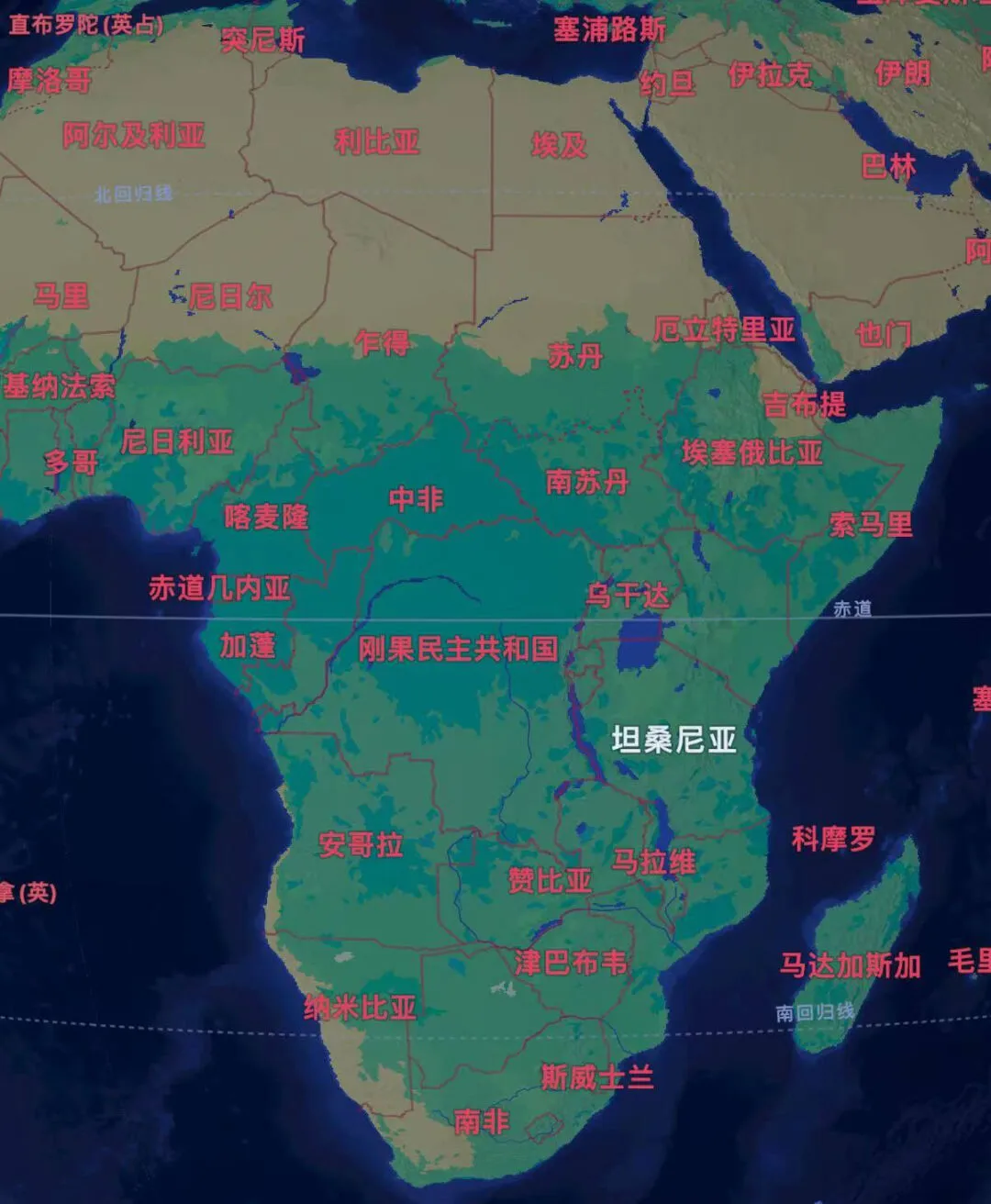
There are quite a few well-known coffee-producing countries on the African continent, including Ethiopia, Kenya, Rwanda, and Tanzania, and Tanzania is regarded as one of Africa's coffee big three. The United Republic of Tanzania is located in East Africa, south of the equator, and is made up of Tanganyika (the mainland part) and Zanzibar (the island part), making it a country with both marine and land resources. It borders the Indian Ocean to the east and is adjacent to eight countries including Kenya, Uganda, Burundi, and Rwanda, with a total land area of 945,000 square kilometers.
Tanzania is one of humanity's ancient cradles and is also one of the world's least developed countries. Agriculture forms the backbone of its economy, and it also has considerable mineral and tourism resources. The country's terrain is high in the northwest and low in the southeast. The eastern coast is lowland, while the western plateau accounts for half of the country's total area. The East African Rift Valley splits into eastern and western branches from Lake Malawi and runs vertically through the north and south, and Africa's highest peak, Mount Kilimanjaro, is also located here.
Tanzania's eastern coast and some inland lowlands have a tropical savanna climate, while the western inland plateau has a tropical mountain climate, with average annual temperatures maintained between 21°C and 26°C. Although the country receives relatively little rainfall, with annual precipitation below 1,000 mm in 80% of the area, rivers and lakes are densely distributed within its borders, and hydropower resources are quite abundant.
History of Coffee Cultivation in Tanzania
Coffee was first introduced from the French island of Réunion, and Christians brought it from Kenya into Tanzania's Bayamoyo and Mogoro producing regions for cultivation. Around 1893, coffee trees planted on the slopes of Mount Kilimanjaro were successfully harvested thanks to the fertile soil formed by volcanic eruptions, and from then on Tanzania officially began its coffee cultivation.
In 1911, the colonial government issued an order requiring large-scale planting of Arabica coffee trees in the Bukoba producing region. By 1952, the first cooperative was established, named Kilimanjaro Native Planters' Association (KNRA), and the number of farmers participating in coffee cultivation rose accordingly. In the 1950s, other coffee varieties were also successively introduced from neighboring Burundi, mainly planted in western Tanzania.
After Tanzania gained independence in 1961, it shifted its economic focus to the coffee industry and attempted to double coffee production by 1970, though this goal was ultimately not achieved. Through the continuous efforts of local practitioners, Tanzania's current annual green coffee production is about 60,000 tons, with Robusta and Arabica each accounting for half.
In the past, Tanzania's coffee industry was mainly based on estate cultivation and management, but now more than 80% has shifted to smallholder farming. Many small farmers also form cooperative organizations, among which the especially important one is the Kilimanjaro Cooperative Union (KNCU), which oversees the quality of the coffee produced. After that, the Tanzanian Coffee Marketing Board (TCMB) purchases it and resells it to private exporters through auctions.
Many people are used to comparing Tanzanian coffee with that of its neighbor Kenya. Compared with high-quality Kenyan beans, Tanzanian coffee has somewhat reduced bright acidity, showing a softer and gentler character, with more prominent sweet aromas, and its rich red wine notes are also a major feature of Tanzania.
Although less famous than Kenyan beans, Tanzania's annual production is almost on par with Kenya's, reaching 50,000 tons. The earliest Arabica seeds were introduced from the French island of Réunion and planted in the Bayamoyo and Mogoro producing regions. The beans planted on the slopes of Mount Kilimanjaro in 1893 became the most successful case, and other varieties were also successively introduced from neighboring Burundi starting in the 1950s and planted in western Tanzania. At present, the main planting areas are concentrated in high-altitude zones, accounting for 75%, although wild coffee still appears locally from time to time.
Unlike most African producing countries, Tanzania's coffee bags are not the common jute bags, but rough fiber bags made from agave leaves. The reason is that the local government, in order to protect Tanzania's sisal industry, explicitly prohibits the use of jute bags.
In northeastern Tanzania stands Africa's highest peak, Mt Kilimanjaro. After World War I, the area became a mandate territory and was once under British colonial rule, gaining independence in 1964. As early as 1893, Bourbon-lineage coffee was introduced for planting. Green bean processing is mainly washed, and high-quality high-altitude Tanzanian coffee, like Kenyan beans, has lively and bright acidity.
In northern Tanzania, the coffee-producing areas are mainly around the highlands at the foot of Mount Kilimanjaro, in regions such as Moshi and Mbeya, while southward they are concentrated in the Songea-Ruvuma area through which the Ruvuma River flows. Due to differences in growing terrain, the styles differ slightly. Coffee produced in the Ruvuma region in southwestern Tanzania has vinous and fruity aromas, differing from coffee in the northern area near Mt Kilimanjaro.
Kilimanjaro, a volcanic mountain, is located in northeastern Tanzania and is also Tanzania's largest coffee-producing region, accounting for 75%. Overall, Tanzania's coffee beans are of extraordinary quality. Important producing areas are distributed in the mountainous areas of the north near Kenya, where smallholder coffee farming accounts for 85%. The local smallholder coffee farmers grow at elevations between 1,300 and 2,000 meters, and their coffee flavor is different both from neighboring Ethiopia and from Kenya's character. Front Street Tanzanian coffee combines the characteristics of both countries, with good body and fruity and floral notes, and is worth trying.
Front Street Tanzanian coffee comes from the fertile soil area around Mount Kilimanjaro and is an outstanding representative of the region's high-quality coffee. Its refreshing acidity, medium body, and citrus and floral aromas complement each other. Whether served hot or made into iced coffee, it tastes excellent, and as the temperature drops, blackcurrant-like aromas can also be sensed, further highlighting its bright flavor.
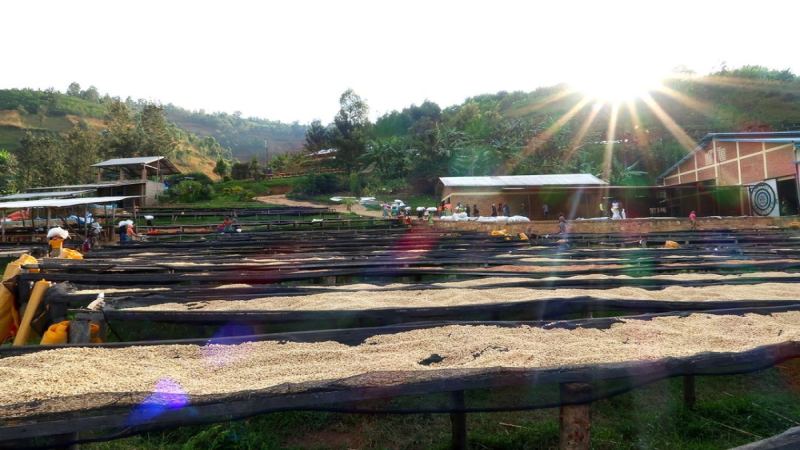
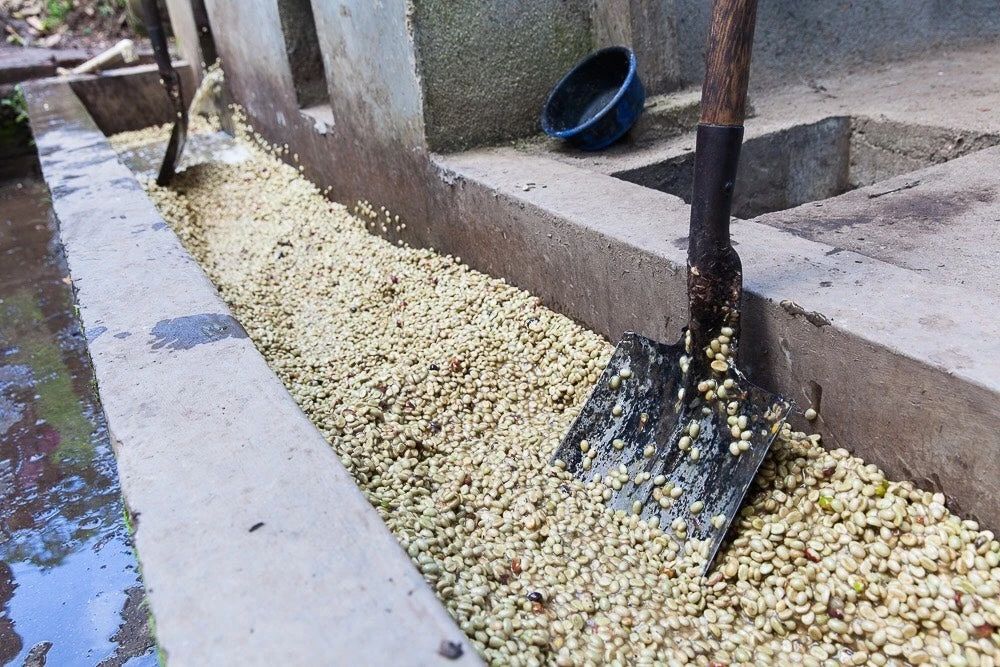
Because Tanzania is mostly made up of small farms, coffee farmers send the harvested coffee cherries to nearby processing centers. The farmers first pour the picked coffee cherries into a large water tank for flotation, then use a pulping machine to remove the outer skin and pulp of the coffee fruit. At this point, a slippery layer of mucilage still clings to the coffee beans.
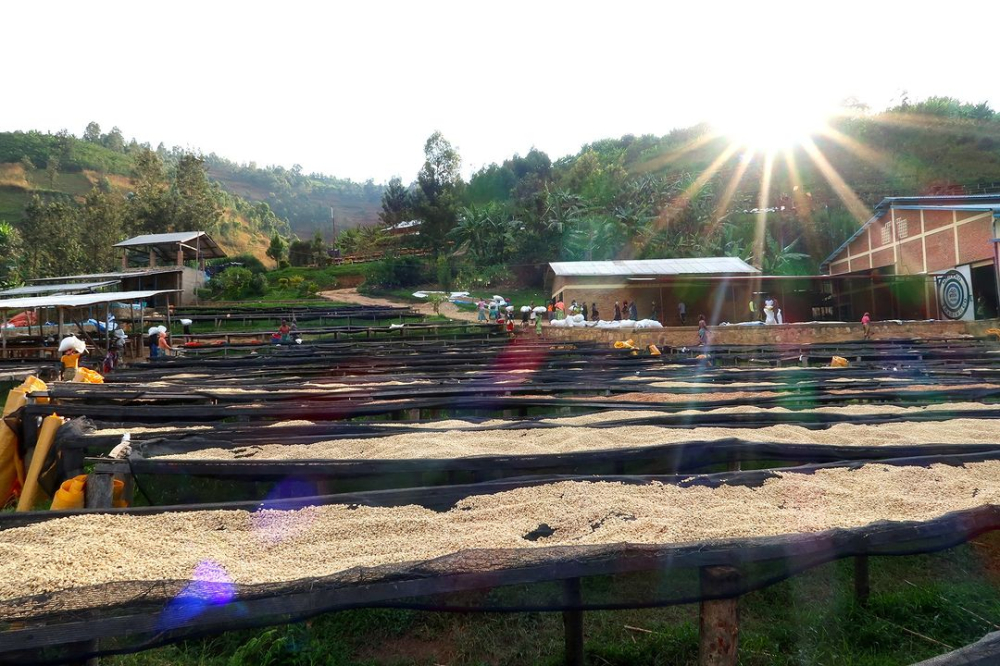
The coffee beans with mucilage are placed in fermentation tanks for 16 to 36 hours, during which microorganisms break down the mucilage. After fermentation is complete, a large amount of clean water is used to rinse away the remaining mucilage from the coffee beans. Finally, the washed coffee beans are spread out to dry. The washed processing method gives acidity that is both soft and intense, body that is neither too strong nor too light, and sweetness with spicy aroma.
Flavor: citrus, honey, berries, nuts, tea-like
FrontStreet Coffee Brewing Parameters Dripper: V60 Coffee-to-water ratio: 1:15 Water temperature: 91°C Grind size: fine granulated sugar size (80% passing rate with a No. 20 standard sieve)
FrontStreet Coffee Brewing Method 30 g - 125 g - 225 g. Bloom with 30 g of water for 30 seconds. After blooming, pour in a circular motion to 125 g. When the water level drops to half, continue pouring in a circular motion to 225 g.
FrontStreet Coffee Tanzanian coffee flavor description: Honey, berries, tea-like, citrus.
The above content is compiled by CoffeeHunters, a coffee news website.


