





What makes Kilimanjaro coffee taste the way it does?
Tanzania produces coffee mainly around the Kilimanjaro Mountains and the southern region, where high altitude, volcanic soil, and snowmelt water shape a cup with full body, soft acidity, and red wine notes. The country is often grouped with Ethiopia and Kenya as a major African coffee origin, and Europeans once called it the coffee gentleman.
Mount Kilimanjaro is a dormant volcano, and its elevation contributes to the aroma and body of the Typica variety grown there. Compared with neighboring Kenya, the acidity is less bright and the sweetness more prominent. Washed processing runs from flotation through fermentation, and Front Street Coffee offers brewing suggestions and a flavor description for enthusiasts exploring African specialty coffee.
Although Tanzania is not mentioned as frequently as Ethiopia or Kenya, it is a force that cannot be overlooked on the African coffee map, having once earned the reputation of "coffee gentleman" bestowed by Europeans. Its coffee is mainly produced in the Kilimanjaro Mountains and the southern region, where high altitude, volcanic soil, and pure snowmelt water together shape a style of full body, soft acidity, and rich red wine notes. This article will guide you through the development of Tanzanian coffee, the growing conditions of the Kilimanjaro region, the characteristics of the Typica variety, and the washed processing flow from flotation to fermentation, along with Front Street Coffee's brewing suggestions and flavor description, suitable for enthusiasts who want to gain a deeper understanding of African specialty coffee.
There are many countries on the African continent that produce coffee. Ethiopia, Kenya, and Rwanda are all familiar names, but there is one country equally worthy of attention, and that is Tanzania. Together with the above two countries, it is known as one of the Big Three of African coffee, and Europeans once gave it the elegant title of "coffee gentleman."
Tanzania
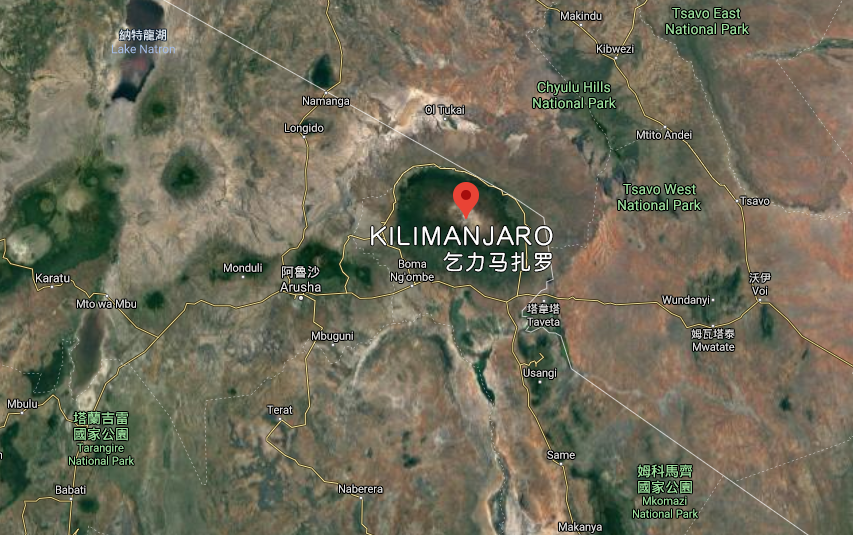
Tanzania is located in East Africa, south of the equator, a country with both a coastline and inland territory. It faces the Indian Ocean to the east and borders eight countries including Kenya and Uganda. The national terrain is high in the northwest and low in the southeast, presenting an overall stepped shape. The East African Rift Valley splits into eastern and western branches at Lake Malawi and runs north to south, while the Kibo Peak of Mount Kilimanjaro in the northeast reaches 5,895 meters above sea level, making it the highest peak in Africa.
The eastern coastal and inland lowland areas of the country have a tropical savanna climate, while the western inland plateau has a tropical mountain climate, with an average annual temperature between 21°C and 26°C. Coffee bean cultivation is concentrated in the Kilimanjaro Mountains and the southern region. Mount Kilimanjaro is a dormant volcano with towering elevation, which gives Front Street Tanzania coffee a full body, moderate acidity, and intense aroma. Compared with neighboring Kenya, its acidity is not as bright and appears softer, but its sweetness is more prominent, and its red wine-like character is more pronounced.
Coffee Development
According to some coffee historical records, coffee was introduced to Tanzania from Ethiopia in the 16th century, and by the German colonial period, coffee had already become an important local cash crop. Varieties currently grown in the country include Typica, Bourbon, Kent, and independently developed disease- and disaster-resistant varieties.
In 1925, Tanzania established its first cooperative, KNRA, whose producers enjoyed considerable freedom and could sell coffee directly to London. In 2001, the Tanzanian Coffee Research Institute (TaCRI) was established and put into operation. This is a non-profit institution whose purpose is to revitalize the country's coffee industry and raise the international profile of Tanzanian coffee.
Mount Kilimanjaro
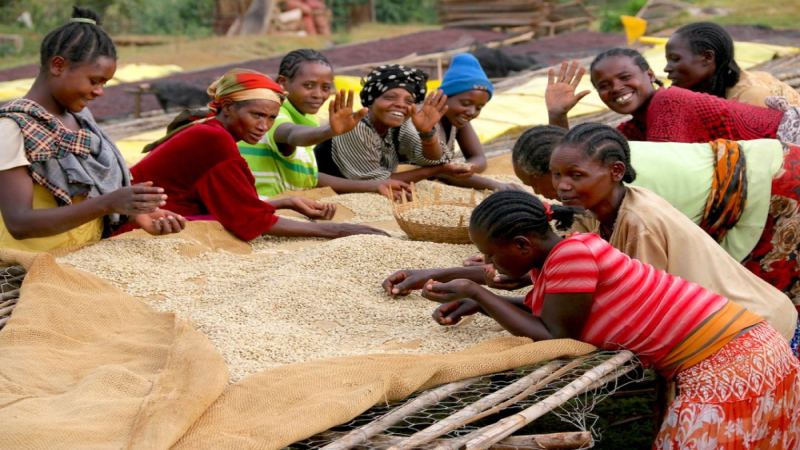
In Tanzania, coffee is mainly grown in the Kilimanjaro Mountains and the southern region, with 85% coming from small farms. Mount Kilimanjaro is snow-capped year-round and the highest mountain on the African continent, and the coffee-growing belt lies between 1,050 and 2,500 meters above sea level. Sufficiently high altitude, volcanic soil, and pure snowmelt water sources constitute the most suitable environment for growing coffee. The coffee harvest period in the Kilimanjaro region is concentrated from July to December each year, and the planted varieties are mainly Bourbon, Typica, and Kent.
Typica
Typica is one of the most important Arabica varieties in global coffee genetics. Its plants are relatively tall, but its yield is low and it is susceptible to major diseases; however, its quality is excellent, and it is suitable for cultivation at high altitudes. The higher the altitude, the better the quality often is. Because Typica has low yield and is highly susceptible to major coffee diseases, it was gradually replaced by other varieties in most of the Americas, but it is still grown in Peru, the Dominican Republic, and Jamaica. Jamaica Blue Mountain was made possible by it.
Washed Processing
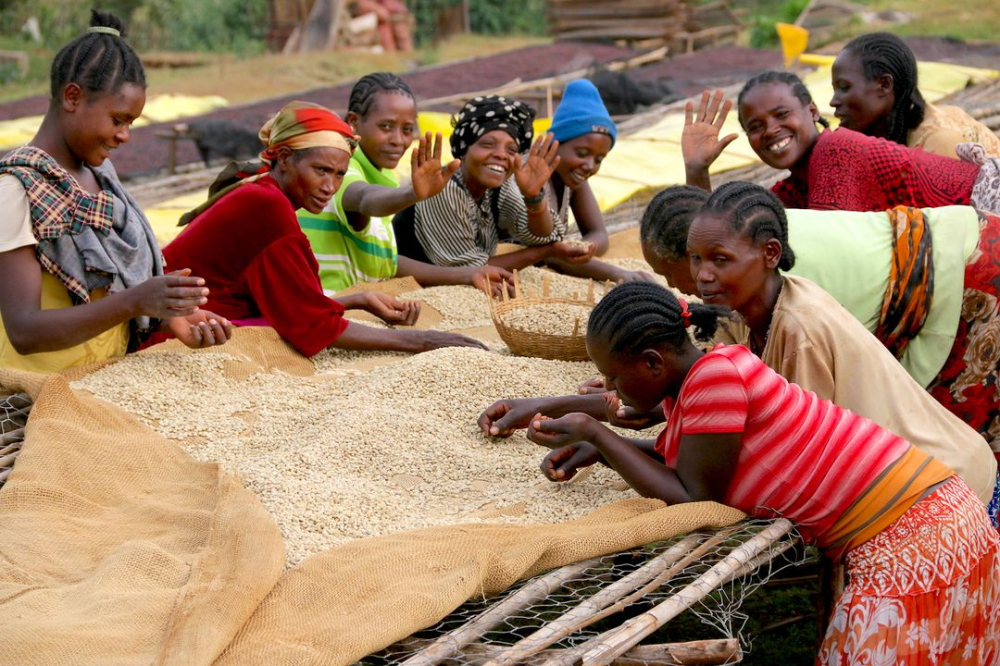
Because most are small farms, coffee farmers send the harvested coffee cherries to nearby processing plants. They first pour the cherries into a large water tank for flotation, then use a pulping machine to remove the outer skin and pulp. At this point, a slippery layer of mucilage still clings to the surface of the coffee beans.
The coffee beans with mucilage are placed into fermentation tanks for 16 to 36 hours, during which microorganisms break down the mucilage. After fermentation ends, a large amount of clean water is used to rinse the remaining mucilage off the beans, and finally the washed coffee beans are spread out to dry. The washed processing method brings acidity that is both soft and intense, a body that is neither too strong nor too light, and a sweet, spicy aroma.
Flavor: citrus, honey, berries, nuts, tea-like
FrontStreet Coffee will naturally not miss this Front Street Tanzania coffee bean. It comes from the Kilimanjaro region and is washed processed. Front Street uses V60 , a 1:15 ratio, and 92°C water temperature for brewing. On the palate, it has gentle acidity, with flavors of citrus, berries, honey, and nuts, a soft mouthfeel, a tendency toward tea-like character, and an overall very balanced profile.
The above content is compiled by CoffeeHunters, a coffee news website.


