








Which origins show the clearest fruity coffee notes?
A balanced cup is not built on one dominant flavor but on harmony among acidity, sweetness, bitterness, aroma, aftertaste, and body. On that base, fruity coffee adds layered notes such as stone fruit, citrus, and berries. African growing regions usually show bright citrus tones, while South American coffees often carry fruit as a supporting layer.
Fruit flavors fall into stone fruits like peach and apricot, citrus like orange and grapefruit, and berries like raspberry and black cherry. Kenya leans toward berry notes such as smoked plum and blackberry. The characteristics of colombian coffee fit the South American pattern, where sweet, balanced structure frames the fruit instead of leading it. Ethiopian, Costa Rican, Tanzanian, and Panamanian lots offer further comparisons.
An ideal cup of coffee is often not defined by one particularly prominent flavor, but by a harmonious balance among acidity, sweetness, bitterness, aroma, aftertaste, and body—this is what we commonly call balanced flavor. On the foundation of balance, fruity coffee displays a particularly captivating complexity—from stone fruits to citrus to berries, different origins impart distinctive fruit notes to coffee. African growing regions are typically known for bright citrus flavors, while South American coffees often present these as a supporting layer. This article will guide you through the flavor composition of fruity coffee and introduce the classic fruit expressions of representative origins such as Kenya, Ethiopia, Costa Rica, Tanzania, Colombia, and Panama, while also presenting the corresponding selected products from the Front Street Coffee brand.

Generally speaking, when we taste a cup of coffee, we approach it from three dimensions: its distinctive aroma, its overall flavor direction, and its comprehensive sensory experience, which specifically covers indicators such as acidity, aroma, bitterness, sweetness, aftertaste, and body. Compared to coffees that are cloyingly sweet, sharply sour, or intensely bitter, coffees with higher balance tend to be more favored. So-called balance means that no single flavor overpowers the others, and all the elements harmonize with one another in the mouth, allowing the coffee's deeper aromas to emerge.
Take the widely popular fruit-toned coffees as an example: they can present richly layered flavors precisely because, on top of a balanced base, they layer in sweet-and-sour notes reminiscent of various fruits.
Fruity Coffee
Fruit flavors usually carry a natural sweetness and are one of the most sought-after characteristics in high-quality coffee. These flavors can generally be grouped into several categories: stone fruits (such as peach, apricot, nectarine), citrus fruits (such as orange, lemon, grapefruit, nectarine), and berries (such as raspberry, strawberry, blackberry, blackcurrant, cherry). Overall, coffees from African growing regions often display pronounced citrus fruit tones, while coffees grown in South America sometimes present them as secondary flavors. Below are several representative coffee origins.
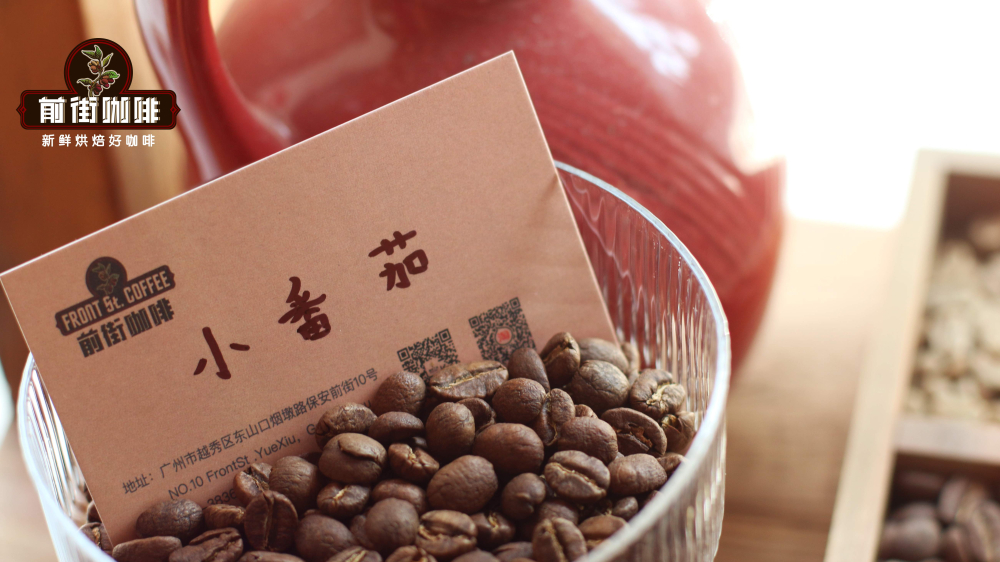
Kenyan coffee (Front Street Coffee Little Tomato)—berry tones: smoked plum, cherry tomato, blackberry;

Ethiopian Yirgacheffe region coffee (Front Street Coffee Fruit Dingding, Front Street Coffee Red Cherry)—citrus tones: lemon, orange, sweet tangerine
Costa Rican coffee (Front Street Coffee Mozart, Front Street Coffee Blackberry)—dried fruit and tropical fruit: raisin, pineapple, sweet orange, passion fruit
Tanzanian coffee (Front Street Coffee Kilimanjaro)—kiwi, berries
Colombian coffee (Front Street Coffee Heirloom, Front Street Coffee Big Belly)—grape, apricot, peach, citrus
Panamanian coffee (Front Street Coffee Boquete Geisha, Front Street Coffee Butterfly)—honeydew, citrus, peach
Because crop growing conditions differ from year to year, coffee from certain years will display more prominent flavor characteristics than in other years; at the same time, flavors also differ among varieties within the same country. However, the flavor descriptions above can often be perceived in coffees from these growing regions.
The above content is compiled by CoffeeHunters, a coffee news website.


