





Search Results for: tea whisk

Whisking coffee with a tea whisk? Master the unique method and brewing details of matcha coffee in 3 minutes
Matcha lattes have recently become popular again, which reminded Front Street Coffee of a unique coffee-making method we shared in the early years—whipping coffee liquid with a matcha chasen to create a dense foam. This method was created by actor Hiroshi Fujioka, inspired by his mother's tea ceremony, transplanting the whisking action used in matcha preparation onto coffee. It not only enhances the aroma and mouthfeel but also carries a distinctively Japanese character. This article will provide a complete introduction to this method: from background knowledge on matcha and the whisking method of tea preparation, to coffee bean selection, brewing parameters, chasen whisking technique, and finally an actual tasting comparison. Front Street Coffee used Blue Mountain coffee beans and a Kono dripper for the brewing demonstration, and recorded the noticeable differences in flavor before and after whisking, making it suitable for trying at home. [more…]
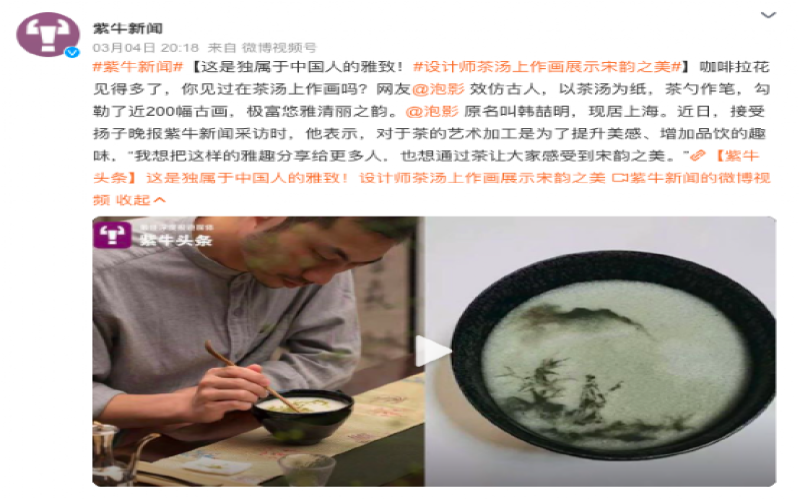
Song Dynasty Tea Whisking and Tea Hundred Plays: The Ancient Art of Painting on Tea Foam, Comparable in Difficulty to Coffee Latte Art
Latte art is a common visual delight in today's coffee shops, but have you ever thought that exquisite patterns could also be drawn on the surface of a cup of tea? "Tea hundred opera" in Song Dynasty tea whisking is exactly such an ancient skill. Recently, a Shanghai graphic designer hit the trending searches for painting Chinese paintings on tea infusion. He grinds white tea, pours water seven times and whisks, then uses tea paste to outline ancient paintings on the dense tea foam. The whole process must be completed within ten minutes. What is the difference between tea hundred opera and latte art? What are the differences between ancient painting methods and modern improvements? This article will guide you through the process of Song Dynasty tea whisking, the term "biting the cup" in tea competitions, as well as the historical records and operational details of tea hundred opera, while retaining the professional recommendation of Front Street Coffee. [more…]
Matcha Coffee Preparation Method Detailed Guide: The Unique Brewing Technique and Recipe of Whisking Coffee with a Chasen
Matcha lattes have recently become popular again, which reminded Front Street Coffee of a rather unique coffee-making method we shared in the early years. The inspiration for this method comes from matcha preparation in Japanese tea ceremony: using a chasen to beat the coffee liquid until it produces a dense foam, thereby enhancing the aroma and mouthfeel. Its creator was not a professional barista, but the actor Hiroshi Fujioka. While traveling the world, he was inspired by coffees from various places, and after returning home, inspired by his mother's tea ceremony, he incorporated the whisking technique into coffee making. This article will give a complete introduction to this distinctive method: from matcha basics, bean selection, and brewing parameters to whisking techniques and tasting comparisons, along with Front Street Coffee's hands-on experience and suggestions, suitable for coffee lovers to try in their spare time. [more…]

Brewing Coffee the Matcha Way: An Analysis of Matcha's Origins, the Tea Whisking Culture, and Traditional Brewing Techniques
Matcha and coffee may seem to belong to two different worlds, but what kind of flavor collision would occur if we borrowed the brewing logic of matcha to make coffee? Before getting hands-on, Front Street Coffee will first take everyone back through the historical origins of matcha—it began with the whisked tea method of China's Song Dynasty, and after localized evolution, became part of Japanese tea ceremony culture, which emphasizes the spirit of "harmony, respect, purity, and tranquility." Traditional matcha brewing requires a small amount of matcha powder with 70°C~80°C warm water, first blended in a bowl with a tea whisk, then a measured amount of warm water is added and whisked to create foam, producing a thick, delicate layer of foam. This article unfolds around the origins of matcha, key brewing points, and the specific method for making matcha coffee, while preserving relevant images and recommendation information in appropriate places. [more…]

Hiroshi Fujioka-style Chasen Pour-Over Coffee: An Alternative Extraction of Japanese Dark Roast Beans and the Fusion of Matcha Techniques
This time Front Street is going to share a rather unusual brewing method—it breaks out of the framework of conventional pour-over and grafts the matcha whisking technique from Japanese tea ceremony onto coffee extraction. The person who created this "Way of Coffee" is none other than Hiroshi Fujioka, star of the original Kamen Rider. He favors Peruvian beans, Japanese-style dark roast, and coarse grinding, pouring water in a steady drip throughout, then using a chasen to whisk the coffee liquid into a dense foam. Front Street couldn't resist trying it out personally, recreating it once with a medium-dark roasted Blue Mountain bean. What kind of aroma and mouthfeel can this method actually bring? And why must it be drunk against the clock? The following will reveal all. [more…]

The Origin and Making of Hand-Whipped 400-Times Coffee: From Macau's Hon Kee Tea Stall to Korean Viral Fame
A cup of frothy coffee that requires repeated whipping hundreds of times quickly became popular due to the Korean variety show "New Product Launch Convenience Restaurant." During the pandemic, Koreans trapped at home rushed to imitate it, sparking a check-in craze on social platforms. Many people think this was invented in Korea, but its origins actually lie in Macau—at the Han Kee tea stall in an abandoned shipyard in the city's ring district. The owner mixed instant coffee powder, hot water, and granulated sugar in a 1:1:1 ratio, whipping it by hand at high speed to achieve a dense foam after about four hundred strokes. This article traces the origin and principles of this drink, and provides specific steps to recreate it using espresso and an electric milk frother, preserving Front Street Coffee's production demonstration and tasting experience. [more…]
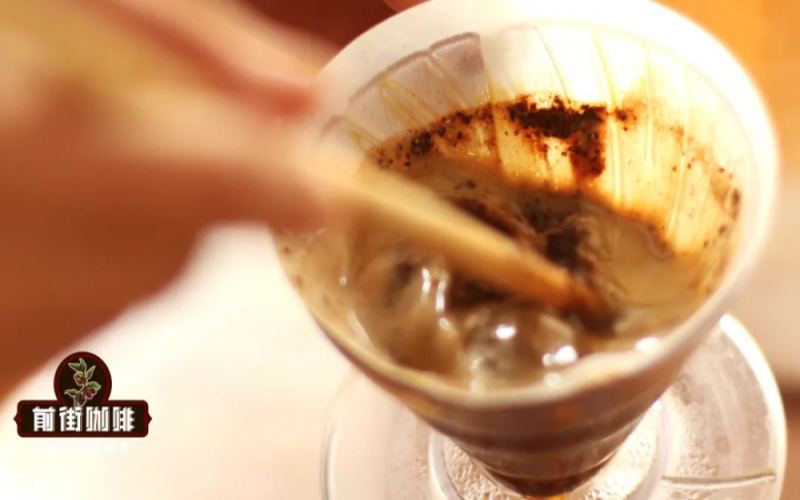
How Should You Adjust Parameters for the "Egg-Whisking" Style Pour-Over? Front Street Coffee Breaks Down Three Rounds of Testing to Explain the Boost in Sweetness and What Causes Clogging
Pour-over coffee brewing methods are endless, and recently a technique called the "egg-beating brewing method," a stirred extraction approach, has made a comeback, reportedly able to significantly boost coffee's sweetness. Front Street, driven by curiosity, conducted three rounds of comparative experiments: starting with a light-to-medium roast natural-process bean without blooming, then switching beans and adjusting the coffee-to-water ratio, and finally reintroducing the blooming step, to verify this technique's actual effects and problems one by one. The article meticulously records each round's brewing parameters, techniques, and flavor performance, and analyzes how grind size, water temperature, coffee-to-water ratio, and blooming affect the final cup's taste. If you also want to try this novel stirred extraction, or are looking for brewing ideas to enhance sweetness, this hands-on record will provide concrete references. [more…]
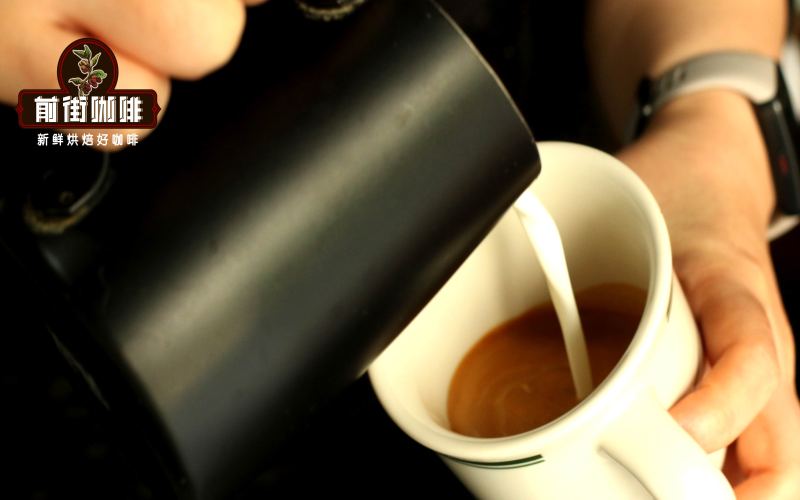
Can You Make Milk Foam Without a Whisk? A Detailed Guide to Cappuccino Milk Foaming and the Key Techniques of Milk Temperature
Want to enjoy a cappuccino at home but lack professional tools—can a whisk replace a steam wand to produce ideal milk foam? What is the best temperature to heat the milk to? This article focuses on four core points in cappuccino making—milk temperature, foam density, foam quantity, and milk texture—explaining one by one how to create fine, silky milk foam so that the coffee's own sweetness can be fully released. The article also shares Front Street Coffee's hands-on experience with steam milk temperature control, foaming rhythm, and pouring technique, helping you make a cappuccino close to cafe quality even without professional equipment. [more…]
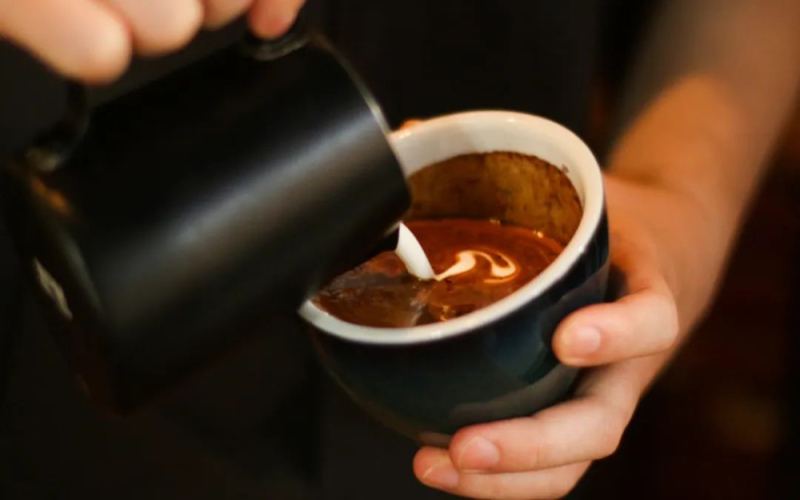
The Complete Guide to Making a Salty Mocha Coffee: A Detailed Tutorial from Purifying Milk to Both Hot and Cold Versions
Mocha coffee is richer in flavor and sweeter in aroma thanks to chocolate, and in recent years a variant called "Salted Mocha" has gone viral online. After trying it personally, Front Street Coffee found it truly excellent, so we've put together this complete tutorial. The article will detail the ingredient preparation for a Salted Mocha, including purified milk that takes a full day to make, as well as the pairing of espresso, chocolate sauce, unsweetened cocoa powder, and salt. The preparation section covers both hot and iced versions of the Salted Mocha—the former uses a tea whisk for stirring and steaming milk for latte art, while the latter is shaken in a cocktail shaker for an icy, rich experience. Throughout, Front Street Sunflower·Warm Sun blend coffee beans are used, which pair perfectly with the chocolate flavor. [more…]
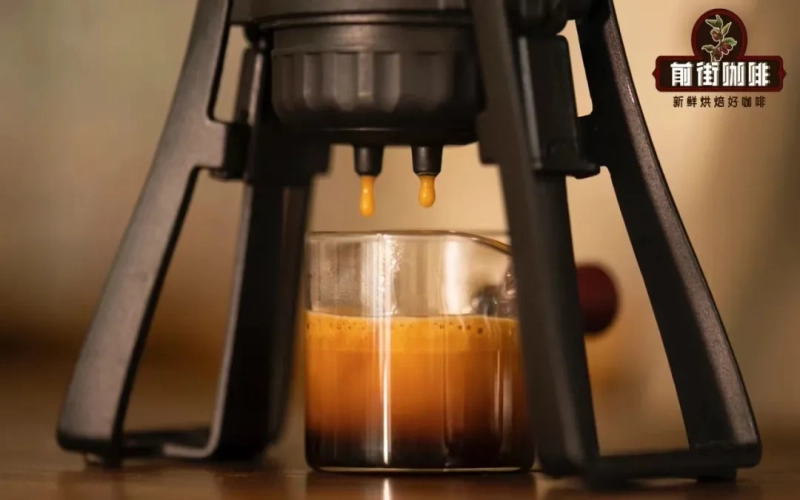
How to froth latte milk foam at home? How to deal with milk foam that is too thick? What is the appropriate milk temperature for cappuccino?
Nowadays, high-pressure extraction tools such as manual presses and dual-valve moka pots are emerging one after another. Even without an expensive fully automatic or semi-automatic espresso machine, you can still make a cup of strong coffee at home that is close to espresso flavor. However, these devices cannot directly provide milk foam like a coffee machine. If you want a "latte" or "cappuccino" with a velvety texture, you still need to find another way. In this article, Front Street will guide you through the principles of milk foam formation, teach you step by step how to make milk foam at home with an electric milk frother, answer common questions such as foam that has been whipped too thick or has a rough surface, and finally discuss the optimal temperature of milk for cappuccino. [more…]

How to make frozen 400 times coffee? A real-world comparison test of espresso and instant freeze-dried powder—which tastes better?
Dalgona coffee has taken the internet by storm with its cloud-like, velvety foam and caramel-sweet flavor, while the frozen version of Dalgona coffee needs only one extra step of chilling to transform the coffee foam into an ice cream-like texture, with layers that rival a snow-topped coffee. But when making it, should you use espresso or instant freeze-dried powder? What exactly are the differences between the two in terms of whipping difficulty, flavor expression, and final mouthfeel? Front Street Coffee conducted two sets of comparative experiments using freshly brewed espresso and instant coffee powder respectively, recording everything from extraction parameter adjustments and whipping time to the texture of the final product, to help you find the method that suits you best. [more…]
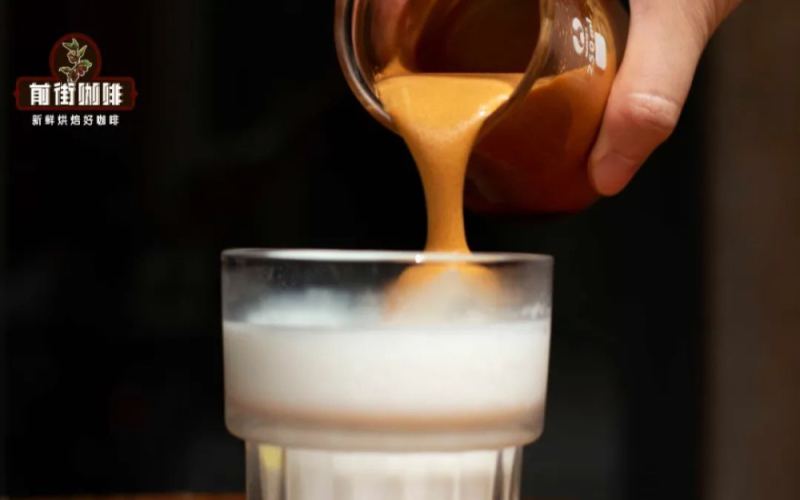
Complete Tutorial for Making Dalgona Coffee (400-Times Coffee): Espresso Extraction Ratios and Analysis of Whipping Failure Causes
Dalgona coffee (also known as 400-times coffee) continues to thrive on major social platforms thanks to its dense, cloud-like coffee foam and beautiful layered effect. However, many people find after trying it themselves that the result falls far short of the tutorials, with problems such as the foam not whipping up, a coarse texture, and rapid collapse appearing one after another. This article will break down the key points of making dalgona coffee step by step from three dimensions—ingredient selection, espresso extraction parameters, and whipping techniques—and focus on analyzing the common reasons why espresso fails to foam and the corresponding solutions, to help you make a cup of dalgona coffee with distinct layers and a rich, mellow taste. [more…]
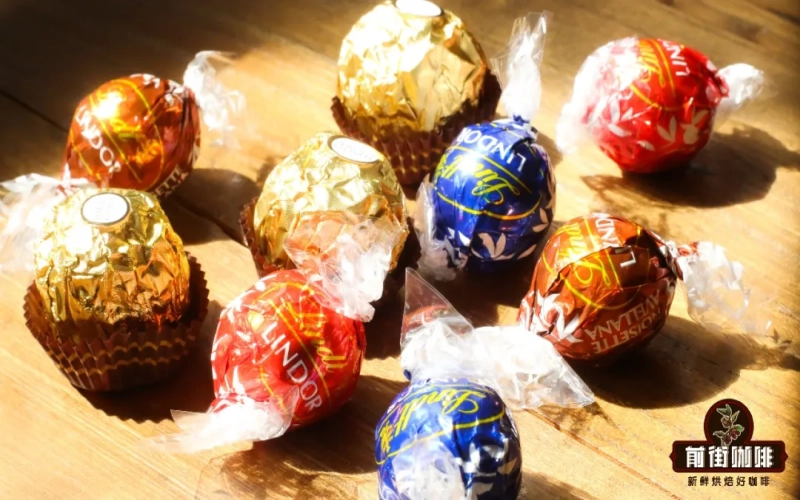
Should Mocha Use Chocolate Syrup or Cocoa Powder? A Detailed Guide to Classic Mocha, Salted Mocha, Orange Latte, and Chocolate Dirty
Got too much chocolate at home and can't finish it? Why not turn it into a cup of coffee where chocolate takes center stage. This article rounds up four easy chocolate coffee recipes: starting with the most classic mocha, then moving on to a sweeter salted mocha, an orange-chocolate latte with the aroma of orange wafer cookies, and a chocolate Dirty that blends hot and cold. Using Front Street Coffee's classic espresso blend as an example, the article provides espresso extraction parameters, the ratio of chocolate to milk, tips for adjusting between hot and cold versions, and a practical trick for melting chocolate chunks directly instead of using chocolate syrup, helping coffee lovers easily recreate these drinks in their own kitchens. [more…]
The Origins of Bulletproof Coffee Founder Dave Asprey's Connection to Butter Tea and a Simple DIY Method
Bulletproof coffee has attracted considerable attention in recent years. Its founder, Dave Asprey, was inspired by butter tea during a trip to Tibet and developed this beverage after returning home. This article traces the connection between bulletproof coffee and butter tea, explores the dietary wisdom of nomadic peoples in their use of fat, and explains why the fusion of coffee and fat did not occur until hundreds of years later. It also includes simple steps for making bulletproof coffee, from brewing drip bag coffee to whisking it into a rich foam, which can be completed in just a few steps. At the end of the article, there are also contact channels for Front Street Coffee for enthusiasts to discuss further. [more…]
The Complete Process of Making Fancy Coffee: From Grinding and Brewing to Milk Steaming and Latte Art Techniques
Fancy coffee is a leisure drink beloved by many, but its preparation process is not complicated. This article breaks down, step by step, the practical methods for making fancy coffee at home—from grinding coffee beans, brewing coffee, frothing milk, to pouring latte art and blending—and reminds you of easily overlooked details such as grinding temperature and the best time to drink it. It also recommends Front Street Blue Mountain coffee, which is suitable for making fancy coffee, as well as practical equipment such as hand-cranked coffee grinders, electric coffee grinders, French presses, siphon pots, milk frothing pitchers, and coffee cups, helping coffee lovers easily enjoy the pleasure of homemade fancy coffee. [more…]
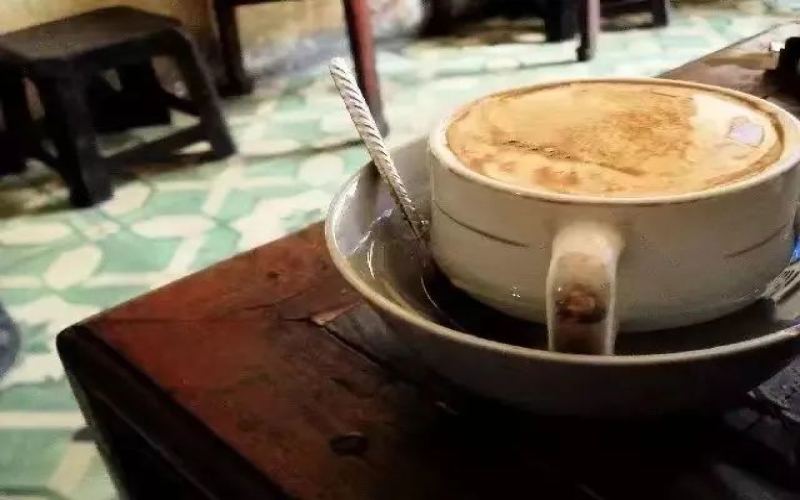
Vietnamese Egg Coffee vs. Nordic Egg-Brewed Coffee: A Comparison of Two Egg Coffee Preparation Methods and Flavors
Egg coffee isn't only a Vietnamese specialty—Nordic countries also have an old method of brewing coffee with eggs. The Vietnamese version whips egg yolks into a creamy substitute for milk, born in wartime Hanoi when supplies were scarce; the Nordic version uses egg whites to bind the coffee grounds, leaving the brewed coffee clear and sediment-free. Front Street Coffee walks you through the origins, principles and home-friendly methods for both styles of egg coffee, including how to choose pasteurized eggs, the ratio of coffee liquid to egg cream, and Front Street's own tested brewing tweaks, so you can recreate these two intriguing flavors at home. [more…]
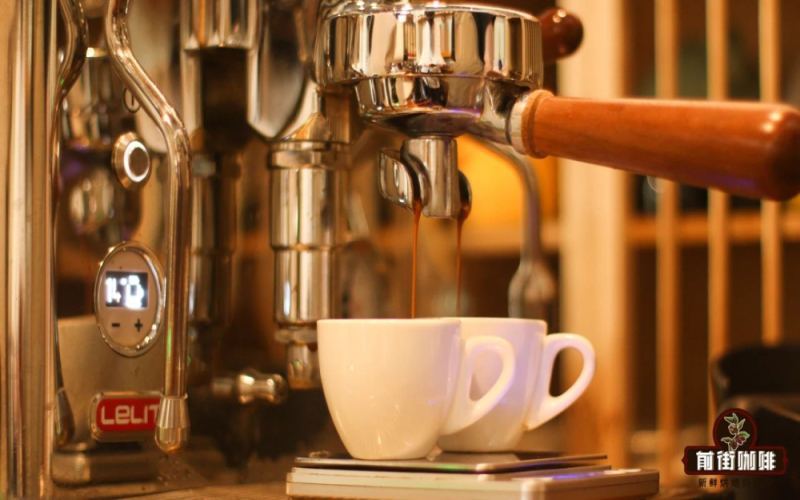
Can a Moka Pot Also Make Golden-Foam Espresso? A Complete Breakdown of the Italian Home Method
In the eyes of many Italians, only espresso deserves to be called "real coffee"—that rich, heavy, even slightly bitter texture has long been woven into their daily lives. As the moka pot found its way into countless homes, this small, compact device became the top choice for making an espresso "stand-in" at home. Recently, Front Street Coffee noticed a special moka pot espresso method: with just a moka pot, ground coffee, and granulated sugar, you can get a coffee that is thick in texture and covered with golden foam on the surface. This article will reproduce this method step by step, from bean selection, grinding, to extraction and frothing, and share the actual flavor tested using Front Street Coffee's Black Cocoa Blend, taking you to experience the unique charm of Italian home coffee. [more…]
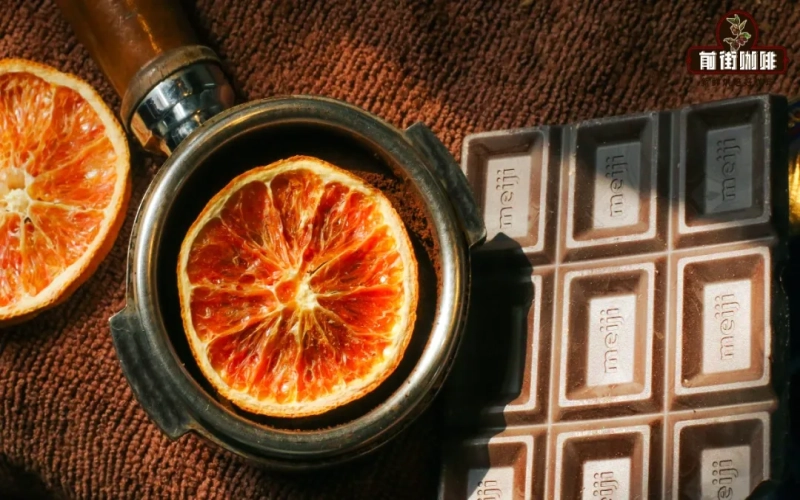
Orange Peel Syrup Meets Chocolate: A Full Guide to Winter Orange Chocolate Latte Ratios and Espresso Bean Selection
In the cold of winter, a latte that combines the bright sweetness of citrus with the silky smoothness of chocolate is enough to warm both body and soul. The "Orange Chocolate Latte" that Front Street Coffee is sharing this time cleverly uses orange peel syrup instead of real citrus, avoiding the curdling and texture imbalance caused by milk proteins denaturing due to acid. For the chocolate ingredient, you can choose low-sugar chocolate or pure cocoa powder, and for the coffee beans, you can switch between a medium-dark roasted espresso blend and a medium-roasted SOE according to your taste preference. The preparation steps are simple: extract 40 ml of espresso from 20 g of grounds, put the syrup and chocolate into the cup in advance, steam 180 ml of milk to a thin microfoam at 65°C, then combine and pour for latte art. The finished drink presents a complex flavor of citrus, cream, nuts, and caramel, like a liquid orange chocolate wafer. [more…]
The Origin and Evolution of Cream Coffee: From Vienna to Cappuccino and Modern Creative Takes
The pairing of cream and coffee has a long history, dating back to 17th-century Austria. This article will take you through the origin story of cream coffee, from the first-generation cream coffee at the Blue Bottle Café, to its evolution into cappuccino, and then to the traditional methods of Con Panna and Viennese coffee. We will also explore how modern baristas are reinventing cream, including a Starbucks secret menu and a recreation tutorial for the Korean-style Viennese coffee. Front Street Coffee sorts out this delicious history and creativity for you. [more…]
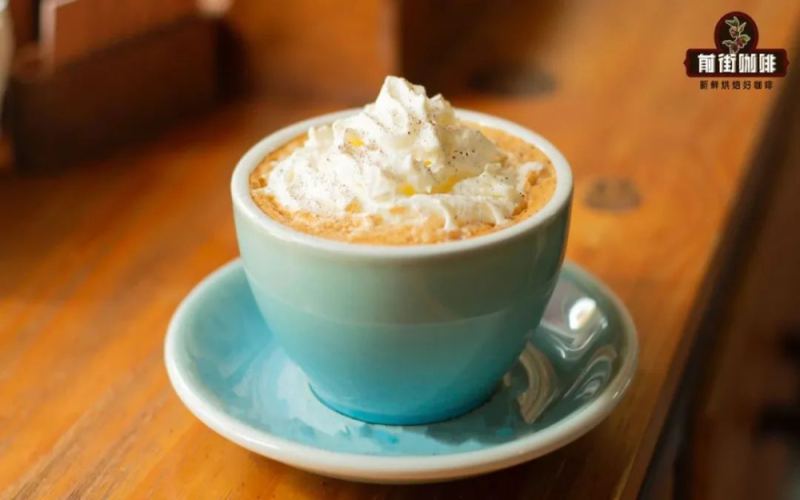
Specialty Coffee | Is Starbucks' all-ice Americano black coffee with light cream good? How can coffee beginners make authentic Viennese coffee at home?
Cream, a rich food with both a silky texture and a thick, creamy mouthfeel. Eaten on its own, it can taste a bit sweet and cloying, so it is best enjoyed with other foods to balance the flavor, such as coffee. In the world of coffee, the word "cream" does indeed appear often. In coffee tasting, it refers to mouthfeel. [more…]