







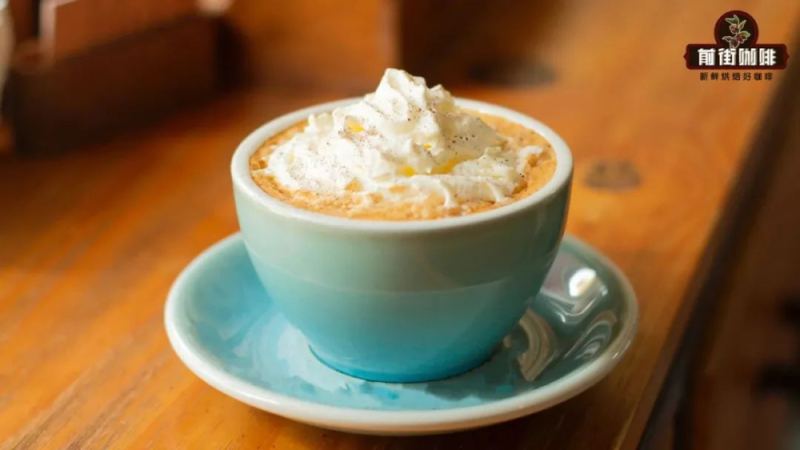
Cream, a rich and flavorful food, has both a silky texture and a thick, full mouthfeel. Eaten on its own, it can be a bit too sweet and cloying, so it's best enjoyed with other foods to balance it out—coffee, for example.

If we want to trace the earliest history of cream appearing in coffee, we can't just look at these modern fancy drinks—we need to seek out those stories that have been passed down for over a century~

The Old-Time "Cream Coffee"
Front Street Coffee looked through the records and learned that the earliest account of adding cream to coffee comes from Austria. In 1684, a Pole named Jerzy Franciszek Kulczycki, becausehe saved Vienna from siege during the war,was rewarded with a generous sum of money, as well as a large batch of coffee beans left behind by the defeated Turks. After the war ended, he opened a Blue Bottle coffeehouse in Vienna.

The Blue Bottle coffeehouse opened by Kulczycki
At first, he served drinks following the Turkish method of brewing coffee—that is, the beans were ground into powder, boiled twice with water, then poured into a cup together with the grounds and drunk directly. But the Austrians simply couldn't accept this way of drinking it. So, to cater to the local residents' tastes, he switched to filtering out the coffee grounds with a cloth bag, then added cream, honey, spices, and other seasonings. Before long, this cup of "first-generation cream coffee" became a favorite among Austrians.

At that time, this kind of cream coffee was generally served in a small glass. Since the mixture of cream and coffee took on a lovely reddish-brown color, much like the color of the robes worn by the Order of Capuchin Friars Minor, the Viennese called it "Kapuziner," transliterated as "卡普钦呢."
As it spread to Italy, and with the birth of the espresso machine, Italians switched to using espresso with golden crema, while the original cream was replaced by steam-frothed milk, and it got an Italian name: Cappuccino. In other words, the cappuccino we're familiar with today traces its origins to cream coffee.

Although "Kapuziner" later gave rise to many versions of fancy coffee, the original "cream coffee" didn't disappear either—it lives on in coffeehouses everywhere under the names Viennese Coffee or Espresso Con Panna.
Unlike other fancy coffees, Espresso Con Panna requires no stirring—just drink it straight. The cold cream adds a marshmallow-like touch to the bittersweet, intense coffee, making it even moredenseand full-bodied in its layering of flavors. However, in most people's eyes, it's still an extremely strong-flavored coffee, so it doesn't have a large following.

Besides Espresso Con Panna, the widely known Viennese Coffee also uses strong coffee liquid and cream as its main ingredients. But unlike the original purpose behind the previous fancy coffee, the Austrian version of cream coffee was made to give energy to coachmen traveling on cold nights, so they added more high-calorie foods to the coffee—it isa drink that refreshes, tastes delicious, and also keeps you warm and fills your stomach.
Front Street Coffee learned that making traditional Viennese Coffee isn't complicated. It's generally served in a tall glass with a handle, with about a teaspoon of white sugar placed at the bottom first, then about 1/2 of strong coffee liquid poured in, followed by a topping of fluffy whipped cream, and finally sprinkled with cinnamon powder, chocolate shavings, cookie crumbs, and other toppings.

Compared to that era of scarce resources, today's cream coffee can be said to come in a dazzling variety of forms and styles, and they've been given more distinctive names that catch the eye.
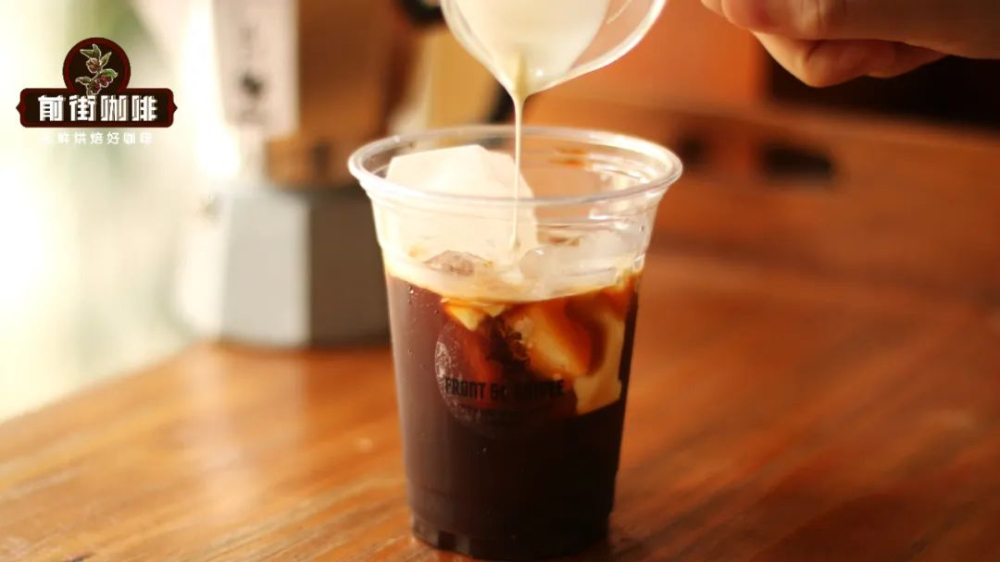
For example, Starbucks has a secret menu item called "Iced Americano with Light Cream"which is derived from the old-time Viennese Coffee. The entire drink is made from just ice cubes,coffee, and light cream—the steps are as simple as putting an elephant in a fridge.
In this cream coffee, against the backdrop of ice cubes, the unwhipped, viscous cream first floats on the surface, then slowly sinks to the bottom and blends with the espresso, creating a beautiful layered effect. Drinking it in big gulps, you can feel the rich, sweet interweaving of cream and coffee on your taste buds.

Beyond that, cream has been played with in many interesting forms by baristas everywhere. For instance, a Korean coffeehouse has an adapted version of "Viennese Coffee" that, with its unique presentation of cream and super photogenic looks, continues to be active on Instagram and other social media.

First, find a container that's easy to whip in, pour 80 grams of light cream into it, then add 15 grams of vanilla-flavored syrup.
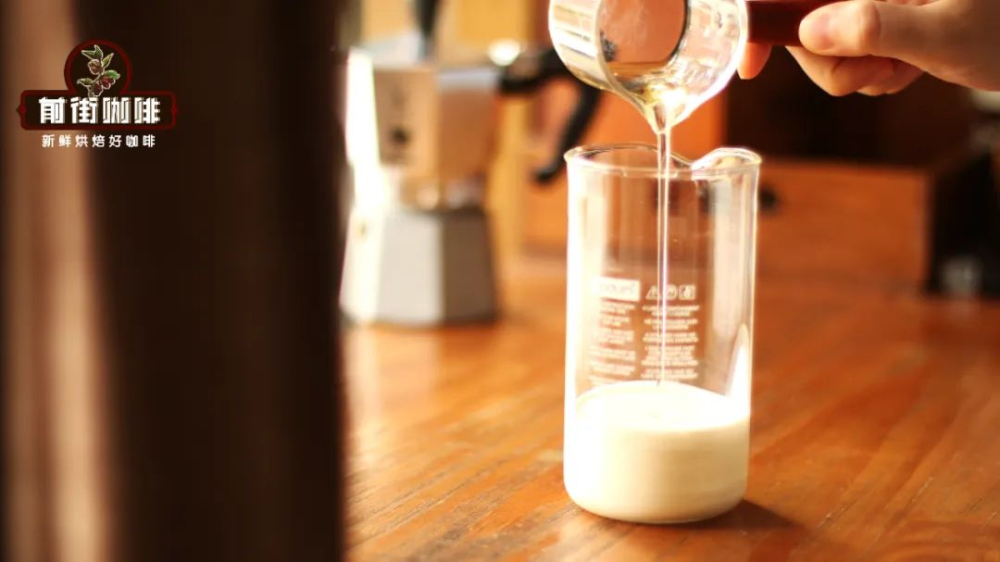
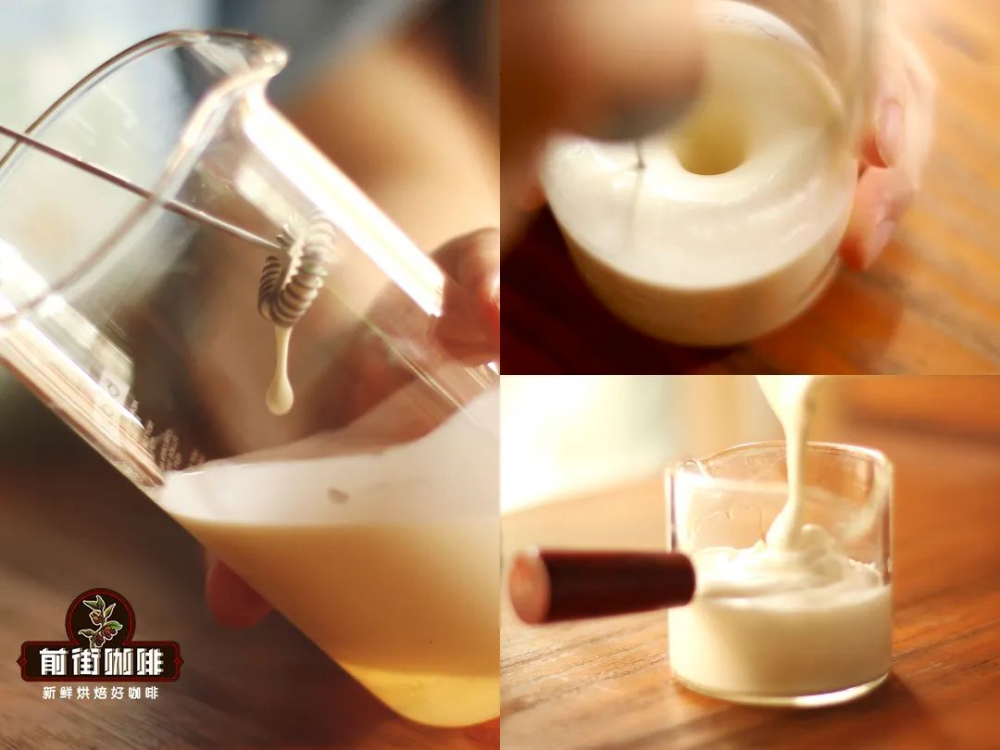
Then use a whisk to whip the cream evenly until it reaches a semi-solid, yogurt-like consistency—like Front Street Coffee's, where it forms peaks and doesn't quickly collapse, that's good enough.
Prepare a cute little cup of your choice, add 50 grams of ice cubes, pour in milk to about six-tenths full, spread a layer of the just-whipped vanilla cream,thenextracta doubleshotofespressocoffeeand pour it on top.
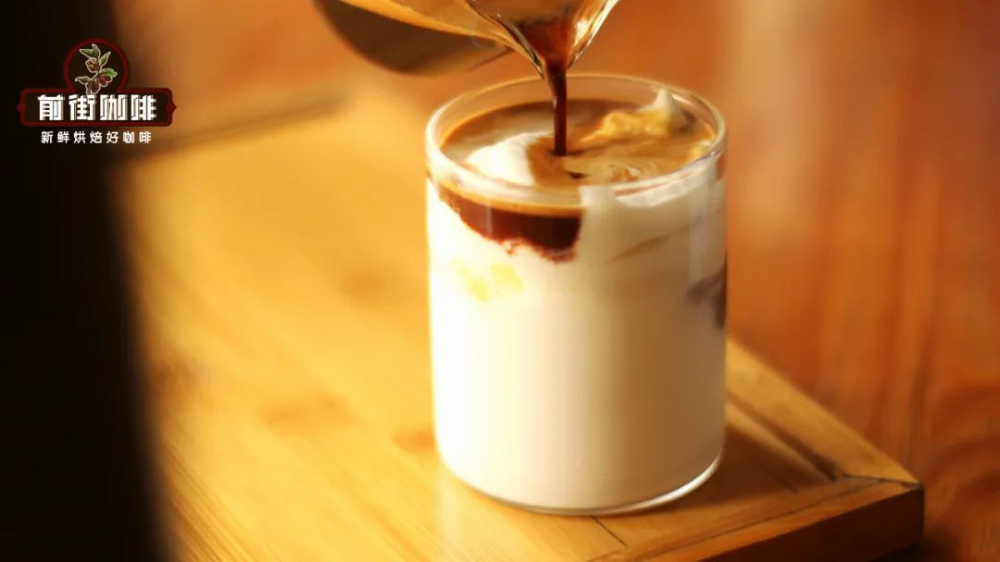
Finally, use a spoon to scoop 1–3 dollops of vanilla cream onto the coffee, and sprinkle with cocoa powder according to your preference. The internet-famous "Viennese Coffee" is ready.

The above content is compiled by CoffeeHunters, a coffee news website.


