







Search Results for: taste of terroir
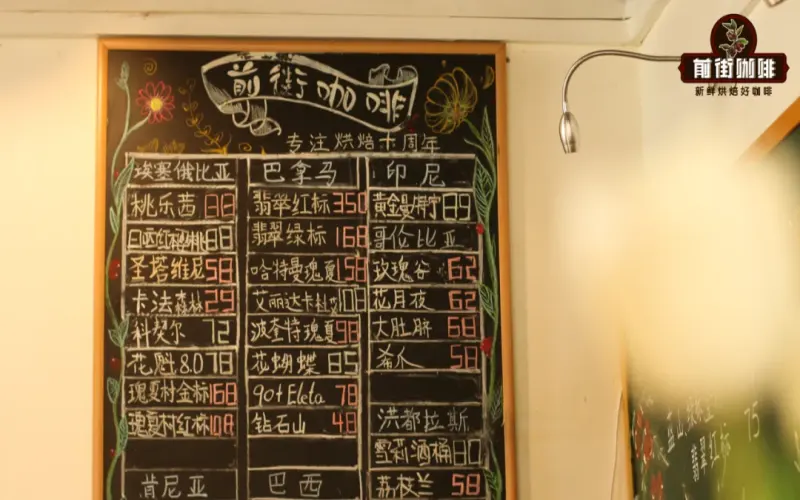
What Is the "Terroir" Taste of Specialty Coffee? A Detailed Explanation of the Three Key Factors Affecting Coffee Flavor: Soil, Climate, and Altitude
When we talk about specialty coffee, why do baristas always emphasize the region first? The answer lies in "the taste of terroir." Different regions, due to differences in their natural environments, give coffee beans completely distinct flavor characteristics—this is the power of terroir. In this article, Front Street Coffee will take you deeper into what the taste of terroir is, how it influences the direction of coffee's flavor, and the three key elements that determine coffee's taste—soil, climate, and altitude. At the same time, we will also clarify a common misconception: terroir is certainly important, but it is only the foundational condition of coffee's flavor, not the sole factor determining its final expression. [more…]
A Complete Guide to Guatemalan Specialty Coffee: Terroir, Flavor Profiles, and Front Street Brand Recommendations Across Eight Major Regions
Guatemala was once hailed as one of the finest coffee-producing origins in the world, its strictly hard beans plump and well-balanced, yielding a pure, rich brew. Front Street's Guatemalan coffee beans have pronounced acidity, a mellow flavor with a slightly wild edge, and can be enjoyed as a single origin or often used as a base bean in blends. This article takes you deep into the origins and background of Guatemalan coffee, its flavor characteristics, and the terroir of its eight major producing regions—from the volcanic geology of Antigua and the Acatenango Valley to the non-volcanic highlands of Huehuetenango—analyzing one by one how this land nurtures rich layers of green apple acidity, berry notes, jasmine florals, and even smoky finishes. Whether you are a coffee enthusiast or a professional, you will gain practical origin knowledge and brewing references. [more…]

The Terroir Code of Coffee: How Growing Environment Beyond Genetics Shapes the Flavor in Your Cup
We often hear baristas mention the term "terroir"—what exactly does it mean? The flavor of a cup of coffee is about seventy percent determined by varietal genetics, while the remaining thirty percent comes from the natural conditions of the growing region—latitude, altitude, soil, sunlight, and humidity all working together to give coffee from different origins strikingly different flavor profiles. This article will examine these five dimensions to explain how the environment affects coffee's balance of acidity and sweetness and its rich mouthfeel, and help you understand why high-altitude beans have fuller flavor and why volcanic soil can impart a distinctive acidic aroma to coffee. [more…]
Traveling Along the Coffee Belt: How Terroir Shapes a Pour-Over
Stretching between the Tropic of Cancer and the Tropic of Capricorn lies a coffee belt. Every producing region along this belt tells its own coffee story through its unique altitude, soil, climate, and cultural traditions. For pour-over enthusiasts, understanding a region's terroir is like traveling the world with a flavor map in hand. The story begins with Ethiopia [more…]

Why has Panamanian Geisha become synonymous with top-tier coffee? From its discovery at Hacienda La Esmeralda to an analysis of its terroir advantages.
Geisha coffee enjoys an extremely high reputation in the global specialty coffee world, and when Geisha is mentioned, most people's first association is the Panama region. Although Ethiopia, Costa Rica, Colombia, and other places also produce high-quality Geisha, Panama Geisha has always been regarded as the benchmark. Behind this lies both historical opportunity and the discovery by Hacienda La Esmeralda, together with the support of Panama's unique terroir. In this article, Front Street will take you through the journey of Geisha from the forests of Ethiopia to the highlands of Panama, analyze how Hacienda La Esmeralda recognized its potential, and explain how the terroir conditions of the Boquete Valley created Geisha's signature floral and fruity aroma and elegant acidity. [more…]
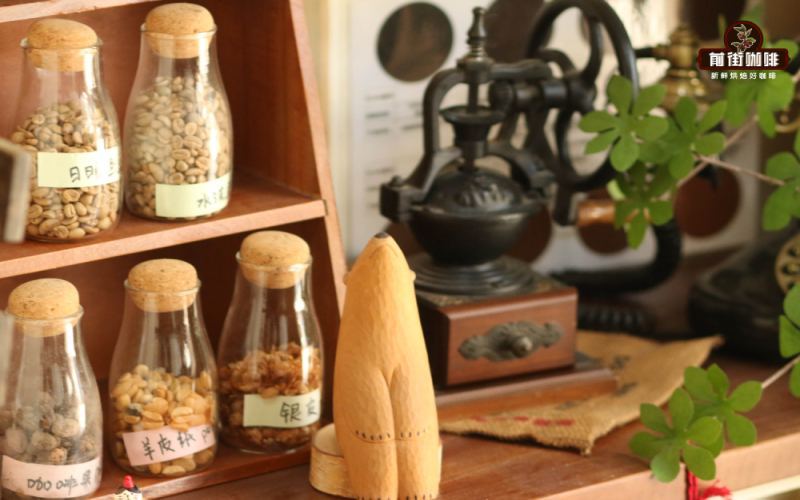
Ethiopian Coffee Flavor Explained: The Acidity, Aroma, and Terroir Code from Sidamo to Yirgacheffe
Ethiopia, the birthplace of Arabica coffee, nurtures widely varied coffee flavors through its unique terroir. From the wild natural-process Sidamo to the delicate washed Yirgacheffe, every bean carries the climate, soil, and processing methods of its region. This article takes you into the world of Ethiopian coffee, analyzing the flavor differences between Sidamo and Yirgacheffe, the evolution of processing methods, and several representative beans recommended by Front Street Coffee, including the cupping performance of Gutingding and Red Cherry, along with Front Street's brewing parameter suggestions to help coffee lovers more fully understand the acidity and sweetness layers of Ethiopian coffee. [more…]
Jamaica Blue Mountain Coffee: A Complete Guide to Origin, Terroir, Grades, and Pour-Over Brewing
Blue Mountain coffee is regarded by many as a classic symbol of the coffee world, its name almost synonymous with "top-tier coffee." But where exactly does Blue Mountain coffee come from, how is it graded, and what are its flavor characteristics? This article begins with the history of coffee cultivation in Jamaica, sorting through the terroir conditions of the Blue Mountains and the unique traits of the Typica variety, explaining in detail the Blue Mountain coffee certification standards and export grading system established by the CIB, and sharing Front Street Coffee's experience with the washed processing method and pour-over extraction plan for Clifton Estate Blue Mountain No. 1, giving you a comprehensive look at the real face behind this legendary coffee. [more…]
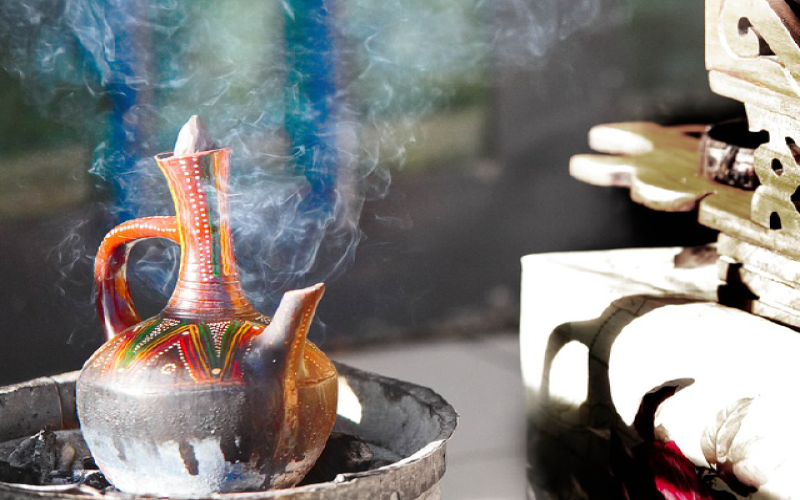
Exploring Ethiopian Specialty Coffee: A Complete Analysis of Terroir, Heirloom Variety System, and Flavor Profiles Across Major Regions
As a genetic treasure trove of Arabica coffee, Ethiopia, with its unique cultivation patterns and diverse terroir, has given rise to countless fascinating specialty coffees. From the ancient legends of the Kaffa forests to the cup flavors of producing regions such as Yirgacheffe, Sidamo, and Guji, this land has always led the trends of the coffee world. This article will guide you systematically through the origins of Ethiopian coffee, the differences between forest and garden cultivation, the terroir characteristics of core producing regions, and the mysteries of Heirloom native varieties and digital varieties. At the same time, we will also taste acclaimed works such as Front Street Coffee Yirgacheffe, Front Street Coffee Gutingding, and Front Street Coffee Huakui, exploring why they have become synonymous with bright floral and fruity notes in the minds of coffee lovers. [more…]
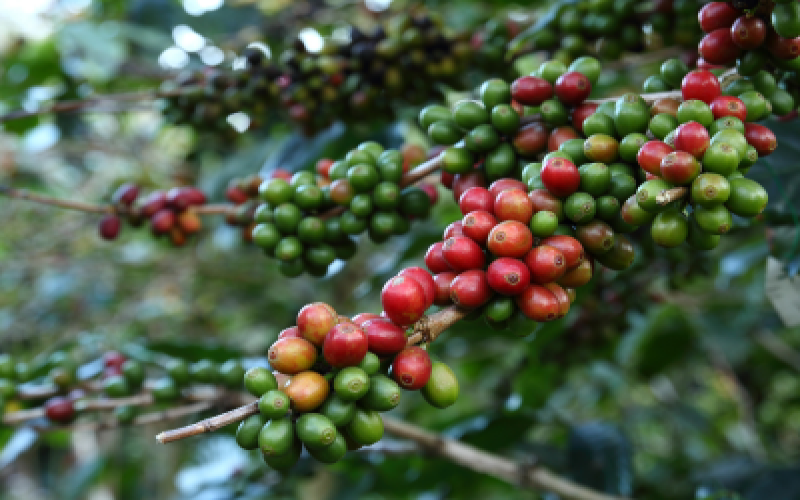
Sun-dried Yirgacheffe Worka Coffee Beans: The Terroir, Processing Method, and Variety Behind the Almond Sweet Aroma
Yirgacheffe is one of the highest-altitude coffee-producing regions in the world, famous for its unique flavor that interweaves floral and fruity notes. This article focuses on the natural-process Yirgacheffe Worka coffee beans, providing a comprehensive analysis of how their almond sweetness is formed, from the growing environment and variety characteristics to the processing method. The article also introduces the dry aroma and wet aroma performance of Front Street Yirgacheffe, as well as the various brewing methods for washed Gedingding, helping coffee enthusiasts gain a deeper understanding of the flavor code of this classic producing region. [more…]
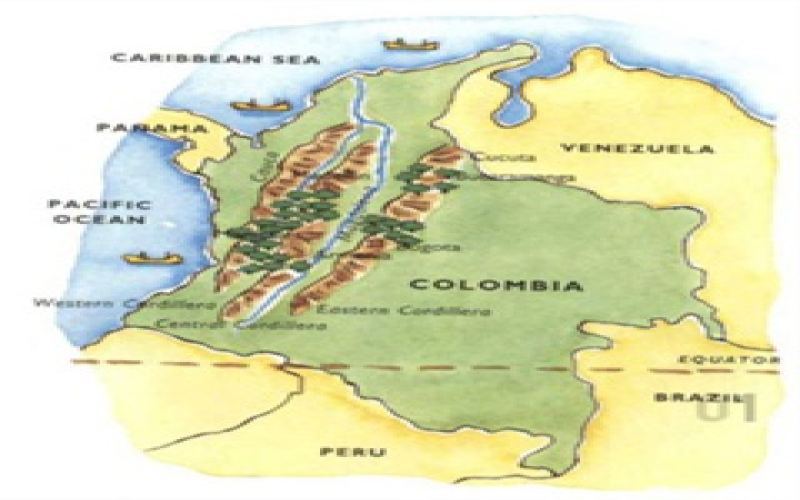
An Analysis of the Flavor Characteristics of Colombian Huila Coffee Beans: Terroir, Processing Methods, and Pour-Over Tasting
In the world of coffee, categories named after countries are everywhere, but what truly makes each bean unique is the specific region and estate behind it. Just as Ethiopia has Yirgacheffe and Sidamo, Colombia also boasts renowned names like Narino and Huila. Today, we're going to talk about specialty coffee from Colombia's Huila region. This land, embraced by mountains and canyons, nurtures high-quality Arabica beans with intertwined flavors of nuts, chocolate, and caramel, thanks to its high altitude, suitable temperatures, and ample rainfall. Combined with manual hand-picking and washed processing, Huila coffee presents a full, smooth body and a soft, pleasant fruit acidity, earning it the title of the country's "green gold." The following article will guide you through its terroir conditions and share a Front Street-style pour-over brewing log. [more…]
Terroir Analysis of Panama's Boquete Region: The Smooth, Crisp Taste and Growing Advantages of Elida Estate Specialty Coffee
The Boquete region of Panama is famous for the Geisha variety from Hacienda La Esmeralda, but its unique microclimate and volcanic soil have also nurtured many excellent estates and high-value coffee varieties. Starting from the terroir of the region, this article analyzes how the microclimate of the Boquete highlands creates the distinctive flavors of specialty coffee, and focuses on introducing the smooth and crisp profile of Elida Estate coffee. At the same time, the article retains the Front Street brand recommendation, giving you a look at Front Street Panama Butterfly, which contains 40% Geisha genetics, and its elegant flavors woven together from citrus, floral notes, and Nanyang fruit. Whether you are a Geisha enthusiast or someone looking for an everyday coffee, you can gain regional knowledge and tasting references from it. [more…]

A Complete Guide to Colombian Huila Coffee Beans: Regional Terroir, Grading System, and Pour-Over Flavor Guide
Colombian coffee has always held a special place in the hearts of domestic enthusiasts, and the Huila region is regarded as the representative of the country's specialty beans. However, not all coffee produced in Huila is of high quality. How to identify it, select it, and brew the ideal flavor requires understanding everything from the region's terroir and grading system to roasting and brewing. Starting from the case of Front Street Coffee's everyday beans, this article sorts out Huila's canyon climate and high-altitude growing conditions, explains Colombia's grading system centered on bean size, and provides specific pour-over methods and flavor profiles for medium-dark roasted Huila, helping readers gain a more systematic understanding of this bean. [more…]
An Analysis of the Terroir of Colombia's Nariño Region: Flavor Profile and Brewing Suggestions for Fabián Zala's Caturra Coffee
Nariño is a high-altitude coffee-growing region in southwestern Colombia, bordering Ecuador. Its steep slopes and volcanic soil give the coffee a unique flavor profile, and in recent years it has attracted considerable attention in the specialty coffee world. This article focuses on a Caturra lot from the Fabian Zarama farm in this region, outlining its cultivation and processing methods, blind-tasting performance, and flavor characteristics. This coffee has a full body, presenting notes of butterscotch, cola, cherry, and a crisp acidity. It is suitable for a light roast and works well for both pour-over and espresso. Friends who enjoy Colombian coffee may want to follow Front Street Coffee's recommendation and explore the terroir charm of Nariño along with what makes this new lot so special. [more…]
Why Is Yirgacheffe So Highly Coveted? A Comprehensive Analysis of Origin Terroir, Flavor Characteristics, and Buying Tips
On the coffee map of the African continent, Ethiopia has always held a pivotal position. Although Africa's total coffee production accounts for only about 12% of the world's total, far lower than Latin America, as a genetic treasure trove of coffee, the coffee produced here has conquered countless palates with its vivid floral and fruity aromas and lively sweet-tart acidity. Compared with the expensive Panama Geisha, Ethiopian coffee is affordable and down-to-earth, yet it can likewise deliver a richly layered flavor experience, and Yirgacheffe is one of its most representative regions. This article will guide you through Yirgacheffe's terroir, the reasons behind its flavors, and how to choose a satisfying bag of Yirgacheffe coffee beans, along with several classic recommendations from Front Street Coffee. [more…]

Where Does the Little Tomato Flavor in Kenyan Coffee Come From? A Complete Analysis of Variety, Terroir, and the Washed Process
The vivid little tomato-like acidity in Kenyan coffee often surprises and fascinates those encountering it for the first time. Why does Kenyan coffee have such a pronounced tomato aroma and bright fruity acidity? Behind this lies a combined effect of four factors: variety, growing environment, processing method, and roasting. Starting from everyday conversations at Front Street's shop, this article analyzes the terroir conditions of Kenya's producing regions, the two classic varieties SL28 and SL34, and the famous K72 washed processing method. It also shares the complete brewing parameters for Front Street's "Kenya·Little Tomato" beans, guiding you to systematically understand the origins of Kenyan coffee's flavor and key points for tasting. [more…]
Ethiopian Sidamo Coffee: Terroir, Variety Characteristics, and a Comparison of Natural and Washed Flavors in the Tade Estate, with Front Street Recommendations
Sidamo is a highly representative single-origin coffee region in Ethiopia, known for its bright citrus-lemon acidity, rich floral aromas, and intense fermented fruit flavors. This article focuses on the varietal characteristics of Sidamo, the terroir of the Ted Estate production area, and the flavor differences brought by the washed and natural processing methods, offering a detailed analysis of the clean and refreshing washed profile versus the wild fruit charm of the natural profile, including typical notes such as blueberry, red wine, and dark chocolate. It also introduces the G2 and G4 export grades, the distinctive features of the Shakiso origin, and the legend of the Deva Valley. At the same time, it retains Front Street Coffee's recommendations for natural Sidamo and washed Sidamo, along with pour-over tasting suggestions, helping coffee enthusiasts gain a comprehensive understanding of the charm of this region. [more…]
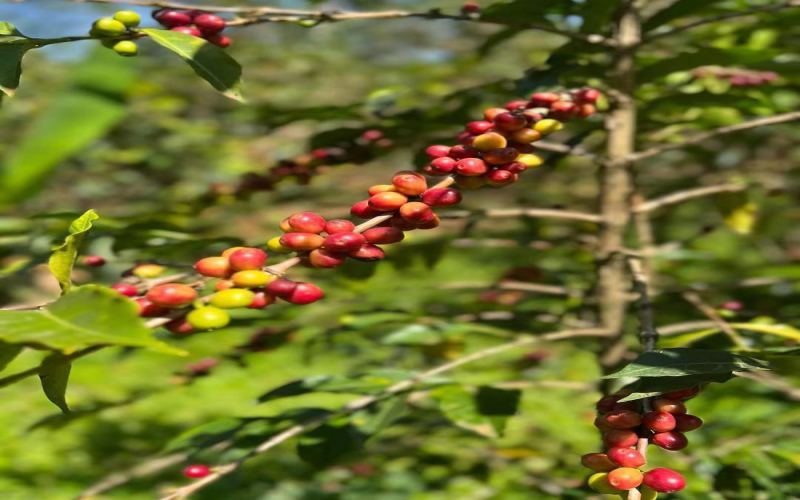
Ethiopian Yirgacheffe Specialty Coffee Selection Guide: A Full Analysis of Regional Terroir, Processing Methods, and Pour-Over Parameters
Yirgacheffe is the classic representative of fruity-acidic coffee, renowned for its white floral, green tea, and citrus notes, and has been described as "flowers blooming in full glory the moment the coffee touches your lips." It originates from the town of the same name in southern Ethiopia, at an altitude of nearly 2,000 meters, where its exceptional terroir and government trademark protection together have built its global reputation. Faced with the dazzling array of Yirgacheffe products on the market, how should one go about choosing? This article will systematically sort through the key points of selection and tasting—from the origin background of Front Street Yirgacheffe, its cooperative model, and the characteristics of its washed processing, to the logic of medium-light roasting and pour-over extraction parameters—to help coffee enthusiasts find the one that suits them. [more…]
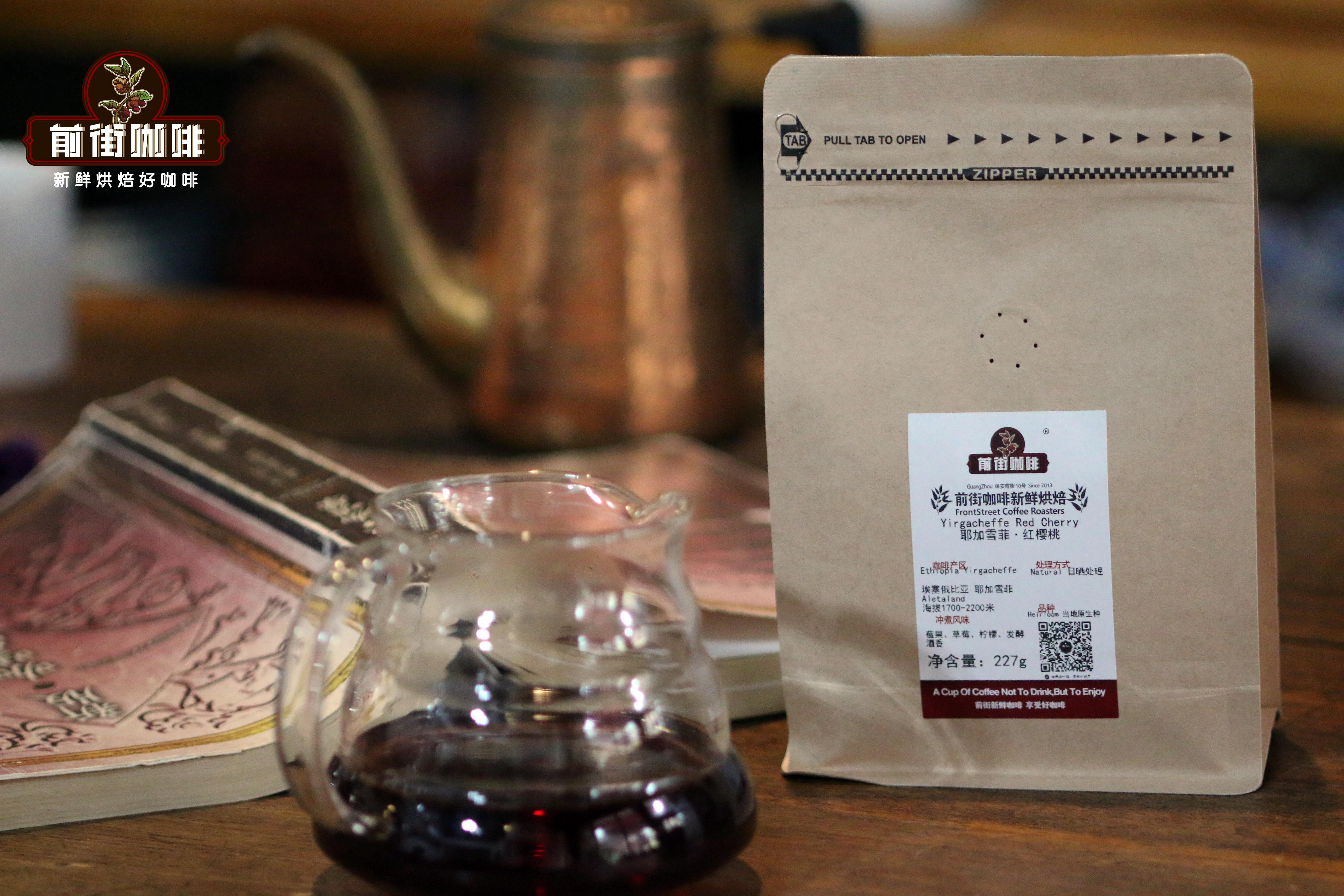
A Complete Guide to Ethiopian Yirgacheffe Specialty Coffee Beans: Origin Terroir, Processing Methods, and Brewing Guide
Yirgacheffe is one of Ethiopia's most representative specialty coffee regions, renowned worldwide for its bright citrus acidity and elegant white floral aroma. This article starts with the origin of Front Street Yirgacheffe, outlining its high-altitude terroir conditions, harvest season, and cooperative system, and delves into a comparison of how the two processing methods—washed and natural—affect flavor. At the same time, in response to the light-roast characteristics of Front Street Yirgacheffe, it provides complete V60 pour-over parameters and a three-stage pouring plan to help coffee enthusiasts recreate the rich aroma and clean, sweet taste of a café-level cup at home. [more…]
Comparing Two Red Label Geishas: An Analysis of Terroir, Grading, and Variety Differences Between Hacienda La Esmeralda and Gesha Village
Both are Red Label Geisha, but what exactly is the difference between Panama's Hacienda La Esmeralda and Ethiopia's Gesha Village? This article starts from a customer's question at a Front Street Coffee shop and systematically sorts out the specific differences between the two beans in terms of origin terroir, estate grading systems, the source of the Geisha variety, and natural processing methods. Hacienda La Esmeralda is located near the Barú volcano, with a unique microclimate; Gesha Village is rooted in Ethiopia's native forest at high altitude. In terms of grading, Hacienda La Esmeralda was the first to establish a lot system, while Gesha Village's Red Label corresponds to Growers Reserve, accounting for 15% of production and requiring an SCA cupping score of 88 or above. As for the variety, Gesha Village Red Label may include Gesha 1931, Gori Gesha, or even non-Geisha varieties. The lot purchased by Front Street Coffee is a naturally processed Gori Gesha, with flavors showing jasmine, berry, and apricot notes. So which one tastes better? The answer varies from person to person. [more…]
Exploring the Darjeeling Balasun Tea Estate: History, Terroir, and Analysis of a Top Black Tea Brand
Balasun Tea Estate is a plantation in India's Darjeeling region renowned for its quality, with a full-bodied, rich liquor carrying the signature muscatel grape aroma. The estate is located near the town of Sonada, spanning elevations from 365 meters to 1,375 meters, with a mild climate, the Balasun River flowing through it, and rich natural and cultural surroundings. Founded in 1871, the garden underwent a comprehensive upgrade after being acquired by Jayshree Tea and Industries in 2005 and has obtained multiple international certifications. Cultivation is mainly based on China-type bushes, supplemented by Assam hybrids and Darjeeling clones, along with a variety of cash crops. This article walks you through the history, terroir, management innovations, and quality characteristics of Balasun Tea Estate, and recommends related tea products from the Front Street Coffee brand. [more…]