








How Do Panama Geisha and Gesha Village Red Labels Differ?
Both are red-label Geisha, but Panama's Hacienda La Esmeralda and Ethiopia's Gesha Village differ in terroir, grading and variety. Esmeralda sits near Baru Volcano in Boquete, Chiriqui, with fertile soil, year-round mist and ample rain. Gesha Village lies in Ethiopia's Bench Maji forest, where even the lowest plots exceed 1,900 meters.
Esmeralda was the first to establish a lot system. Gesha Village's red label corresponds to its Growers Reserve, about 15 percent of production, requiring an SCA cupping score of 88 or above. Its red label may contain Geisha 1931, Gori Geisha, or even non-Geisha varieties. Which tastes better varies by person.
Both are red-label Geisha, but what exactly is the difference between Panama Esmeralda Estate and Ethiopia Gesha Village products? Starting from a customer question at Front Street Coffee, this article systematically sorts out the specific differences between the two beans in origin terroir, estate grading systems, sources of the Geisha variety, and sun-dried processing methods. Esmeralda Estate is located near Baru Volcano, with a unique microclimate; Gesha Village is rooted in Ethiopia's native forest, at towering altitude. In grading, Esmeralda Estate was the first to establish a lot system, while Gesha Village's red label corresponds to Growers Reserve, accounting for 15% of production and requiring an SCA cupping score of 88 or above. In terms of variety, Gesha Village red label may include Geisha 1931, Gori Geisha, or even non-Geisha varieties. The lot purchased by Front Street Coffee is sun-dried Gori Geisha, with flavors showing jasmine floral notes, berry, and apricot tones. Which one actually tastes better? The answer varies from person to person.

Not long ago, a customer walked into Front Street Coffee and ordered a pour-over, specifically asking for red-label Geisha. Front Street Coffee told them that currently two red labels were available, Esmeralda Estate and Gesha Village, and asked which one they wanted to drink, but the customer threw back a question: which one tastes better? That being the case, Front Street Coffee will today take everyone through a careful comparison of these two "red-label Geisha" to see exactly what differences exist between them.
Different origins naturally mean different terroir conditions.
Esmeralda Estate "La Esmeralda" is located in the Boquete production area of Chiriqui Province, Panama. The terrain is high and steep, close to Baru Volcano, making the soil especially fertile. It is covered by mist year-round, with ample rainfall, and its unique microclimate provides ideal conditions for coffee cultivation.
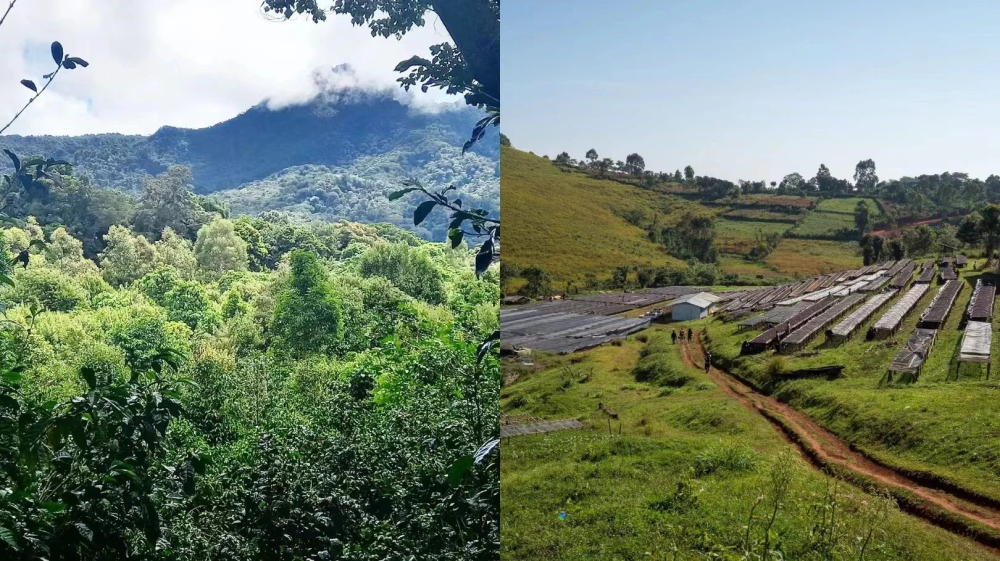
The full name of Gesha Village Coffee Estate is "Gesha Village Coffee Estate," located at the westernmost edge of Ethiopia in Africa, hidden in the dense wild jungle of the Bench Maji region. This is a typical high-altitude area of Ethiopia, and even the lowest plots exceed 1,900 meters. Standing in Gesha Village, one can gaze into the distance at the magnificent scenery of ancient forest.
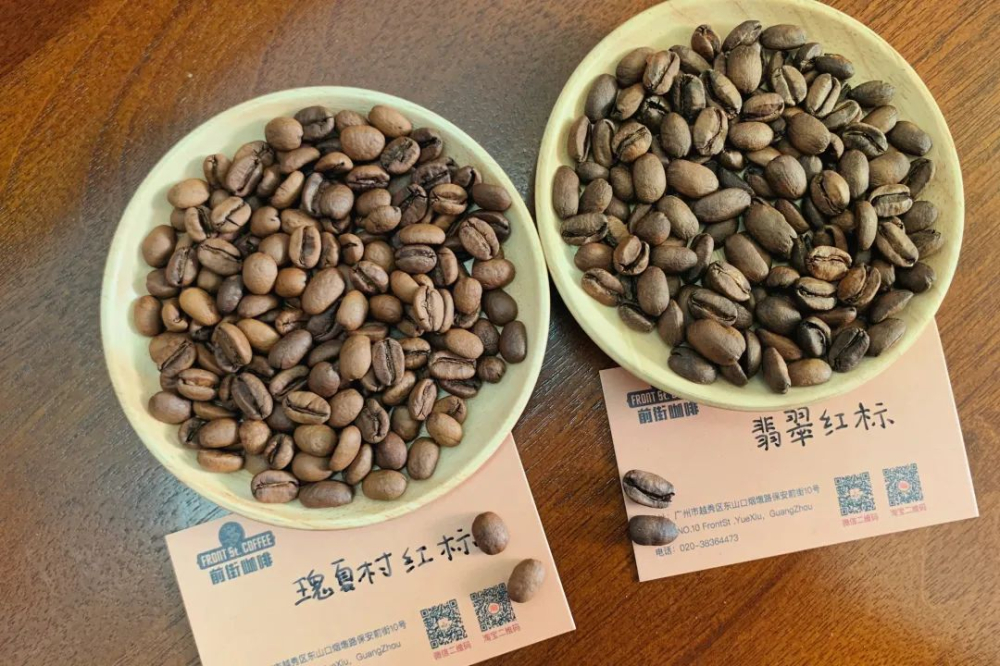
Check the grade: this red label is not that red label.
Although both beans are classified as "red label" in China, they actually come from two completely different grading systems on two estates.
Friends familiar with "the road to Geisha fame" should know that Esmeralda Estate is not only the discoverer of Geisha's flavor, but also its promoter, and moreover the pioneer in branding top-tier Geisha. After Geisha became famous overnight, the Peterson family, the estate owners, realized the importance of refined plot management and were the first to implement lot grading on the estate. Based on cupping performance, plot, altitude, and other indicators, Geisha is divided into three grades.
Obviously, Gesha Village's grading system borrowed directly from the commercial model established by Esmeralda Estate. The estate owners analyzed differences in plant traits and microclimate conditions, selected the most suitable variety for each plot, and numbered them one by one for later traceability.
According to Gesha Village's internal classification standards, the coffee produced is divided into five tiers: Auction, Gold, Red, Green, and Chaka. The official name of the red label is "Growers Reserve." This lot accounts for 15% of the estate's total production and must score 88 or above in SCA cupping. It can thus be seen that "red label" here is not Gesha Village's highest-grade product.
Check the "household registration": the Geisha variety is also different.
Front Street Coffee has previously introduced in an article that Geisha, which won competitions and became a world-renowned specialty bean, was found through sample comparison to have been collected in the 1930s from the Gesha forest near the Kaffa forest in southwestern Ethiopia. It was later cataloged by CATIE as "geisha T2722" as a fungal-resistant variety.
Because genetic comparison technology was lacking at the time, Gesha Village's variety selection work was led by Willem Boot. The estate owner Adam selected from the vast Gesha forest by referring to the plant morphology and flavor performance of Panama Geisha. These discovered Geisha varieties were not verified and confirmed to be the original T2722.
In addition, Gesha Village cultivates three varieties, including Geisha 1931, Gori Geisha, and one non-Geisha variety, Illubabor. As long as they meet the standards set internally by the estate, they can be classified as "Gesha Village Red Label." Therefore, coffee beans may also appear on the market at the "red label" grade that are completely unrelated to the Geisha variety.
The Gesha Village red-label lot purchased by Front Street Coffee belongs to the Gori Geisha variety, discovered by estate owner Adam in the Gori forest near the estate. Because he felt it was very similar to the Geisha plant, he brought it back for cultivation and named it "Gori gesha." Compared with Panama's T2722, it is closer to the native Ethiopian Geisha variety.
Both are sun-dried, so which tastes better?
To dry the coffee cherries more evenly, Esmeralda Estate's sun-dried bean production uses a combination of traditional patio drying and electric Guardiola dryers. The Guardiola allows constant-temperature hot air to flow around the beans, thereby removing moisture evenly and presenting more consistent floral and fruity flavors.
Gesha Village's main harvest season is from December to March of the following year, during the dry season, when rainfall is scarce, so the estate can use raised drying beds as a natural drying method. Compared with the relatively hot and humid processing season in Central and South America, Gesha Village's sun-dried processing more easily highlights clean, natural sun-dried flavors.
As for the sun-dried Gori Geisha from Gesha Village's red-label lot, it not only has light jasmine floral notes and is rich in berry and apricot fruit tones, but also adds the bright, uplifting acidity of African coffee. The mouthfeel is round and creamy, and the caramel finish is reminiscent of toffee.
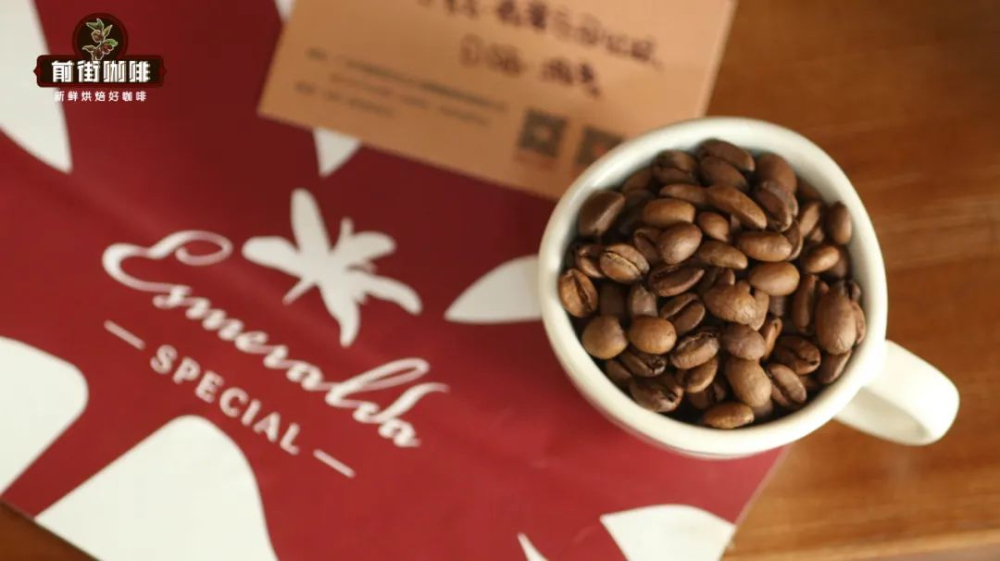
Finally, returning to the question from the friend at the beginning of the article: which red label tastes better? Front Street Coffee can only answer: every man has his hobbyhorse.
The above content is compiled by CoffeeHunters, a coffee news website.


