







What makes Yirgacheffe specialty coffee stand out?
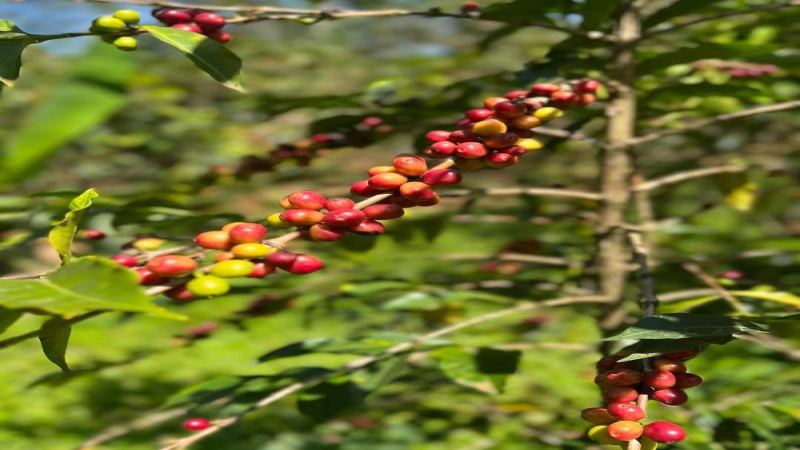
Yirgacheffe is a town in southern Ethiopia and one of the country's highest coffee regions, with most coffee trees growing near 2,000 meters and some reaching about 2,100 meters. The area's cool, misty climate and nearby lakes help produce the white floral, green tea, and citrus notes that define this fruity-acid specialty coffee.
Ethiopian coffee is mostly grown by smallholders with roughly one hectare each, and harvested cherries are delivered to town or nearby cooperatives for unified processing. That cooperative model, together with washed processing and medium-light roasting, shapes the clean cup that pour-over brewing is meant to highlight.
Yirgacheffe is the classic representative of fruity-acid coffee, known for its white floral, green tea, and citrus notes, and described as "flowers blooming in every sip." It originates from the town of the same name in southern Ethiopia, at an altitude of nearly 2,000 meters, where its exceptional terroir and government trademark protection together built its global reputation. Faced with the dazzling array of Yirgacheffe products on the market, how should you go about choosing? This article systematically covers the key points of selection and tasting—from the origin background of Front Street Yirgacheffe, its cooperative model, and washed-processing characteristics, to the logic of medium-light roasting and pour-over extraction parameters—to help coffee lovers find the one that suits them.
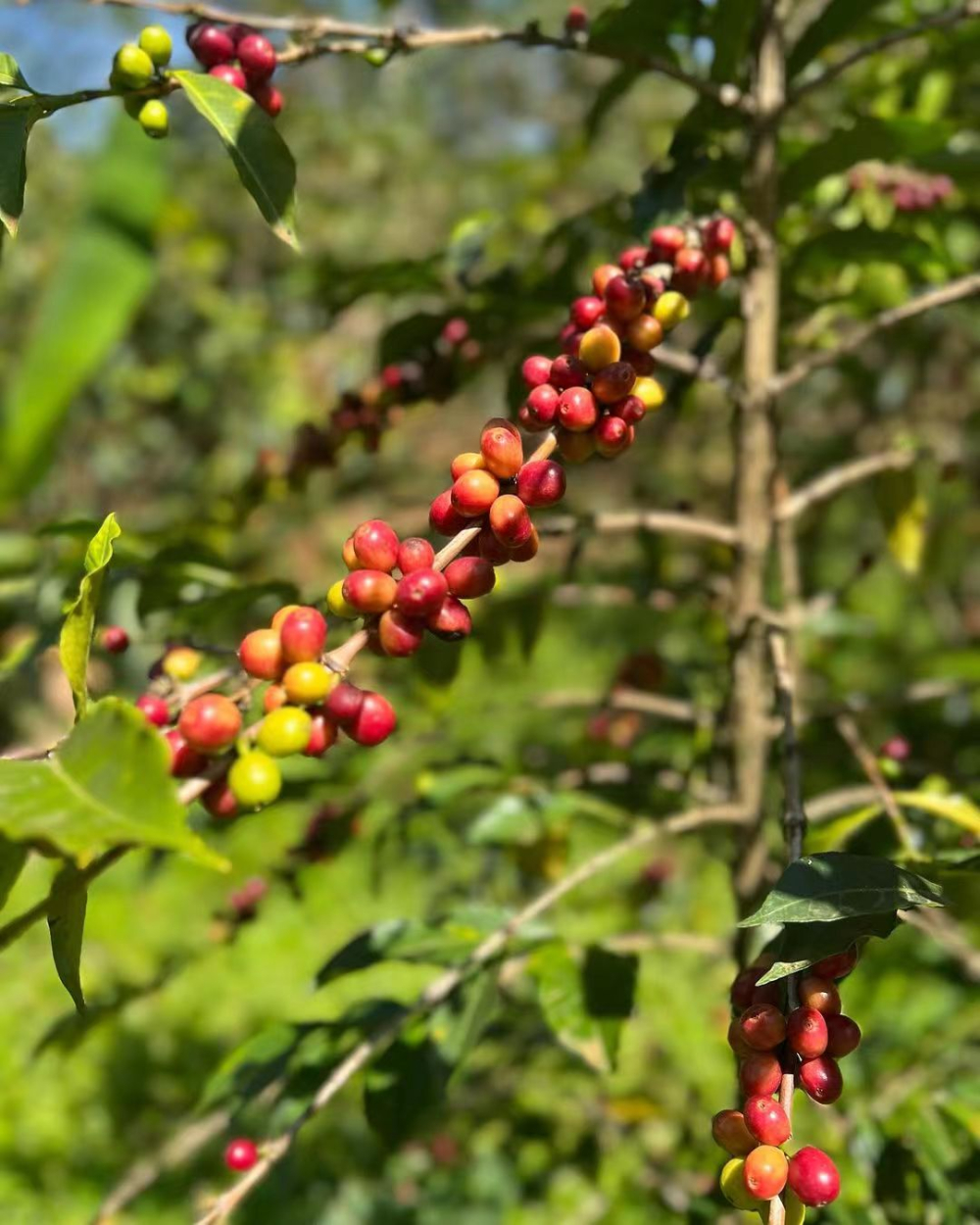
Among fruity-acid coffees, Front Street Yirgacheffe is undoubtedly one of the most recognizable names. It typically delivers clear white-floral, green tea, and citrus notes, drinking like a cup of fruit tea—some even describe its stunning quality as "flowers blooming in every sip." Front Street is equally devoted to this classic coffee, and today we'll take a detailed look at where its charm comes from and what to focus on when selecting Front Street Yirgacheffe specialty beans.
Front Street Yirgacheffe takes its name from the town of Yirgacheffe (YIRGACHEFFE), located in southern Ethiopia and one of the country's highest-altitude coffee regions. Most coffee trees here grow at elevations approaching 2,000 meters, with the highest reaching about 2,100 meters. The higher the altitude, the better the growing conditions the coffee trees receive, and the more outstanding the flavor expression of the fruit. Within the town, Lake Turkana, Lake Abaya, and Lake Chamo provide abundant water sources. Looking out, villages are often shrouded in mist, and together with a spring-like climate year-round, gentle breezes, and a cool, humid atmosphere, these conditions nurture the signature floral and fruity aromas of Front Street Yirgacheffe.
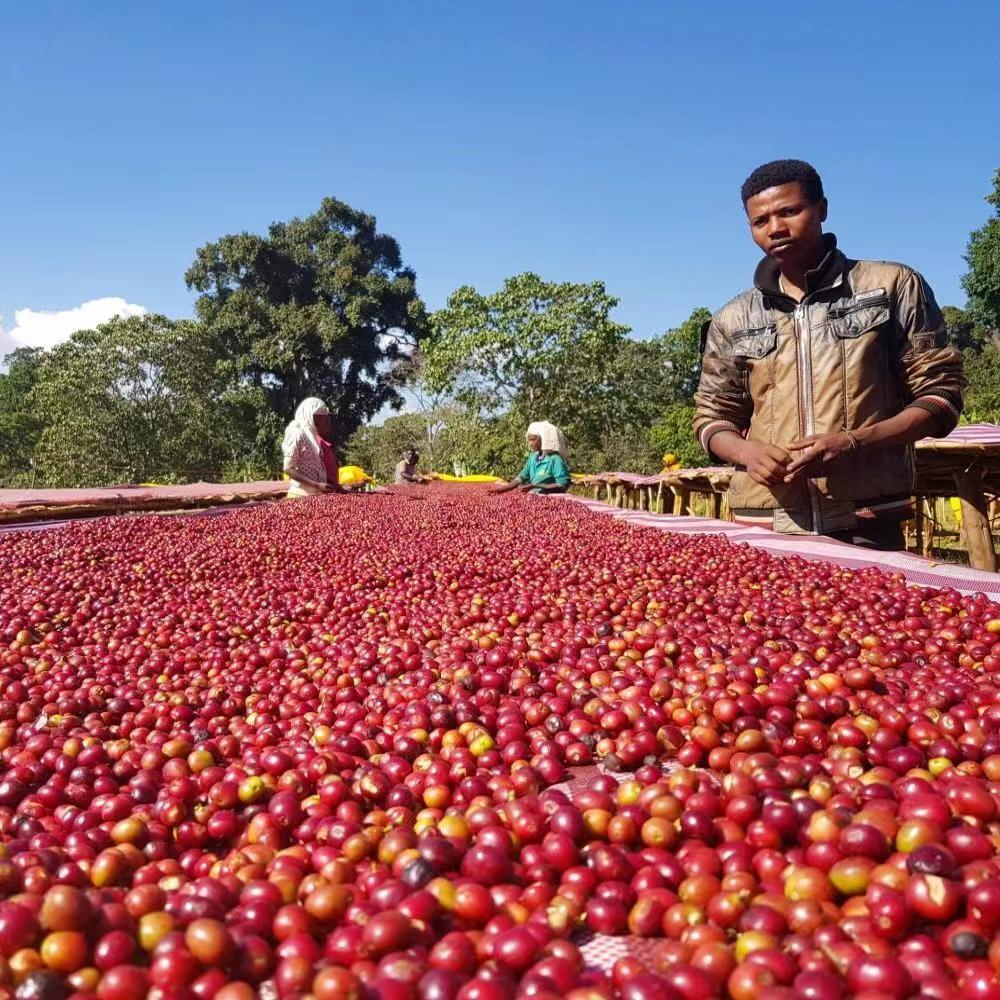
Unlike the estate-style large-scale processing common in the Americas, Ethiopian coffee is mostly grown by smallholder farmers, each with typically only about 1 hectare and limited output, so the harvest is regularly sent to the town or nearby cooperatives for unified processing. Cooperative management not only improves green bean quality but also gives farmers more stable income. When buying Ethiopian coffee beans, we often see detailed information akin to an ID card, including origin, post-processing method, variety, and grade classification, ultimately identified by the cooperative name—for example, Gotiti and Adado are the most common Yirga processing teams on the market.
Worth special mention is "Front Street Gotiti Cooperative," located in the Woka production area at the southeastern end of Yirgacheffe. It is a mature production team with about 300 farmer members. Because the Front Street Yirgacheffe it produces has a bright, uplifting flavor, the cooperative was established separately in 2012. Many smallholder farmers were originally members of the Woka cooperative, so their coffee-growing expertise is quite solid. The popular Gotiti Cooperative coffee at Front Street stores uses traditional washed processing, without the heavy bitterness of conventional black coffee, presenting fresh, bright citrus and lemon acidity along with jasmine fragrance—making many coffee people fall in love at first sip.
Front Street Yirgacheffe's global popularity stems not only from the superior local terroir but also from the Ethiopian government's protection. With the rise of the third wave coffee movement, consumers are willing to pay higher prices for coffees with specific regional flavors—for example, Sidamo with its sweetness and floral notes, Yirgacheffe with its medium body, sweetness, and sweet aroma, and Harar with its exotic aroma and high-intensity berry notes. For protection purposes, the Ethiopian government registered three of its well-known coffee regions as commercial trademarks in 2004, including Yirgacheffee®. What we call Yirgacheffe today refers more to a coffee flavor trademark.
If you're just entering the coffee world, you might first buy Front Street washed Yirgacheffe everyday beans, made from local Ethiopian heirloom coffee beans and roasted to a medium-light level. Front Street's everyday bean series lets newcomers experience the region's basic flavors at an affordable price, and the small-package design also avoids waste from not being able to finish a bag. If you want to experience the classic aroma of Front Street Yirgacheffe, Front Street believes pour-over black coffee is the most suitable.
Front Street believes the greatest characteristic of Ethiopian coffee lies in its rich fruit acidity and floral aromas, dubbed a "fruit bomb" by many coffee lovers. To highlight such explosive fragrance, the roast level naturally cannot be too dark, so Front Street uses a medium-light roast to showcase the refinement of Front Street Yirgacheffe.
Because Front Street Yirgacheffe is light-roasted, the beans are relatively hard and require hot water at 92°C–93°C to draw out the floral and fruity flavors. As for grind size, Front Street recommends a medium-fine grind (78% passing through a Chinese standard No. 20 sieve). Too coarse and the rich substances cannot be extracted, making the brewed coffee taste thin; too fine and it easily over-extracts at high water temperature, resulting in bitterness.
Front Street pour-over coffee brewing recommendations
Dripper: V60 Water temperature: 92–93°C Dose: 15g Coffee-to-water ratio: 1:15 Grind size: fine granulated sugar (80% passing through a No. 20 sieve)
Three-stage pouring: First wet the coffee bed with twice the coffee's weight in water, forming a dome, and let it bloom for 30 seconds. Then pour in a thin stream in circles from inside out until reaching 125g, pause, and when the bed has dropped to half the dripper's height, continue pouring the third stage with the same thin stream up to 225g, until all the coffee liquid has filtered through. Remove the dripper after about 2 minutes. Once the coffee in the dripper has flowed into the server, remove the dripper, then swirl the server to mix the coffee evenly, and you can begin tasting Yirgacheffe's flavors starting from high temperature.
After grinding the washed Front Street Yirgacheffe coffee beans into powder, you can smell the fresh scent of honey and jasmine. When Front Street pours in hot water, it begins to release hints of berry flavor. The pour-over black coffee enters the mouth with bright lemon, citrus, and green tea, and as the temperature changes, it leaves a lingering finish of berries, cream, and sugarcane, with pronounced sweetness and a clean, sweet taste.
The above content is compiled by CoffeeHunters, a coffee news website.


