







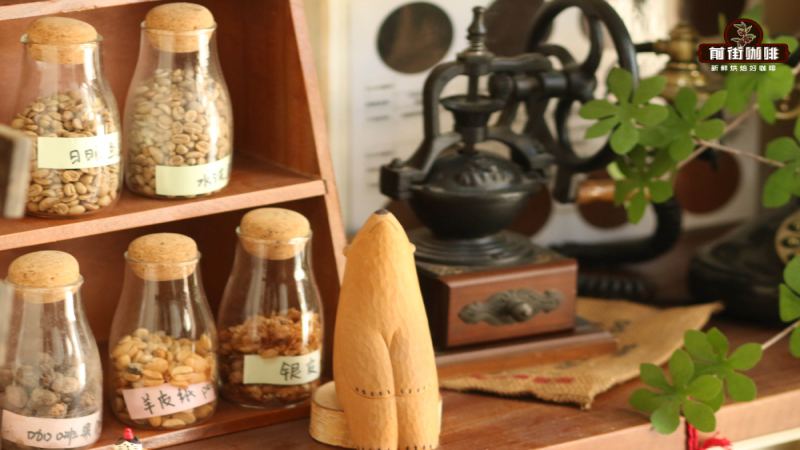
Ethiopia, as the birthplace of Arabica coffee, nurtures diverse coffee flavors through its unique terroir. From the wild natural Sidamo to the delicate washed Yirgacheffe, each bean carries the climate, soil, and processing methods of its region. This article takes you into the world of Ethiopian coffee, analyzing the flavor differences between Sidamo and Yirgacheffe, the evolution of processing methods, and several representative beans recommended by Front Street Coffee, including the cupping performance of Gutingding and Red Cherry, along with Front Street's brewing parameter suggestions to help coffee enthusiasts more fully understand the acidity and sweetness layers of Ethiopian coffee.
For more specialty coffee knowledge, please follow: Front Street Coffee (Frontsteet Coffee)
Ethiopia, also often called Ethiopia (Ethiopia), is internationally recognized as the birthplace of Arabica coffee, and this country enjoys extremely high popularity in the global coffee community. Many people just getting into pour-over coffee may initially only order a latte at a café. Until one day, a seasoned coffee enthusiast as a "guide" recommended they try Ethiopian pour-over, and that iconic citrus and berry acidity instantly conquered the novice's originally picky palate.
The concept of "terroir" can be traced back to the Cîteaux Abbey in Burgundy, France. Through repeated practice, the monks discovered a secret about flavor: grapes grown in different plots produce wines with different flavors. And terroir does not belong only to the world of wine; it also holds true in the coffee field.
Because Ethiopia's growing environment is special, its local coffee has a unique flavor distinct from other regions. Ethiopia is home to multiple coffee-producing regions, each with different climate and soil conditions, thus shaping diverse styles of Ethiopian coffee on the basis of bright acidity.
On the menus of many specialty coffee shops, Ethiopia's Sidamo and Yirgacheffe are almost never absent. Front Street Coffee's bean list also includes multiple coffee beans from these two regions, and many beginners like to compare and taste natural Sidamo with washed Yirgacheffe.
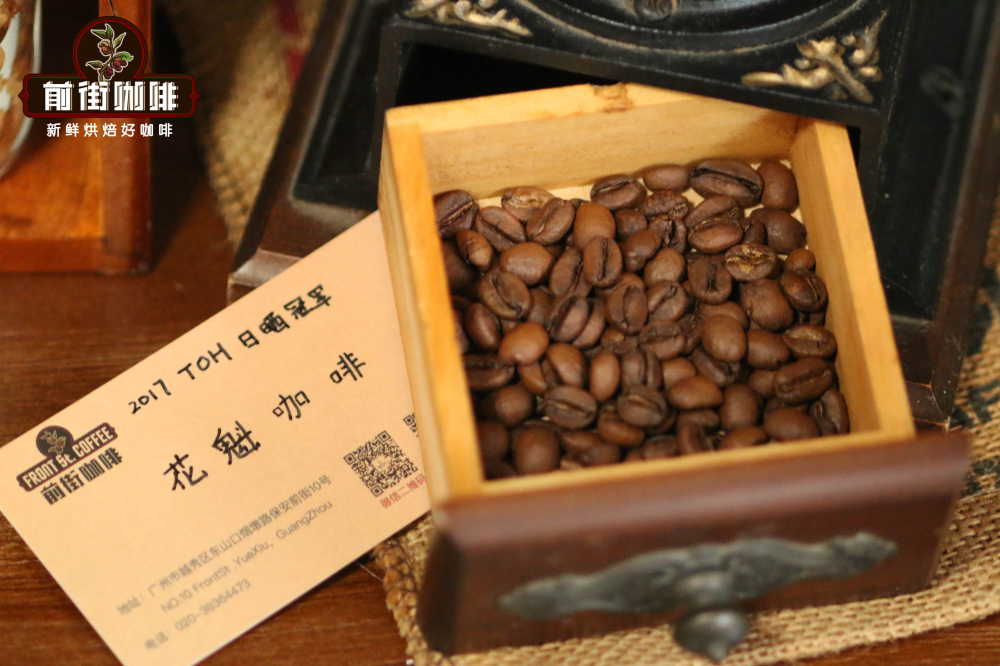
Among the many natural Sidamo coffees, there is a bean from the Hambela sub-region that has become a hot topic in the coffee community every year since 2017. In 2017, Ethiopian company DW sent a batch of natural beans from the Buku Abel processing station in Hambela to the TOH competition and won the championship in the Ethiopian region.
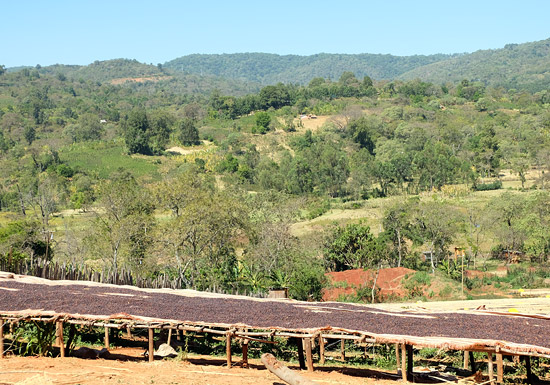
That same year, green bean merchant Hongshun imported the same batch of green beans and named it "Huakui," meaning the first among a hundred flowers. In the 2017 World Brewers Cup China region, a competitor used the same batch of Huakui and won second place. At that moment, people realized that what defeated multiple Panamanian Geisha competitors was actually a natural bean from Ethiopia.
Front Street Coffee has cupped and compared beans from different regions and processing methods over the years and believes that natural Sidamo has a rich berry cream flavor. But such a bold style is not suitable for everyone. Front Street has also met some longtime customers who drank natural Sidamo year-round and one day wanted a change of taste, so they would choose the neighboring Yirgacheffe region.
The characteristic of Yirgacheffe coffee beans lies in their delicate, bright, and fresh taste. Because Yirgacheffe coffee flavors carry a unique white floral note, this region is often regarded as the holy land of Ethiopian coffee and a favorite of many enthusiasts.
In the early years, Yirgacheffe, like other Ethiopian regions, used the most traditional natural processing method to process green beans. It was not until the 1970s that the Ethiopian government and growers, in order to improve green bean quality and sell at better prices, introduced the washed processing method from South America.
After harvesting, the coffee fruit is first depulped, then the parchment beans with mucilage layer are placed in a tank, lightly fermented with clean water, and then stirred. Using the impact between water and beans as well as the friction among the beans, the mucilage layer is washed clean, and finally the beans are spread on raised beds to dry in the sun.
Coffee processed this way, because excess sugars in the pulp and mucilage do not participate in the processing, can more fully express "terroir" in flavor. The unique fresh white floral note in Yirgacheffe coffee is also brought out.
For a time, growers throughout the Sidamo region told buyers that what they were selling was Yirgacheffe. Because Yirgacheffe's flavor is indeed clearly different from Sidamo, and also to stop this practice of misrepresentation, Yirgacheffe eventually became independent from the Sidamo region.
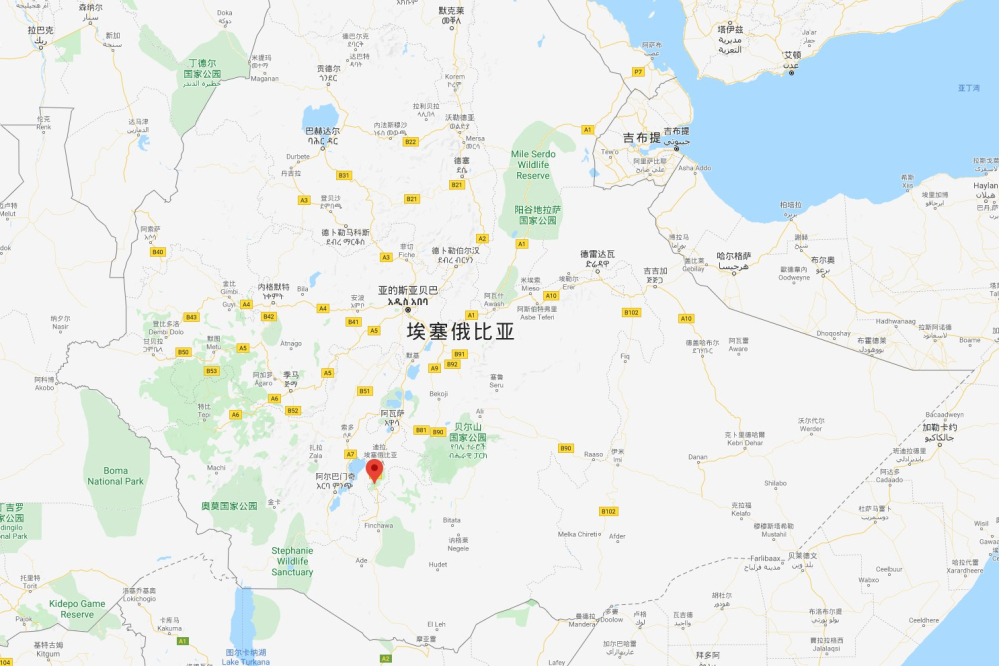
In recent years, with the continuous improvement of natural processing techniques, natural Yirgacheffe not only retains its own characteristics but also improves in sweetness. The processing stations in the Yirgacheffe region are strong, and with exquisite processing techniques, they present their respective unique flavors to the public.
As an iconic African region, Yirgacheffe holds a place in Front Street Coffee's daily drinking bean series. Front Street's daily drinking series covers seven iconic regions, mostly using washed processing, helping beginners quickly understand the characteristics of each region at an affordable price. Front Street Coffee's daily drinking Yirgacheffe coffee beans show citrus acidity, jasmine fragrance, and caramel sweetness.
On Front Street Coffee's bean list, one-third of the section features Ethiopian coffee beans. Among the more than twenty Ethiopian beans, those from the Yirgacheffe region account for a relatively large proportion, and these beans mostly come from well-known processing stations, such as Gutingding, Worka, Konga, Kochere, and others.
Among Front Street Coffee's many Yirgacheffe coffees, the washed Gutingding and the natural Red Cherry are the two most frequently asked about.
Front Street Coffee: Ethiopia Yirgacheffe Gutingding
Region: Ethiopia Yirgacheffe
Cooperative: Gutingding Cooperative
Altitude: 2000–2100 meters
Variety: Local heirloom
Processing method: Washed processing
Gutingding Cooperative was established in 2012, independent from Worka Cooperative, which shows its processing techniques are not simple. When Front Street Coffee cups Gutingding, one can feel a rich apricot flavor, with a crisp sweetness, and a finish with a green tea-like texture, overall very fresh.
Front Street Coffee: Ethiopia Yirgacheffe Red Cherry
Region: Ethiopia Yirgacheffe
Estate: Aletaland Estate
Altitude: 1700–2200 meters
Variety: Local heirloom
Processing method: Natural processing
The Red Cherry on Front Street Coffee's bean rack comes from the Operation Red Cherry (ORC) of Dutch green bean merchant Trabacco. The harvested coffee fruit is all red cherries, meaning each fruit is fully ripe and has absorbed enough nutrients, with higher sugar content inside the fruit. On this basis, the whole fruit is retained for sun drying, allowing more sugars and aromatic substances to penetrate into the green beans. Front Street's natural Yirgacheffe allows you to taste more obvious white floral notes, as well as berry acidity similar to natural Sidamo, while carrying a hint of fermented wine aroma, with a lasting finish.
Friends who have drunk the beverages at Front Street Coffee stores often compare their own brewing results with Front Street's offerings, curious about what parameters Front Street uses to bring out the flavor of each coffee to the fullest.
Dripper: Hario V60
Water temperature: 91°C
Dose: 15 grams
Coffee-to-water ratio: 1:15
Grind size: 80% passing through Chinese standard No. 20 sieve
The coffee beans shipped by Front Street are freshly roasted within 5 days, and upon arrival usually have gone through a 4 to 7 day resting period. Even so, there is still plenty of gas inside the beans, which can inhibit flavor extraction. Front Street recommends blooming during brewing to help release the gas.
First pour 30 grams of hot water and bloom for 30 seconds, then pour in a thin stream from the center point while slowly circling to 125 grams; when the water level in the dripper drops to the point where the coffee bed is about to be exposed, continue circling and pouring to 225 grams, with a total extraction time of about 2 minutes.
Regarding extraction time, Front Street often receives this question: if there is still a lot of water in the dripper after 2 minutes, should it be cut off? Front Street does not recommend cutting it off. During coffee extraction, the beginning and middle stages obtain a large amount of acidic and sweet substances, while the later stage extracts more of the heavier flavor substances, such as tea-like notes, nuttiness, and woodiness. If cut off, the rich substances in the later stage such as tea-like notes will be missing, and the coffee flavor will be incomplete.
Of course, everyone has different preferences. Some prefer fruity sweet acidity, while others like a heavier tea-like body. You can make adjustments based on personal taste on top of the brewing parameters provided by Front Street Coffee.
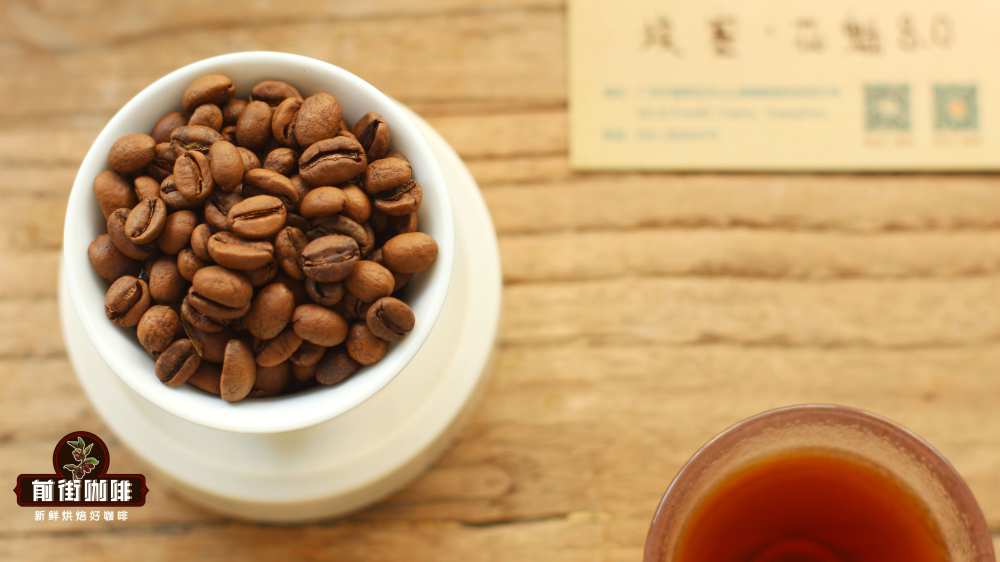
Different regions present different coffee flavors. Because Ethiopia has different growing soils, climates, and processing methods, the refined flavors it displays also vary greatly. Also in Ethiopia, Sidamo coffee is wild, while Yirgacheffe coffee is elegant; also in the Yirgacheffe region, natural is sweeter and more aromatic, while washed is fresher. Ethiopia can truly be called a paradise for coffee lovers.
For more specialty coffee knowledge, please follow: Front Street Coffee (Frontsteet Coffee)
The above content is compiled by CoffeeHunters, a coffee news website.


