







Search Results for: taste illusion

Why Does Turkish Sand-Brewed Coffee Seem Never to Run Out? A Complete Analysis from Brewing Principles to the Illusion of Endless Refills
Turkish coffee stands out as unique in the world of coffee, with both its brewing method and drinking customs differing greatly from modern mainstream coffee. Many people wonder: why does Turkish coffee in videos seem to pour forever? In fact, this is not truly an endless refill, but a visual illusion created by the unique brewing process and the camera angle. This article will guide you through the historical origins of Turkish coffee, the heat conduction properties of the Cezve copper pot, the dynamic relationship between foam and coffee liquid, and why the coffee will eventually run out after repeated pouring. At the same time, Front Street Coffee will also recommend related products in this article, allowing you to more intuitively experience the charm of this ancient coffee. [more…]

Coffee smells fragrant but doesn't taste fragrant when you drink it? Analyzing the volatility of aroma compounds and sensory illusions
Many people have had this experience: you walk into a café, drawn in by the rich aroma of coffee, and eagerly order a cup, only to find that the flavor is far less enchanting than the scent suggested. This contrast of "smells great, tastes bland" is actually closely tied to the mechanisms of human smell and taste, as well as to the volatility of the aromatic compounds in coffee. Starting from the principles of sensory perception, this article will explain the difference between orthonasal and retronasal olfaction, clarify why the aroma you smell and the flavor you taste do not match, and introduce you to the basic properties of coffee's aromatic compounds. [more…]
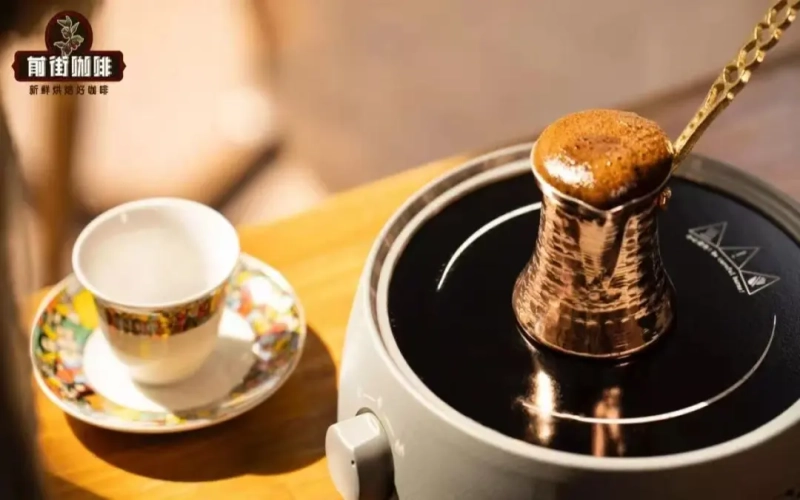
Why does Turkish sand-brewed coffee seem inexhaustible? A complete analysis of the brewing method and parameters
Turkish sand-brewed coffee is often given the magical label of "unlimited refills" online, with a copper pot repeatedly rubbed in hot sand, and the coffee liquid seemingly never running out. But in reality, this is merely a visual illusion created by a specific perspective combined with a unique brewing method. Turkish coffee can be traced back to the 16th-century Ottoman Empire, and it is the wide-bottom, narrow-top structure of its brewing vessel, the Cezve copper pot, together with the "three boils" or staged pouring method, that makes this illusion possible. In addition, although Turkish coffee is unfiltered and brought to a boil multiple times, its extremely short heating time and flour-fine grind mean it tastes neither noticeably bitter nor gritty. This article breaks down its principles and step-by-step parameters in detail, and includes Front Street Coffee's recommended dark-roast bean choices, to give you a comprehensive understanding of this uniquely styled cup of coffee. [more…]
Is There Really Umami in Coffee? Analyzing the Perception Mechanism and Tasting Misconceptions of the Fifth Taste
Sour, sweet, bitter, salty, and umami—among the five basic tastes, umami has always been a controversial topic in coffee. In the specialty coffee wave, "umami" occasionally appears in flavor descriptions, and the word has even been seen on the packaging of Front Street Coffee's Panama Geisha. Can coffee really taste umami? This article starts with the scientific origins of umami, sorts out the relationship between glutamate and taste thresholds, analyzes the essence of umami perception in coffee, and reveals how saltiness "disguises" itself as umami, helping you understand the complex layers of coffee flavor more accurately. [more…]
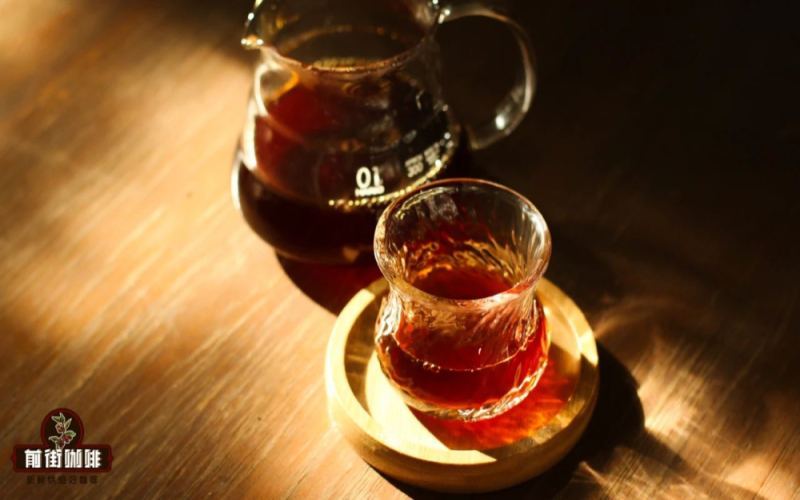
Yirgacheffe Flavor Profile Analysis and a Guide to Selecting High-Cost-Performance Hand-Brewed Beans
When it comes to coffee, most people first think of bitterness. However, as specialty coffee gradually entered the public eye, people were pleasantly surprised to discover that coffee need not be bitter at all—it can even display floral fragrances and fruity sweet-tartness. Yirgacheffe, produced in Ethiopia, is a classic representative of this style. It has a high-quality Arabica lineage, and after meticulous processing, it presents a bright, uplifting citrus acidity and a clear green tea finish. Unlike the stereotypical image of traditional bitter coffee, Yirgacheffe, with its layered floral aromas and lemony tartness, brings out coffee's flavors to just the right degree; drinking it often gives people the illusion of tasting tea, which is why the Japanese praise it as the queen of coffees. Faced with a dazzling array of Yirgacheffe products on the market, how to choose a cost-effective option has become a dilemma for many enthusiasts. This article starts with several representative beans from Front Street Coffee to provide purchasing references for coffee lovers at different stages. [more…]
The True Meaning of Coffee Sweetness: From Taste to Smell, Decoding How Extracted Compounds Influence Sweetness Perception
Have you ever walked into a café, ordered a cup of coffee that's "a little sweeter," only to be handed a dark, bitter liquid while the barista insists it has high sweetness? The "sweetness" of coffee actually has two dimensions: objective sweetness intensity and subjective perceived sweetness. Sweetness intensity depends on variety, processing method, and roast profile, while perceived sweetness is closely tied to extraction technique and sensory sensitivity. This article breaks down the sources of coffee sweetness one by one—from taste balance and the sweet aftertaste that follows bitterness, to the "illusion of sweetness" created by retronasal olfaction—and recommends several Front Street Coffee beans with prominent sweetness to help you truly understand what baristas mean by "sweet." [more…]
Is Bulletproof Coffee Reliable for Weight Loss? Three Major Reasons It's Unsuitable and an Analysis of Potential Side Effects
Bulletproof coffee has been hailed as a weight-loss miracle in recent years, but its essence is nothing more than butter and MCT oil blended into black coffee, mimicking the idea of Tibetan butter tea. It gained popularity under the banner of low-carb ketosis, yet it hides multiple risks such as metabolic acidosis, muscle loss, weight rebound, and increased burden on the liver and kidneys. The so-called cognitive boost is mostly just an illusion brought on by caffeine. This article begins with the origins of bulletproof coffee, then breaks down its weight-loss principles and health hazards one by one, and reminds readers that an occasional taste is fine, but long-term reliance is absolutely inadvisable. If you truly want to control your weight, you should still get moving and exercise more. [more…]
How Temperature Shapes Coffee Flavor: Sensory Changes and Tasting Techniques from Hot to Cool
After a cup of hot coffee sits for a while, its flavor and aroma often undergo noticeable changes, even revealing sweetness, fruity notes, or floral notes that were hard to detect right after brewing. This change is not an illusion, but the result of specific chemical reactions and physical volatilization triggered by temperature fluctuations. Coffee contains over a thousand aroma compounds, of which about forty are the more commonly occurring prominent aromas, and they are released and perceived differently at different temperatures. Front Street Coffee believes that understanding the effect of temperature on coffee not only helps you find the most suitable drinking window for each bean, but also allows you to more accurately identify the balance between acidity, sweetness, bitterness, and aroma. This article will systematically sort out the flavor evolution patterns from 82°C to below room temperature, and provide actionable tasting suggestions. [more…]
How to Choose Floral Coffee? From Geisha to Mozart, Front Street Coffee's Guide to the Flavors and Brewing of Five Floral Coffees
Can you really taste floral notes in coffee? It's not an illusion. Different origins and processing methods give coffee a range of aromas, from white florals and jasmine green tea to rose sweetness and even chamomile and osmanthus. This article organizes five representative floral coffees from Front Street Coffee by aroma type: the white florals of Panama washed Geisha, the jasmine and green tea notes of washed Yirgacheffe, the rose and raisin tones of Strawberry Candy, and the chamomile and osmanthus aromas of Mozart and Gold Label Geisha. It also explains when floral notes are easiest to perceive—during grinding, blooming, and the medium-to-low temperature stages—to help you compare and taste more accurately. [more…]
Why isn't cold brew bitter? Understand the principle and choose beans more wisely in summer
The same bag of beans, hot-brewed, comes out bitter and astringent, but made into cold brew, it's clean, sweet, and delicious. This isn't an illusion—it's determined by the principles of extraction. Once you understand "why cold brew isn't bitter," you'll know what kind of beans to choose for summer, and you'll never have to worry about buying "cold bitter water" again. Where does coffee's bitterness come from? The bitterness in a cup of coffee mainly comes from [more…]
Pour-over coffee sweet without sugar? From roasting and processing methods to tasting associations, breaking down the sources of coffee sweetness and the key brewing points
Many people still associate pour-over coffee with a burnt, bitter taste, but a high-quality black coffee can indeed present sweetness. Sweetness is not an illusion—coffee beans themselves contain sweet compounds, and it is closely tied to variety quality, processing method, and roast level. Natural (dry) processing is usually sweeter than washed, and slow drying can further amplify that sweetness; acidic coffees tend to highlight fruit-like sweetness, while bitter-leaning coffees bring a bittersweet quality through caramelization. In addition, our sense of smell can create a "smells sweet" experience through association. The following sections explain, from the perspectives of flavor mechanisms and brewing/tasting, how to brew coffee so it is sweeter and tastier. [more…]
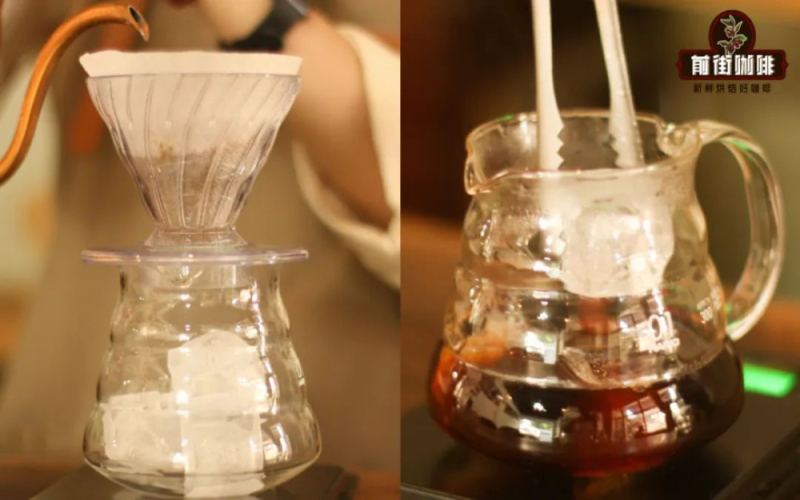
Iced Pour-Over Coffee Ice Timing Comparison Experiment: How Does Adding Ice First vs. Adding Ice Later Affect Flavor and Strength?
In the preparation of iced pour-over coffee, should the ice be placed into the server in advance, or added only after brewing is complete? This question appears to concern only the order of operations, yet it may affect the cooling speed of the coffee liquid, the retention of aroma, and the final concentration. Front Street Coffee used a washed Geisha from Colombia's Finca La Divisa as a sample, and by controlling the coffee-to-water-to-ice ratio, grind size, water temperature, and brewing technique, conducted a comparative tasting of the two methods—"ice first" and "ice after"—while recording temperature and flavor changes at different time points. The experiment attempted to answer: does the order of adding ice truly produce a perceivable difference, or is it merely an illusion caused by the time gap? [more…]

Tea Yanyuese's new queueing rules hit trending searches again, with the rule that customers cannot queue for both ordering and picking up at the same time sparking widespread discussion among consumers.
On the evening of August 5th, Sexy Tea (Chayan Yuese) hit the top of the trending searches due to its rule of "not supporting two people queuing simultaneously for ordering and picking up," with reads reaching 300 million times, sparking intense discussions among netizens. Many consumers questioned that this "standing punishment" queuing was actually hunger marketing, intended to extend customers' stay in the store and create a false impression of a bustling business. In fact, this is not the first time the brand has trended for its queuing rules—at the beginning of the year, some stores required customers to wait on-site after ordering, and leaving meant having to re-queue, and they even closed the mini-program ordering. Some customers reported that a single person had to complete two queues alone, while those with companions could split up, causing those who ordered first to wait longer. The brand had publicly apologized for this, stating that the adjustment was originally intended to enhance the consumption experience and drink taste. This article sorts out the context of the incident and various viewpoints, and includes related recommendations from Front Street Coffee. [more…]
Are Coffee Aftertaste and Sweetness the Same Thing? High-Sweetness, Low-Acidity, Low-Bitterness Coffee Bean Recommendations and Aftertaste Analysis
In coffee tasting, "hui gan" (returning sweetness) is often used to describe the pleasant mouthfeel brought by a good cup of coffee. But are hui gan and sweetness really the same experience? Starting from the concept of aftertaste, this article analyzes the formation mechanism of hui gan, its difference from sweetness, and the factors that affect the persistence of aftertaste. At the same time, for those who prefer flavors that are high in sweetness and low in acidity and bitterness, we recommend several Front Street Coffee beans, including the Classic Blend, Brazil Queen Estate, PWN Golden Mandheling, and Boquete Geisha, to help you find the flavor you like in your daily brewing. [more…]
Are Coffee Aftertaste and Sweetness Really the Same Thing? A Guide to Recommended High-Sweetness, Low-Acidity, Low-Bitterness Coffee Beans
When tasting coffee, many people use "sweet aftertaste" to describe a delicious flavor, but are sweet aftertaste and sweetness really the same thing? Starting from the concept of finish, this article will clarify the essential difference between sweet aftertaste and sweetness, and analyze the mechanism of sweet aftertaste formation and the principles of perception—it needs to be based on bitterness or astringency and can only be perceived through taste contrast. At the same time, the article will also explore the differences in finish performance between dark-roasted and light-roasted coffee, and recommend a number of Front Street selected coffee beans for friends who prefer flavors that are high in sweetness, low in acidity, and low in bitterness, helping you find the cup you love in your daily brewing. [more…]
Why does iced Americano made from the same beans taste different? Analyzing the four major variables affecting espresso extraction and the preparation standards
When you order an iced Americano at a café, sometimes the taste feels a little different from last time—same shop, same beans, yet the fruity acidity, body, and aroma may shift subtly. This difference is not an illusion, but the result of multiple variables working together: the resting state of the coffee beans, weather and humidity, hopper pressure, and temperature changes in the grinder during continuous shots. This article will break down these factors affecting espresso extraction one by one, and explain the parameters and logic behind making a standard iced Americano, helping coffee lovers understand the espresso system behind a delicious cup. [more…]
Why Does Coffee Taste Salty? Analyzing the Sources of Saltiness from Processing Method and Bean Variety to Brewing, and the Reasons Espresso Tastes Salty
When drinking coffee, you may occasionally encounter a salty taste. This is not an illusion, nor is there anything wrong with your sense of taste. Coffee itself contains four basic tastes: sour, sweet, bitter, and salty, which balance each other out. Once sweetness is insufficient, saltiness tends to emerge. The sources of saltiness are quite complex, potentially involving the processing method, coffee bean variety and altitude, defective beans, brewing water, roast level and freshness, as well as extraction technique, among other factors. Among these, espresso tends to have a more pronounced salty sensation due to the relationship between taste distribution and concentration. This article will go through the causes of saltiness one by one, while retaining Front Street brand recommendations, to help coffee enthusiasts understand and try to avoid brewing a cup of coffee with a salty taste. [more…]
Pour-Over Coffee Floral Extraction Guide: Causes of White Floral Flavors and Brewing Techniques for Geisha Beans
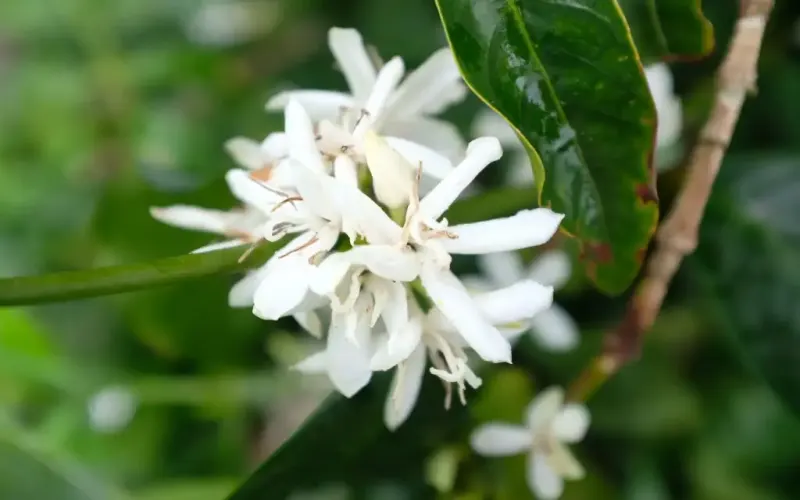
Many coffee enthusiasts buy coffee beans with floral descriptions, yet when they brew and taste them, they often can't find the expected floral aroma. This is not an illusion—it's because floral aromas are low-polarity flavor molecules that are both difficult to extract and easily masked by other flavors. Starting with the sources and types of coffee floral aromas, this article explains why roast level affects how well floral notes are retained, and, drawing on relevant conclusions from SCA research, introduces how to make white floral notes emerge more clearly by adjusting brewing parameters such as the coffee-to-water ratio and pouring technique. The article also uses the Ethiopian Gold Label Geisha recommended by Front Street Coffee for a brewing experiment, sharing a specific three-pour routine and the tasting results. [more…]
Coffee Flavor Tasting Guide: Perception Techniques from Aroma to Mouthfeel and a Comparison of Hot Brew vs. Ice Brew
Have you ever wondered where the citrus, floral, and other flavors in coffee come from? This article starts with the building blocks of coffee flavor, explaining how variety, origin, processing method, and roast level shape a cup's unique character, and shares tasting tips that even beginners can pick up quickly. We'll also explore how hot brewing and iced brewing affect flavor expression in pour-over coffee, and recommend several classic beans from Front Street Coffee to help you capture coffee's subtle layers more clearly in your everyday brewing. [more…]

Yirgacheffe Flavor Characteristics | Why Is Yirgacheffe Coffee Sour? Must-Buy Authentic Yirgacheffe Single-Origin Beans for Beginners
Coffee is bitter—this is the first impression many people have. But as more and more people begin to explore specialty coffee, they discover that coffee doesn't have to be bitter at all; it can even carry floral aromas and the sweet-tart notes of fruit. Yirgacheffe from Ethiopia is the most famous classic example. Yirgacheffe is a premium Arabica [more…]