







What kind of sugar do you put in coffee, and why does sweetness vary?
Coffee sweetness is not one thing. It splits into sweetness intensity, which is fixed by variety, processing method, altitude, and roast profile, and sweet perception, which depends on how the coffee is extracted and how sensitive the drinker is. A dark, bitter black coffee can still carry high perceived sweetness, which is why a barista may call a cup sweet when it tastes bitter at first.
Sweet perception blends taste and smell. Honey and natural processed coffees tend to express sweet flavors more easily, and retronasal olfaction can create an illusion of sweetness even when taste receptors register little sugar. Fully ripe red cherries develop sweetness more fully than unripe ones, so extraction technique and sensory sensitivity matter as much as the bean itself.
Have you ever walked into a café, ordered a "sweeter" coffee, only to be handed a dark, bitter liquid while the barista insists it has high sweetness? This confusion is something many of us have experienced. The "sweetness" in coffee actually involves two aspects: objective sweetness intensity and subjective sweet perception. Sweetness intensity depends on variety, processing method, and roast profile, while sweet perception is closely tied to extraction technique and sensory sensitivity. This article breaks down the sources of coffee sweetness one by one—from taste coordination and the sweet aftertaste that follows bitterness, to the "illusion of sweetness" created by retronasal olfaction—and recommends several Front Street beans with prominent sweetness to help you truly understand what baristas mean by "sweet."
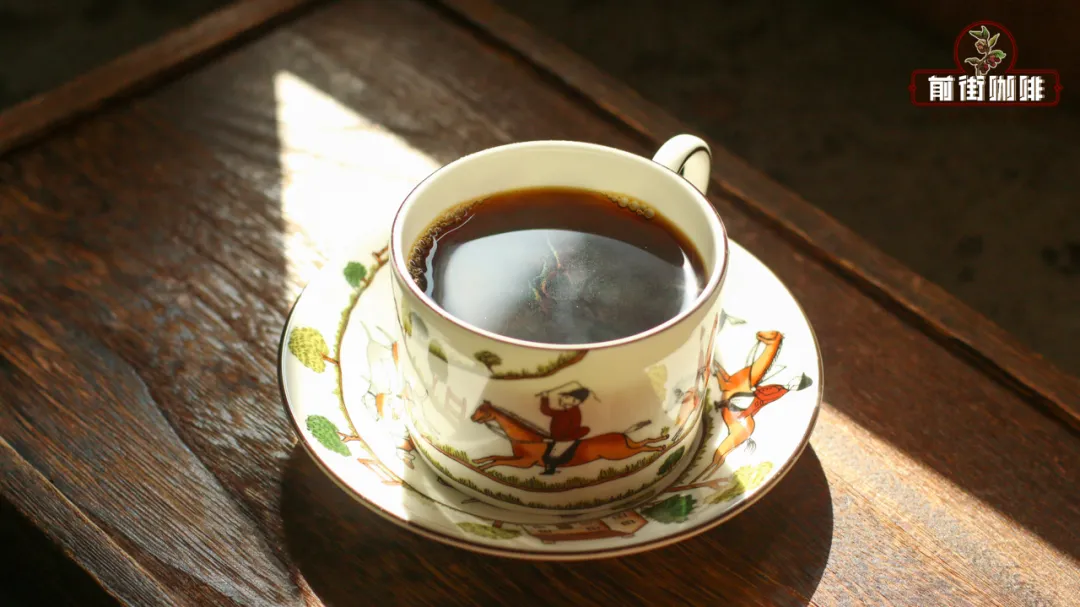
When we walk into an unfamiliar coffee shop, we often don't directly specify a particular bean or drink. Instead, we describe our taste preferences to the barista and ask for their recommendation. Many people say they'd like a "sweeter" coffee, but the barista then brings over a dark, deeply colored black coffee and specifically notes that this cup has quite a prominent sweetness.
This makes one wonder: it's not sweet at all! Did the barista get it wrong?
What Baristas Mean by "Sweet"
Generally speaking, when a barista takes a sip of black coffee and exclaims, "This cup is so sweet," the "sweetness" they refer to actually contains two layers of meaning: first, the coffee itself has relatively high sweetness intensity; second, its sweet perception is outstanding.
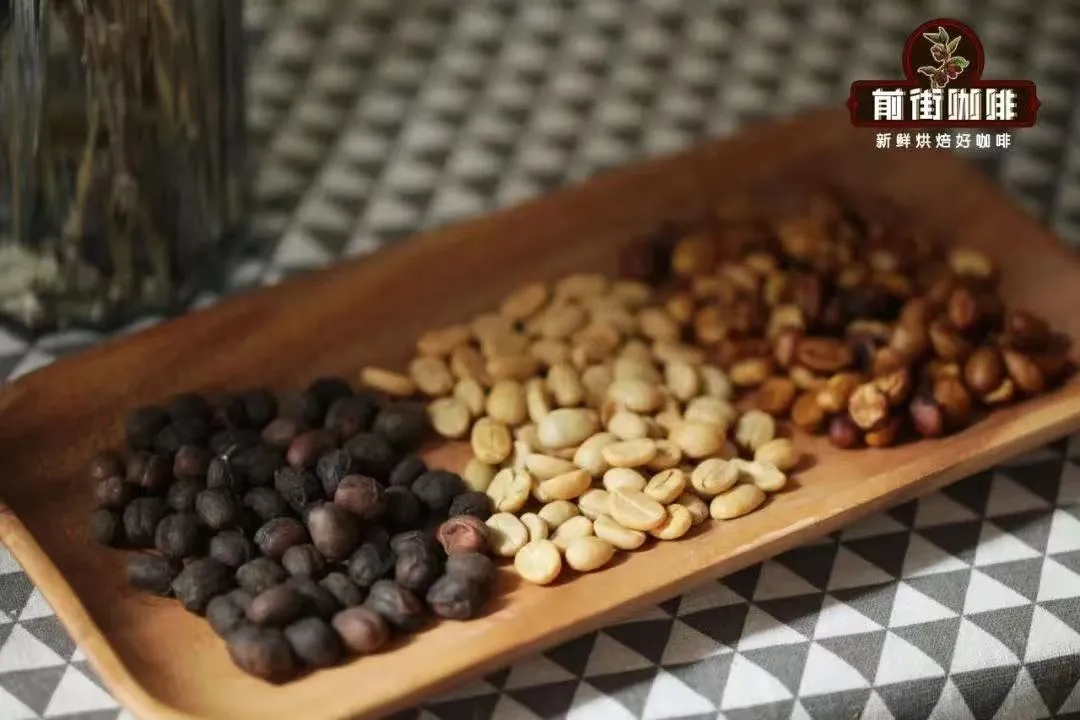
Similar to the sweetness values of fruit, the sweetness intensity of coffee cherries is mainly influenced by factors such as variety, cultivation management, altitude, and harvest maturity—for example, fully ripe red cherries develop sweetness more fully than unripe ones. Post-harvest processing methods and roast level (time) then determine how much sweet compounds the coffee beans ultimately retain and the degree of sugar transformation. Coffees processed with honey or natural methods tend to express sweet flavors more easily.
For a bag of roasted coffee beans, its sweetness intensity can be said to be an objectively existing fixed value, while sweet perception is a flavor description that blends taste and smell during tasting. At this point, the level of sweet perception relates to the extraction method, brewing technique, and the taster's sensory sensitivity. For example, when Front Street drank a natural Red Label Geisha, they perceived a distinct cantaloupe-like fruity sweetness; when drinking a washed Yirgacheffe, there was a honeyed sweetness resembling floral notes; and when drinking a Bird of Paradise, they experienced a sugarcane-like clean sweetness.
Low Bitterness, Therefore High Sweet Perception
The reason many friends new to specialty coffee can't perceive the sweetness baristas talk about is largely because the description of "sweet" is too far removed from the "bitter coffee" they normally drink. If you also think coffee is all bitter, it's worth starting with a low-bitterness, high-sweetness coffee bean.
Coffee's sweet perception doesn't exist independently—our ability to perceive sweetness mainly relies on the coordination between bitterness and acidity. For example, medium-light roast beans have fewer bitter compounds themselves. When fruit acids are properly extracted, the coffee presents a sweet-and-sour sensation within a framework of high acidity and low bitterness, reminding one of certain fruits. We recommend purchasing Front Street Sidra, Front Street Blackberry, and Front Street Strawberry Candy · Geisha Blend, where you can experience relatively low bitterness, medium acidity, and high sweetness.
The Sweetness That Comes After Bitterness
Bitterness is the most sensitive of all tastes. Many people regard it as an unacceptable sensation, and it's also the easiest taste to perceive. Sweetness, which most people flock to, refers to the pleasure caused by sugars and is more difficult to perceive compared to other tastes. Simply put, the order of our perception sensitivity for the four tastes is: bitterness > sourness > saltiness > sweetness.
When bitterness and sweetness exist simultaneously in a pot of coffee, what we first perceive is usually bitterness. After swallowing, a sweet sensation lingers at the back of the tongue. This pleasing sweetness inherent in bitter coffee is what people commonly call "hui gan" (returning sweetness)—the so-called bitterness ending in sweetness—and it's most common in medium-dark roasted coffees. Front Street Blue Mountain No. 1 and Front Street PWN Golden Mandheling exhibit caramel and dark chocolate aftertastes with a lasting sweet finish.
Aroma Creates a "Sweet Illusion" for the Tongue
Beyond taste, we can actually also perceive coffee's sweetness through smell. Olfaction has two stages: orthonasal olfaction and retronasal olfaction. Orthonasal olfaction refers to the scent perceived by breathing in directly—when we sense the dry and wet aromas of coffee, we do so through direct smelling.
After coffee enters the mouth, the taste buds first judge the intensity of sour, sweet, bitter, and salty. Then, aroma compounds slip into the nasal cavity during swallowing. At this point, the brain combines the tasted flavors with the aromas in the nasal cavity, thereby presenting the flavor of a specific food from memory—this is retronasal olfaction.
When the concrete aromas brought by retronasal olfaction remind us of very sweet foods, we subconsciously feel that the coffee has high sweet perception. When Front Street tasted Dorothy, they associated it with the sensation of biting into ripe apricot flesh and subconsciously felt the coffee carried a peachy clean sweetness.
If It's Not Sweet Enough, Then You Can Only Add Sugar
In Front Street's view, everyone's dietary habits differ, so the ability to identify sour, sweet, bitter, and salty naturally varies. Even when drinking the same pot of coffee, some may find it very bitter while others find it very sweet. If you don't want the barista to serve you what you consider "bitter coffee," it's worth adding a sentence when ordering: whether the coffee you want is fruity sweet-and-sour, dark-roast sweet, flavorfully aromatic and sweet, or sweet with added sugar…
If you truly want to improve your judgment of coffee's sweet perception and discuss "the same sweetness" with baristas, you need to continually taste beans of various styles, let your brain accumulate more memories of different sweet flavor profiles, and discuss more with friends who drink coffee regularly to compare just what kind of sweetness coffee can express.
The above content is compiled by CoffeeHunters, a coffee news website.


