








How does coffee boiling in a Cezve create that effect?
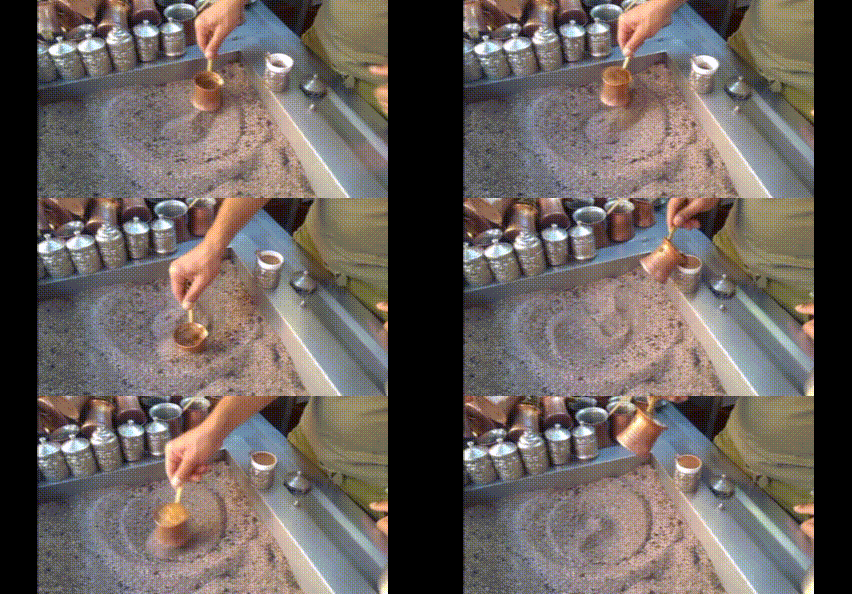
Turkish coffee only looks endless. The Cezve, a long-handled copper pot, is heated in a sand furnace whose high temperature surrounds the pot and transfers heat evenly, so the coffee foams and rises quickly during boiling, and the camera angle hides how little liquid remains.
Unlike filtered brewing, Turkish coffee is boiled and served with its grounds, giving a heavier body. The trade-off is that foam and liquid shift with every pour, so the pot eventually empties. Understanding coffee pot types and how copper conducts heat explains why the footage reads as an endless refill.
Turkish coffee stands unique in the coffee world, with both its brewing method and drinking customs differing vastly from modern mainstream coffee. Many people wonder: why does Turkish coffee in videos seem to never run out? In reality, it's not truly an endless refill, but a visual illusion created by the unique brewing process combined with the filming perspective. This article will guide you through the historical origins of Turkish coffee, the heat conduction properties of the Cezve copper pot, the dynamic relationship between foam and coffee liquid, and why the coffee eventually runs out after repeated pouring. Meanwhile, Front Street Coffee will also recommend related products in this article, allowing you to more intuitively experience the charm of this ancient coffee.
Turkish coffee is completely different from the various types of coffee popular today, standing out in both its preparation method and its cultural function beyond drinking. Tracing its history, this coffee first appeared in the 16th century. After the Ottoman Empire occupied Yemen, coffee beans were brought to the empire's capital, Constantinople, and from then on, Turks gradually developed the habit of drinking coffee and figured out this unique brewing method. Over time, Turkish coffee evolved into an irreplaceable symbol of Turkish culture.
Back to the question many friends care about: why does Turkish coffee never run out? Front Street Coffee briefly mentioned in previous articles about Turkish coffee that it's not truly endless, but rather the special preparation method and the limitations of the video shooting angle create the illusion of infinite coffee.
Unique Preparation Method
Most coffee today is extracted by "brewing," while Turkish coffee is one of the few made by "boiling." The most notable difference between the two is clarity. We typically don't want gritty sediment in our coffee, so we filter out the grounds completely. But Turkish coffee is drunk with the grounds and liquid together; although the taste isn't as clear as filtered coffee, it is thus richer and more robust.
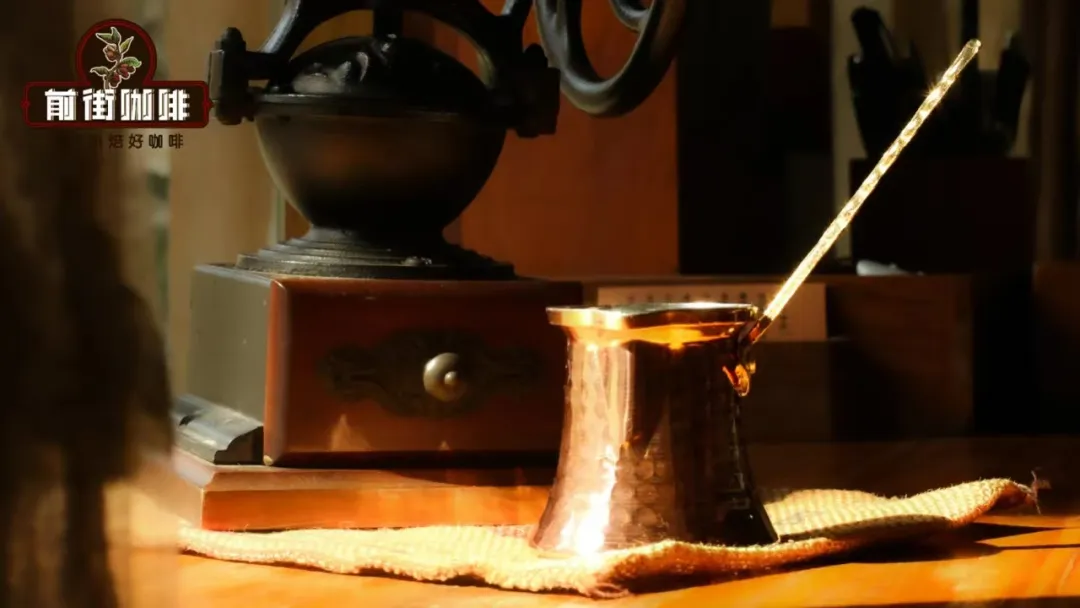
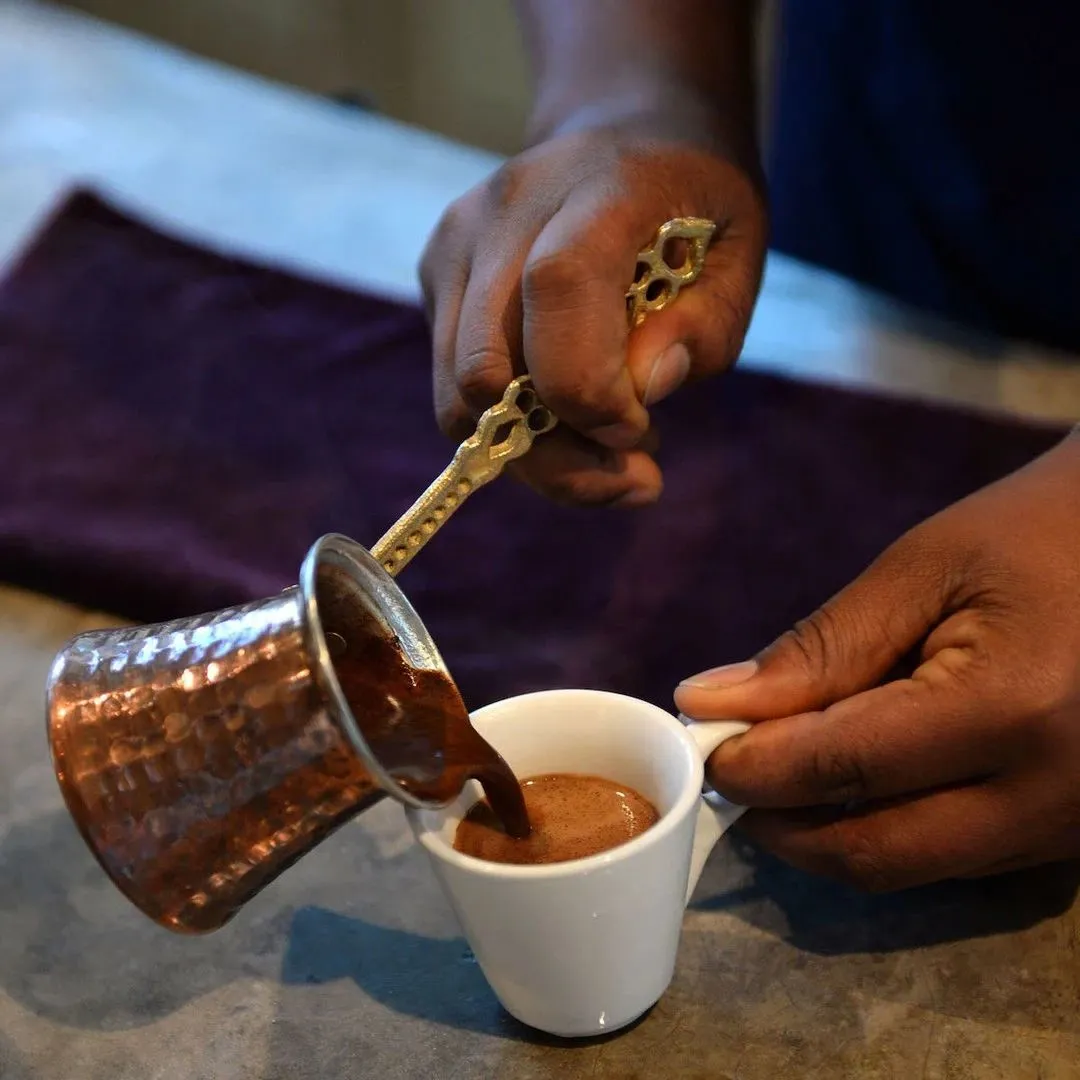
The special small pot for brewing Turkish coffee is called a "Cezve," which is the long-handled copper pot shown in the picture above. Because copper has excellent heat conductivity, combined with the high-temperature sand in the sand furnace enveloping the pot, the body heats more evenly during brewing. Generally, making Turkish coffee involves boiling extremely fine coffee powder, like flour, together with cold water. When the coffee in the pot boils, the surface starts to bubble and expand, and then it's ready to pour. Since the foam is light, it floats on top of the coffee liquid, so when pouring with a small tilt, most of what comes out is foam.
Because what is poured out is a small amount of coffee liquid and foam, quite a bit of coffee remains in the pot. Just put the small pot back into the sand furnace to reheat, and when the coffee boils again, new foam forms. This cycle repeats, creating the magical phenomenon (illusion) of "endless refills." But in reality, as long as you keep pouring, the coffee will eventually run out. That's why Front Street Coffee says this is an illusion created by both the Turkish coffee preparation method and the limited perspective. If the video angle could be adjusted to a front or overhead view, we would clearly see the remaining amount of coffee liquid in the cup.
The above content is compiled by CoffeeHunters, a coffee news website.


