








How does coffee quality shape the sweetness in black coffee?
Black coffee can taste sweet without any sugar because the beans themselves contain sweet compounds. That perception depends on variety quality, processing method and roast level, which is why a well-brewed pour-over can read as sweet while a poorly handled cup tastes only burnt and bitter.
Natural process coffee usually lands sweeter than washed, since the fruit skin and pulp stay in fermentation and the beans take on that flavor; slow natural drying extends fermentation further. Acidic lots use fruity sweetness as a counterweight, while darker roasts bring a bittersweet note through caramelization, and aroma association adds to the impression.
Many people still associate pour-over coffee with a burnt, bitter taste, but high-quality black coffee can indeed present sweetness. Sweetness is not an illusion—coffee beans themselves contain sweet compounds, and it is closely related to variety quality, processing method, and roast level. Natural process is usually sweeter than washed, and slow natural drying can amplify sweetness even more. Acidic coffees often use fruity sweetness as a foil, while bitter coffees bring a bittersweet note through caramelization. In addition, smell can create a "smells sweet" experience through association. The following explains, from the perspectives of flavor mechanisms and brewing/tasting, how to brew coffee so it is sweeter and tastier.

My earliest understanding of coffee came from TV dramas: the protagonist walks into a hotel, skillfully orders a black coffee, tears open two packets of sugar and pours them in, stirs a few times. This also became many people's fixed impression of coffee—burnt and bitter.
Coffee can be sweet even without sugar
Now, you may even hear a friend drinking a pour-over black coffee say in surprise: This cup of coffee is so sweet! But this sweetness is not the direct sweetness of granulated sugar, but a sense of sweetness, a perception (which sounds a bit mystical).
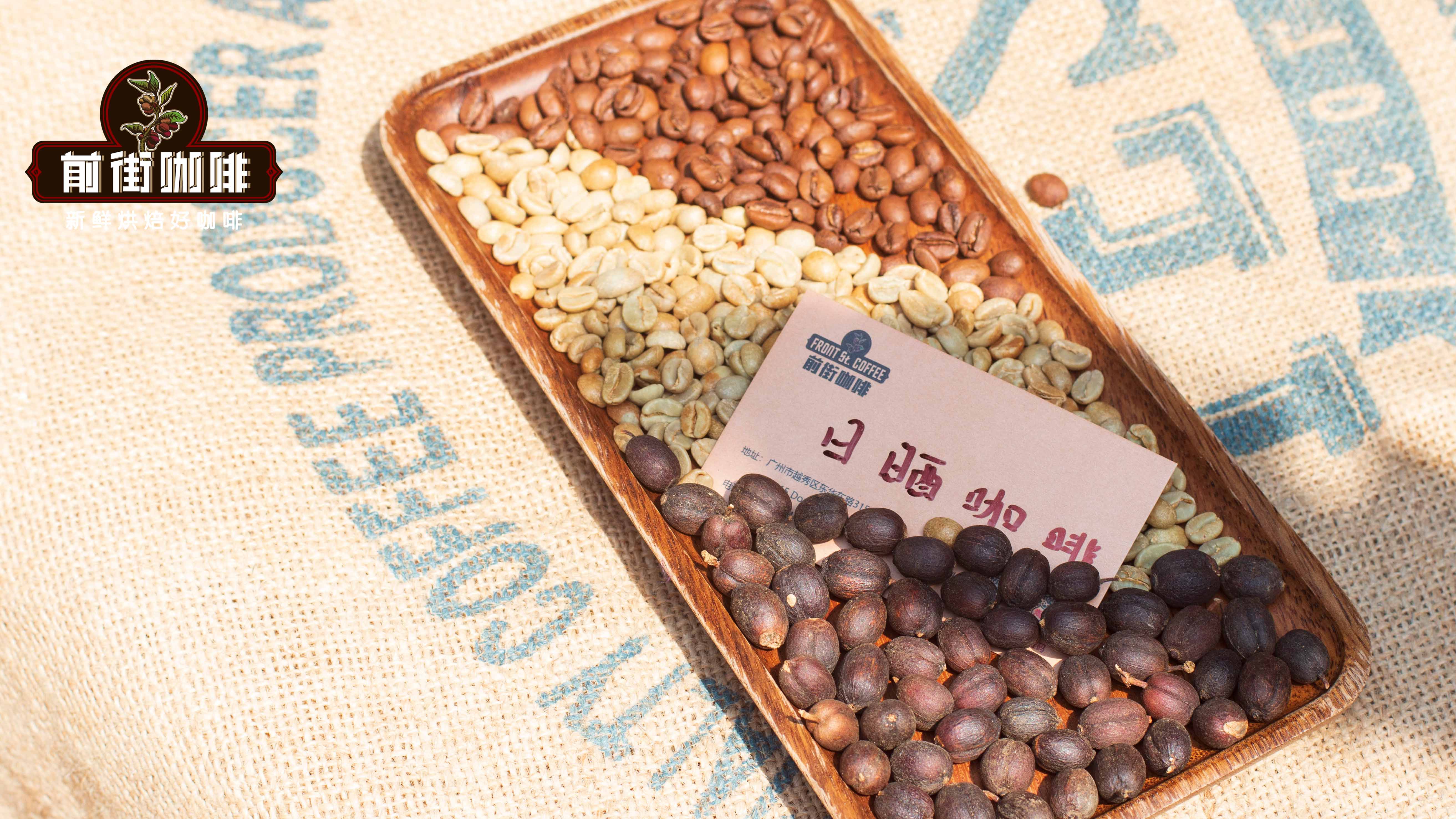
First, coffee beans do contain sweet substances, and these components allow people to perceive the sweetness of coffee (it is not fabricated). The amount of sweet substances is also greatly affected by coffee quality. The most popular Yirgacheffe—Front Street Natural Red Cherry—because the Red Cherry Project emphasizes picking only fully red cherries, and this is also an important source of coffee sweetness.
Natural process coffee is usually sweeter than washed process coffee, because natural processing includes the fruit skin and pulp in the fermentation process, and the coffee beans absorb the flavor of the pulp, making the sweetness more prominent. In recent years, slow natural drying has also been popular; the idea is to extend the drying time so fermentation is more complete, thereby forming a sweeter flavor. Front Street Emerald Estate Natural Red Label uses slow drying, making its sweetness very prominent.
Sweetness within acidity & sweetness within bitterness
In drip coffee, sweetness is often not the dominant flavor; the common situation is that acidity serves as the main axis to set off fruity sweetness, or bitterness serves as the main axis to bring out a caramel note.
Coffee beans with fruity acidity are generally roasted lighter and present fruit-like flavors. Just as when we usually eat fruit, fruit is not only sour but also sweet: citrus is sweeter than lemon, and peach is sweeter than citrus. Specifically for coffee beans, such as Front Street Huakui, Front Street Blackberry, Front Street Sidra, Front Street Emerald Green Label Geisha... Drinking coffee is the same: when you drink a cup of coffee that tastes like peach, you will naturally also perceive the corresponding fruity sweetness.

Coffee dominated by bitterness often gives the first impression of being bitter, very bitter! But good bitter-toned coffee will be bittersweet. Usually, coffee beans dominated by bitterness are roasted darker, and the darker the roast, the more obvious the caramelization reaction, producing sweet substances such as caramel. However, anyone who has tasted caramel knows that caramel's sweetness is not as clean and sweet as sucrose or honey, but bittersweet.
For example, when we drink Front Street Brazil Cerrado coffee or Front Street Indonesia Mandheling coffee, if we taste carefully, there is a bittersweet caramel flavor.
Sometimes sweetness is smelled
Sweetness belongs to taste perception, and smell cannot directly identify sweetness, but you will always hear someone say: "This smells so sweet!" This statement is not lying, but triggers the brain's association mechanism. For example, as soon as you smell the aroma of lemon, you subconsciously feel fresh and sour; another example is quenching thirst by thinking of plums.
Sweetness cannot be smelled, but the sweet substances we have tasted emit aromas. For example, honey brings a honeyed aroma, so you can recognize it as honey as soon as you smell it; extremely sweet sweet potato emits a sweet potato aroma, so when you smell a similar sweet potato aroma, you automatically associate it with the taste of sweet potato. This is also the reason for "this smells so sweet."
The above content is compiled by CoffeeHunters, a coffee news website.


