







Search Results for: tail end
Pour-over Coffee Brewing Parameters | What Factors Affect the Flavor and Mouthfeel of Pour-over Coffee? How Can Coffee Beginners Learn Pour-over Coffee?
Coffee mysticism has long become a commonplace topic in coffee circles, and the most discussed aspects are flavor mysticism and brewing mysticism. Front Street is here to help everyone unveil the surface-level mysticism and reveal the underlying science. Flavor mysticism generally refers to when you drink a cup of coffee and only taste bitterness and sourness, while the person next to you [more…]
Moka Pot Grind Size: Pair It with the Right Roast Level
Coffee brewed in a moka pot can have bright fruity notes, or it can show the depth of cocoa and nuts. An important clue that determines the difference is the roast level of the coffee beans. Light-roasted beans have a tighter structure, and the release of flavor needs more push; dark-roasted beans are easier to extract, and if the grounds are too fine, bitterness and a burnt taste will quickly [more…]

Light, Medium, and Dark Roasts: Dialing In SOE on a Home Machine Like This
A cup of SOE can showcase the floral and fruity acidity of a light roast, the caramel sweetness of a medium roast, or even the cocoa notes and heavy body of a dark roast. Home espresso machines are not only suitable for blends—as long as the machine can heat stably, build pressure, and is equipped with a suitable single-shot basket, it can pull single-origin espresso. What truly matters [more…]

Coffee Varieties Illustrated | What Are the Taste and Shape Differences Between the Three Major Coffee Bean Species? How to Quickly Identify Coffee Bean Varieties? Are Ethiopian Heirloom and Geisha the Same Species of Coffee?
Every variety of coffee beans has different bean appearance (bean外貌) characteristics. In this article, Front Street will guide everyone through coffee bean appearance to identify coffee bean varieties, and what flavor characteristics do different coffee varieties have? ~| Typica (Typica) Typica originated in Ethiopia and southeastern Sudan. [more…]

Choosing Espresso Blend Beans by Roast Level: From Bright Acidity to Full-Bodied Richness
When making espresso, the roast level of a blend directly affects the flavor, texture, and suitable drinking occasions of the shot. Light roasts more easily preserve bright acidity and fruity notes, medium roasts bring sweetness, aroma, and body to a more balanced position, while medium-dark and dark roasts lean closer to nutty, cocoa, and roasted tones. For those just getting into espresso, [more…]
How to Choose Cold Brew Coffee Beans: A Flavor Guide from Light to Dark Roast
Cold brew coffee is left in the refrigerator to extract slowly; on the palate it is usually gentler than hot coffee, and its aromas also unfold in a different order. When choosing beans, the roast level is a very practical clue: light roasts lean toward bright fruit notes, medium roasts make it easier to taste sweetness and balance, while dark roasts bring cocoa, nuts and a rich body. First, decide which kind you want. [more…]
How to Read the Roast Date, and When Is the Best Time to Open a Bag of Espresso Beans
From the moment espresso beans finish roasting to the moment they enter the cup, their flavor goes through degassing, relaxation, and gradual decline. If extracted too early, carbon dioxide tends to make the puck absorb water unevenly; the espresso may look rich on the surface, yet taste scattered on the palate. Once the beans have settled into their ideal state, sweetness, body, and aroma come together more readily. Therefore, the roast date is not [more…]

Coffee-to-milk ratio | What are the characteristics of a Flat White? What coffee-to-milk ratio is appropriate for making a Flat White?
It can be said that the latte, the flat white, and the cappuccino are the "three musketeers of milk coffee" that now permanently occupy coffee shop menus. Although they are all made from a combination of coffee and steamed milk, the different ratios give each of them its own distinct characteristics. And it is precisely by these distinctive characteristics that we [more…]

The Benefits of Americano | What Causes Americano to Taste Bitter? How Can You Adjust the Flavor and Taste of Americano? Why Is Iced Americano So Popular?
Introduction: Americano can be said to be a type of coffee that many consumers really enjoy. It's convenient, quick, and can rapidly satisfy most people's caffeine needs. At the same time, it consists of only two parts—water and espresso—making it a type of what we commonly call black coffee. Black coffee also reflects the quality of the coffee beans, so [more…]
Moka Pot Starter Beans: Roast Level Determines the Flavor Profile
Coffee brewed with a moka pot is relatively strong, and the roast level of the beans directly affects how it tastes. Light-roasted beans may bring bright acidity and fruity notes, medium-roasted beans are more likely to develop sweetness and balance, while dark-roasted beans lean toward cocoa, nutty, and roasted aromas. When you are just getting started with a moka pot, you can begin with flavors you are already familiar with, then [more…]

Making a latte with a moka pot: picking beans by roast level makes it easier to get a tasty result
The coffee brewed from a moka pot has a concentration between pour-over and espresso. After adding milk, it needs to retain enough aroma and presence. To make a smooth latte, the roast level is a very useful screening clue: it affects the sweet-and-sour performance, the nutty and cocoa notes, the body, and also changes how clearly the coffee comes through in the milk. [more…]

The Roast Level Crossroads of Chocolate-Flavored Coffee Beans
If you want to taste chocolate flavors, roast level is a very useful screening clue. Light roasts tend to retain more of the bean's bright aromas, and the chocolate note may show up as cocoa powder, milk chocolate, or a sweet aroma with fruity acidity; medium roasts connect caramel, nuts, and cocoa, giving a round mouthfeel; dark roasts come closer to dark chocolate, roasted [more…]

American-Style Flavor | Why Is Americano Bitter? What Factors Affect the Taste of Americano Black Coffee? Why Is Iced Americano So Bitter Yet So Popular?
Introduction: Americano can be said to be a type of coffee that many consumers greatly enjoy. It is convenient, quick, and can rapidly satisfy most people's caffeine needs. At the same time, it consists of only two parts: water and espresso, making it a type of what we commonly call black coffee. Black coffee also reflects the quality of the coffee beans, so [more…]
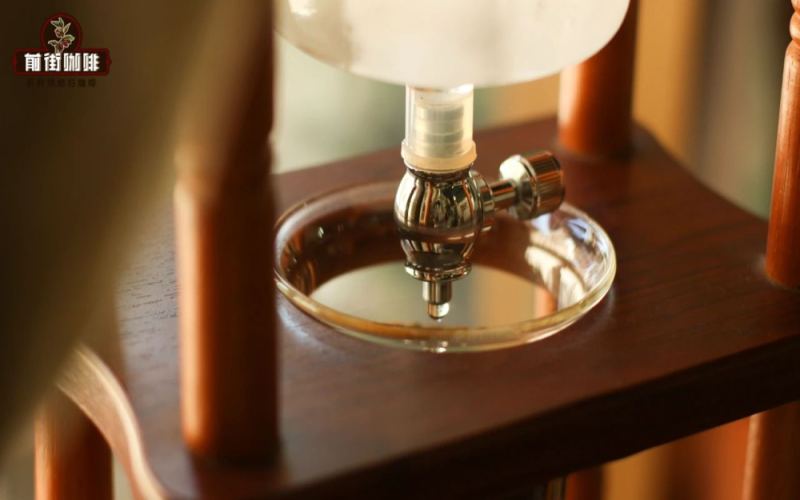
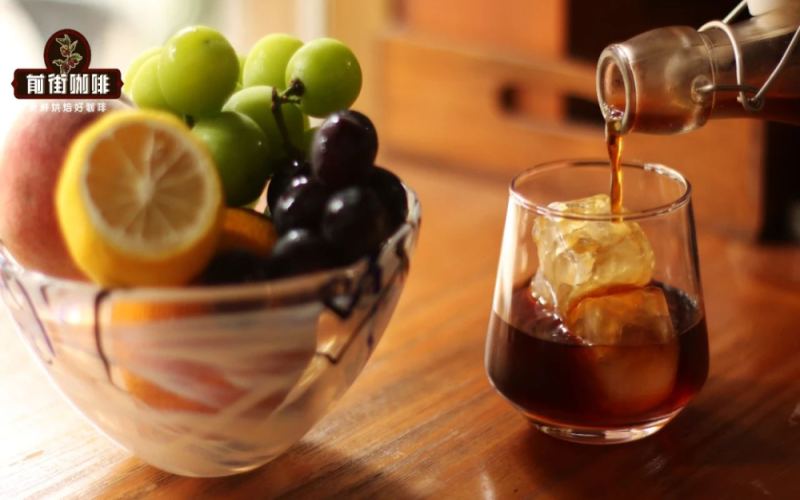
Cold Brew Coffee Brewing Parameters | How to Distinguish Ice Drip from Cold Brew? What Are the Flavor Differences Between Ice Drip and Cold Brew Coffee? Why Is Ice Drip More Expensive Than Cold Brew?
Ice drip coffee and cold brew coffee are both relatively common types of iced coffee. Many friends still haven't clearly distinguished between them, so Front Street Coffee is here to share some relevant knowledge. The shared characteristic of ice drip coffee and cold brew coffee is low-temperature extraction, and both take a relatively long time to make, so it's basically impossible to make them to order. However, their extraction methods [more…]
Recommend a few cost-effective home espresso coffee beans: balancing budget and drinking frequency
A cost-effective espresso bean for home use isn't just about memorizing a few names. When buying beans day to day, you need to consider how fast you'll go through them, how much to buy at once, and whether your household mainly drinks black coffee or milk-based coffee. What's truly worth referencing is the sweet-to-sour ratio on the palate, the body's thickness, and the aftertaste once it cools, combined with your brewing habits, [more…]

Coffee Equipment | Cold Drip Coffee Maker: Why Is Cold Drip Coffee So Expensive? How Many Hours Does It Take to Make Cold Drip Coffee? What Are the Flavor Characteristics of Cold Drip Coffee?
As the weather gradually heats up, the pre-made coffee in Front Street Coffee's fridge has become the most popular hot seller besides iced Americano. No introduction needed—customers walk in and say directly: Boss, one iced drip! Some guests, unsure what to order, hesitate and ask the barista: What's the difference between that iced drip and an Americano? [more…]

Choosing Delicious Americano Coffee Beans by Roast Level
Americano looks simple, but in fact it says a lot about a bean's roasting direction. Once hot water stretches out the espresso, the acidity, sweetness, body, and finish all become clearer. If you like a bright, fruity profile, start with a light roast; if you prefer something soft and easy to drink, look at a light-medium or medium roast; and if you are used to nutty, cocoa, and heavy-bodied flavors, [more…]
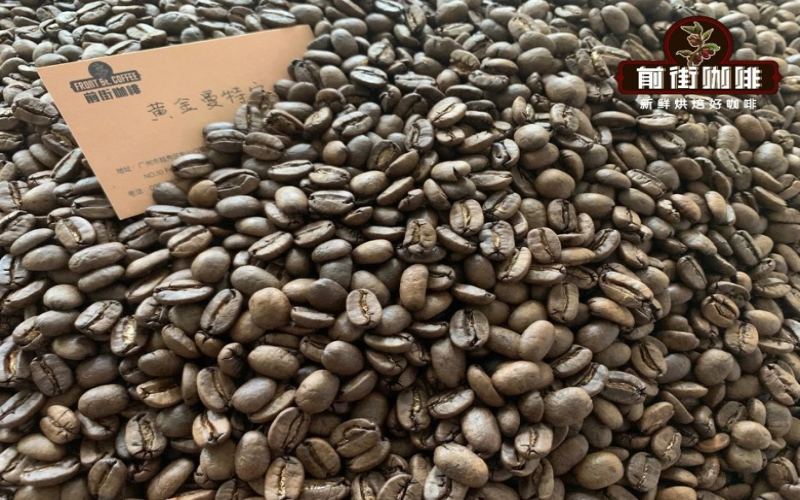
Which type of Mandheling is suitable for a Moka pot: how to choose a full-bodied flavor
Mandheling is well-suited for showcasing the steady, full-bodied side of a moka pot. It mainly comes from producing regions such as Sumatra in Indonesia, and its common flavors include dark chocolate, spices, wood, herbs, and black sugar. Its acidity is usually softer, and it has a noticeably weighty mouthfeel. The coffee brewed by a moka pot is more concentrated, which can bring out these [more…]
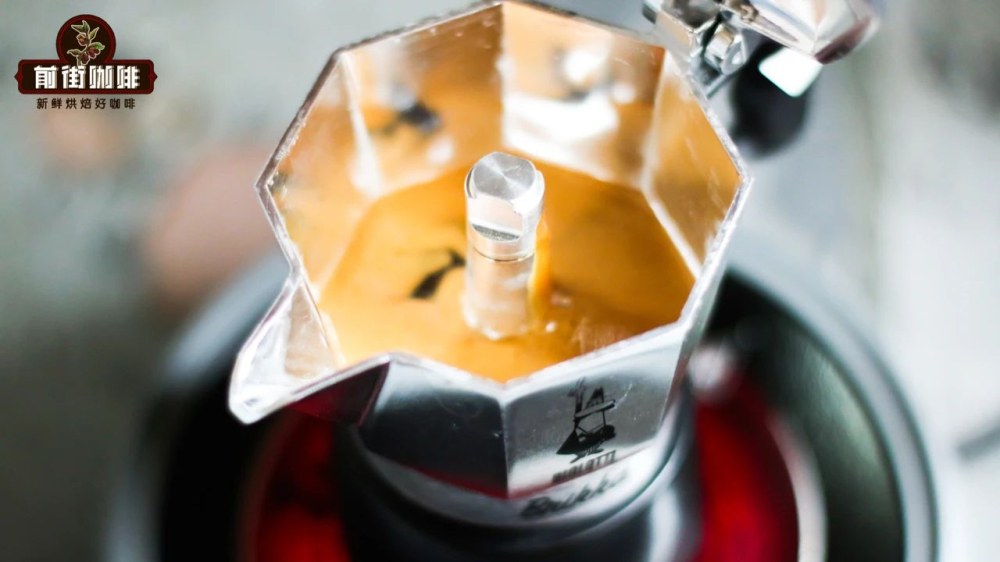
Home Coffee Brewing | Is it safe to make coffee with a Moka pot? What are the steps for making black coffee with a Moka pot? What precautions should be taken when using a Moka pot?
Today, Front Street Coffee will introduce you to this moka pot that is popular in Italian households. Europeans do not call this kind of pot a moka pot, but rather an Espresso Pot. Judging by this name alone, the coffee made by a moka pot is truly Espresso, though its extraction is [more…]
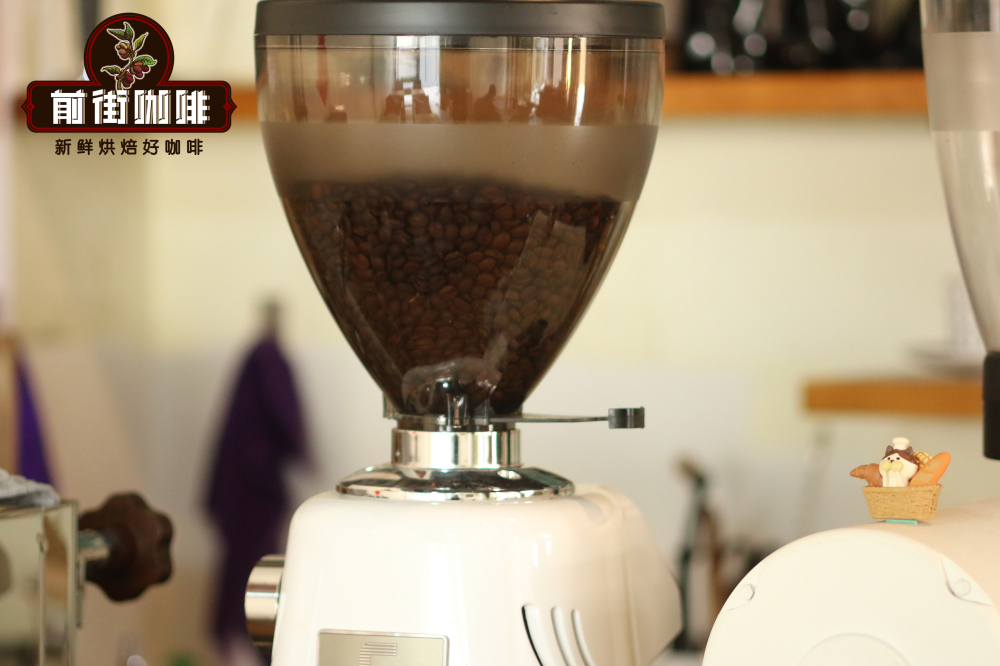
The correct way to drink espresso | How much coffee powder is used to make an espresso? How do you determine the grind setting for espresso beans?
When brewing coffee, we all know that the coarseness of the grind is very important. If you're not careful and don't find the right grind setting, or if the grind is uneven, the coffee can easily end up under-extracted or over-extracted. Compared with methods like pour-over and cold brew, espresso grounds are ground much finer and require more precise adjustment to get the taste of the espresso just right. [more…]