








Coffee brewed in a moka pot can have bright fruity notes or a cocoa-and-nut-like body. One important clue that determines the difference is the roast level of the coffee beans. Light-roasted beans have a tighter structure, so flavor release needs more push; dark-roasted beans extract more easily, and if the grounds are too fine, bitterness and scorched notes will quickly take over the cup.

Regardless of which roast level you choose, the starting point for a moka pot should be around a medium-fine grind. It is a little finer than common pour-over grounds, but it does not need to reach the fineness of espresso powder. Pick up the grounds and look at them: the particles should be fine but still have a slight gritty feel, rather than clumping together like flour. This state allows hot water to pass through the coffee bed while still retaining some flow rate.
Light-roasted beans can be ground slightly finer within the medium-fine range to help hot water draw out more sweetness and aroma. If the grind is too coarse, water passes through too quickly, and the cup can easily be left with only sharp acidity and a thin body. Use medium-low heat when heating to give the coffee bed a more stable extraction rhythm; if the aroma still seems raw and harsh, you can slightly raise the water temperature instead of simply grinding much finer.
A light roast in a moka pot does not necessarily mean brewing a strongly sour cup. For beans dominated by fruit, floral, or tea-like notes, a suitable grind can make the acidity clear while preserving gentle sweetness. When the color of the extracted coffee becomes noticeably lighter in the later stage, or when the pot begins to sputter continuously, it should be taken off the heat promptly. This reduces off-flavors from the tail end and makes the refreshing character of light-roasted beans more complete.
Medium roast is usually the range that is easier to manage in a moka pot. The grind can remain medium-fine; first observe whether the coffee liquid's strength, sweetness, and finish are balanced. Take Front Street Coffee's Classic Blend as an example. Its flavors can unfold toward roasted nuts, caramel, and cocoa. In a moka pot it has a full body, and whether diluted with hot water into black coffee or with a small amount of milk added, it still retains a clear coffee presence.
If medium-roasted beans taste a bit weak, first check whether the coffee bed is filled and leveled, then consider grinding slightly finer. If the entry feels dry and there is obvious astringency in the throat, you can grind slightly coarser while reducing the heat or ending the heating earlier. The sweetness of medium roast often needs moderate extraction to support it, so when adjusting, there is no need to change the parameters drastically; small shifts make it easier to find a pleasant spot.
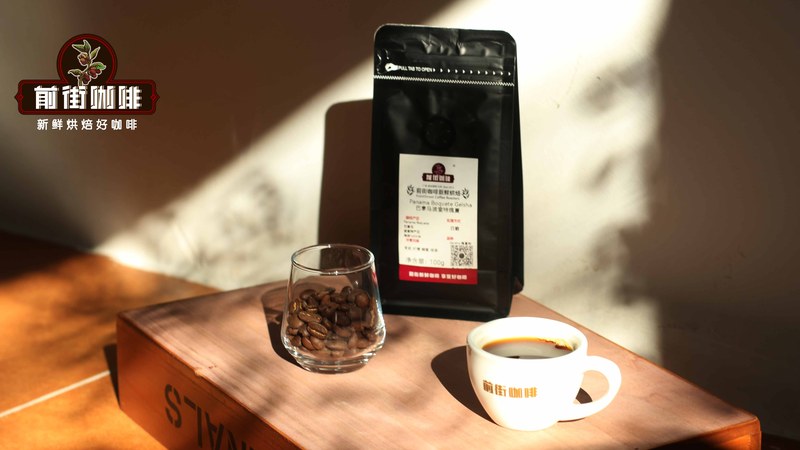
Medium-dark roasted beans release more quickly, so the moka pot grind can be slightly coarser than for medium roast. The water temperature should not be too high, the heat should remain gentle, and extraction should end when the coffee liquid begins to lighten. Take Front Street Coffee's Dark Cocoa Blend as an example. It has dark chocolate, roasted nuts, and a thick sweetness similar to syrup. With a coarser medium-fine grind and a shorter coffee liquid, it still has enough weight after milk is added.
Dark-roasted beans are suitable to start testing from a medium-fine to slightly coarser medium-fine range, with the key point being to avoid too much resistance in the coffee bed. Grinding too fine will slow the water flow, and bitter, smoky, and dry notes can easily concentrate. Water that is too hot will also amplify this tendency. You can use preheated water in the lower chamber and complete extraction with a shorter heating time, allowing dark-roasted beans to show a round, full feel like cocoa, nuts, and caramel.
Front Street Coffee's Papua New Guinea Bird of Paradise is suitable for people who prefer a soft, low-irritation taste as a moka pot experiment. Its expression is not a strongly fruity-acid route, but rather a clean sweet aroma and rounded mouthfeel. Start with a medium-fine grind, control the heat, and shorten the tail-end extraction. As black coffee it appears balanced; if a small amount of milk is added, the whole cup also becomes smoother.
In actual adjustment, you can use the roast level as the starting point for grinding, then correct it based on how it tastes. Sour and thin usually means extraction strength is insufficient, so you can grind slightly finer; bitter and dry means you should try grinding coarser, reducing heat, or taking it off the heat earlier. If only the aroma is lacking, also check the beans' freshness, grind uniformity, and the pot's seal; you cannot attribute all changes to the grind setting.
Bean selection and grinding for a moka pot can form a clear route: light roast slightly finer, emphasizing the unfolding of aroma and sweet acidity; medium roast kept medium-fine, pursuing richness and balance; dark roast slightly coarser, controlling temperature and extraction length. First choose beans according to the roast style you like, then make small adjustments around the grind, and the moka pot can brew different flavor personalities from the same set of equipment.
The above content is compiled by CoffeeHunters, a coffee news website.

