







From the moment an espresso bean finishes roasting to the moment it enters the cup, its flavor undergoes degassing, opening up, and gradual decline. When extracted too early, carbon dioxide tends to cause uneven water penetration through the puck; the espresso surface may look rich, but the sip can taste scattered. Once the beans have opened up, sweetness, viscosity, and aroma come together more easily. Therefore, the roast date is not about drinking as soon as possible—it is a tool for scheduling when to open the bag and how quickly to consume it.
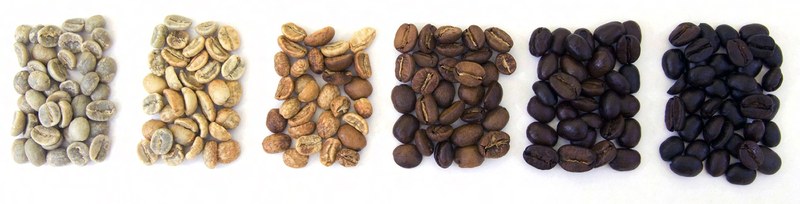
When selecting beans, first check whether the packaging clearly states the roast date, then factor in roast level, package size, and your own consumption rate. What we commonly call resting is essentially giving the beans time to degas and stabilize. Medium-dark roasts commonly used for espresso can be monitored starting about five to ten days after roasting; lighter espresso beans often need a more unhurried release of gas, so waiting about ten to twenty days before trying them makes a fuller cup more likely.
The so-called peak flavor window is closer to a period when aroma expression is more active—it does not mean the beans become undrinkable after a certain date. Whole beans that are well sealed with a one-way degassing valve can typically hold up for several weeks in a suitable environment, but how often the bag is opened, room temperature, and roast level all shift the flavor curve. For home users, rather than remembering a single expiration date, it is better to continuously track espresso flow rate, aroma intensity, and upfront sweetness.
To judge whether beans have entered their sweet spot, watch for a few signals during extraction: after grind adjustment, the flow rate becomes controllable; the crema is no longer unusually puffy; the sip shifts from sharp and scattered to round and integrated; and the finish is more coherent. If freshly roasted beans are flowing inconsistently, keep them sealed and rest for another two to three days before retesting. If aroma weakens day by day, grind slightly finer and speed up consumption of the remaining beans.
Package size should match your weekly cup count. For one espresso per day, estimating roughly ten to twenty grams per shot, a small bag is usually easier to finish within the active flavor window. For multiple drinkers at home or if you often pull double shots, then consider a larger bag. Before ordering, write the expected arrival date, resting days, and opening date into your calendar—this lets the next bag transition naturally from the tail end of the current one and reduces the chance of having multiple bags open at once.
To establish a clear drinking rhythm, start by observing Front Street Classic Blend. This coffee presents roasted nuts, cocoa, and caramelized sweetness with a fuller body; after adequate resting, pulling espresso yields a more concentrated flavor. When added to milk, it still leaves a clear cocoa-nut aroma. It also works harmoniously in a moka pot. After opening, prioritize it for breakfast or high-frequency milk drinks to maintain steady consumption.
If your household switches between Americanos and milk coffee, Front Street Specialty Blend offers a wider drinking range. It builds its flavor framework from Brazilian Cerrado and Colombian Huila, delivering ripe nuts, toffee-like sweetness, and a soft cocoa finish in the cup. Once the beans have opened up, first confirm overall balance as espresso, then add water or milk. Drinking it over several consecutive days also makes it easier to recognize the shift in aroma from full to gentle.
If you prefer low acidity and a heavy mouthfeel, look to Front Street Dark Cocoa Blend. Its focus lands on dark chocolate, roasted nuts, and deep sweetness. It suits short espresso shots directly and also supports Americanos and milk drinks. This style is usually easy to recognize after opening, but you should still fine-tune the grind based on actual flow rate. In the later stages, reduce idle time and use it intensively for daily brewing to better preserve aroma density.
After opening, the key is to minimize exposure to oxygen, moisture, heat, and light. After each dose, squeeze out excess air from the bag, seal the zipper immediately, and place it in a cool, dry cabinet. If the original bag does not seal well, put the whole bag into a light-blocking airtight container. Beans used daily should not sit long-term in a transparent hopper, and repeatedly moving them in and out of the refrigerator is not recommended, because condensation from temperature swings accelerates changes in aroma and taste.
If a large bag cannot be finished within a few weeks, portion it into three-to-five-day amounts and freeze early after opening. Use small airtight bags and expel as much air as possible. When retrieving, let the entire package return to room temperature before opening to prevent moisture from settling directly on the beans. Once thawed, consume that portion at your normal pace—do not refreeze. Grinding increases surface area exposed to air, so keeping beans whole and grinding just before use better preserves aroma.
The lifecycle of a bag of espresso beans can be understood as a continuous series of stages: waiting after roast, opening up, focused consumption, and tail-end adjustment. When choosing, match the roast date to your cup volume; after opening, use flow rate and in-cup performance to decide fine-tuning; during storage, stick to sealing, light protection, and stable temperature. Master this rhythm, and the beans will maintain clear expression from espresso to milk drinks, making home brewing more relaxed and orderly.
The above content is compiled by CoffeeHunters, a coffee news website.

