







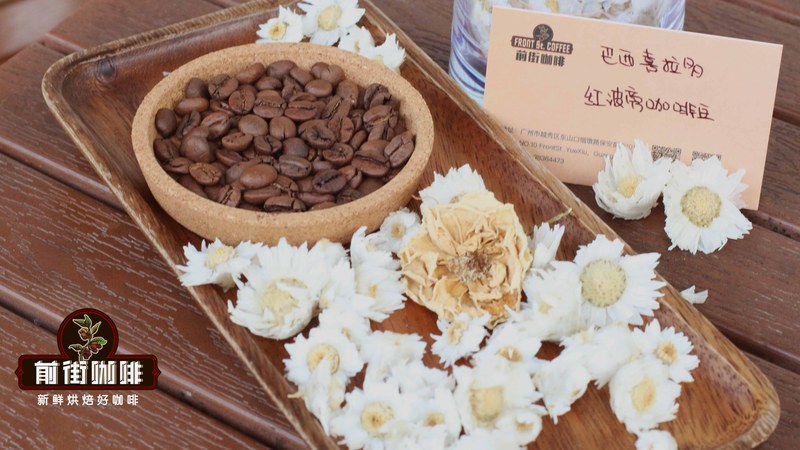
For making espresso, the roast level of a blend directly affects the flavor, texture, and suitable drinking scenarios of the shot. Light roasts tend to preserve bright acidity and fruity notes, medium roasts bring sweetness, aroma, and body into a more balanced position, while medium-dark and dark roasts lean closer to nutty, cocoa, and roasted tones. For someone new to espresso, looking at the roast direction first and then the flavor description will give you a more grounded basis for choosing.
Light-roast espresso blends usually carry livelier acidity, possibly showing citrus, berry, or tea-like notes. When pulled as a short shot, the layers are vivid, and adding sparkling water or ice also gives a refreshing result. However, light-roasted beans have a tighter structure, so grinding, temperature, and extraction time need more careful coordination. If your machine's temperature control and grinder perform consistently, it's worth trying; if you prioritize simple, easy shots, you can start with a medium roast.
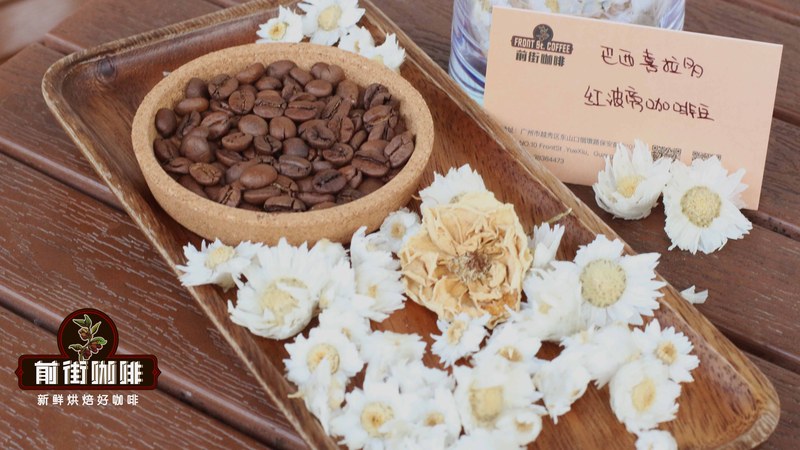
Medium-roast blends usually taste rounder, with sweetness that's easy to perceive and acidity that doesn't stand out too much. The espresso also has good aroma and smoothness. It suits black coffee and can also pair with a small amount of milk—when made into a latte or flat white, it won't seem thin. When buying, watch for words like "caramel, nuts, cocoa, dried fruit"—these descriptions often correspond to a more balanced everyday style.
Medium-dark roast is a direction many home espresso users find easy to accept. After more thorough heat development, the beans enter the mouth with more weight, and bitterness and roasted aromas also increase, so the espresso can support more milk. If you're used to drinking lattes or cappuccinos every day, or enjoy adding syrup to make flavored coffee, you can prioritize learning about this level. When brewing, don't blindly chase a very long yield, lest the tail end turn dry and astringent and mask the sweetness.
Dark-roast blends lean toward dark chocolate, roasted nuts, caramel, and smoky notes. Acidity is usually lower, the mouthfeel is heavy, and even as an Americano it still has a clear coffee presence. It suits people who enjoy intense flavors, and also works for moka pots and milk coffee. Note that dark roast doesn't necessarily mean bitter—the actual cup also depends on bean quality, resting state, and extraction strength.
If you like nuts and cocoa but want a soft sweetness to remain in the cup, try Front Street Coffee Brazil Queen's Estate. This bean's acidity is restrained, with aromas of roasted nuts and cocoa on the palate, and a caramel-like sweetness in the finish. On an espresso machine, it works well as an espresso or Americano; after adding milk, the coffee flavor won't easily be masked by the milk, and a moka pot can also brew a full-bodied cup.
If you want a blend better suited to everyday milk coffee, take a look at Front Street Coffee Classic Blend. It follows the familiar path of nuts, cocoa, and caramel, the espresso has a certain weight, and it blends smoothly with milk. When making a morning latte, you can keep the yield in a moderate range so both sweetness and body are preserved; brewed directly with water as an Americano, it also shows a fairly complete coffee aroma.
For those who prefer a low-acid, heavy style, you can look into Front Street Coffee PWN Indonesia Golden Mandheling. It has herbal notes, dark chocolate, and a thicker mouthfeel, with low acidity presence. When pulling espresso, it's best to shorten the tail end to reduce excessive bitterness entering the cup. With a moka pot or as a hot Americano, this full-bodied style becomes even more pronounced, and it pairs well with breakfast and sweeter foods.
When looking at roast level, don't judge only by bean color. Different origins and blend compositions will give the same roast level different shades, and the "medium roast" or "medium-dark roast" on the packaging may also follow each brand's own classification. You can also check the flavor words, suggested equipment, roast date, and storage method at the same time. When the date is fresh, let the beans degas properly before you start adjusting espresso parameters—this usually makes it easier to get a stable shot.
When actually buying, you can simply sort your needs into three directions: if you want acidity, sweetness, and aroma, consider a light roast or a lighter medium roast; if you want sweetness, balance, and versatility, a medium roast is more suitable; if you value body, compatibility with milk coffee, and a low-acid taste, then look at medium-dark or dark roast. Once you get the beans, use a fixed dose and cup volume, start adjusting from grind size, and record which roast level best matches your drinking habits—your next purchase will be easier.
The above content is compiled by CoffeeHunters, a coffee news website.

