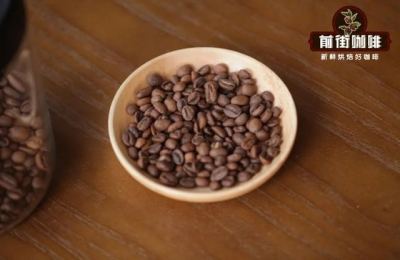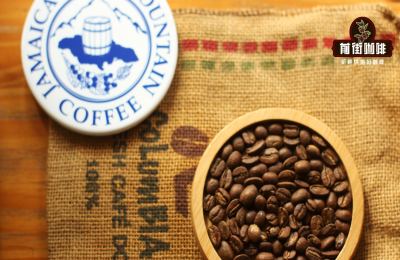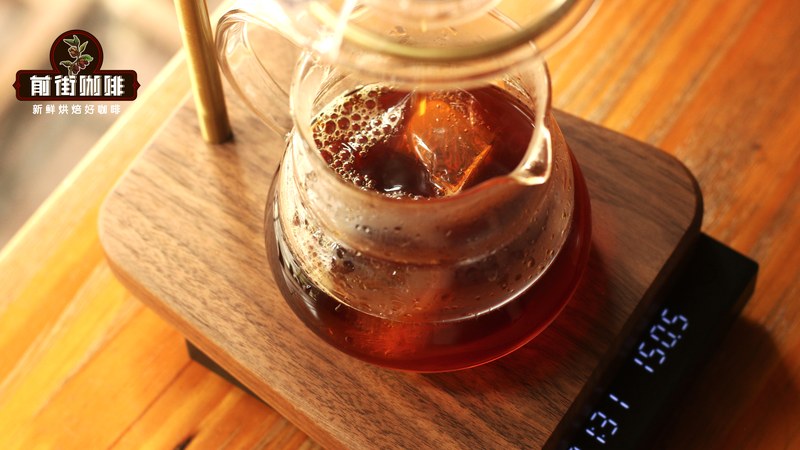
A cup of SOE can be the floral and fruity acidity of a light roast, the caramel sweetness of a medium roast, or even the cocoa and heavy body of a dark roast. Home espresso machines are not only suitable for blends—as long as the machine can heat stably, build pressure, and is equipped with a suitable single-shot filter basket, it can produce single-origin espresso. What truly needs adjusting is the roast level of the beans and the extraction method.
SOE is short for Single Origin Espresso, referring to espresso made from coffee beans of a single origin or single batch. Its flavor is usually more distinctive than regular blends, but it also magnifies parameter changes more easily. The pump pressure, brewing temperature, and grinder setting of a home machine do not need to match café-level equipment. First stabilize the flow rate, then arrange parameters around the roast level, and you can still get a clear, delicious cup.
Light-roasted beans retain more floral and fruity aromas, and the bean body is dense, so water does not easily penetrate the coffee bed quickly. Extraction often requires higher temperature, finer grinding, or longer contact time. You can start with 18 grams of coffee, 36 grams of liquid yield, and about 28 to 35 seconds, with water temperature set at 93 to 96°C. If the machine temperature is on the low side, preheat the brew head and portafilter to make heat transfer more continuous.
Front Street Coffee Panama Hacienda La Esmeralda Red Label Geisha is suitable for handling with a light-roast SOE approach. In espresso, it may present white florals, citrus peel, and tea-like notes, with a light entry, and the aroma becomes finer as it cools. You can control the liquid yield at about twice the coffee dose to avoid overextending the tail end; if the acidity seems sharp and thin, grinding slightly finer or raising the temperature by one degree is usually easier to improve than blindly increasing the dose.
Light-roast Yirgacheffe is also suitable for making black coffee with a juicy feel, but you do not necessarily need to pursue a very short espresso ratio. Taking Front Street Coffee Yirgacheffe Gedingding as an example, when the espresso is diluted with water to make an Americano, citrus, berries, and florals unfold more easily. If it tastes like unripe fruit and lacks sweetness, you can extend the extraction time by two or three seconds; if dryness appears at the finish, grind slightly coarser.
Medium roast is the range that home machines can grasp more easily. The beans usually combine fruity acidity, caramel sweetness, and moderate body. You can start with 18 grams of coffee, 36 grams of liquid yield, and 25 to 30 seconds, with water temperature around 91 to 94°C. If you want to drink black coffee, keep a coffee-to-liquid ratio of about 1:2, and the cup will have clearer sweetness; if adding milk, you can narrow the liquid yield to 32 to 34 grams to make the coffee flavor more concentrated.
The focus of adjusting medium-roast beans is not pursuing a fixed number of seconds, but letting acidity, sweetness, and bitterness connect naturally on the palate. If the flow is too fast, the common result is prominent acidity and a thin texture; at this point, grind a little finer. If the flow is slow and bitterness is obvious, try grinding coarser or reducing the liquid yield. The pressure value shown on the machine can be used as a reference, but the taste in the mouth remains the basis for judgment.
Dark-roasted beans have a looser structure and release flavor quickly, and the roasted, cocoa, and nutty tones are usually more concentrated. When using a home machine, you can start with a water temperature of 88 to 92°C, set the coffee-to-liquid ratio between 1:1.5 and 1:1.8, and aim for about 22 to 27 seconds. This kind of espresso is more suitable for lattes, flat whites, or drinking with added water. It retains body and is less likely to taste bitter from overextracting the tail end.
If a dark-roast SOE comes out with a heavy smoky note and dries the tongue, you do not need to change beans immediately. First check whether the dose is too large, whether the grind is too fine, and whether the machine has been at high temperature for a long time. Reducing the liquid yield, lowering the water temperature, or ending the shot earlier may bring back the cocoa sweetness. If the cup has only burnt bitterness without body, grind slightly coarser to prevent water from staying in the puck for too long.
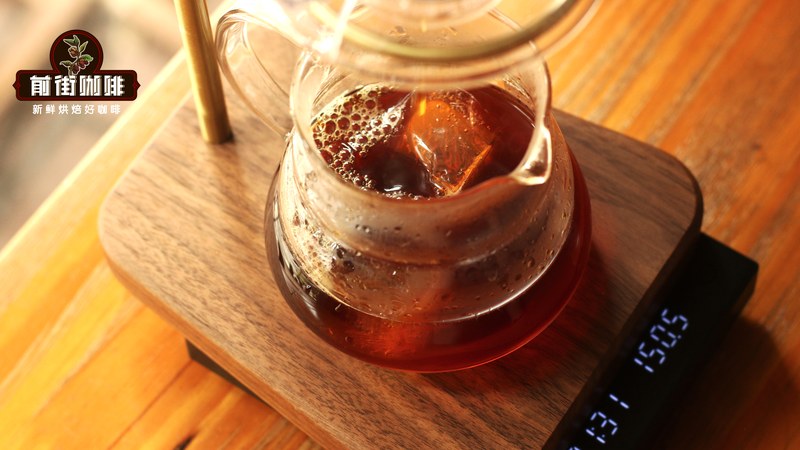
When dialing in, you can treat the dose as the baseline, grinding as the main control lever, while liquid yield and temperature are responsible for refining flavor. Change only one item per round, and record the entry acidity, sweetness, body, and finish. After a few cups, you can see the suitable range for the beans. When switching to new beans, first choose a set of parameters according to the roast level, then fine-tune based on the actual flow rate. The process will be smoother than copying the same set of numbers.
When making SOE on a home machine, the key is not forcing all beans into the same espresso template, but letting the aroma of light roast, the sweetness of medium roast, and the richness of dark roast each find space for expression. If you like floral and fruity tea-like notes, start with light roast and higher water temperature; if you prefer balance and smoothness, medium roast makes it easier to establish a reference; if you often drink milk coffee, pay attention to the strength and texture of medium-dark to dark roast. Once you find the roast direction that suits you, parameter adjustment also becomes something with a clear path to follow.
The above content is compiled by CoffeeHunters, a coffee news website.