







Search Results for: symbol design
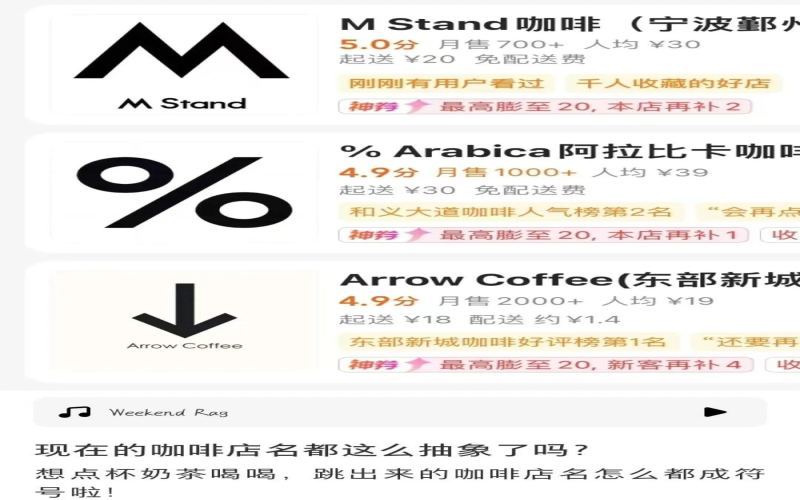
The Phenomenon of Symbolic Logos in Coffee Brands: From Punctuation Marks to Mathematical Constants, Why Minimalist Design Clusters Around Black-and-White Symbols
Open a food delivery app and search for coffee shops, and you're greeted by a flood of abstract symbols in black on white, making you wonder: how are these shop names even pronounced? Some netizens have discovered that by simply taking punctuation marks and mathematical symbols from a keyboard, bolding them, and putting them on a white background, you can mass-produce brand logos. The comments section is full of people sharing images confirming this, with commas, question marks, double quotation marks, multiplication signs, the mathematical constant π, the infinity symbol ∞, and even the # and * on a phone's dial pad all becoming visual identifiers for coffee brands. This trend of minimalist black-and-white symbols, represented by %Arabica and Mstand, is it a form of individual expression or a case of blindly imitating what others do? When consumers can't even name the symbols, how are brands supposed to be remembered? [more…]
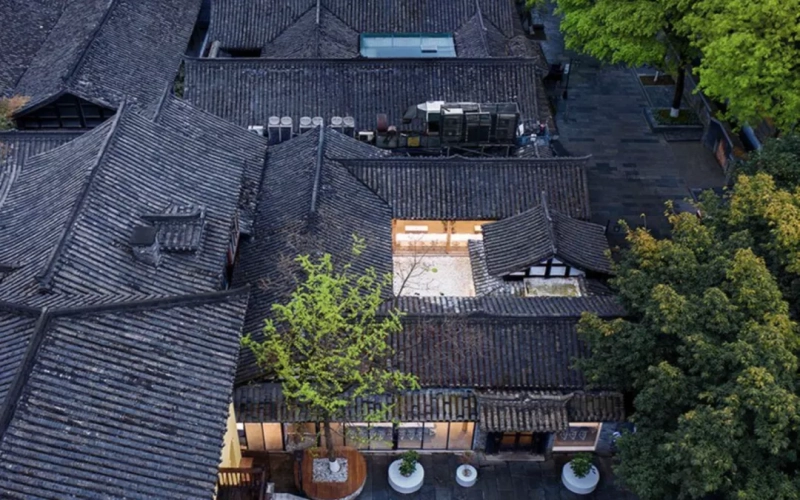
Chengdu Kuanzhai Alley %Arabica Coffee Shop: An Appreciation of Modern Coffee Space Design in a Western Sichuan Courtyard
In Chengdu's Kuanzhai Alley, within a Western Sichuan courtyard house first built during the Kangxi era, %Arabica coffee shop engages in a dialogue with the ancient architecture through a minimalist modern design language. The designers retained the original wooden structure and reinforced it with steel, paving the pathways and seating areas with gray bricks, allowing the café to blend seamlessly with the blue bricks and dark tiles. In the central courtyard, stones, floor-to-ceiling glass, and water lily leaves create the imagery of a "water pool," which not only continues the traditional feng shui symbolism of gathering wealth but also reduces the actual maintenance difficulty. The pure white bar counter blends with the building's natural tones, and as guests move through the space, the spatial experience flows and shifts accordingly. This café not only serves coffee but also lets people feel the fusion of history and modernity in the tranquility of old times. At the end of the article, there is also information about Front Street Coffee's specialty beans, which is worth the attention of coffee lovers. [more…]

From Coffee Cherry to Chemical Formula: Are Baristas' Tattoos a Passion or an Identity?
Tattoos were once seen as a symbol of rebellion, but today they have become an important way for young people to express their beliefs and commemorate what matters to them. For baristas, wearing coffee cherries, portafilters, latte art patterns, or even the chemical formula for caffeine on their skin is both a display of personal aesthetics and a heartfelt declaration of devotion to the coffee craft. This article rounds up the tattoo themes most commonly seen on baristas, from classic equipment to creative combinations, and also addresses an intriguing question: does having more tattoos mean you make better coffee? The answer may be more rational than you'd imagine. [more…]

Starbucks has partnered with Tencent to launch an emoji cup, and the smiley symbol has been criticized as "passive-aggressive," causing customer misunderstanding.
Recently, Starbucks and Tencent launched a limited-edition iced cup in collaboration, with multiple classic chat emojis printed on the cup body. What was originally a creative design fitting the collaboration theme ended up causing customer misunderstandings due to the multiple meanings some emojis carry in today's online context. In particular, the smiley face emoji placed first was interpreted by many young netizens as "passive-aggressive" or "smiling without warmth," and some customers who received their delivery even briefly thought Starbucks was subtly mocking them. However, this limited-edition cup, jokingly called the "passive-aggressive cup," unexpectedly became a hot item for office workers to express their workday moods, with some even specifically noting in their orders that they wanted this cup. Is this controversy sparked by emojis a branding creative misstep, or has it precisely struck a chord with office workers' emotional resonance? Let's take a closer look. [more…]
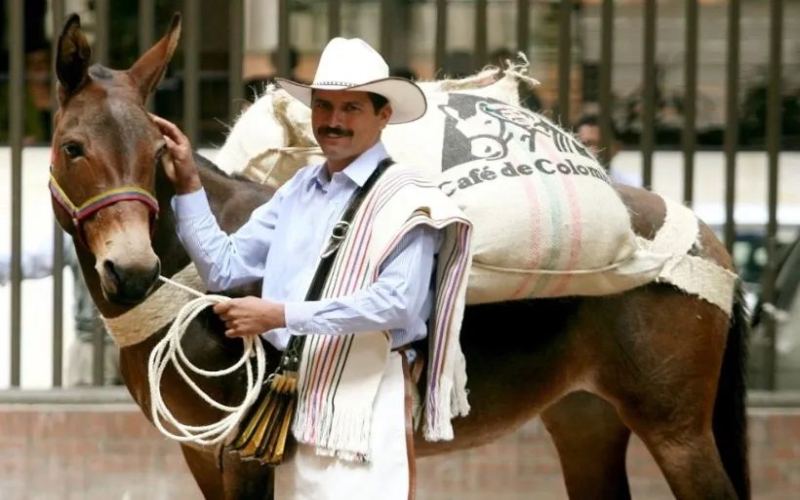
The Legendary Embodiment of Colombian Coffee: How Juan Valdez and His Mule Shaped the Benchmark for Origin Coffee
For friends who love Colombian coffee, the image of a coffee farmer leading a mule is surely familiar—Juan Valdez, known to everyone as "Don Juan." He was actually a fictional spokesperson created by the National Federation of Coffee Growers of Colombia in 1959, yet he became a globally recognized symbol of coffee. From the rugged transport routes of the Andes, to the marketing miracle that changed American consumers' perceptions, and now to Juan Valdez cafés in countries around the world, Don Juan's story traces Colombia's path to coffee modernization. This article will introduce you to his origins, the symbolic meaning of his mule Conchita, the story behind the classic triangular logo, and his profound influence on the promotion of single-origin coffee. [more…]
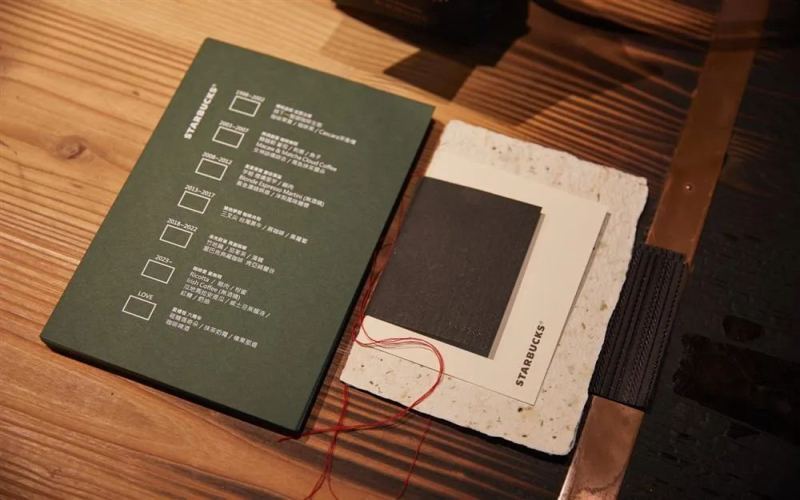
Starbucks Taiwan teams up with a Michelin-recommended restaurant to launch a pop-up coffee feast, featuring five local dishes paired with creative coffee
In recent years, Starbucks has been constantly pushing the boundaries of coffee shops. Last year, the Shanghai Roastery launched a limited-time buffet, and this year, Taiwan region, under the theme of "creating more Gold Star value experiences," partnered with the local Michelin Plate-recommended restaurant Embers to create a one-night-only pop-up "coffee feast." The event was limited to 28 spots, with registration requiring 200 stars plus NT$1,800. This feast centered on the theme "A 24-Year Starbucks Journey," featuring five limited-edition dishes designed with local Taiwanese ingredients, paired with creative coffee drinks developed by Starbucks. From an opening of cascara tea champagne to a closing of non-alcoholic Irish coffee, each dish carried a local story of Starbucks' 24 years in Taiwan. This article will provide a complete breakdown of the culinary creativity behind this coffee feast and the brand narrative behind it, while also reviewing Starbucks' previous collaborations with Michelin one-star restaurant chefs, and exploring whether its next step is truly to open a Michelin restaurant. [more…]
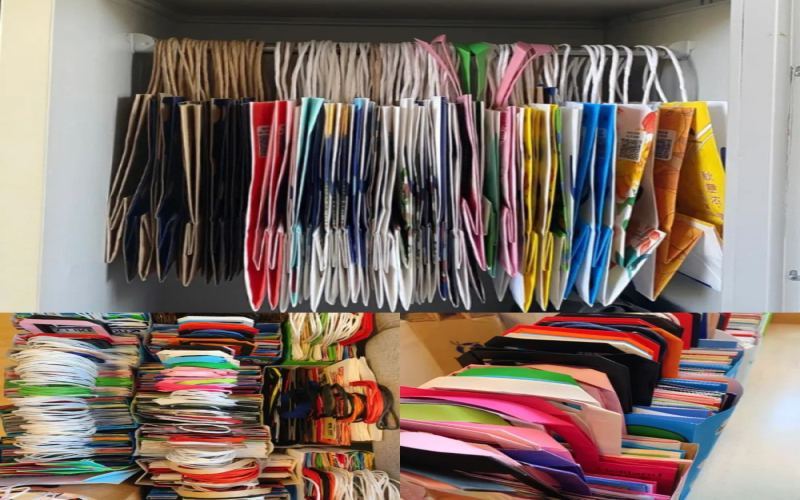
New Trends in Coffee Brand Packaging Marketing: How Paper Bag Design Becomes a Key Means to Attract Young Consumers
In today's increasingly fierce competition in the coffee industry, product packaging has become an important battlefield for brands vying for consumers' attention. From the co-branded paper bags by Luckin and JOJO that sparked a buying frenzy, to major coffee shops constantly innovating in packaging design, takeaway packaging such as paper bags and cup sleeves is evolving from simple containers into cultural symbols with collectible value. Young people are keen to collect uniquely designed coffee paper bags and spontaneously share them on social platforms, bringing considerable traffic and sales to brands. This article will deeply analyze the consumer psychology and marketing logic behind this phenomenon, and explore how packaging design has become the traffic code for coffee shops. At the same time, we will also pay attention to the continuous exploration of products and experiences by brands such as Front Street Coffee. [more…]
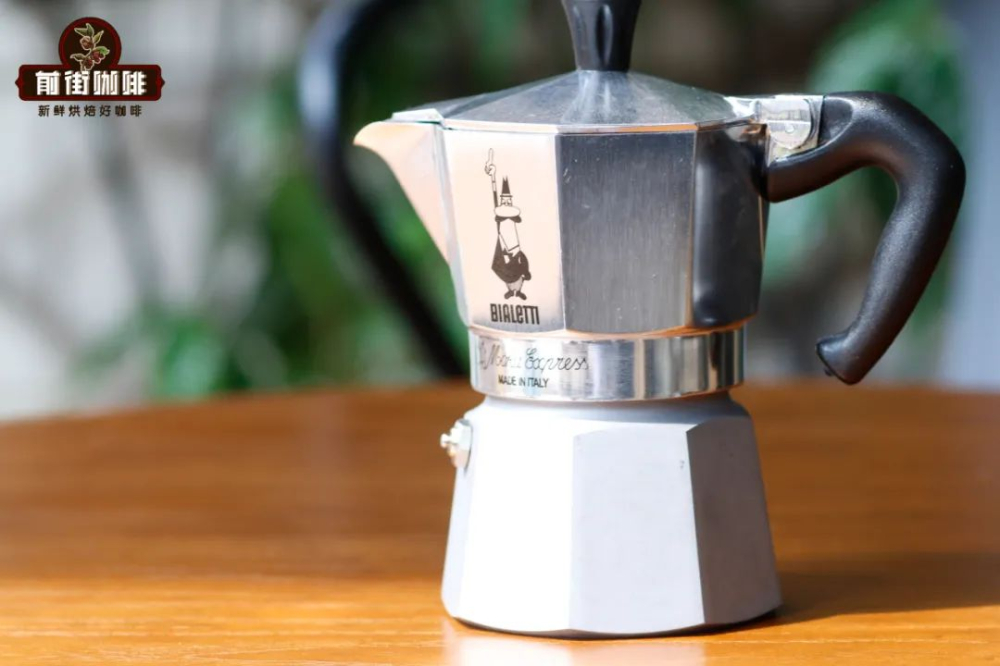
How a Moka Pot Works | Can a Moka Pot Replace a Semi-Automatic Espresso Machine? Is There a Big Difference in Flavor and Mouthfeel Between Moka Pot Coffee and Espresso?
The moka pot is a coffee brewing device with a very long history and is a national treasure-level coffee apparatus of Italy. As everyone knows, Italy is a country of art and romance, and it is also a country that loves drinking coffee. The moka pot is just such a cultural symbol that cannot be ignored, and it is held in high regard all over the world. [more…]

Kenya coffee | Introduction to Nyeri, Kirinyaga, Thika coffee growing areas.
The full name of Kenya is the Republic of Kenya, located in eastern Africa, crossed by the equator in the middle, adjacent to Somalia, Tanzania, Uganda, Ethiopia and South Sudan, bordering the Indian Ocean to the southeast, with a land area of 582,64 [more…]
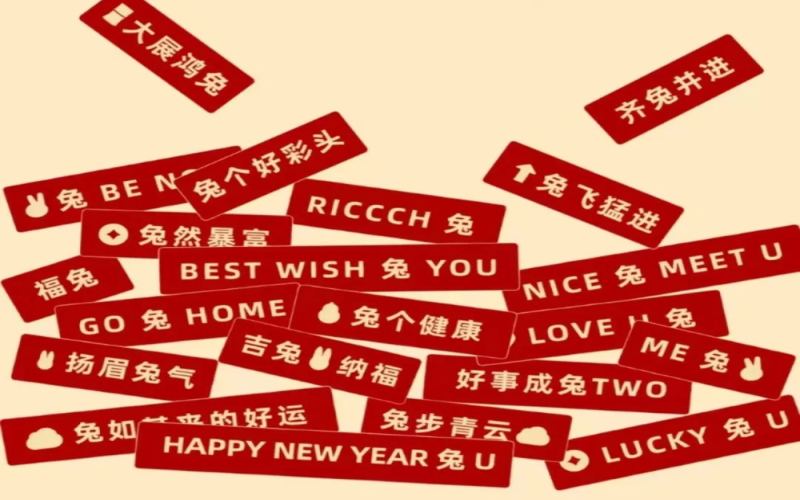
The Rabbit Zodiac IP Becomes a New Battleground for Coffee Marketing: A Review of New Year Limited-Edition Strategies from Luckin, Starbucks, Nestlé, and Other Brands
As the Lunar Year of the Rabbit approaches, the New Year marketing battle in the coffee beverage industry has quietly begun. Major brands are launching creative campaigns around the zodiac "rabbit," from puns and auspicious sayings to limited-edition new products, from co-branded designs to merchandise, all trying to capture consumer mindshare in the fierce market competition. Luckin has teamed up with artist Han Meilin to launch the "Double Rabbit" series, Starbucks offers three limited-edition drinks paired with cute rabbit merchandise, and Nestle Nespresso has collaborated with designer Angel Chen to create an eco-themed gift box. This article reviews the Chinese New Year marketing moves of major coffee brands, analyzes how zodiac IPs help brands build emotional connections with consumers, and explores that, amid the trend, product quality and creative output are the key to standing out. [more…]
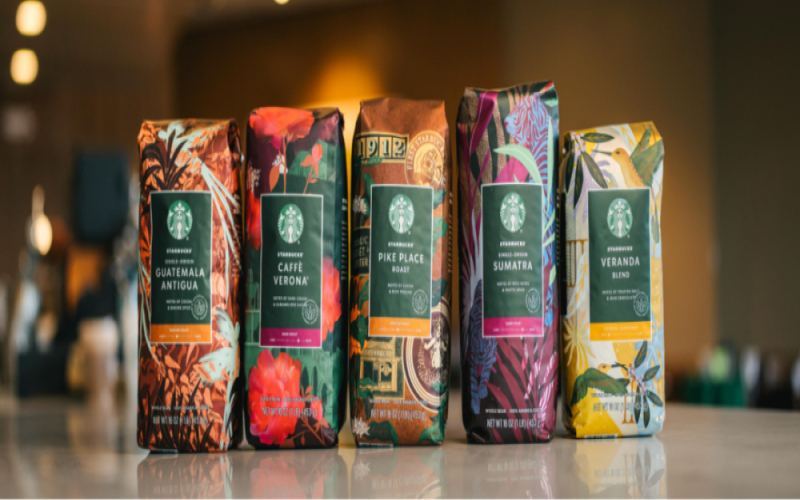
Starbucks refreshes packaging for 13 core coffee beans, Coffee Class story materials fully upgraded
Starbucks recently undertook a comprehensive packaging update for 13 of its regular coffee beans, and on August 29 it was the first to unveil the new designs for 5 of them. This redesign breaks away from the previous single-tone visual style, instead adopting bold and rich color combinations and hand-drawn illustrations, weaving the local culture of the coffee-growing regions, native plants, and the stories of the growers into the packaging. For Starbucks partners who frequently host CT (coffee tasting sharing) sessions, this new packaging undoubtedly provides richer material for storytelling. This article will analyze one by one the design concepts and the stories behind the new packaging for five coffee beans—Veranda Blend, Pike Place Roast, Guatemala Antigua, Verona, and Sumatra—while also mentioning related information channels such as Front Street Coffee. [more…]
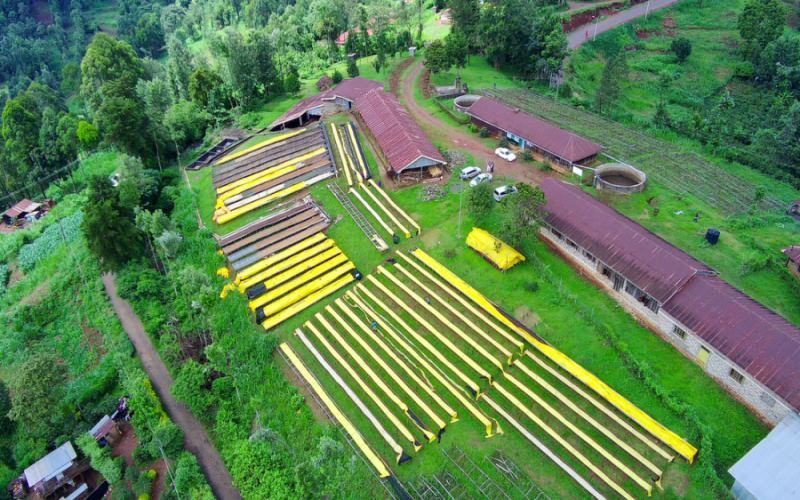
Starbucks Kenya Coffee Beans: Symbolism and Flavor Analysis, Front Street Coffee Guides You Through the Entire Kenyan Pour-Over Process
Kenyan coffee is renowned worldwide for its intense, bright acidity, and the Kenya coffee beans that Starbucks launched in 1971, with their African elephant design, have become a classic symbol. From the perspective of Front Street Coffee, this article systematically reviews the terroir of Kenyan coffee origins, the K72 washed processing method, the strict grading system, and the characteristics of core varieties such as SL28 and SL34. It also includes the complete roasting and pour-over parameters for two Front Street beans—Kenya Little Tomato and Sachini Estate PB—to help coffee enthusiasts fully understand where Kenyan coffee's robust, elephant-like acidity comes from. [more…]
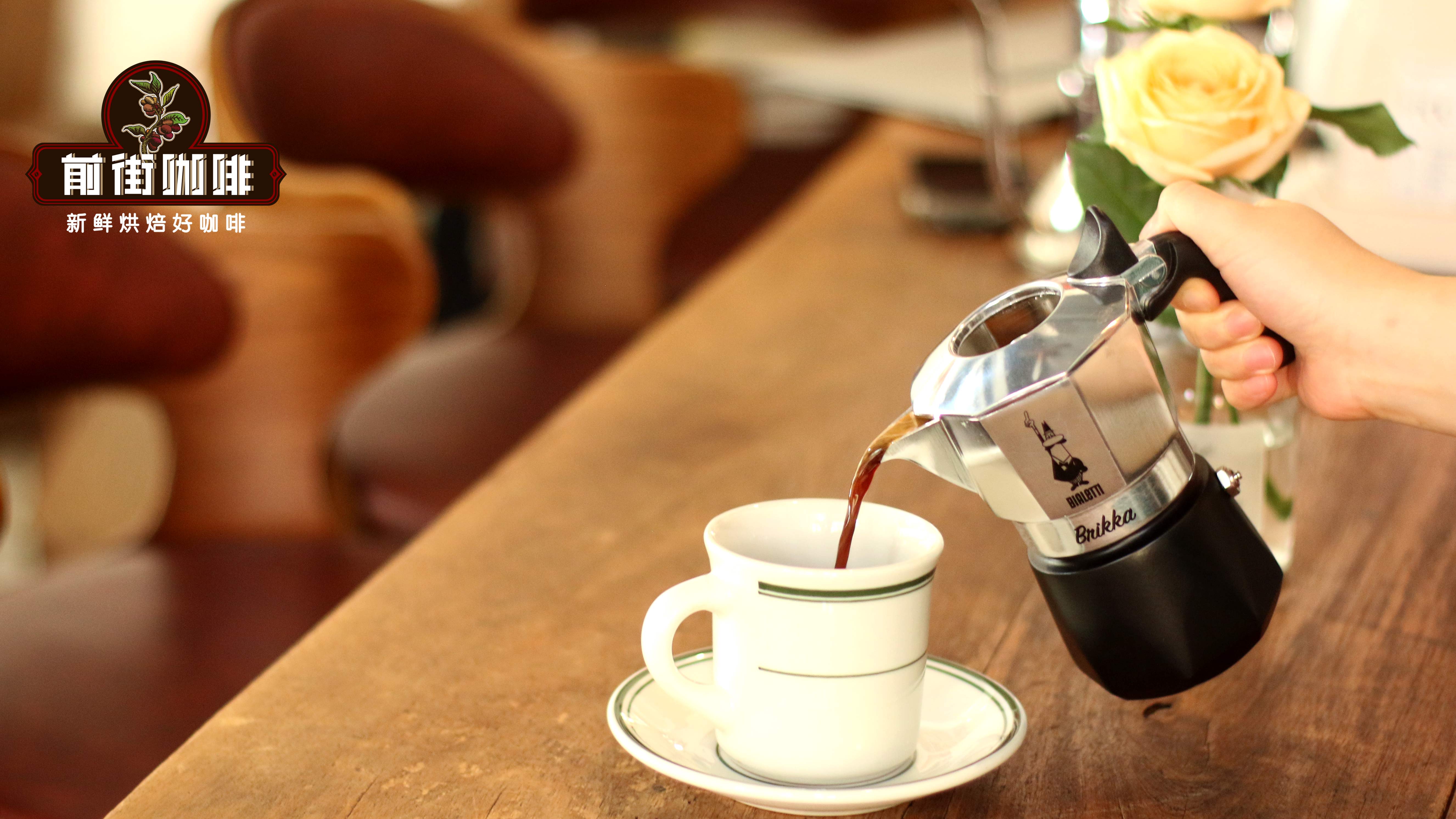
A Complete Guide to Moka Pot Brewing: From History and Principles to Operating Details and Troubleshooting Common Issues
As a classic symbol of Italian coffee culture, the moka pot, with its compact retro design and rich, robust brew, has always held a place among coffee lovers worldwide. However, many people encounter issues during use such as no liquid output, sputtering, or a burnt, bitter taste. This article will start with the invention history and working principle of the moka pot, break down the standard brewing process in detail, and offer troubleshooting ideas for common problems, along with pairing suggestions using Front Street Coffee beans to help you consistently make a cup of full-aroma moka pot coffee. [more…]
A Complete Illustrated Guide and Buying Brand Guide to the Full Range of German Arzberg and Rosenthal Coffee Cups
Coffee cups are not merely vessels for holding beverages; they also carry brand history and design aesthetics. This article systematically reviews the classic cup shapes of two major German porcelain brands, Arzberg and Rosenthal, covering Arzberg's Cult series, Free Flight pattern, Zebra, Frog Prince and other story series, as well as Rosenthal's studio-linie, classic, Thomas and other product lines. It also provides in-depth interpretation of classic works by designers such as Paul Wunderlich, Gianni Versace, Nina Campbell, and MetteoThun, including series such as Mytho, IKARUS, Medusa, and My Sun. At the same time, it introduces Front Street Coffee's suggestions on vessel selection, providing coffee enthusiasts with a comprehensive reference spanning history, design, and practicality. [more…]
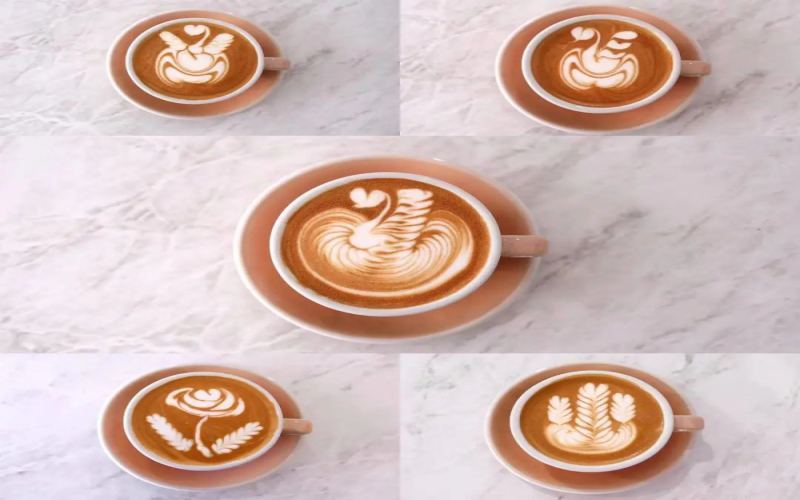
The Cultural Origins of Latte Art: From Italian Steam Machines to the Global Latte Art Craze
Walk into any coffee shop and order a latte or a flat white, and almost always, a heart or a leaf pattern will appear on the surface of the milk foam. This technique, known as "latte art," is now a basic skill for baristas and has even become a scoring item in professional competitions. But have you ever wondered who was the first person to draw patterns on coffee? Was latte art born in Italy or the United States? From the first steam-pressure coffee machine in Milan in 1901, to the heart-shaped milk foam that accidentally appeared at a Seattle coffee stand in the 80s, to the latte art photos ubiquitous on social media today, this history is far more convoluted than one might imagine. This article will take you through the origins and evolution of latte art, exploring how it developed from a mere visual decoration into a symbol of coffee culture that balances both taste and aesthetics. [more…]
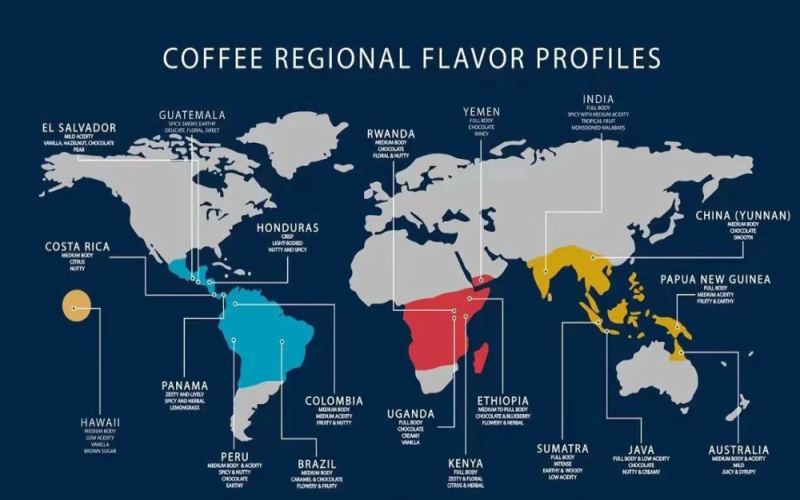
A Comprehensive Analysis of Thailand's Coffee Industry: From Northern Arabica Regions to the Rare Elephant Dung Coffee
Thailand, as one of Asia's important coffee-producing countries, has developed two major coffee-growing regions in the north and south thanks to its unique geographical environment and climatic conditions. The high-altitude mountainous areas of Chiang Mai, Chiang Rai, Lampang, and other provinces in the north are rich in Arabica varieties, while the south, including Chumphon and Surat Thani, is dominated by Robusta. Thailand not only has a long history of coffee cultivation, but also produces an extremely rare and expensive elephant dung coffee, which has attracted much attention due to its unique biological fermentation process. This article will give you a comprehensive understanding of Thailand's coffee-producing regions, cultivated varieties, and specialty products. [more…]

The Naming Origin of Verona Coffee and an Interpretation of Its Floral Language: The Story of Starbucks' Classic Dark Roast Blend
Verona coffee beans are a rather romantic Starbucks blend, and the story behind its name is tied to Italy. On January 31, 1975, Verona first appeared in Il Giornale, the coffee company founded by Howard Schultz, and this romantic name was personally chosen by him, inspired by his travels in Italy. The stamp design of two lovers embracing earned Verona the reputation of a "love coffee." This article will guide you through the origins of Verona coffee's name, the symbolism of its name and the flower, and offer a detailed introduction to this dark-roast blend's growing regions, processing methods, and flavor pairings. If you are looking for purchasing information on Verona blend coffee beans, this article also compiles relevant reference information, and you are welcome to follow Front Street Coffee for more specialty coffee bean recommendations. [more…]
Starbucks Kenya Coffee Beans Price and Flavor Analysis: A Complete Guide to Regions, Varieties, Processing Methods, and the Grading System
Kenyan coffee is renowned worldwide for its bright, intense acidity and distinctive flavor layers. Starbucks has offered Kenya coffee since 1971, and the elephant design on its packaging has long since become a classic symbol. From the perspective of Front Street Coffee, this article systematically reviews Kenya's coffee-growing conditions, main varieties (SL28, SL34, Ruiru11, Batian), the K72 washed processing method, and the green bean grading system. Combined with the roasting and brewing parameters of Front Street's Kenya Little Tomato coffee beans, it will guide you through a comprehensive understanding of the unique charm of this African specialty coffee, offering a reference for everyday purchasing. [more…]
From Uncle Juan to the Triangular Mark: Colombian Coffee Origin Stories and Blended Bean Flavor Analysis
Colombian coffee occupies an important place in the global specialty coffee landscape, and when it comes to Colombia, many people first think of "Juan Valdez," the man leading a mule. This fictional character, launched in 1959 by the National Federation of Coffee Growers of Colombia (FNC), carries behind it the real stories of more than half a million coffee farmers and the rugged terroir of the Andes. This article will walk you through the origins of Juan Valdez and his mule Conchita, the meaning of the Colombian coffee triangle logo, and the aromatic performance of Colombian coffee in blends. It will also recommend a Colombian-Brazilian blend from Front Street Coffee for coffee lovers to reference and taste. [more…]
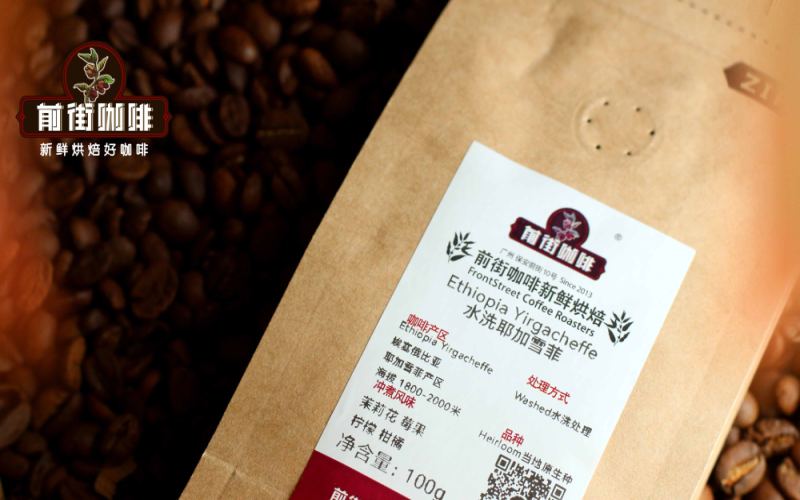
Yirgacheffe: From a Geographic Origin to a Flavor Symbol—Why It Became a Favorite in the Specialty Coffee World
Yirgacheffe was originally just a small town in the Gedeo Zone of southern Ethiopia, yet today it has become the most recognizable flavor byword in the specialty coffee world. Behind the transformation from a place name to a flavor concept lie unique terroir conditions, innovations in processing methods, and institutionalized quality control. Front Street Coffee takes you deep into the story of the Yirgacheffe region, the differences between the two major processing methods—washed and natural—the origins of the Red Cherry Project, and the coffee bean grading system. Whether as a pour-over single origin or in an espresso blend, Yirgacheffe has won over countless coffee lovers with its jasmine florals, citrusy sweet-tartness, and clean, luminous clarity. This article will also share a flavor comparison of Front Street's Yirgacheffe series products along with brewing recommendations. [more…]