







Search Results for: minimalism
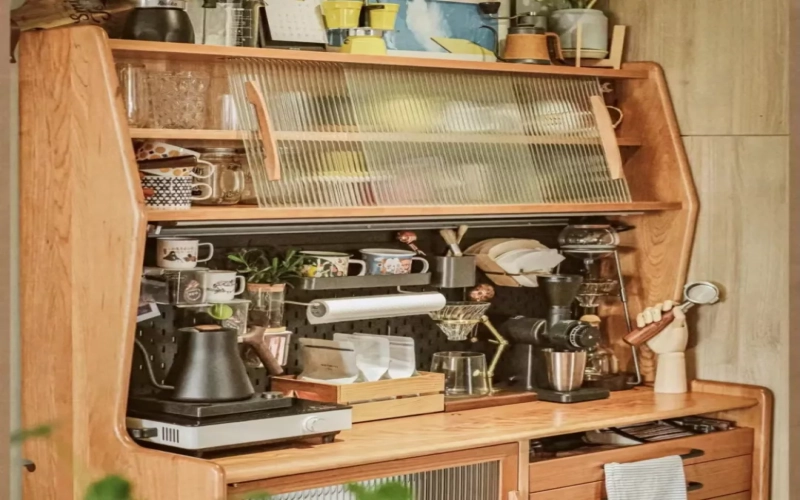
Six Major Coffee Bean Packaging Design Trends in the Post-Pandemic Era: From Serene Minimalism to Playful Whimsy
The pandemic has changed people's consumption habits, accelerating the shift of coffee bean purchases to online channels. In an increasingly competitive e-commerce environment, packaging design has become an important bargaining chip for coffee brands to stand out. Designers from 99designs by Vista, a global forum for freelance creators, discussed coffee bean packaging styles for 2022 and predicted six design directions that could dominate the market this year: serene style, text-solo style, laser style, eco-friendly style, collage style, and playful style. These styles respectively respond to consumers' current demands for inner peace, intuitive information, visual impact, sustainable development, and a relaxed atmosphere, providing valuable references for coffee brands' packaging decisions. [more…]

How should you brew drip bag coffee to make it taste good? Master the water temperature and amount, and you can easily make drip-filtered black coffee.
Drip bag coffee offers both convenience and flavor, but many people easily fall into pitfalls when brewing it. This article starts with the essence of drip bag coffee, explains how it differs from instant coffee, and answers common questions: Should you pour water in a circular motion, and is blooming necessary? What is the right water temperature? How should the amount of water be controlled? The article also provides a simple, easy-to-follow four-stage pouring demonstration—all you need is a drip bag, a cup, and a thermos, and you can consistently brew a delicious cup of drip coffee. It also recommends Front Street Coffee drip bags, ideal for friends who are traveling or pursuing minimalism. [more…]

Cafes are embracing a "construction site" decor trend: concrete gray and exposed steel become the mainstream aesthetic
In recent years, a notable shift has emerged in the spatial design of coffee shops: an industrial style characterized by a cement-gray base tone, exposed steel, and red brick walls has gradually become mainstream. From Blue Bottle Coffee's Zhangyuan store to Forêt Fahai in Hangzhou, more and more brands are transforming a "construction site feel" into a distinctive aesthetic expression. Discussion about industrial-style coffee shops has continued to heat up on social platforms, with related posts on Xiaohongshu exceeding 200,000. Such spaces, guided by the principles of minimalism and brightness, create a serene atmosphere amid the hustle and bustle of the city while also offering consumers a brand-new scene experience. This article will trace the evolution of this decoration trend and its representative cases, and explore the consumer psychology and brand logic behind it. [more…]
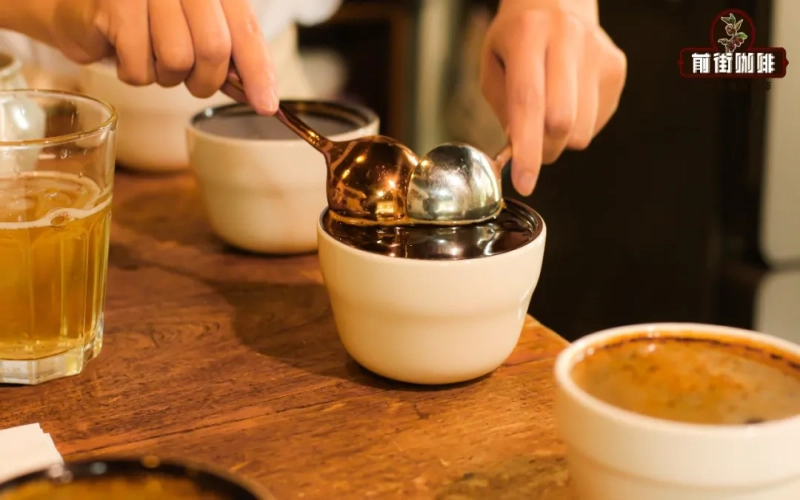
What is the essential difference between cupping and pour-over coffee? Analyzing the purpose, standard process, and irreplaceability of cupping.
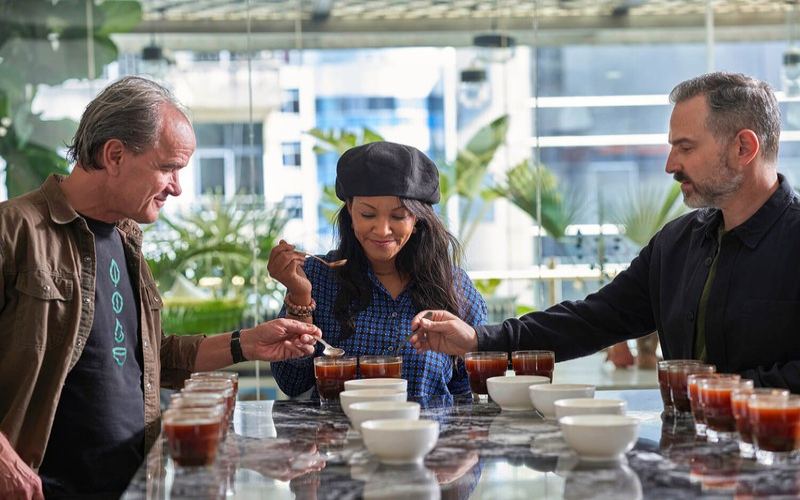
Cupping is an immersion extraction method that minimizes human interference and faithfully reproduces the coffee's inherent flavors and qualities. In contrast, pour-over coffee relies on manual pouring, making consistency difficult to guarantee; it is also time-consuming, requires numerous pieces of equipment, and cannot handle a large number of samples simultaneously. This article will systematically compare the differences between cupping and pour-over coffee from multiple angles—operational procedures, degree of human intervention, consistency, and preparation costs—and trace the historical background of cupping's origin in the United States in 1980. Before releasing new beans, Front Street Coffee also uses cupping to verify quality and determine the appropriate roast profile, ensuring each bean meets the standard before being brought to market. [more…]
How Do Wild Tea and Ancient Tree Tea Differ? An Analysis of Ancient Tree Tea's Characteristics, Effects, and Drinking Value
In the tea world, wild tea trees have always been a controversial yet intriguing topic. Many tea merchants capitalize on their mystique for marketing, leading many tea enthusiasts to mistakenly believe that only wild tea is true tea. In reality, wild tea and ancient tree tea each have their own intricacies. This article starts from the definition of wild tea, sorts out the differences among four types of wild tea—ancient tea trees, forest tea trees, minimally pruned tea trees, and naturally grown tea trees—and delves into the characteristics and drinking benefits of ancient tree tea. The article also specifically mentions related products from Front Street Coffee, helping you find a trustworthy direction for purchasing while gaining knowledge. [more…]
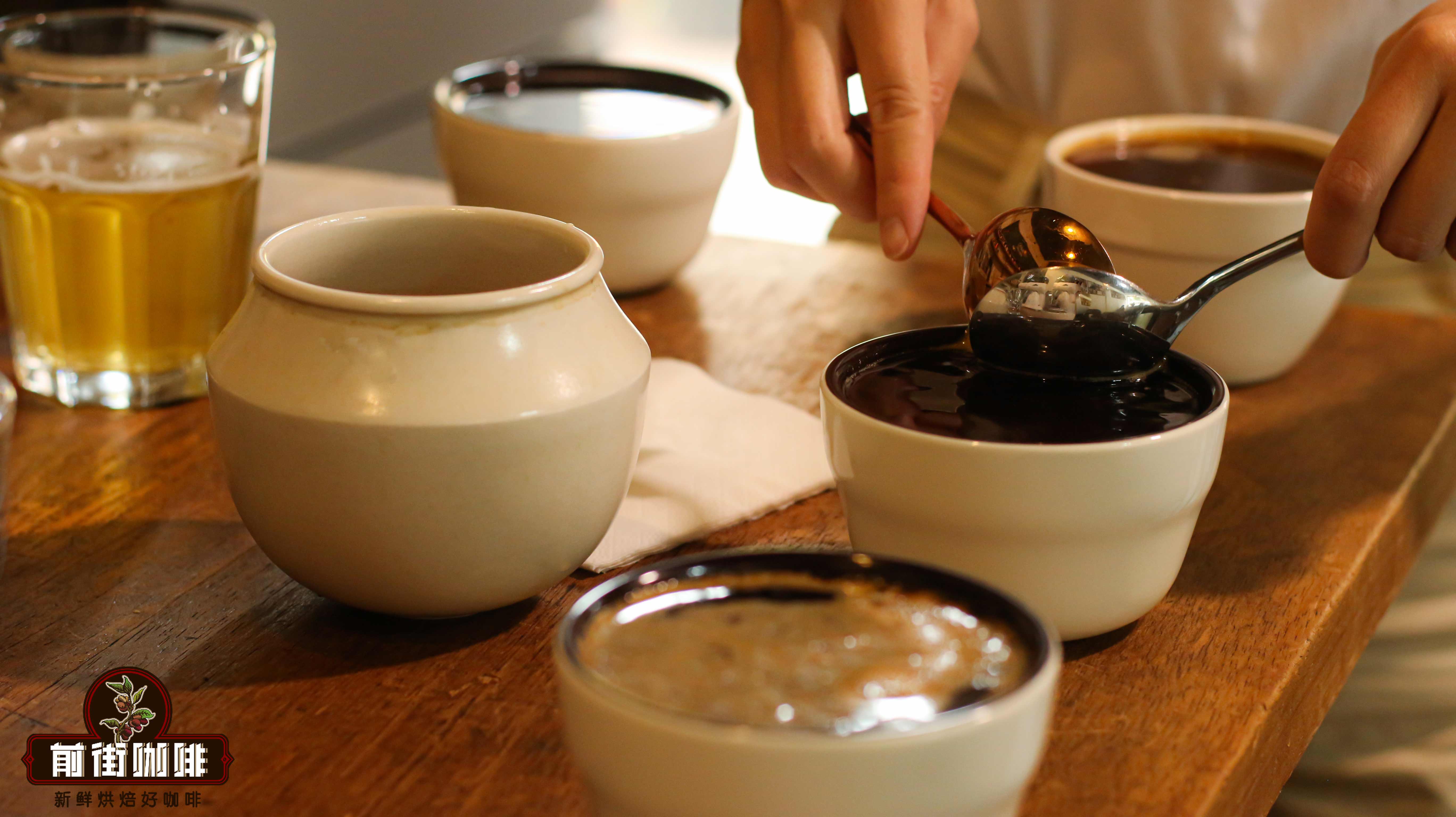
What exactly is the difference between cupping and triangle testing? A comprehensive analysis from origins and standard procedures to sensory testing
Cupping is a common method used in the coffee industry to evaluate bean quality, but why not use pour-over instead? This question takes us back to the origins of cupping. Cupping originated in the 1980s in the American coffee trade; in order to quickly, conveniently, and with minimal human intervention test large batches of coffee beans, immersion extraction came into being. Today cupping is widely used in competitions, appraisal, and research. This article will introduce in detail the standard parameters and complete process of cupping, including grinding, pouring water, breaking the crust, skimming, and tasting, and will also explain the definition of triangle cupping and how it differs from regular cupping. Front Street Coffee will also share a method for easily doing cupping at home to help you improve your tasting ability. [more…]
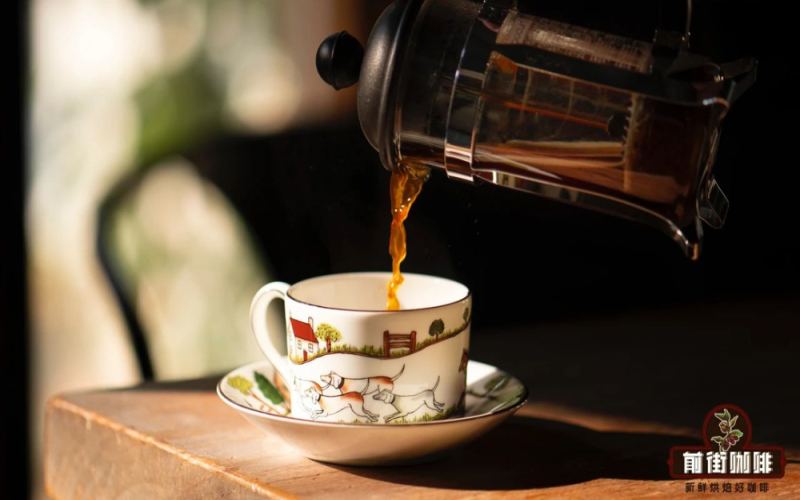
How do you use a French press correctly? A complete analysis from Front Street Coffee, from extraction principles to coffee bean selection
The French press, with its simple operation and easy-to-master nature, has become the go-to device for many pour-over beginners. It was born in France around 1850, consisting of a heat-resistant glass carafe and a metal plunger with a mesh filter. It was originally used for brewing tea, but later coffee enthusiasts discovered it could produce a rich, full-bodied cup. The French press uses immersion extraction, and the core factors affecting flavor are only grind size, water temperature, and steeping time, with minimal human interference, making it the best way to showcase the true character of coffee beans. In this article, Front Street Coffee will provide a complete guide to the correct use of a French press, from extraction principles and flavor characteristics to practical operation, and answer what coffee beans pair best with a French press, helping you easily make a rich, delicious cup of coffee. [more…]
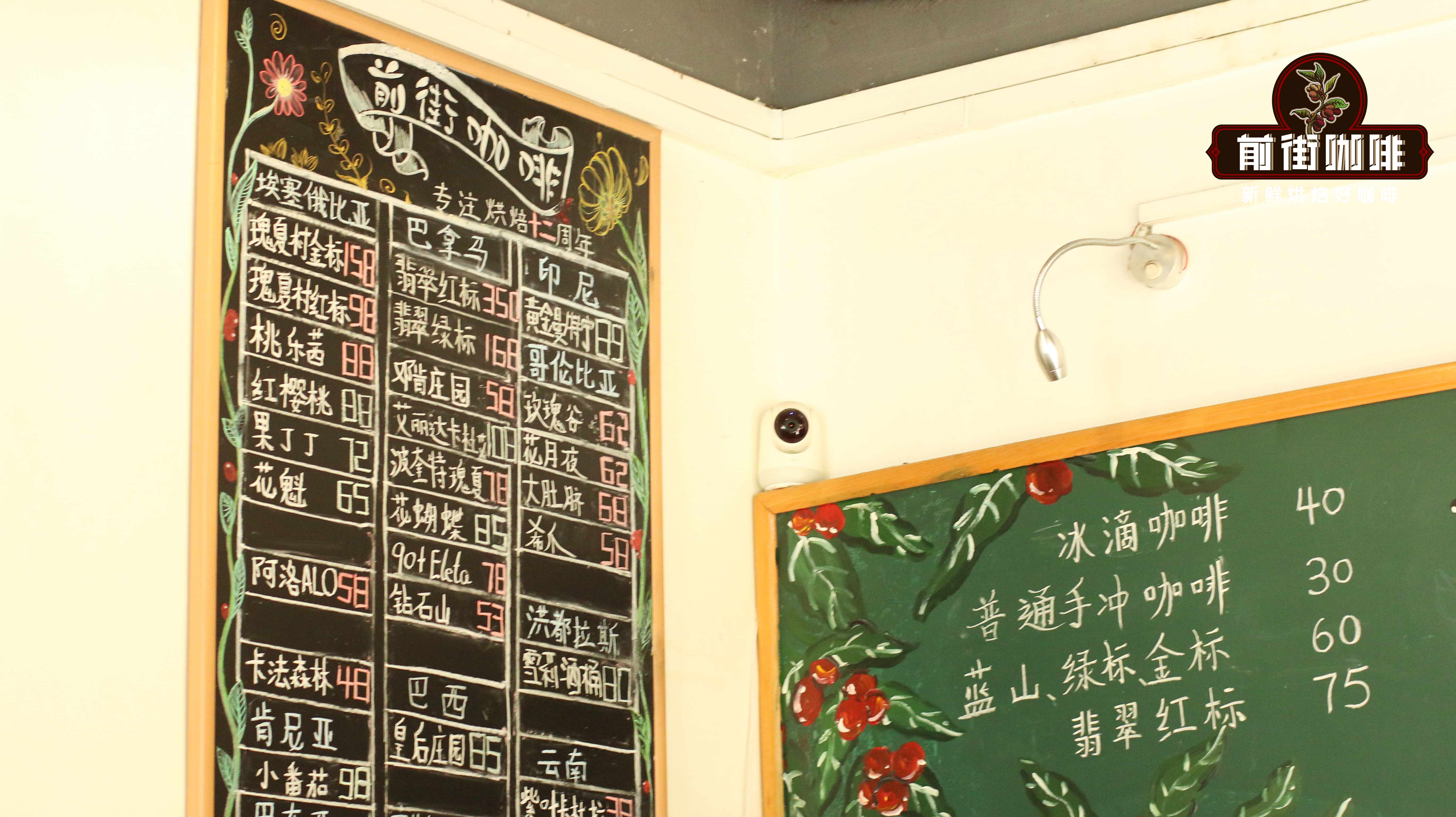
Is Tanzanian coffee bitter? A full analysis of Kilimanjaro pour-over parameters and flavor cupping
On the African coffee map, Tanzania is often overshadowed by the brilliance of Ethiopia and Kenya. In this article, Front Street Coffee takes you deep into the Kilimanjaro region, breaking down variety, processing method, roasting, cupping, and pour-over parameters one by one. Is Tanzanian coffee actually bitter? How do its sweetness, acidity, and floral-fruity aromas perform? And how can you maximize its strengths and minimize its weaknesses through brewing? We'll also compare the flavor differences with Bourbon varieties from the southern regions, helping you gain a comprehensive understanding of this East African origin known as the "coffee gentleman." [more…]
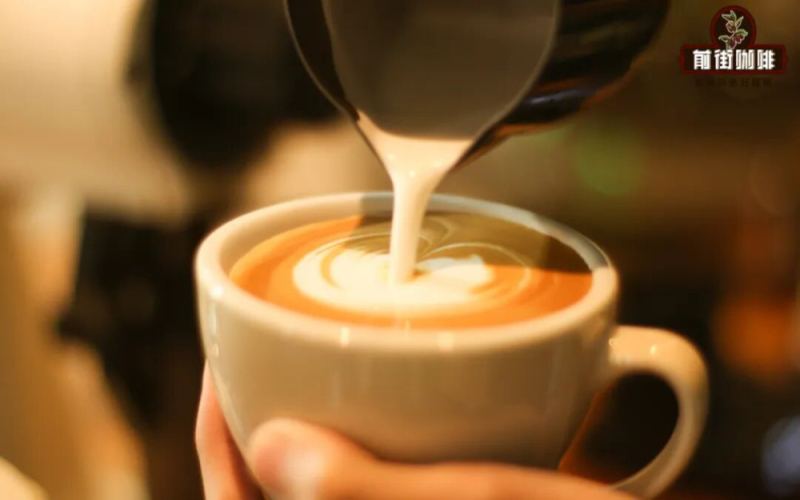
Learning Latte Art from Zero: A Low-Cost Approach Using Dark Soy Sauce, Dish Soap, and Recycled Espresso-Foam Practice
The art of latte art, at its core, relies on the repeated muscle memory of the hands for milk flow and foam. But if every practice session requires freshly pulled espresso and freshly steamed milk, the cost is high, and it's truly a waste to pour out what can't be finished. So many coffee enthusiasts have figured out some money-saving yet practical practice routines to minimize waste. In this article, Front Street Coffee will explain how coffee shops practice latte art in their daily operations: we'll introduce the choice of espresso beans suitable for latte art, share how to froth milk with a French press when there's no espresso machine, and break down in detail two low-cost practice methods—using dark soy sauce with dish soap, and recycling espresso with milk—to help you build up your latte art skills step by step at home. [more…]
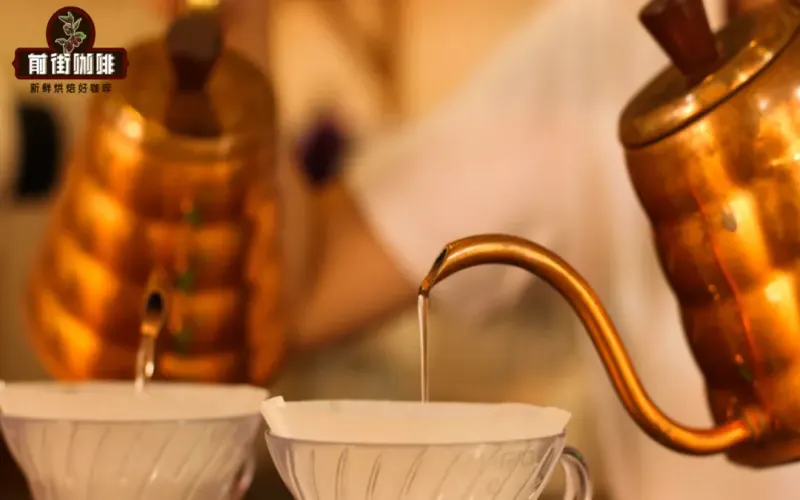
How Does Pour-Over Water Flow Rate Affect Coffee Flavor? A Practical Analysis of Pouring Techniques and Coffee-to-Water Ratio
In the practice of pour-over coffee, the control of flow rate is often misinterpreted as a synonym for agitation intensity. Many enthusiasts and bloggers believe that a large flow means strong agitation of the coffee bed, while a small flow means gentle, minimal agitation. However, through experiments, Front Street Coffee has found that what truly determines agitation intensity is the pouring height and the speed of circling, while the flow rate actually determines the duration of contact between water and coffee grounds. This article will start with defining large and small flow rates, use comparative experiments to demonstrate extraction differences, and share practical pouring techniques and brewing ratios to help you more precisely master pour-over variables. [more…]
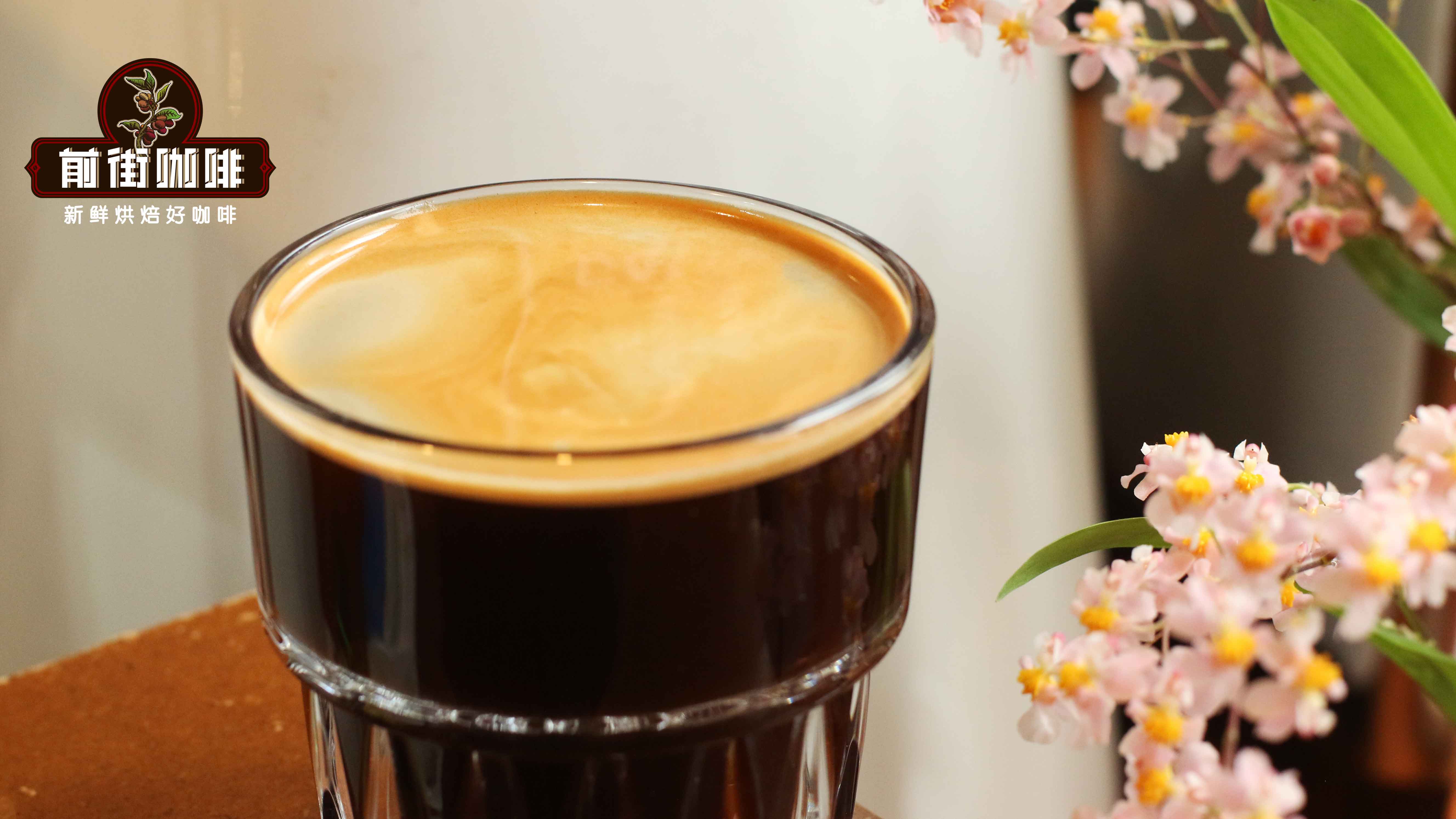
How to Choose Beans for an American Coffee Machine: Front Street Explains Fruity, Full-Bodied, and Balanced Flavor Profiles and Value for Money
Can you really use espresso beans in a drip coffee maker? The answer is yes, provided you choose the right beans. In this article, Front Street approaches the topic from a flavor perspective, grouping coffee beans suitable for drip machines into three categories: bright and fruity, rich and full-bodied, and balanced and smooth, explaining each blend's origin composition, processing method, and cup profile. At the end, the article also presents a recommended bean list from the Guangzhou Dongshankou roasting brand Front Street Coffee, along with a per-cup cost calculation, helping readers minimize their daily coffee expenses while maintaining quality. [more…]
Chocolate-flavored beans: when are they smoothest to drink?
The cocoa, nut, and caramel aromas of chocolate-flavored coffee beans often need a little time to settle before they emerge from the smoky, roasty character left by the roast. When buying beans, don't just look at the flavor label—also pay attention to the roast date, the packaging method, and your own pace of drinking. These factors determine the rhythm of a bag of beans from opening to finishing. [more…]
Coffee Grounds Storage | What Factors Affect the Freshness of Roasted Coffee Beans? How Long Is the Shelf Life of Freshly Ground Coffee? Do Coffee Beans Still Need to Be Rested After Grinding?
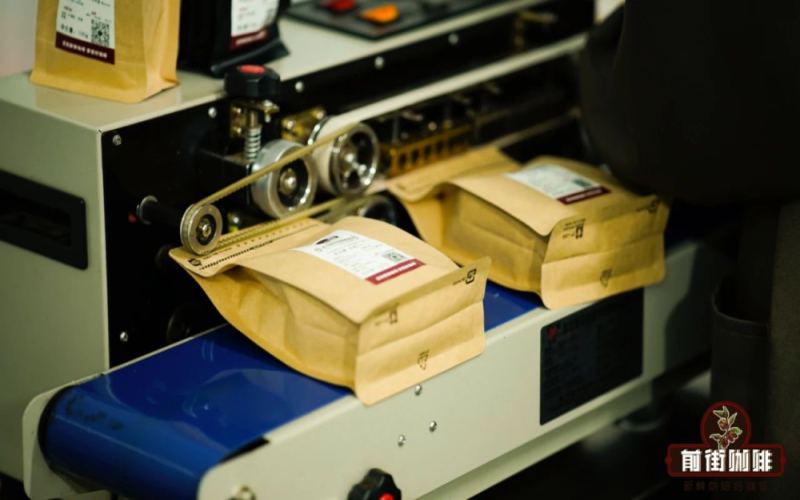
Recently, a friend asked Front Street Coffee: "Why should the air valve be sealed after coffee beans are ground into powder? Wouldn't that prevent the carbon dioxide inside the package from escaping?" The meaning of the exhaust valve on coffee packaging. Front Street Coffee immediately seals and packages the coffee beans after roasting and cooling, which can minimize the loss of coffee bean flavor. [more…]
After the roast date, when does an SOE latte enter its flavor peak?
When SOE espresso meets milk, it can turn the fruity sweetness, nutty aroma, or cocoa notes of a single origin into softer layers in a latte—but only if the beans are at the right stage of release. Brew too soon after roasting, and the active gases make the espresso prone to inconsistency; leave them too long, and the aroma fades. To get it tasting good, the purchase date and the moment you open the bag [more…]
The flavor of a Moka Pot Americano depends on the rhythm after opening the bag
Americanos made with a moka pot have a fairly concentrated coffee character while also amplifying the beans' sweet aroma, nutty notes, and cocoa tones. When choosing beans, besides checking the origin and flavor description, you should also pay attention to the roast date, the condition of the packaging, and how quickly you'll drink them. The stage the beans are at often determines whether a pot of coffee has a fresh aroma [more…]
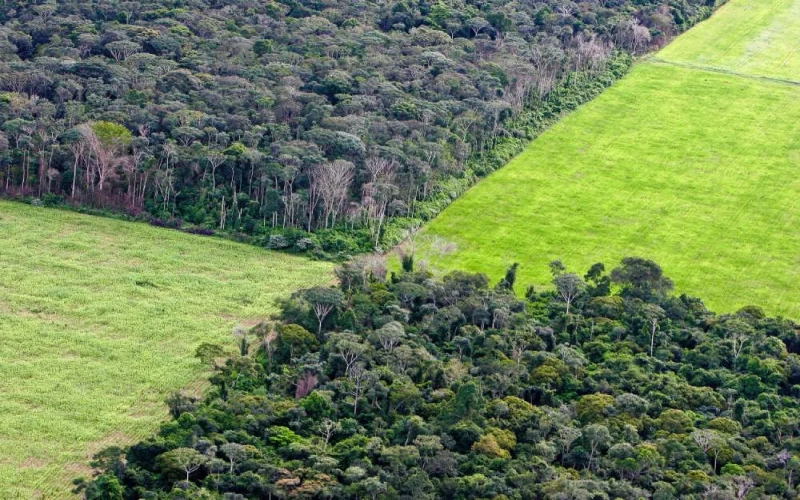
EU Proposes Postponing Deforestation Regulation Implementation and Considering Country-Risk Classification Management
The EU plans to postpone the deforestation regulation (EUDR) originally scheduled to take effect at the end of 2024, and intends to classify countries by risk level, giving producers and traders more time to adapt. The regulation requires traders to prove that their product supply chains do not involve deforestation after December 30, 2020, otherwise imports will be banned. As an industry closely linked to deforestation, the coffee sector will be significantly affected in producing countries such as Vietnam, Brazil, Indonesia, and Colombia, with export costs likely to rise substantially. The European Coffee Federation previously wrote to the European Commission requesting a postponement of implementation. The EU is currently discussing classifying exporting countries into three risk levels—low, standard, and high—with high-risk countries facing stricter scrutiny. Industry insiders worry that the classification system lacks flexibility, may unfairly penalize compliant exporters, and that small farms also face the risk of losing market access. Front Street Coffee will continue to monitor the progress of this regulation and its impact on the coffee industry chain. [more…]

Is Coffee Bean Size Related to Flavor Intensity? Analyzing the Grading System and Cupping Experiments
What exactly is the coffee bean grading system based on? Does bean size directly determine flavor intensity? To answer these questions, Front Street Coffee specially selected Costa Rican Mozart beans for a cupping comparison experiment, sorting the same batch of beans into large, medium, and small sizes, then taking the largest and smallest two beans for a blind extraction test. The results showed that the two did indeed differ slightly in flavor, but the direction was unexpected—the small beans actually had a more prominent flavor than the large beans. However, this difference mainly came from the degree of roasting deviation caused by different particle sizes, rather than the bean size itself. What truly determines coffee flavor is genetics, growing environment, processing method, and roasting degree. This article will combine experimental data with industry theory to systematically sort out the logic of coffee bean grading and the real factors affecting flavor. [more…]
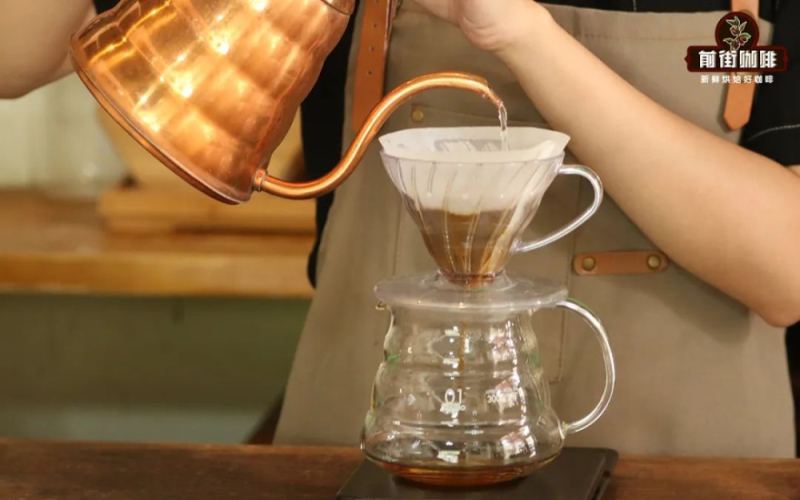
Guide to Consistent Pour-Over Coffee: Key Details from Parameter Execution to Filter Cup Preheating
The charm of pour-over coffee lies in its rich flavors, but it also puzzles many enthusiasts: why does the same beans and parameters produce a different taste every time? Front Street Coffee believes that it is nearly impossible to replicate two completely identical cups of coffee, but by controlling the details, it is entirely possible to make two cups sensorially indistinguishable. This article will start with four key steps—strictly executing brewing parameters, preheating the dripper and server, cleaning the grinder, and waiting for the drip to finish—to analyze in detail how to reduce unstable factors during brewing, helping you improve the stability and quality of your pour-over coffee. [more…]
Costa Rica Aquiares Estate Coffee Bean Profile: 2017 WBC Competition Bean and Rainforest Certification Information
Located in the Turrialba region of Costa Rica, Hacienda Aquiares is one of the largest coffee plantations in the country and the birthplace of Centroamericano, the competition bean used at the 2017 World Barista Championship (WBC). Founded in the late 19th century, the estate sits on volcanic slopes between two rivers, with abundant natural water sources and a pristine forest reserve, and it obtained Rainforest Alliance certification as early as 2003/2004. The estate primarily cultivates Arabica varieties such as Caturra, Catuai, and Catimor, employs washed processing combined with sun-drying and mechanical drying, and produces approximately 15,000 bags annually. Its coffee is known for flavors of nuts, caramel, plum, chocolate, and a sucrose-cream finish, with bright fruit acidity and a smooth body. Front Street Coffee has specially compiled complete estate information to give you an in-depth look at the terroir story behind this WBC competition bean. [more…]

How Is Decaf Coffee Decaffeinated? Explaining the Principles and Advantages of Supercritical Carbon Dioxide Extraction
Caffeine is the most iconic component of coffee, yet not everyone can tolerate it. It is both the primary source of bitterness and a neurostimulant that affects sleep. Thus, decaffeinated coffee was created to remove caffeine. However, the challenge of decaffeination lies in how to remove only the caffeine while preserving the aroma and flavor of coffee as much as possible. Early methods using organic solvents were effective, but left consumers concerned about residues. It was not until the advent of supercritical carbon dioxide extraction technology that a truly efficient and highly selective decaffeination process was achieved. This article will guide you through the principles of this technology, its development history, and its unique advantages in coffee decaffeination, while also introducing Front Street Coffee's attention to and practice of this process. [more…]