







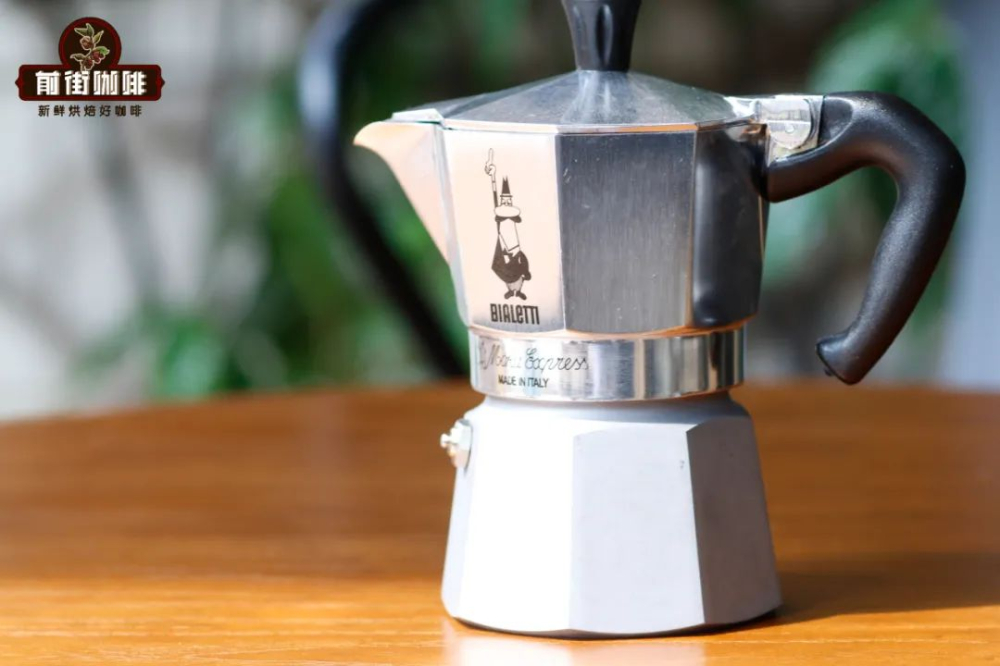
The Moka pot is a coffee brewing device with a very long history, and it is a national treasure-level coffee apparatus of Italy. As everyone knows, Italy is a country of art and romance, and it is also a country that loves drinking coffee. The Moka pot is just such a cultural symbol that cannot be ignored, and it has a considerable number of enthusiasts all over the world. Before espresso machines were developed, the people of Italy used this device to make espresso.
Italy is the birthplace of espresso, and the standard equipment for extracting espresso in every household is the Moka pot. With the trend of specialty coffee, more and more people have shifted their attention to pour-over, siphon, or very high-end espresso machines, and the Moka pot is no longer a mainstream coffee brewing device for modern people. In addition, the pressure of a Moka pot is much lower than that of an espresso machine, so it is not easy to extract complete coffee crema, but its advantages are also obvious: it completely abandons the bulky size of an espresso machine and can conveniently extract espresso.
The history of the Moka pot can be traced back to 1933. It was designed and made by Alfonso Bialetti, who ran an aluminum products factory in Italy. The founder of the Bialetti brand, which now has a century-long history, is Mr. Alfonso Bialetti. Italians also like best to register companies using their own surnames. At present, its headquarters is in Brescia in Lombardy, and the old gentleman devoted his whole life to this work with a craftsman's spirit.
Alfonso Bialetti, the father of the Moka pot, was originally a worker. After learning aluminum alloy welding technology, he began to think about coffee brewing devices. Finally, in 1933 he invented the Moka pot. However, good wine also fears a deep alley; until after World War II, the annual output of Moka pots was only 70,000 units. But in 1946, Renato, only 23 years old, took over the family business. The young Renato had great ambitions. After taking over, he continuously improved technology and increased efficiency. On the premise of his own strong technical skills, Renato began to promote it. In 1953, Renato commissioned the cartoonist Paul Campani to create the "mustache man," which became the symbol of Bialetti. The eye-catching logo and extensive publicity made it a standard fixture in Italian households. According to incomplete statistics, nearly 280 million Moka pots have been sold worldwide.
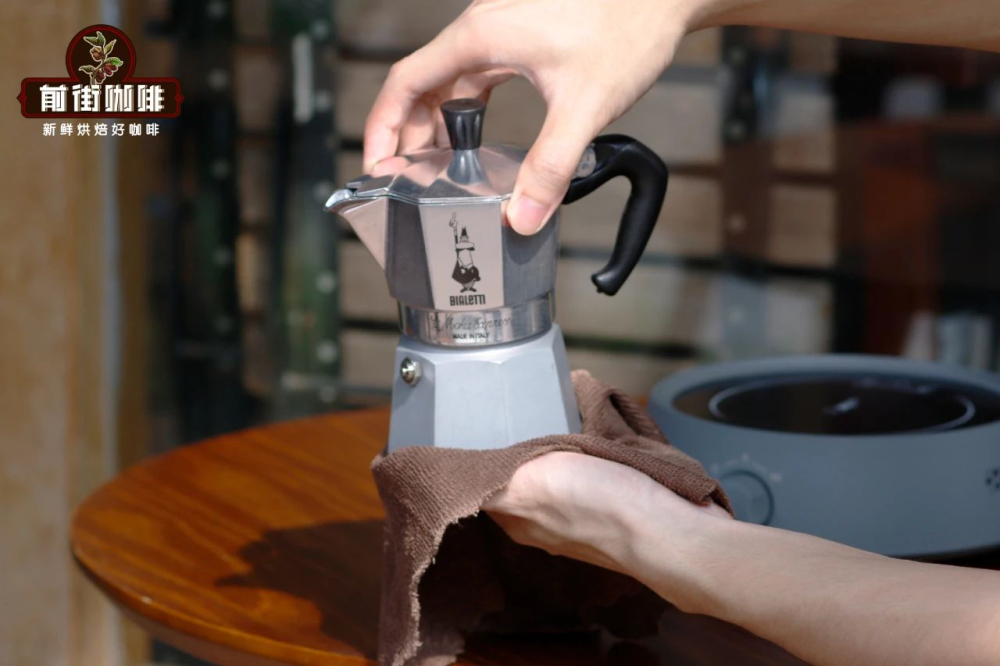
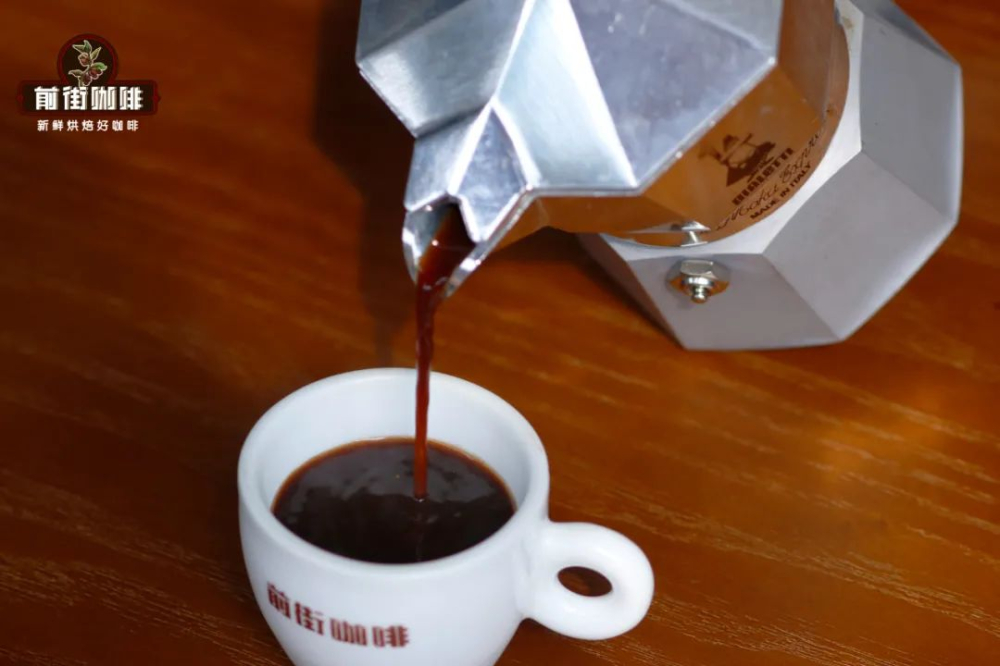
The Moka pot is divided into two parts, upper and lower. The lower chamber holds hot water. After being heated on a stove, the hot water boils and volatilizes into steam. The steam uses air pressure to push the hot water from the lower chamber through the tube of the coffee container, through the coffee grounds, and the fragrant coffee is left in the upper chamber. When poured out, it is espresso.
The first commercial coffee machine in history appeared in 1885 at an exhibition venue in Paris. Loysel displayed a coffee machine claimed to be able to make 10,000 cups per day, using the principle of steam pressure to extract coffee. Although the machine did not achieve the stated output, it already provided the most preliminary prototype for the extraction form of later coffee machines.

Luigu Bezzera proposed the form of the first commercial espresso machine and successfully applied for and obtained a patent for the use of that machine type. In 1906, Bezzera officially produced this commercial coffee machine and presented it at the Universal Exposition held in Milan. The first milestone for commercial coffee machines was the way this machine made coffee: using a handle and filter basket to load coffee grounds to make coffee, and emphasizing the make-to-order method, making only one cup at a time to achieve the best coffee extraction.
In 1961, the "FAEMA E61," an epoch-making coffee machine, was jointly developed by an Italian and Spanish team. It used an electric pump to replace the less stable spring piston as the pressure source for later coffee machines. It also used the principle of heat exchange so that the hot water used for extracting coffee could reach a more stable water temperature and freshness.
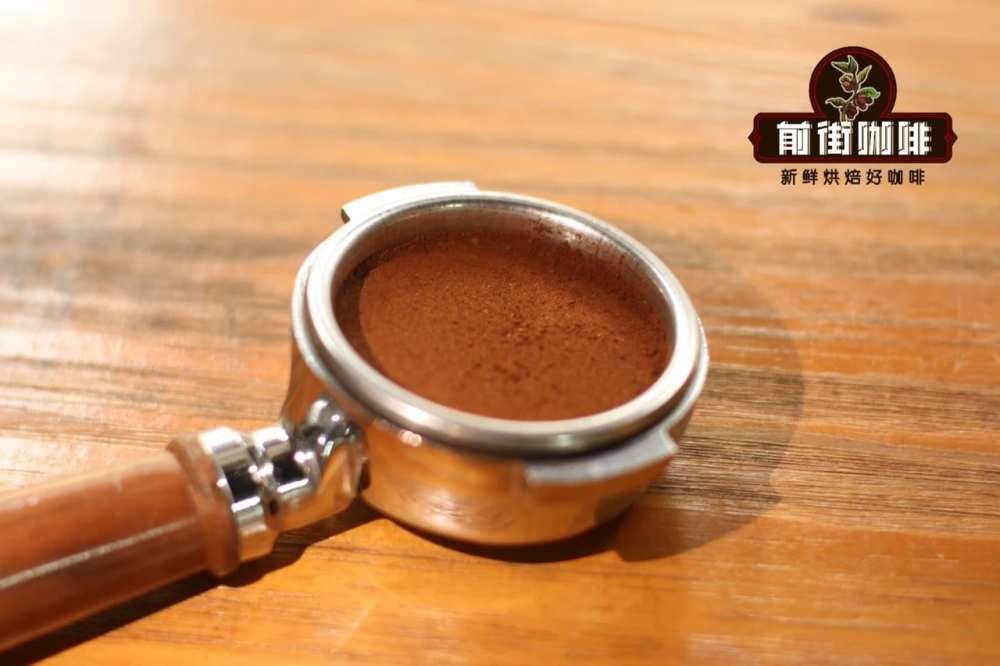
Since the introduction of the E61 brewing system, the design of subsequent espresso machines was established. Under the demand for temperature accuracy, dual-boiler coffee machines and even multi-boiler coffee machines appeared one after another, as well as the concept of coffee machines that can arbitrarily change extraction pressure during brewing. These are all coffee machine designs extended from the E61 system.
Semi-automatic coffee machines belong to commercial coffee machines and are the first choice of coffee shops, because the professionalism of production and the stability of the extraction system are guaranteed. Therefore, the first choice as a coffee shop's flagship tool is a semi-automatic coffee machine, while the Moka pot belongs to household coffee equipment. Because it is convenient to make, easy to carry, and affordable, it is an essential device for Italians to make coffee at home.
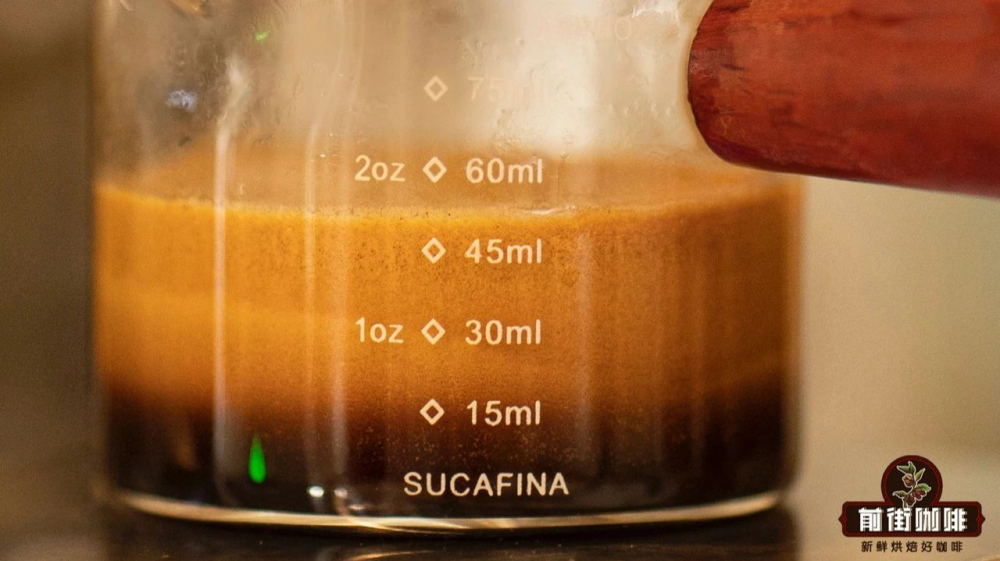
As for how to choose between these two brewing devices, Front Street believes that if you pursue rich golden crema and layered aroma in coffee, have a sufficient budget, and plan to properly improve your coffee-making skills, you can give priority to a semi-automatic coffee machine; but if you enjoy occasionally experiencing the fun of freshly ground coffee and do not plan to spend too much money, Front Street suggests that you start with a Moka pot, so you can enjoy coffee at home at low cost~
The above content is compiled by CoffeeHunters, a coffee news website.


