







Search Results for: Taiwan
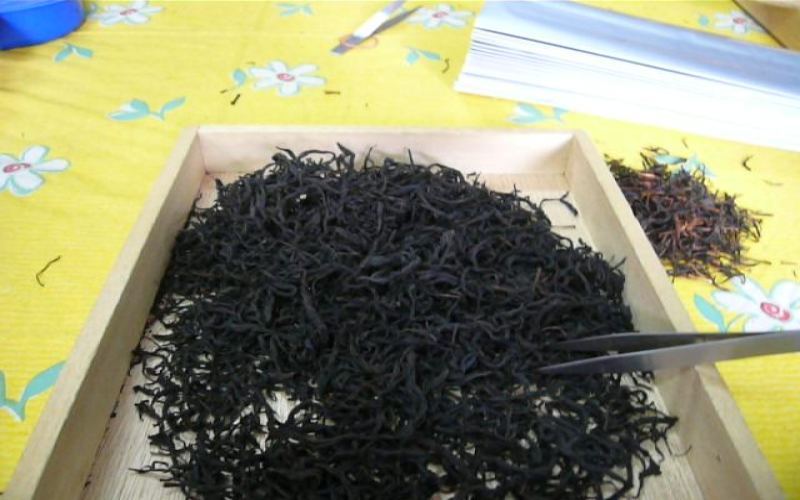
The Flavor Code of Taiwan Tea No. 18 Ruby Black Tea: Where Does the Honey Aroma Come From, and Why Is It Called Taiwan's Best Black Tea?
Ruby Red Tea (Taiwan Tea No. 18) is the most iconic Taiwanese black tea from Sun Moon Lake, and in the hearts of many tea lovers, it is the best black tea Taiwan has to offer. Its distinctive honey aroma and minty coolness leave countless people amazed from the very first sip. This article, based on a tea lover's personal experience, explores the flavor characteristics of Ruby Red Tea, the source of Taiwan Tea No. 18's aroma, and why it stands out among Taiwan's many famous teas. Whether you are a novice just getting to know Taiwanese black tea or a seasoned enthusiast eager to delve deeper into the taste of Ruby, you will find a valuable tasting perspective here. [more…]
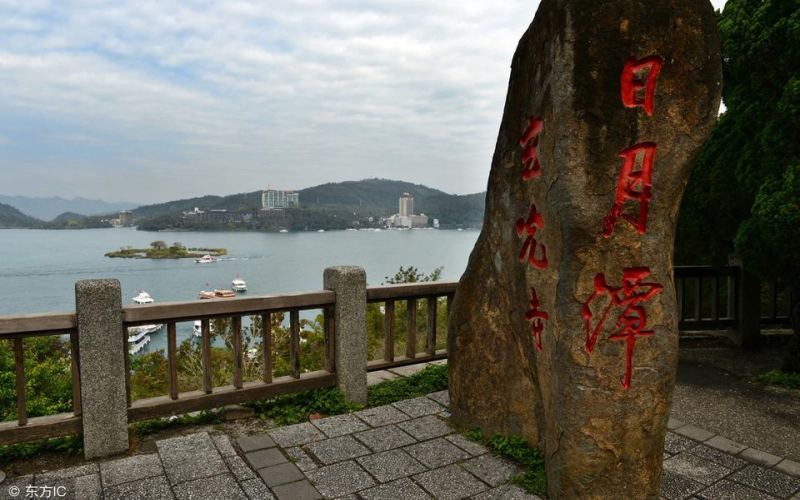
Taiwan Tea No. 18 Ruby Black Tea Brewing Guide: Water Temperature, Time, Flavor Characteristics, and Authentic Origin Analysis
Taiwan Tea No. 18 Ruby Black Tea is a unique cultivar developed by the Taiwan Tea Research and Extension Station, grown beside Sun Moon Lake in Yuchi Township, Nantou. It is a hybrid of the Burmese Assam strain and native Taiwanese wild mountain tea. The liquor is deep amber in color, with a complex aroma of mint, eucalyptus, pepper, and jam, very low astringency, and a clean, rich flavor. For brewing, it is recommended to steep it in 90°C hot water for 3 to 4 minutes, and it can be re-steeped multiple times. The Ruby Black Tea and Ruby GABA Black Tea recommended by Front Street Coffee are both worth trying. This article will guide you through this cultivar's origins, flavor characteristics, and the best brewing methods. [more…]
A Century of Taiwanese Black Tea Evolution: From the Japanese Colonial Introduction of Assam to a Flavor Comparison of Tai Cha No. 18 and Tai Cha No. 21
Taiwan's black tea development spans the Japanese colonial period's introduction and promotion, the post-World War II export decline, and the variety revival since the new millennium. In 1923, Assam tea seeds were introduced from India, and Sun Moon Lake became the most successful production area thanks to its 600-800 meter elevation and humid, misty climate. In 1936, the Taiwan Tea Research and Extension Station was established, and black tea once accounted for more than half of Taiwan's total output. After 1971, export trade shrank, and tea farmers switched to producing oolong tea. It was not until 1999 and 2008 that TRES successively released TTES No. 18 (Ruby Black Tea) and TTES No. 21, injecting new vitality into Taiwan's black tea. This article will trace this history, compare the flavor characteristics of the two representative varieties, and introduce the high-quality Taiwan black teas recommended by Front Street Coffee. [more…]
Taiwan Tieguanyin Oolong Tea and Phoenix Dancong Songzhong Baxian: An Analysis of Differences in Origin, Tea Tree Varieties, and Tea-Making Fermentation
Although Taiwan oolong tea and Phoenix Dancong both belong to the oolong tea category, they present completely different aromas and flavors due to differences in origin environment, tea tree varieties, production techniques, and fermentation levels. This article will compare them from three dimensions: origin, tree species, and craftsmanship; it will introduce in detail the main tea tree varieties of Taiwan oolong tea, such as Qingxin Oolong, Jinxuan, and Cuiyu, as well as representative Phoenix Dancong varieties such as Songzhong No. 1, Songzhong Baxian, and Ginger Flower Fragrance. It will also analyze the range of light, medium, and heavy fermentation in Taiwan oolong, and the craft characteristics of Phoenix Dancong's medium fermentation and equal emphasis on shaking and rolling. Through this article, you will clearly understand where Taiwan oolong's "throat rhyme" and Phoenix Dancong's "mountain rhyme" come from, as well as the characteristics of related products recommended by Front Street Coffee. [more…]

Luckin Coffee May Enter the Taiwan Market in December, with Franchisee Shunyu Holdings Coming to Light
Recently, a coffee shop under renovation in Taipei City, Taiwan Province, China, has attracted widespread attention, with multiple clues pointing to the possibility that the chain brand Luckin may open its first store in Taiwan there. The talent recruitment notices, renovation permits, and opening preview posters posted on the construction hoarding all reveal a design style highly similar to that of Luckin. The website of the agent Shunyu Holdings even directly announced that "the first store is expected to open in December 2025." Although Luckin applied for a trademark as early as 2019, this move is interpreted by outsiders as imitating Starbucks' layout in Taiwan through an agent model. Facing fierce competition in the local coffee market, consumer attitudes are divided, and when a reporter called the contact number on the recruitment notice, no one answered, leaving the store opening plan still uncertain. [more…]
Taiwan Tea No. 15 Sun Moon Lake Black Tea Flavor Notes: A Comparative Tasting of Burmese Large-Leaf Mother Trees and Ruby Taiwan Tea No. 18
This article presents flavor notes centered on TTES No. 15 (Sun Moon Lake black tea), tracing its hybrid origins with the Burmese Assam variety and native Taiwanese tea trees, and documenting a rare tasting experience of three teas from the same garden. The author uses the gongfu brewing method to taste each infusion, from the aroma of the dry leaves to the changes in flavor across five steepings, describing in detail the layered evolution of this black tea from earthy and malty notes to spice and fruity sweetness. The article also shares insights on pairing it with cherries and previews a comparison with Taiwanese mountain tea flower and Ruby TTES No. 18. Front Street brand recommendations and product information are also retained in the article, providing coffee and tea enthusiasts with a professional and sensorially detailed reference. [more…]
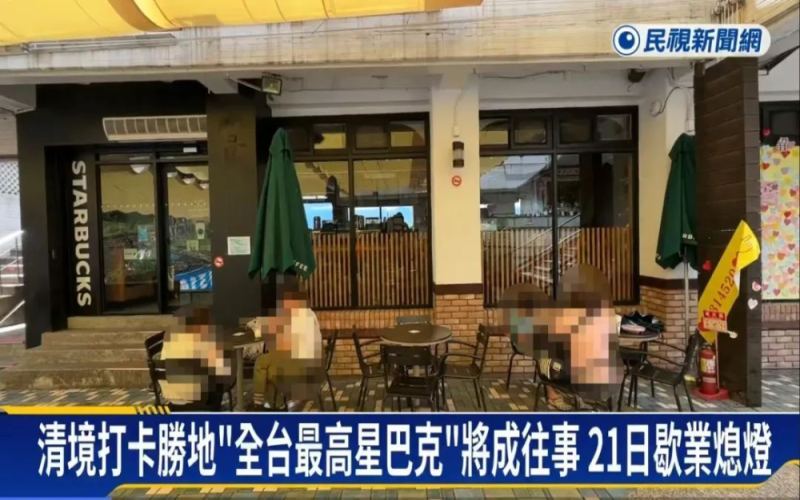
After 22 years in business, Taiwan's highest Starbucks, the Qingjing store, is struggling to survive and will close its doors on July 21.
At an elevation of 1,743 meters, the Starbucks Qingjing store is not only the highest Starbucks in Taiwan but also ranks fifth globally in terms of store altitude. This landmark café, rooted in Qingjing Farm for twenty-two years, has recently confirmed that it will cease operations on July 21. After the news broke, local workers and residents expressed their reluctance, and community discussions once forced Uni-President Group to backtrack, saying they were still evaluating. However, Starbucks Taiwan ultimately issued an announcement, bringing an end to the fate of this old store. The plummeting tourist traffic to Qingjing Farm and the shrinking performance of the store year after year reflect the deep-seated difficulties facing Taiwan's tourism industry. [more…]
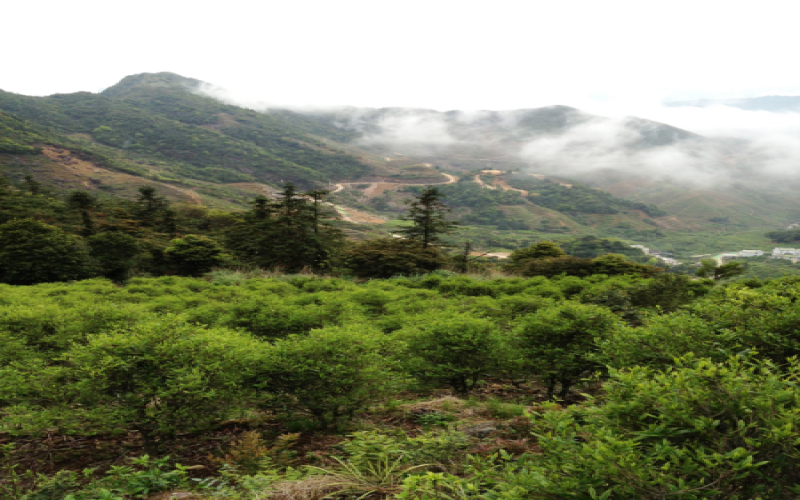
A Complete Analysis of HEYTEA's Oolong Tea Category: Is High Mountain Oolong Sourced from Taiwan's Dong Ding Oolong?
What types of oolong tea does Heytea actually offer? Is its high-mountain oolong actually Taiwan Dong Ding oolong? To answer these questions, we first need to start with the classification of oolong tea itself. Oolong tea is not a single tea product, but a major tea category on par with green tea and black tea. Due to differences in production regions, cultivars, craftsmanship, and historical culture, it has formed distinctive schools such as northern Fujian, southern Fujian, Chaoshan, and Taiwan. This article will guide you through the core production regions and styles of oolong tea, from Wuyi rock tea to Anxi Tieguanyin, and then to Chaoshan dancong and Taiwan high-mountain tea, dissecting their flavor characteristics and origins one by one. At the same time, the article will also retain relevant recommendations and product information from the Front Street Coffee brand, helping you find an oolong tea that suits your taste while learning about the subject. [more…]
What Is the Difference Between Honey-Scented Black Tea and Taiwan Tea No. 18 Ruby? Is Ruby Black Tea Expensive? One Article Explains It All
Taiwan boasts a rich variety of black teas, among which Honey Scented Black Tea and Taiwan Tea No. 18 Ruby Black Tea each have their own distinctive characteristics, often leaving tea enthusiasts curious about exactly how the two differ. Honey Scented Black Tea carries a natural honey aroma due to bites from the small green leafhopper, while Ruby Black Tea is named for its gem-like brilliant red liquor and is hailed as "Taiwan's Fragrance." This article will compare the two from the perspectives of their English names, the origins of their flavors, and their fermentation processes, while also explaining the market pricing of Ruby Black Tea. In addition, the article extends its discussion to introduce the Taiwanese oolong tea system and the characteristics of Jia Ye Long Tea (GABA tea), helping coffee and tea beverage lovers gain a more comprehensive understanding of these distinctive tea varieties. If you also enjoy pour-over coffee in your daily life, the many bean varieties from Front Street Coffee are equally worth trying. [more…]
Is Tieguanyin a Type of Oolong Tea? The Origin of Its Name, Differences Between Anxi and Taiwan Craftsmanship, and the Correct Brewing Method
Tieguanyin is one of China's ten famous teas, commonly found in cafes across the Taiwan Strait and overseas, but the production styles of Anxi and Taiwan differ significantly. This article starts with Tieguanyin's classification as an oolong tea, outlining the complete process of Anxi Tieguanyin from picking, withering, shaking green, rolling, to roasting, tells the legend of Guanyin's dream behind the name "Tieguanyin," and compares the different flavors of Anxi's light-fermented floral type and Taiwan's heavily roasted strong-aroma type. At the end, correct gongfu brewing suggestions are included to help coffee enthusiasts and tea lovers understand the patience and charm of this tea, while also retaining relevant recommendations from the Front Street brand. [more…]
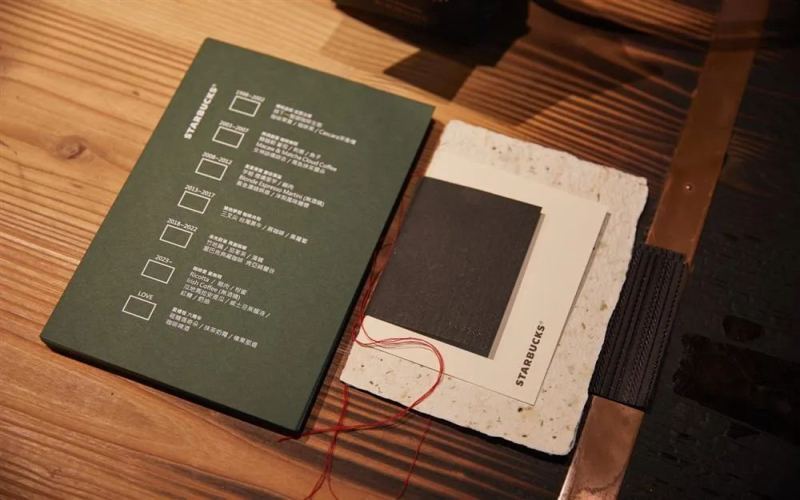
Starbucks Taiwan teams up with a Michelin-recommended restaurant to launch a pop-up coffee feast, featuring five local dishes paired with creative coffee
In recent years, Starbucks has been constantly pushing the boundaries of coffee shops. Last year, the Shanghai Roastery launched a limited-time buffet, and this year, Taiwan region, under the theme of "creating more Gold Star value experiences," partnered with the local Michelin Plate-recommended restaurant Embers to create a one-night-only pop-up "coffee feast." The event was limited to 28 spots, with registration requiring 200 stars plus NT$1,800. This feast centered on the theme "A 24-Year Starbucks Journey," featuring five limited-edition dishes designed with local Taiwanese ingredients, paired with creative coffee drinks developed by Starbucks. From an opening of cascara tea champagne to a closing of non-alcoholic Irish coffee, each dish carried a local story of Starbucks' 24 years in Taiwan. This article will provide a complete breakdown of the culinary creativity behind this coffee feast and the brand narrative behind it, while also reviewing Starbucks' previous collaborations with Michelin one-star restaurant chefs, and exploring whether its next step is truly to open a Michelin restaurant. [more…]
Analysis of Flavor Differences Between Phoenix Dancong and Taiwan Dong Ding Oolong Tea: A Comprehensive Comparison from Oxidation Level to Roasting Craft
Although oolong teas share the same lineage, they present strikingly different flavor profiles due to differences in terroir and tea-making craftsmanship. Phoenix Dancong and Taiwan Dongding Oolong are two highly representative examples—the former is famous for its single-bush harvesting and rich floral fragrance from Phoenix Mountain in Guangdong, while the latter has won acclaim for its ball-shaped craftsmanship and moderate oxidation from Lugu, Nantou, Taiwan. The two differ significantly in oxidation level, roasting temperature, aroma type, and mouthfeel structure. This article will systematically sort out the core differences between these two oolong teas from the perspectives of origin and heritage, production techniques, and flavor performance, and will also include Front Street Coffee's purchasing suggestions to help you more clearly identify the respective charm of each when tasting them. [more…]
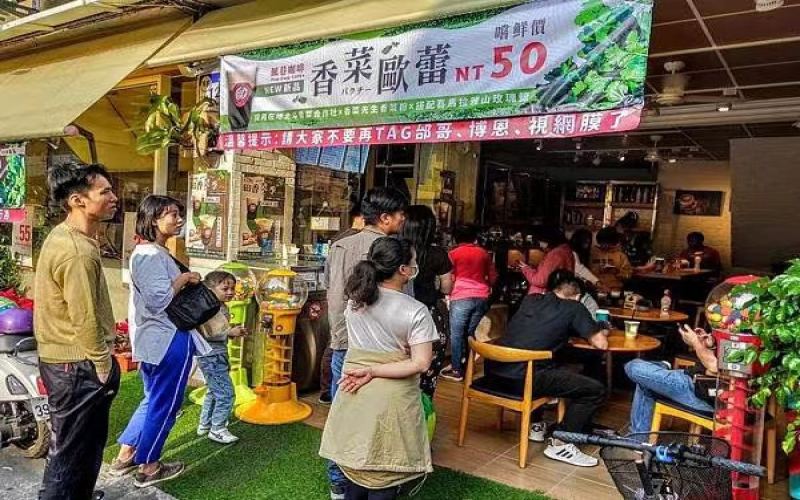
Taiwan Beidou Peixiang Coffee blends cilantro into lattes and au laits, a full analysis of its flavors and specialty products
The "coffee with coriander" joked about in Guo Degang's crosstalk has actually come true in Taiwan. Peixiang Coffee in Beidou Township opened in 2017 and was originally just a small community shop serving local residents. After launching coriander au lait and coriander latte in 2020, it quickly became famous. Beidou is Taiwan's main coriander-producing area, with about 80% of the coriander coming from here, and coriander is even called "Taiwanese matcha" by locals. The shop blends coriander powder into milk, coffee liquid and milk foam. On the palate, there is a distinct coriander aroma, yet it does not clash with the coffee at all, and the aftertaste is refreshing. In addition to coriander coffee, there are also creative products such as coriander raw chocolate, coriander cream pineapple bun, coriander dirty bun, coriander pineapple cake and 100% coriander juice "Coriander Devil". This article takes you to learn how this small shop became a talked-about famous store thanks to coriander coffee, and includes flavor descriptions and tasting suggestions. [more…]
The Paternal Tea Tree of Taiwan Tea No. 18 Ruby: An In-Depth Review of Black Tea Flavor Made from Taiwan Wild Mountain Tea
Front Street Coffee takes you on a continued exploration of the mystery behind Tai Cha No. 18 Hong Yu. Shanxi Tea Industry has carefully crafted a three-tea tasting set in the Sun Moon Lake region, planting Myanmar Assam, Taiwan wild mountain tea, and Hong Yu side by side. This article focuses on one of the paternal varieties—Taiwan's native mountain tea. The dry leaves of this black tea are dark brown, almost black, and after brewing, they present a complex flavor interwoven with earthy, malty, and smoky charcoal notes, with noticeable tannins and a faint fruity sweetness in the finish. Through detailed records of four infusions using the gongfu brewing method, as well as pairing attempts with banana bread and dark chocolate, we can fully understand the character traits of this wild variety. If you prefer black tea with a sweet, malty flavor, Front Street Coffee suggests comparing it with the Myanmar Assam version from the same series. [more…]
Comparative Analysis of Flavor Characteristics Between Phoenix Dancong and Tieguanyin: Are Anxi and Taiwan Tieguanyin the Same Variety?
Phoenix Dancong and Tieguanyin both belong to China's four great oolong teas, yet their flavor characteristics and production processes are vastly different. Phoenix Dancong is produced in Phoenix Town, Guangdong, and is known for its complex and intricate procedures and its unique single-bush harvesting method, making it difficult to produce in bulk; Tieguanyin originated in Anxi, Fujian, and as China's most representative oolong tea variety, its name derives from the Goddess of Mercy, and it was introduced to Taiwan by immigrants in the 18th century, forming two major production regions: Anxi and Taiwan. This article will compare the differences between these two oolong teas from multiple dimensions, including origin, craftsmanship, flavor, and brewing methods, and answer the question of whether Anxi Tieguanyin and Taiwan Tieguanyin are the same variety. It also includes practical brewing suggestions from Front Street Coffee to help coffee enthusiasts跨界 understand the subtleties of the tea world. [more…]
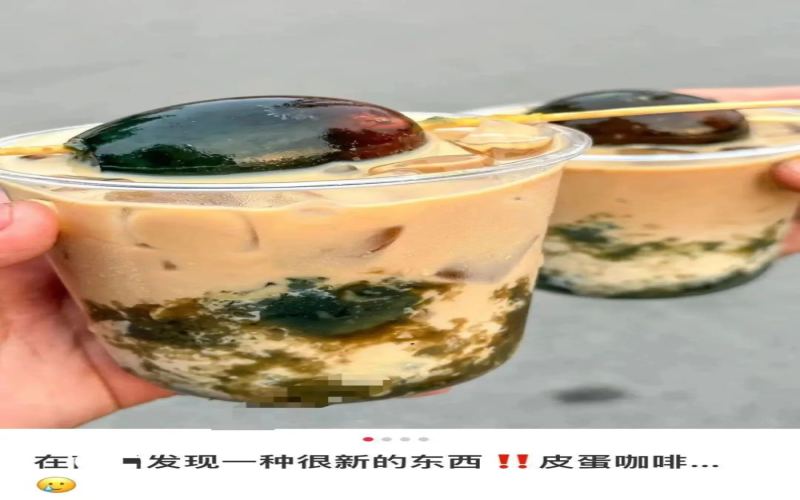
Netizens from Hong Kong, Macau, and Taiwan take turns challenging century egg coffee, with Macau even upgrading it to a salted egg version, sparking heated discussion
Coffee enthusiasts are always exploring novel pairings. After a coffee shop in Nanchang, mainland China, launched century egg coffee and set the internet ablaze, the popularity of this crossover drink has not faded. Instead, it has sparked a wave of challenges in China's Hong Kong, Macao, and Taiwan regions. Taiwanese netizens have tried combining century eggs with iced lattes in convenience stores, chain shops, and even street experiments, with mixed reactions; Hong Kong netizens have also joined the testing ranks, while Macao netizens have boldly escalated by launching a salted egg coffee version. This article fully documents the on-site feedback from these fun challenges, while also preserving specialty coffee bean information and communication channels for professional coffee enthusiasts. If you are interested in creative coffee, why not follow our roundup and take a look. (Front Street Coffee News) [more…]
Sun Moon Lake Ruby Taiwan Tea No. 18 Brewing Guide: Processing Parameters, Flavor Evolution, and Tasting Notes
Ruby Black Tea No. 18 from the Sun Moon Lake tea region in Nantou, Taiwan, is beloved by tea enthusiasts for its distinctive mint, spice, and red fruit aromas. Based on three tea samples from the Shanxi Tea Experience Set—Myanmar Assam, Taiwan Mountain Tea, and Ruby No. 18—this article documents in detail the parameters for gongfu tea brewing and the flavor changes across each infusion, from the appearance of dry leaves to the layered tastes at each steeping stage, and shares pairing insights with Black Forest chocolate cake. If you are interested in this tea's origin background, processing recommendations, or tasting methods, this note will provide practical, firsthand reference. Front Street Coffee also continuously follows such expressions of origin flavor, bringing more cross-disciplinary inspiration to coffee and tea drinkers. [more…]
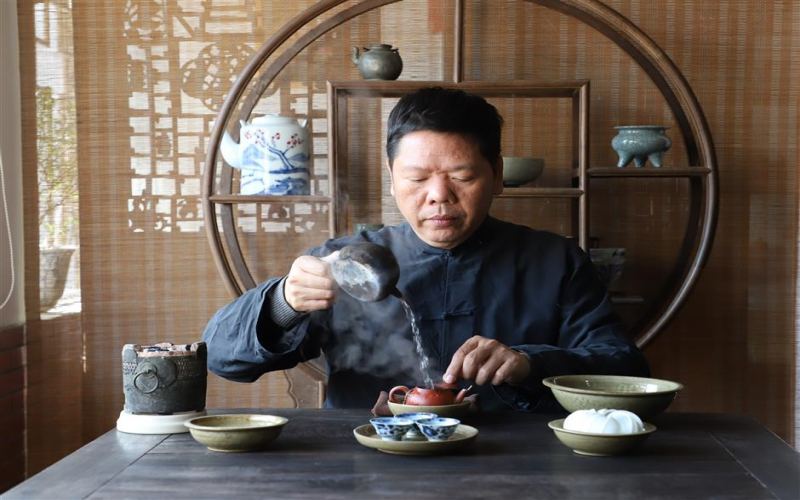
Analyzing the Differences in Gongfu Tea Brewing Between Chaoshan, Fujian, and Taiwan: From the Use of the Fairness Cup to Aroma Appreciation with the Fragrance Cup, and a Discussion of Mindfulness Practice in the Way of Tea
As the essence of Chinese tea culture, Gongfu tea has developed distinctive brewing systems across different regions. The Gongfu tea styles of Fujian and Taiwan appear more "inclusive" due to the introduction of the fairness cup (gongdao bei): the tea liquor is first poured from the lidded bowl (gaiwan) into the fairness cup, then distributed into tasting cups, ensuring consistent strength in every cup. Both regions also retain the aroma cup, a tall, slender vessel specifically used to capture the complex aromatic layers of oolong tea. The serving process is full of ritual: tea is brewed first, then decanted through the fairness cup, and afterward poured into the aroma cup, which is covered and flipped with the tasting cup; the host slowly lifts the aroma cup to let the guest appreciate the fragrance. Unfortunately, the aroma cup is no longer as popular in Fujian as it is in Taiwan. Fujian people brew Wuyi rock tea this way, while Taiwanese people use it for high-mountain oolong. Gongfu tea is not merely a brewing technique but a practice of mindfulness, sharing a spiritual core with yoga. This article will compare the similarities and differences of Gongfu tea across the three regions in depth, and share Front Street Coffee's understanding of tea ceremony practice. [more…]
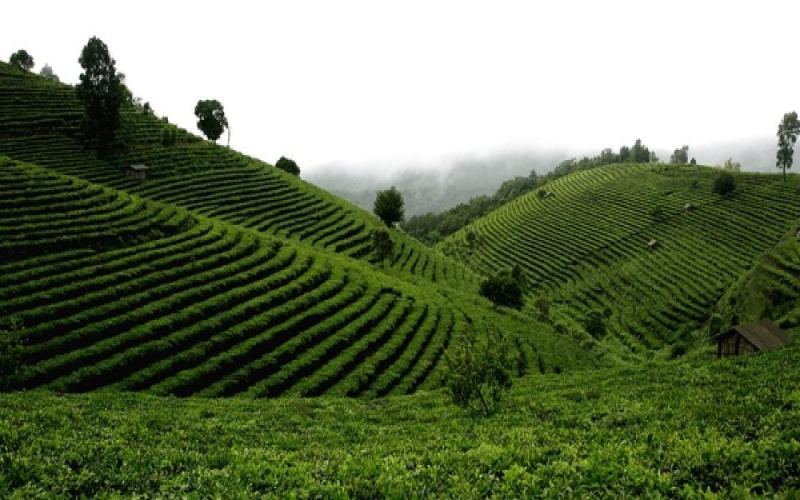
Why Is Darjeeling First Flush Black Tea Green? Also on the Regional Differences of Black Tea from Yunnan, Taiwan, and Fujian
Darjeeling's spring-picked tea is also a black tea, so why is it green? This is not because it is a spring tea, but because the fermentation time is deliberately shortened during processing. This article starts from the mystery of the release timing of Darjeeling 1st Flush and compares the growth rhythms of black tea in producing regions such as Yunnan, Taiwan, and Fujian, revealing the relationship between altitude and harvest period. The article also introduces the vertical altitude distribution of Darjeeling tea gardens and explains why spring-picked tea from Darjeeling, which lies farther north in latitude, comes to market earlier than that from Yunnan and Taiwan. Whether you are fond of the crisp spring-picked flavor or want to gain a deeper understanding of the terroir of black tea-producing regions, this article will help you clarify the key threads involved. [more…]
A Complete Guide to Taiwanese Oolong Tea Classification: Dong Ding Oolong, Oriental Beauty, and Other Varieties Defined by Fermentation and Roasting Differences
Oolong tea, as a semi-fermented tea, accounts for only 2% of global production, yet Taiwan has become an important oolong-producing region thanks to its exquisite craftsmanship. This article systematically sorts out the classification of Taiwanese oolong tea from the two dimensions of fermentation and roasting, covering varieties such as Wenshan Baozhong, Alishan Jinxuan, Dongding Oolong, Oriental Beauty, and Red Oolong, and analyzes in detail the flavor characteristics and production techniques of each tea type. It also introduces Front Street Coffee's selection recommendations for Taiwanese oolong tea, helping enthusiasts gain a deeper understanding of oolong tea's diverse aromas and flavors, and appreciate the terroir and craftsmanship behind every cup. [more…]