







Search Results for: collection
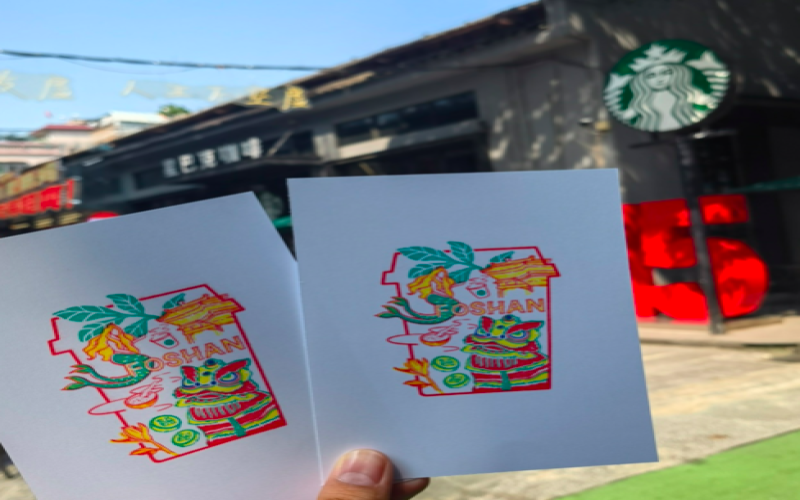
Inconsistent Rules for Starbucks Stamp-Collecting Promotions Spark Controversy, Chaotic Store Enforcement Draws Complaints
During the National Day holiday, Starbucks launched limited-time stamp-collection events in Beijing, Guangzhou, Shenzhen, and many other places, drawing widespread attention from stamp-collecting enthusiasts. However, as the events progressed, many consumers found that stores had noticeably different understandings and enforcement of the rules, with some even seeing the same store offer free stamps in the morning but require a purchase in the afternoon. This shifting-back-and-forth phenomenon left participants confused and also sparked discussion about whether the event organizers should unify the rules. This article will outline the specific details of the two stamp-collection events and present the various problems consumers encountered during actual participation. [more…]

Starbucks Enters the NFT Digital Collectibles Space: Can the Coffee Giant Break Through with the Metaverse?
Starbucks' performance in China continues to decline, and it is trying to reshape its brand appeal by launching NFT digital collectibles and building a virtual "third place." However, the NFT market is highly volatile and mired in controversy, and whether Starbucks can break through via the metaverse remains uncertain. This article sorts out the ins and outs of Starbucks' NFT plan and presents the different voices of netizens and industry insiders. [more…]

On its seventh anniversary, Chagee's cup-clinking card-collecting event is said to be riddled with bugs—users pulled a bizarre trick, scanning their feet to actually pass the level.
For its seventh anniversary, Chagee launched the "Good Friends Always Together" campaign, giving away 700,000 free cups over seven consecutive days, along with features like a clink-cups card-collecting game for a chance to win free drinks for a whole year. The campaign stayed high in popularity with huge participation, but it was followed by a string of technical problems: black screens when scanning the page, AI recognition failures, abnormal consumption of attempts, and more, triggering a flood of complaints. Surprisingly, netizens discovered that scanning feet, tissues, books, or even trash cans could be judged by the AI as a successful cup clink. Faced with the backlash, the official response was only that it "adds fun," while dodging questions about the loopholes. [more…]
Tea brand's stamp-collecting paperclip copied by imitators, five-year campaign forced to end and move online
A Guangdong chain beverage brand has reluctantly ended its five-year paperclip loyalty program after discovering that people were using custom paperclips of the same design bought online to redeem drinks in stores. What was meant as a physical giveaway to reward loyal customers was exploited through a loophole in the rules, leaving the merchant exclaiming, "We really didn't see that coming." Why did this loyalty program come to an end? And how have consumers reacted? This article will walk you through the whole story and explore the pros and cons of physical-giveaway loyalty programs as well as ways to improve them. [more…]
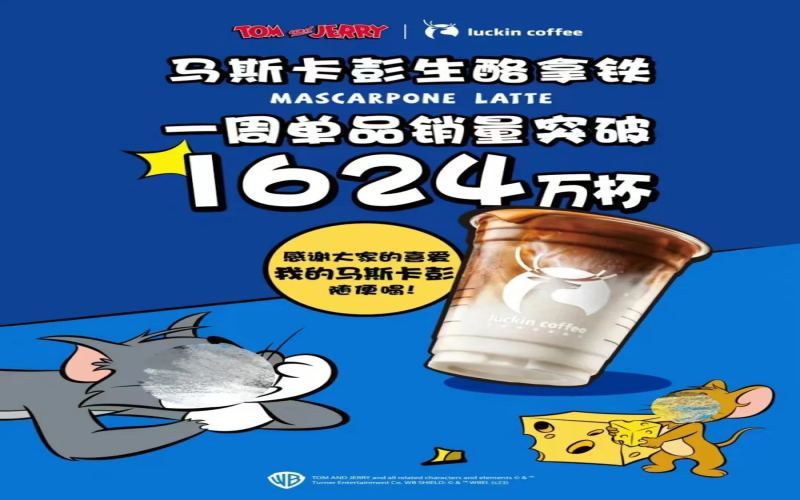
Luckin's collaboration with Tom and Jerry sparks a collecting craze, as young people enthusiastically DIY merch and scavenge discarded materials.
Luckin Coffee has partnered with the classic animated IP Tom and Jerry to launch an anniversary-edition mascarpone cheese raw-cheese latte and a series of merchandise, sparking an enthusiastic frenzy among young consumers. From cup sleeves and paper bags to stickers and badges, these designs full of childhood memories have inspired a wave of creative DIY makeovers among the public, with all kinds of handmade creations popping up on social platforms. In order to collect the full set of merchandise, many people have bought drinks multiple times without hesitation, and some have even rummaged through trash bins to pick up discarded paper bags. This article will take you through how this collaboration storm has turned young people into a "scrap-collecting army," and their unique obsession with coffee merchandise. [more…]
Heytea Caught in WanDianZhang Facial Recognition Scandal, Officials Deny Illegally Collecting Consumer Information
On March 16, Heytea trended on Weibo for using WanDianZhang facial recognition cameras. Previously, CCTV's 315 Gala exposed over 20 well-known brands, including Heytea, Kohler, and BMW, for illegally collecting facial information through WanDianZhang cameras without consumers' knowledge. Heytea responded that the cameras are only for security and will never illegally collect facial data. WanDianZhang stated that the platform's facial data volume has reached hundreds of millions and is drafting an announcement to explain its business scope and rectification measures. This incident has once again sparked public concern over the abuse of facial recognition technology and personal privacy security. [more…]
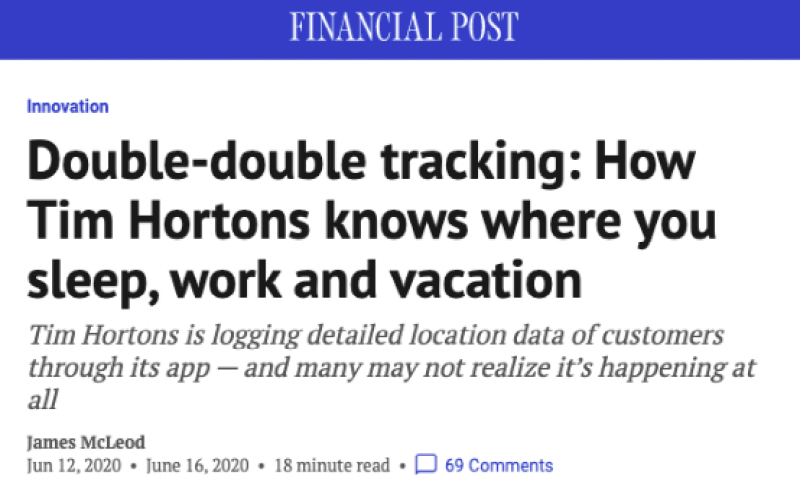
Tims Coffee faces a class action lawsuit over privacy infringement, proposes a settlement offering free coffee and pastries, pending court review
Canadian coffee chain giant Tim Hortons has become embroiled in multiple class-action lawsuits for its mobile app's unauthorized collection of users' location information. The company recently proposed a settlement offering free coffee and donuts to affected users, and promised to permanently delete user data collected during a specific period. However, this proposal has been criticized as trading a small compensation for sensitive private information. The settlement is still pending court approval, with a hearing scheduled in Quebec court on September 6. This article provides a detailed account of the incident, the positions of both parties, and the legal disputes, along with professional insights from Front Street Coffee. [more…]

Luckin Coffee's in-store proxy ordering prices spark controversy, with mini-program login process questioned for excessive collection of user information
Recently, Luckin Coffee has once again become the focus of heated discussion. An investigative reporter's on-site tests revealed that some stores do not offer direct offline ordering service; customers can only place orders by scanning a QR code via the mini-program or app, and when staff place orders on their behalf, payment must be made at the original price, which differs by several yuan from the discounted price after using coupons online. Meanwhile, the reporter also noticed that Luckin's mini-program requires users to provide their phone number and other information during the login process, and its privacy policy mentions the possible collection of browsing history, app installation lists, and other content, raising doubts about excessive information collection. In response, Luckin customer service explained that the discount calculation in the ordering system is complex, and staff-assisted orders may result in price discrepancies, while many consumers expressed understanding, believing that ordering on-site means giving up online discounts. This article will provide a detailed review of the incident and the views of all parties involved. [more…]
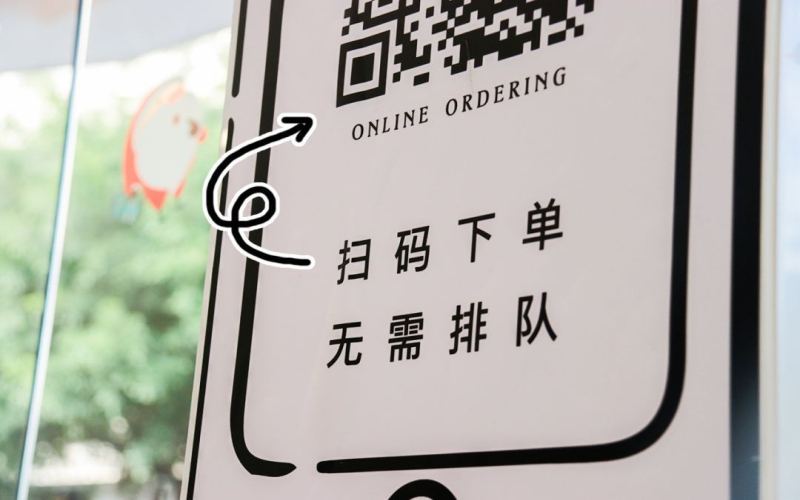
Scan-to-Order Forcing Phone Number Authorization? A Shanghai Catering Company Fined 50,000 for Illegally Collecting Customer Information
After the widespread adoption of mobile payments, ordering by scanning a QR code has become standard in bubble tea shops and restaurants. But have you ever noticed that many ordering mini-programs require you to authorize your mobile phone number or even more personal information before use? In October of this year, the Market Supervision Administration of Putuo District, Shanghai, investigated and dealt with a case involving a catering company illegally collecting consumer information, which sparked widespread attention. The restaurant guided customers to order by scanning a QR code on the table, but forcibly required authorization of their mobile phone numbers, and did not inform them of the purpose of use. Moreover, the backend allowed arbitrary access to and download of member data such as names, genders, mobile phone numbers, and card balances. Ultimately, the company was warned and fined 50,000 yuan. With the official implementation of the Personal Information Protection Law, penalties for such acts will be significantly increased, and consumers' privacy rights deserve more attention. [more…]
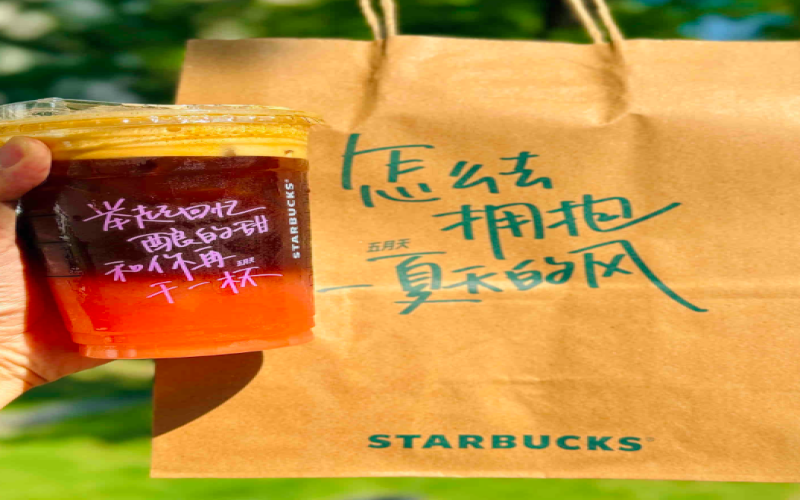
Starbucks Mayday Lyric Cups Draw Criticism: Labels Cover Designs, Duplicate Styles, Fans' Collecting Experience Diminished
Starbucks has once again teamed up with Mayday to launch a co-branded campaign, rolling out a Bergamot Grapefruit Sparkling Americano and themed limited-edition cups printed with classic Mayday lyrics. It should have been a grand occasion for fans to celebrate. However, after the campaign kicked off, many consumers took to social media to air their complaints: the drink labels happened to be stuck right over the lyric designs, and the residue was hard to remove after peeling them off; those who bought multiple cups in one go received the same design, dashing their collection plans. The brand and store staff have responded with explanations, saying the labels should be placed in the notes section, while the identical cups were due to stores needing to use up inventory in sequence. Is this collaboration full of sincerity or a failure in the details? Front Street Coffee walks you through the whole story. [more…]
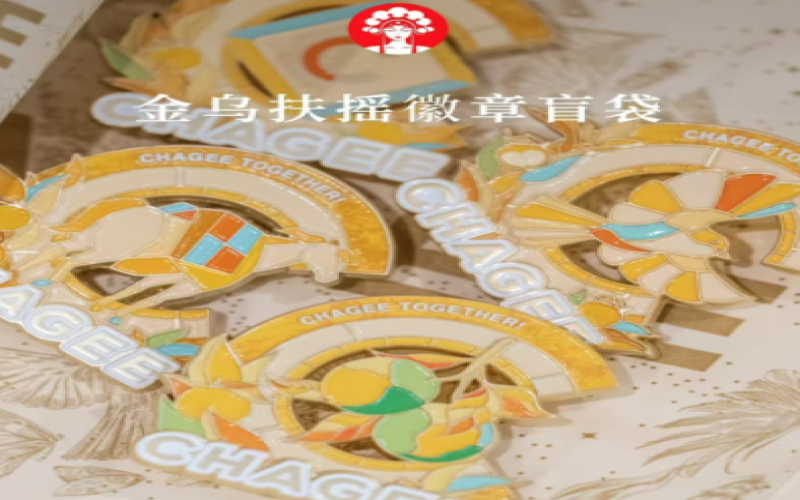
Bawang Chaji's Golden Crow Fuyao New Release Splits Opinions: Green Mandarin Pu'er Meets Milk Tea, Badge Blind Boxes Spark a Collecting Craze
On September 14, Chagee launched a new freshly brewed milk tea called "Golden Crow Soaring," combining Xinhui green tangerine with Yunnan Pu'er and championing the concept of modern Eastern tea. The accompanying "Golden Crow Soaring blind-bag badges" merchandise sparked a collecting frenzy, with the four zinc alloy badges becoming a new target for figure collectors. Yet reviews of the drink itself are sharply polarized—some praise its rich layers, while more people complain that the oolong flavor is too heavy, with a medicinal taste or even a dog-poop note. Veteran tea drinkers suggest drinking it with regular sugar to ease the bitterness. This article sorts through the taste controversy surrounding the new product and the merch-collecting guide, offering reference for coffee and tea enthusiasts. [more…]
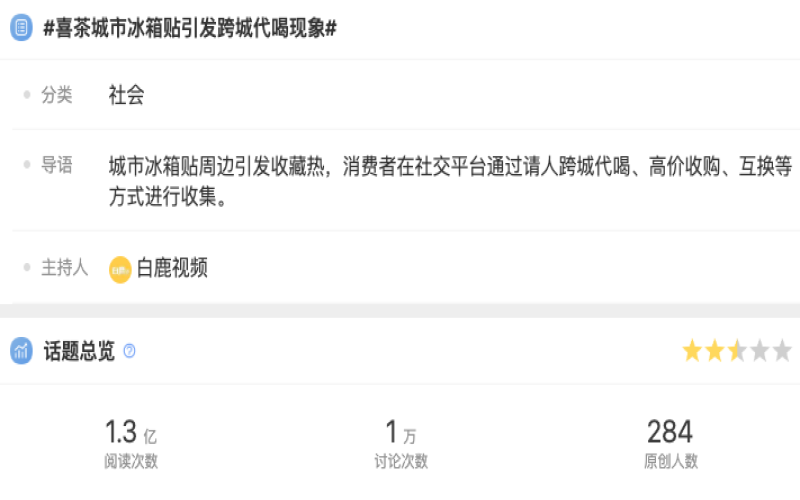
HEYTEA city fridge magnets resold at high prices, official response announces new points redemption channel
The city-exclusive fridge magnets that HEYTEA launched for new store openings quickly sparked a collecting craze, thanks to designs that incorporate local characteristics and cultural history. Because they could only be obtained at newly opened stores in the corresponding cities, social media platforms saw phenomena such as cross-city proxy purchases, swaps, and even high-priced buyouts. The free merch was resold on second-hand platforms for 40 to 100 yuan, and HEYTEA later responded that it did not endorse high-priced buyouts, and planned to launch a monthly points redemption campaign so that more consumers would have a chance to collect fridge magnets from different cities. [more…]
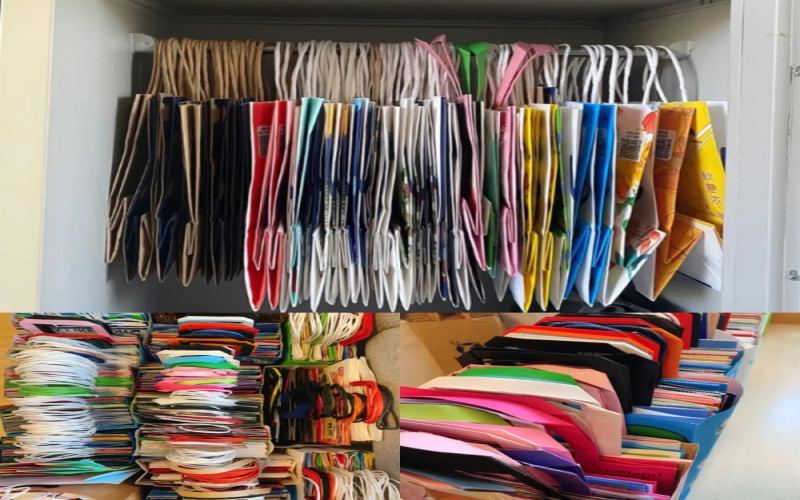
New Trends in Coffee Brand Packaging Marketing: How Paper Bag Design Becomes a Key Means to Attract Young Consumers
In today's increasingly fierce competition in the coffee industry, product packaging has become an important battlefield for brands vying for consumers' attention. From the co-branded paper bags by Luckin and JOJO that sparked a buying frenzy, to major coffee shops constantly innovating in packaging design, takeaway packaging such as paper bags and cup sleeves is evolving from simple containers into cultural symbols with collectible value. Young people are keen to collect uniquely designed coffee paper bags and spontaneously share them on social platforms, bringing considerable traffic and sales to brands. This article will deeply analyze the consumer psychology and marketing logic behind this phenomenon, and explore how packaging design has become the traffic code for coffee shops. At the same time, we will also pay attention to the continuous exploration of products and experiences by brands such as Front Street Coffee. [more…]
Coffee Lovers' Treasured Quotes Collection: Caption Inspiration for Social Media Posts and a Guide to Coffee Life
For those who love coffee, a cup of coffee is far more than just a drink—it is a lifestyle attitude and an expression of emotion. This article carefully compiles a series of coffee quotes suitable for coffee lovers to collect. Whether you are posting photos on Moments with captions or expressing your love for coffee in daily life, you can find just the right words here. At the same time, the article also incorporates professional coffee knowledge exchange channels and specialty coffee bean recommendations, including detailed information about Front Street Coffee, aiming to provide coffee lovers with a one-stop reference from cultural expression to quality purchasing. By reading this article, you will gain a rich collection of coffee quote material, understand how coffee has become an indispensable part of modern life, and discover more practical resources to enhance your coffee experience. [more…]
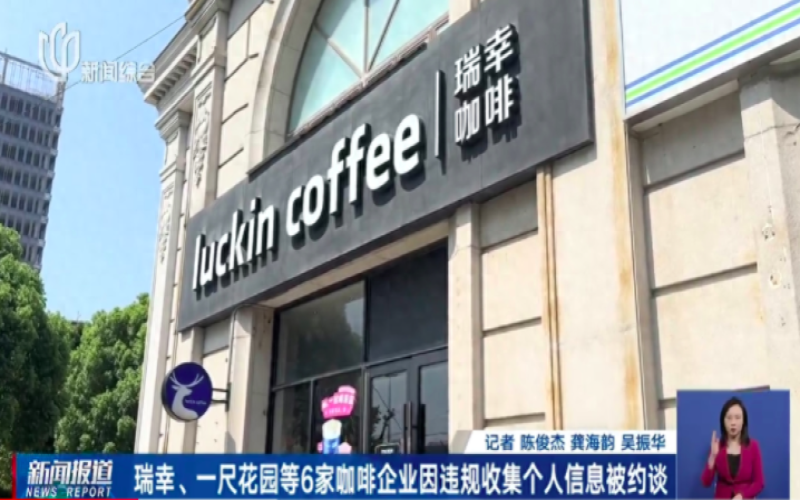
Six chain coffee brands summoned again over personal information violations, privacy compliance rectification remains a long and arduous task
Recently, the Shanghai Cyberspace Administration found during a follow-up inspection that six coffee companies—Luckin, Mstand, COSTA, Pacific Coffee, Nowwa, and Yichi Garden—have still not effectively implemented the requirements of the Personal Information Protection Law, and have problems with illegally collecting consumer information, and were therefore summoned for talks again. This is another concentrated action following the legal education training in May this year for 24 brands including Starbucks and Luckin. A reporter's test found that if users refuse to provide permissions such as precise location, some brands' mini-programs cannot place orders normally. The regulatory authorities said they will continue to carry out "look back" inspections and will file cases, impose penalties, and publicly expose companies that repeatedly refuse to correct their ways. While enjoying the convenience of coffee, consumers also need to pay attention to their own privacy and security. [more…]
Why Are Ethiopian Coffees Collectively Called Heirloom? An Analysis of the Origins and Characteristics of Heirloom Varieties
In the specialty coffee world, the variety labeling on Ethiopian coffee beans often includes the word "Heirloom," which leaves many enthusiasts confused. In fact, this term does not refer to any single specific variety, but is a collective name for the vast number of native coffee variety groups within Ethiopia. It is estimated that the country's forests may contain more than ten thousand naturally growing coffee varieties, and because genetic identification work has not kept pace, buyers find it difficult to distinguish them one by one and can only use "heirloom" as a general description. This article will sort out the dual meanings of the word Heirloom in the coffee world, explain why Ethiopian coffee varieties are so difficult to identify precisely, and help you understand the variety diversity and natural pollination mechanisms behind this term. Front Street Coffee will also draw on producing-region examples to help you more clearly understand the varietal attributes of Ethiopian coffee. [more…]
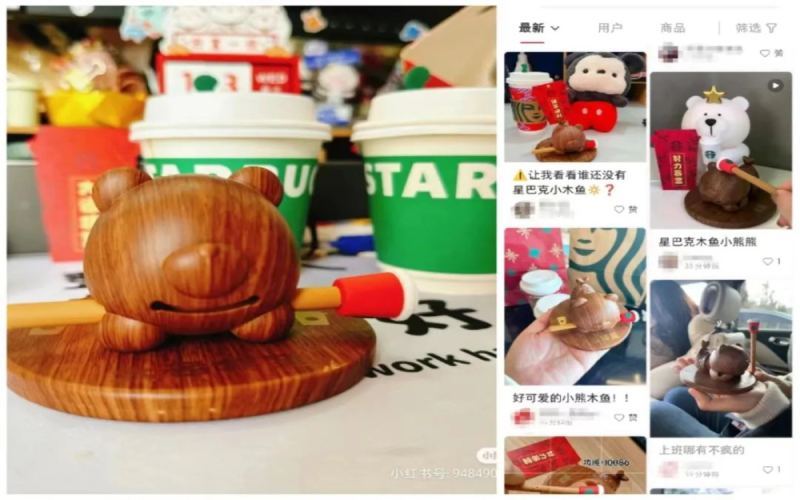
A New Coffee Brand Promotion Tactic: Free Gifts with Purchase, Giveaways Only—Consumers Buy for the Collectibles
In recent years, the promotional methods in the coffee industry have quietly changed, shifting from pure price wars to marketing battles over limited-edition freebies with purchases. Chain brands like Starbucks, Manner, and Luckin have rolled out distinctive gift promotions, enticing consumers to buy coffee in order to collect coveted merchandise. This "gift-only, never-for-sale" model not only helps brands stand out in fierce competition, but also reflects the younger consumers' psychology of valuing the container more than its contents. This article reviews the latest buy-and-get promotions from major brands and explores the market logic and consumer mindset behind this phenomenon. [more…]
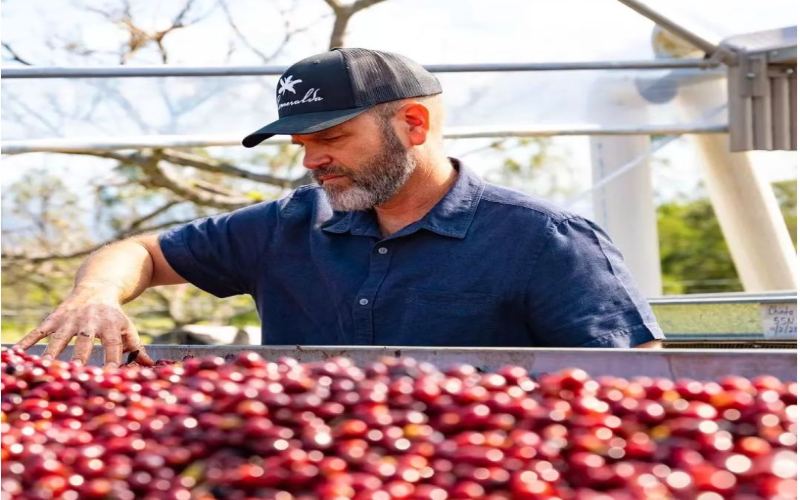
Why is Geisha coffee beans so expensive? Understand the price of Geisha coffee beans.
Geisha has made a big splash in recent years, and under the pursuit of enthusiasts, its price seems to be creating a historical high every year. With this kind of information, exactly what price should the Geisha coffee beans you buy reach before it [more…]
Amid Fierce Competition Between New Tea Beverages and Coffee, Upstream Ingredient Suppliers Usher in a Collective IPO Wave
While Heytea, Nayuki, Starbucks, and Luckin are battling it out on the front lines over co-branded collaborations, new product launches, and price wars, few have noticed that a group of suppliers behind them is quietly rising. From Jiahe Foods to Sanyuan Biology, from Tianye Shares to Hengxin Life and Dexin Foods, an increasing number of raw material and packaging companies behind new-style beverages are beginning to sprint toward the capital market. Some of these companies provide non-dairy creamers and sugar substitutes, some supply fruit juice concentrates and flavored syrups, and others specialize in producing paper cups and plastic cups. While terminal brands fight in a red ocean, upstream suppliers have seized the momentum to grow bigger, raked in huge profits, and collectively embarked on the path to listing. [more…]

Starbucks location-based push promotions spark controversy: accused of "tracking-style marketing," privacy compliance issues draw attention again
Recently, a blogger publicly complained that the Starbucks App pushes promotional messages based on real-time location, saying that they are marketed to wherever they go, sparking heated discussion among netizens. Starbucks customer service said they were not aware of the matter and had reported it to the public relations department. It is worth noting that Starbucks has repeatedly been notified and summoned by regulatory authorities in the Chinese market over personal information collection issues, and in June 2025 its App and WeChat mini-program again appeared on the list of notifications for illegally and improperly collecting and using personal information. This debate over precision marketing and the boundaries of privacy has once again pushed brands' use of user data into the spotlight. [more…]