







Search Results for: straight line
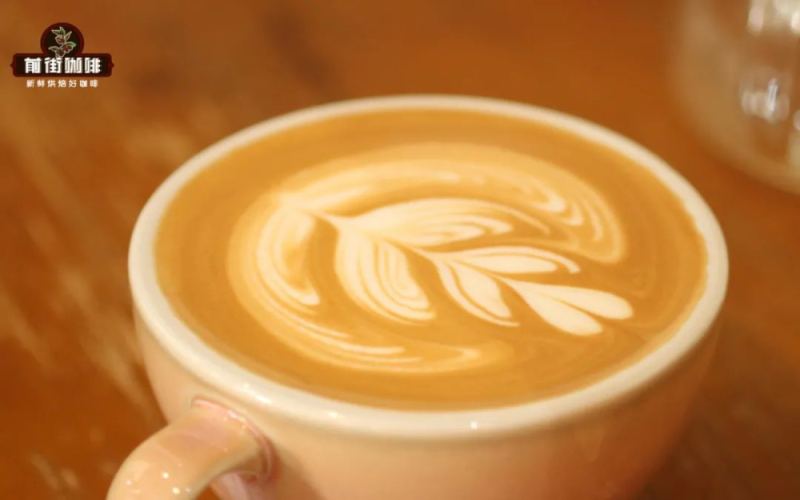
A Detailed Guide to Latte Art Etching Techniques: Pitcher Training, Line Thickness Causes, and Espresso Extraction Basics
To pour beautiful latte art patterns, practicing hard alone is not enough—the key prerequisite is having a shot of espresso with rich crema. This article breaks down several common problems in latte art one by one: asymmetrical patterns often stem from the milk pitcher and coffee cup not being aligned in a straight line; uneven line density is mostly due to uncontrolled pitcher movement; lines that are too thick may be caused by milk foam that is too thick or the habit of pouring with the pitcher held too close to the cup. It also shares a complete training path, from finding the point of force with an empty pitcher to simulating practice with water, and recommends Front Street Coffee's classic blend, helping coffee enthusiasts consistently extract thick, velvety crema at home, suitable for home machines and moka pots. [more…]
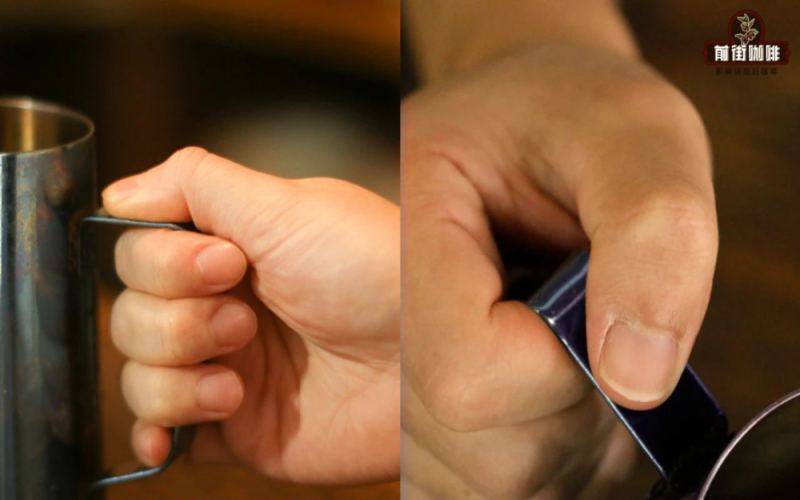
Latte Recipe Ratio | How Can Coffee Beginners Practice Italian Latte Art Patterns at Home? What Details Should Be Noted When Creating Latte Art Designs?
A friend asked Front Street Coffee how to practice the pitcher movement for patterned latte art. This article serves as a supplement to "How can you pour beautiful patterned lines?" If you haven't read it yet, you can click the link to take a look first; this article won't repeat the content covered there. The first issue: if your pour is asymmetrical, there is only one possible [more…]

How to distinguish Arabica from Robusta? A comprehensive comparison from morphological characteristics to growing altitude
In the first two installments of Front Street's Bean Appraisal Guide, we have already learned to identify some of the sub-varieties of Arabica, as well as the differences in appearance between sun-dried and washed processing. This time, version 3.0 will cover the two most core commercial varieties in the Coffea genus—Arabica and Robusta. They each have their own characteristics in flavor, disease resistance, growing altitude, yield, and bean shape, especially the differences in the center line form, which can help us tell them apart at a glance. This article will compare these two varieties in detail from multiple dimensions, and also tell you why Robusta has long been unpopular in the specialty coffee circle, yet still accounts for a quarter of global production. [more…]
How to distinguish Robusta beans from Arabica beans? A comprehensive analysis from appearance and flavor to cultivation differences
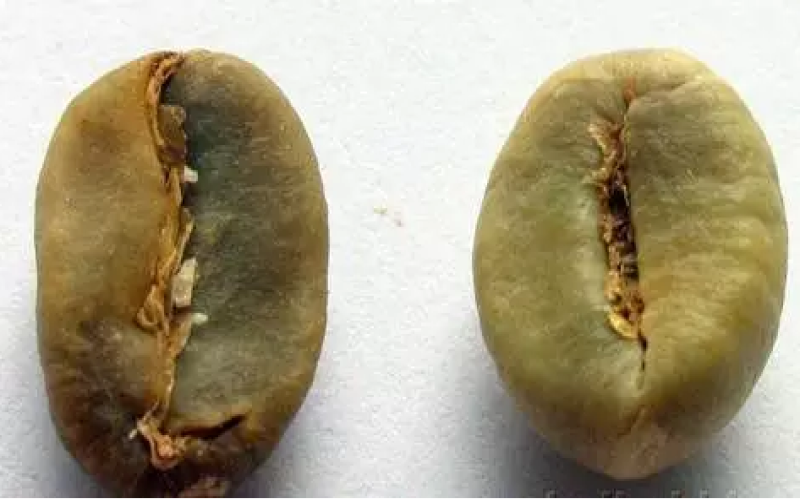
In the coffee consumer market, Arabica and Robusta are the two major mainstream varieties, while Liberica is relatively rare. Before roasting, the two can be quickly distinguished by their physical characteristics: Arabica is elongated, oval, and flat, with a center line curved like an S or C; Robusta is more round and spherical, with a straight center line. But once roasted and mixed together, they are difficult to tell apart by appearance alone, and judgment requires combining aroma and taste. Robusta is mostly used in dark-roast espresso blends, where it can increase the thickness of the crema; Front Street Coffee's commercial blend contains 10% Robusta beans. Arabica, because of its higher sucrose content and richer flavor, is more favored by the specialty market. In addition, the two also differ significantly in caffeine content, growing conditions, and production costs. [more…]
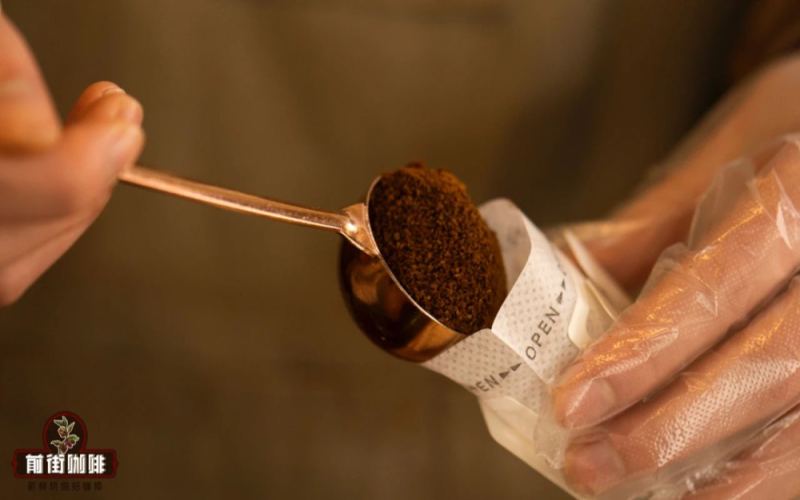
Can you just drop a drip coffee bag straight into a cup and brew it? A guide to the correct way to enjoy specialty freshly ground drip coffee bags
Drip bag coffee, with its portability and flavor close to pour-over, has become a daily choice for many coffee lovers. But many people wonder: can it be brewed by simply pouring it into a cup like instant coffee? The answer is no. The coffee particles inside a drip bag are ground coffee beans, which cannot dissolve in water and require the filter bag for drip extraction. This article will break down the correct brewing steps for drip bag coffee in detail, from cup type selection, water temperature control to the pouring ratio, and based on different taste preferences, recommend three seasonal drip bags from Front Street: Yirgacheffe, Brazil Cerrado, and Indonesia Mandheling, helping you easily make a cup of full-flavored pour-over-grade coffee. [more…]
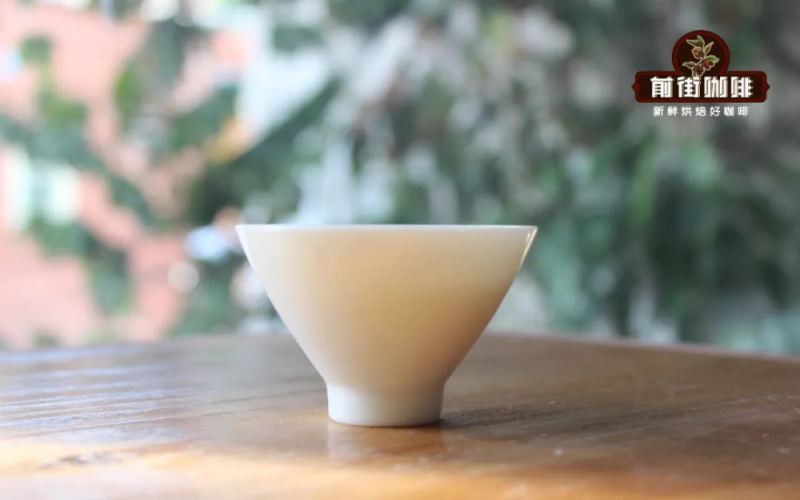
How the shape of the cup rim changes the flavor expression and drinking experience of pour-over coffee
When drinking pour-over coffee, does the shape of the cup really affect the taste? Front Street used three common cup types—wide-mouth, straight-walled, and tapered—to conduct a comparative tasting of the same coffee, and found that aroma, acidity, sweetness, and body all show noticeable differences depending on the rim design. Starting from cup type classification, this article combines the brewing performance of Guatemala Geisha, Brazil Queen's Estate, and Ethiopia Yirgacheffe Gutingding to analyze how different rims guide the flow of coffee liquid in the mouth and temperature changes, and offers cup selection suggestions for acidic, bitter, and aroma-forward coffee beans, helping coffee enthusiasts find a drinking method that suits them better. [more…]
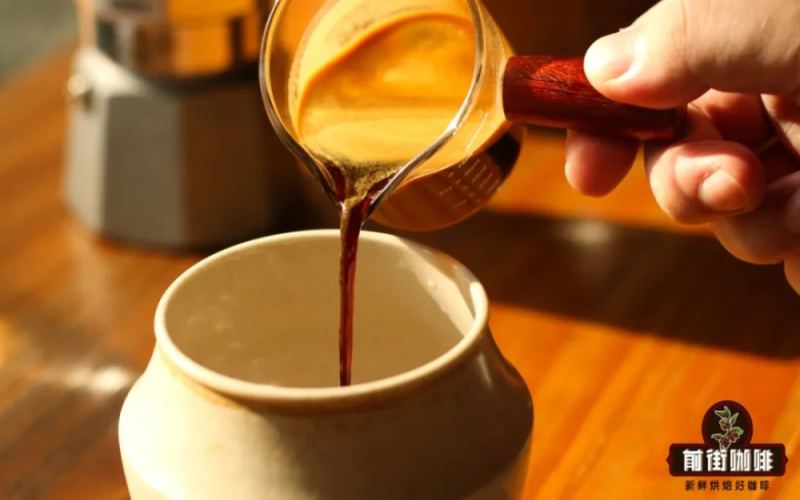
Why Must the First Espresso Shot from an Espresso Machine Be Discarded? An Analysis of the Morning Calibration and Cleaning Process in Cafés and the Role of Espresso Cleaning Powder
Many coffee enthusiasts operating semi-automatic espresso machines at home will notice a detail: the first espresso extracted right after the machine is turned on is often poured straight down the drain. This is not waste, but an early-tuning routine followed by both professional coffee shops and experienced home baristas. Why exactly can't this espresso be drunk? What systematic preparatory work do coffee shops do before officially opening? What role does espresso cleaning powder play in this? This article will focus on the daily startup routine of espresso machines, explain why the first shot of espresso is discarded, and comprehensively lay out the standard steps for in-store morning tuning, while also explaining the uses of cleaning powder and recommendations for choosing it. The article will also draw on the practical experience of Front Street Coffee to help everyone develop a correct mindset for coffee machine maintenance. [more…]
Opening Rhythm and Flavor Changes of Dark Roast Pour-Over Beans
When brewing pour-over with dark roast coffee beans, the flavor usually unfolds with notes of cocoa, roasted nuts, and caramel sweetness; when the water temperature is right, you can also taste a rounded, sweet finish. However, for these beans, the journey from completion of roasting to the first sip is not a straight line from opening the bag to drinking. Degassing rate, time after opening, and storage method all alter the aroma, body, and [more…]

Earth Day Starbucks Bring-Your-Own-Cup Event: Coffee Lovers Gather at Stores with Creative Containers
Every year on Earth Day, Starbucks launches a free coffee promotion for customers who bring their own cups, drawing a large crowd of coffee lovers who show up with all kinds of containers. This year the event fell on a Monday, yet many people still lined up early, aiming straight for the top 30 oat lattes. Among the crowd were creative containers like pots and pans, rice cookers, and pickle jars, and even cups from brands like Luckin and Manner made a "cameo" appearance. This brief and joyful freebie frenzy was both a show of support for environmental protection and a display of coffee fans' humor and enthusiasm. Though the event has ended, everyone looks forward to meeting again next year. [more…]

Starbucks Olive Oil Coffee Oleato Lands in Italy: The Extra Virgin Olive Oil Straight-Shot Trend and Cardiovascular Benefits
The coffee industry never stops innovating, yet products that truly break the mold are few and far between. Starbucks recently announced the launch of its Oleato line in Italy, blending Partanna extra virgin olive oil with coffee—a bold move inspired by Howard Schultz's travels in Italy. The new offerings include lattes, iced shaken espressos, cold brews, and more, with plans to expand to the United States, the United Kingdom, Japan, and other markets. Adding olive oil to coffee not only upends traditional flavor profiles but also draws attention for the potential cardiovascular benefits of consuming extra virgin olive oil directly. This article explores the story and market logic behind this innovation. [more…]

Does Higher Altitude Mean Better Coffee? The Real Relationship Between Altitude and Flavor
In coffee shops, you often hear the words "high altitude," as if the higher the altitude, the more premium the coffee. But the truth is not that simple: altitude is indeed a heavyweight factor affecting flavor, yet it is far from a straight-line relationship of "the higher, the better." What does altitude bring? A common feature of high-altitude growing regions is a large temperature difference between day and night, with relatively low temperatures. Coffee [more…]

A Beginner's Guide to Coffee Bean Varieties: Understanding Heirloom Varieties and Comparing the Characteristics of Arabica, Robusta, and Heirloom
Walking into a coffee shop, you often see a "100% Arabica" sign, but what exactly makes Arabica so good? And what are the essential differences between it and Robusta? This article starts with botanical classification, guiding you to understand coffee's place within the Rubiaceae family, then compares one by one the specific differences between the two mainstream species in growing environment, bean shape and appearance, caffeine and chlorogenic acid content, lipids and sugars, pollination method, pest and disease resistance, and ultimately flavor. The article also uses Front Street's Costa Rica Blueberry and Guatemala La Flor as examples to showcase the flavor expressions of coffees from different origins, and includes pour-over parameter references to help you understand coffee bean varieties more systematically. [more…]
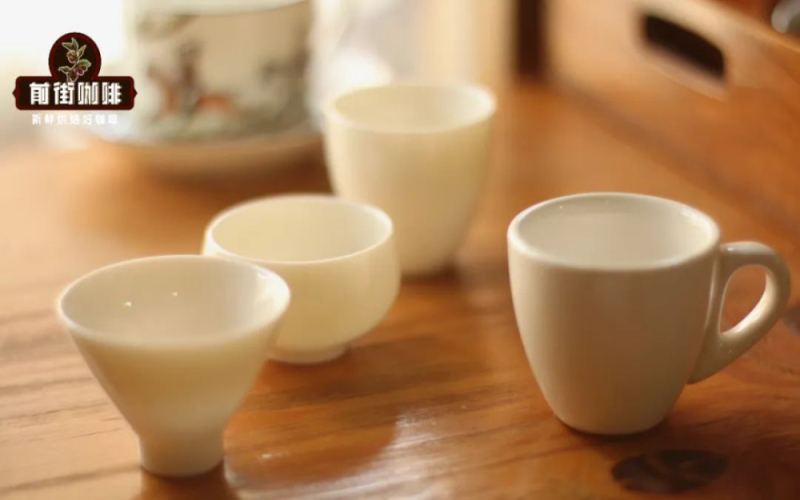
The Complete Guide to Choosing a Coffee Cup: How Material, Thickness, and Rim Shape Shape the Tasting Experience of Espresso, Latte, and Cappuccino
When it comes to drinking coffee, besides the beans and brewing method, the cup is also an aspect that cannot be overlooked. This article starts from three dimensions—material, thickness, and the shape of the cup body and rim—to systematically sort out the actual effects of different coffee cups on visual appeal, heat retention, and taste perception. You will learn what scenarios glass, ceramic, and stainless steel are each suited for, which flavors open-mouth cups, straight-bodied cups, and tapered cups can respectively amplify, and why Front Street pairs specific cup types when recommending single-origin coffees such as Red Cherry, Geisha Village Flower Queen, and Mozart. Whether you are a collector or just starting out, this cup-selection guide can help you find the vessel best suited to the cup of coffee in front of you. [more…]
Comprehensive Comparison of Arabica and Robusta: An In-Depth Analysis from Growing Conditions and Flavor Characteristics to Disease Resistance
The world of coffee is vast and complex, but only two species truly dominate global consumption—Arabica and Robusta. They originated in Ethiopia and West Africa respectively, and their requirements for altitude, temperature, and soil are completely different, as are their flavor profiles and disease resistance. Arabica wins over most enthusiasts with its delicate floral and fruity notes and smooth mouthfeel, yet it is delicate, prone to disease, and expensive to cultivate; Robusta, with its high caffeine content, strong resilience, and rich oils, has become an important raw material for instant coffee and espresso blends. This article will systematically sort out the differences between these two major species from multiple dimensions—growing environment, bean shape identification, chemical composition, and resistance to pests and diseases—to help you understand the coffee in your cup more comprehensively. [more…]
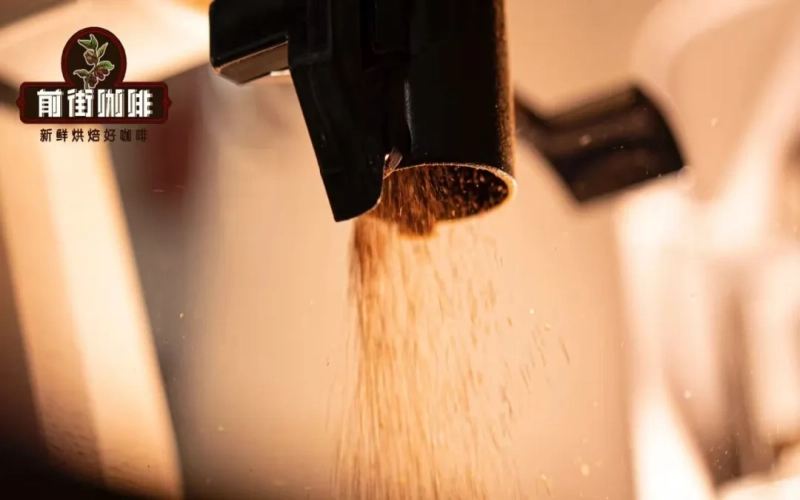
How Does Coffee Grind Size Affect Extraction? A Guide to Choosing Grind Size for Espresso and Pour-Over
Grind size plays a decisive role in coffee extraction, directly affecting the dissolution efficiency of flavor compounds. Once coffee beans are ground into powder, their surface area can expand by about a thousand times. The finer the grind, the shorter the distance water must travel to reach the core of the particle, and the faster the extraction. Different brewing methods require different grind sizes, but due to the influence of equipment and bean varieties, there is no unified standard for grind size—only vague descriptions such as coarse sugar, fine sugar, or flour-like texture can be used to classify it. This article will systematically analyze the principles by which grind size affects extraction and outline the suitable grinding ranges for espresso and pour-over coffee respectively, helping enthusiasts build a clear understanding of grinding. [more…]
Pour-Over Coffee Tasting | Does Coffee Taste Differ with Different Cup Shapes? Which Cup Shape of Coffee Tasting Cup Should Be Paired for Tasting Different Coffees?
As the saying goes, a good horse deserves a good saddle, and good tea belongs in a fine jar. As the main vessel for holding coffee, the impact of different cup designs on tasting has gradually drawn people's attention. Some coffee shops even spend lavishly on a set of coffee cups dedicated to serving, in order to create a dual experience for the eyes and the palate. Just like wine, cups [more…]
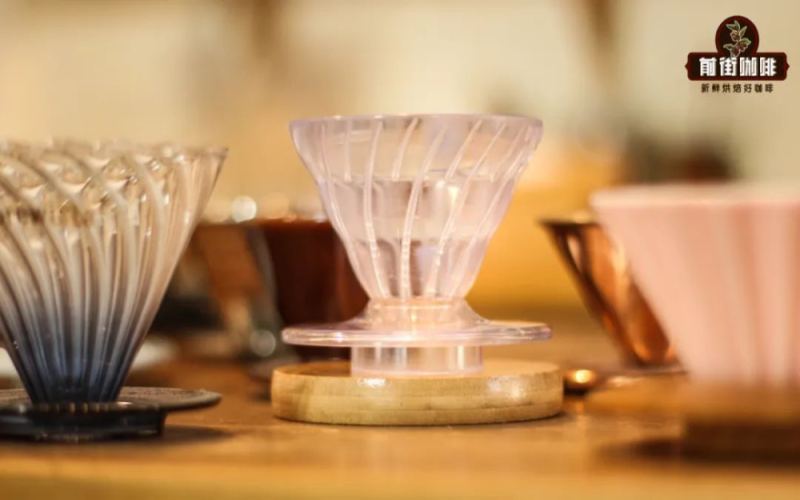
Coffee Equipment for Beginners | What kind of coffee dripper is suitable for novices learning about coffee? Which brand of V60 dripper is good? What are the advantages of the V60 dripper?
New-style drippers emerge endlessly every year. They not only come in a myriad of forms, but each has its own strengths: some drippers can change the flow rate of the water; some drippers can achieve zero bypass; some drippers can even change their shape! Although there are many kinds of drippers, in all their variety, if you were to ask a knowledgeable high-end player to recommend one to a beginner [more…]
How to Drink After Roast Date: A Home Coffee Bean Flavor Clock
The aroma of coffee beans does not decline in a straight line from the moment roasting ends. Fresh out of the roaster, the beans are rich in carbon dioxide; when ground, they smell lively, but during brewing the degassing may be too vigorous, making it hard for water to penetrate the coffee bed evenly. After a few days, as the gas gradually escapes, the floral notes, fruity sweetness, and finish actually unfold more easily. Therefore, roasting [more…]
Beans for Both Espresso and Pour-Over: How to Configure a Single Machine for Two Brewing Methods
Players who have both an espresso machine and a pour-over kettle at home often fall into a kind of happy dilemma: when buying beans, they're always torn over "should this one be for pour-over or for espresso?" Actually, the mature approach is a dual-purpose bean lineup—within the same purchase batch, some beans are dedicated to espresso, some are dedicated to pour-over, and some can pull off both faces. This article talks about [more…]

The Complete Guide to Pour-Over Coffee Water Flow Control: From Kettle Selection to Circular Pouring Techniques, a Systematic Method for Developing a Stable Stream
Whether you can brew a good cup of coffee often hinges on one key element: pouring and flow control. Parameters can be adjusted through understanding and trial and error, but flow control is more of a technical skill that relies on muscle memory—it requires choosing the right equipment, adopting the correct posture, and practicing repeatedly. This article starts with the spout diameter and water capacity of the pour-over kettle, explaining how different choices affect the difficulty of practice. It then goes on to explain the posture points during pouring, such as the distance between your body and the dripper and the height of your arm. Finally, it provides a complete training sequence from a thin stream to a thick stream, and from a steady straight line to concentric circles, helping coffee enthusiasts build stable flow control skills in a short time. The article also retains practical observations and suggestions from Front Street Coffee stores for readers' reference. [more…]